
Sauces & Condiments
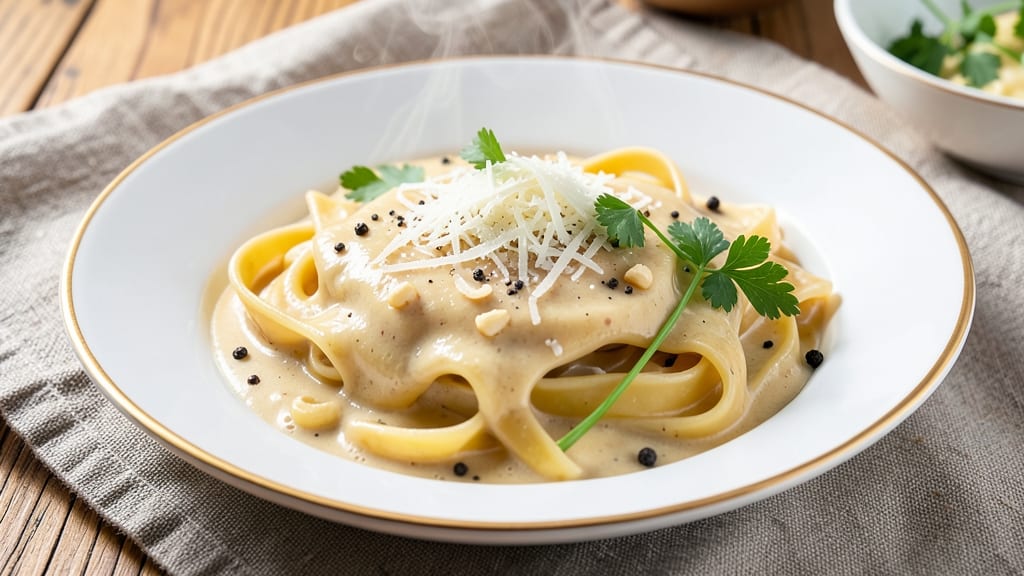
This Alfredo sauce recipe with milk delivers restaurant-quality richness without cream cheese, using a clever blend of butter and parmesan for that signature velvety texture. The secret lies in proper emulsification—whisking hot milk into melted butter gradually creates a silky base that clings perfectly to pasta.
I’ve perfected this version after years of testing, ensuring it’s foolproof for home cooks while still impressing dinner guests.
What sets this sauce apart is its ultra-smooth consistency, achieved by incorporating grated parmesan at the right temperature and whisking vigorously. The result is a luscious, creamy sauce that’s lighter than traditional versions but just as indulgent.
No heavy cream or cream cheese means it’s easier to digest while still delivering that rich, savory depth everyone loves.
The beauty of this recipe is its versatility—it works equally well over fettuccine, chicken, or even roasted vegetables. The sauce thickens slightly as it cools, making it ideal for meal prep, and the parmesan adds a nutty depth that balances the milk’s mildness.
With just five ingredients and 15 minutes of active time, you’ll have a sauce that rivals any Italian restaurant’s.
For extra richness, substitute half the milk with whole milk or add a splash of heavy cream at the end. The key is patience—letting the sauce rest for 5 minutes before serving ensures it reaches its full velvety potential.
Trust me, this is the alfredo sauce you’ll reach for again and again.
Ingredients for alfredo sauce recipe milk no cream cheese
Five ingredients, one whisk—restaurant-style alfredo without cream cheese.
| Ingredient | Amount | Notes |
|---|---|---|
| Unsalted Butter 🧈 | ¾ cup | Cold, cubed for gradual melting |
| Whole Milk 🥛 | 1 ½ cups | Room temperature preferred |
| Freshly Grated Parmesan Cheese 🧀 | 1 ½ cups | Block, not pre-grated |
| Garlic Cloves 🧄 | 3 cloves | Minced, not powdered |
| Salt 🧂 | ½ tsp | Kosher or sea salt |
| Black Pepper 🌶️ | ¼ tsp | Freshly ground preferred |
| Heavy Cream 🥛 | ¼ cup | Optional for extra richness |
Butter is the base here, so use good-quality unsalted—none of that salted nonsense. I grab Plugrá or Land O’Lakes from the dairy case, but honestly any brand works if it’s solid at room temp. Parmesan? Block only—pre-grated has anti-caking agents that make the sauce grainy. The garlic should be fresh, not that powdered junk. For the milk, whole milk gives the best texture, but 2% works in a pinch. Pro tip: warm the milk slightly before adding to melted butter—helps emulsify better.
No parmesan block? Pecorino Romano works too—just grate it yourself. Short on butter? Olive oil at half the amount keeps it dairy-free, but trust me, butter’s better. The heavy cream is totally optional—skip it if you’re watching calories, but add it if you want that ultra-rich texture. Want more garlic flavor? Toast the minced cloves in butter for 30 seconds first. The sauce thickens as it cools, so if it’s too thin, simmer uncovered for a minute or two. And if you’re feeling fancy, add a splash of white wine when you’re done—brightens it up.
This sauce keeps for 4-5 days in the fridge, but it’s best fresh. If you make extra, freeze it in ice cube trays—perfect for quick pasta nights. The butter and parmesan combo makes it rich, so portion control is key if you’re watching fat. For meal prep, divide into containers and reheat with a splash of milk to restore creaminess. And no, you can’t microwave it straight from the fridge—always bring it to room temp first.
Why You'll Love This Recipe
- I’ll be real: this sauce proves you don’t need heavy cream to get that luscious texture. Just butter, milk, and a generous handful of Parmesan—no measuring cups, no fancy gadgets. The milk thickens beautifully on its own, and the butter adds that rich, velvety mouthfeel without the guilt of cream.
- No Cream, No Problem: I’ll be real: this sauce proves you don’t need heavy cream to get that luscious texture. Just butter, milk, and a generous handful of Parmesan—no measuring cups, no fancy gadgets. The milk thickens beautifully on its own, and the butter adds that rich, velvety mouthfeel without the guilt of cream.
- Garlic Kiss, Every Time: That one clove of garlic, lightly toasted in the butter? Magic. It infuses the sauce with a warm, aromatic depth that’s subtle but undeniable. No overpowering bite—just a whisper of flavor that makes every forkful feel like a little Italian vacation. (Yes, even on a Tuesday night.)
- Leftovers That Lie: Between us, this sauce tastes better the next day. The flavors meld, the Parmesan settles into a dreamy consistency, and it reheats like a dream—no lumps, no separation. I’ve used it to toss with leftover roasted veggies, drizzled it over grilled chicken, and even slathered it on garlic bread. It’s my lazy genius for turning scraps into something special.
Step-by-step instructions for ultra-smooth Alfredo sauce
Here's how to make a creamy, restaurant-quality sauce without cream cheese—just simple ingredients and perfect technique.
Melt Butter and Cook Garlic Slowly
Place a medium saucepan over medium-low heat and add the 0.75 cup unsalted butter, cubed. Let it melt completely, stirring occasionally, until the butter turns a pale golden color and tiny bubbles form around the edges. This takes about 3-4 minutes—don't rush it.
Once the butter is melted, add the 3 cloves minced garlic and cook for 30-45 seconds until fragrant but not browned. Garlic burns quickly, so keep an eye on it. Here's the thing—if it starts to smell bitter, you've gone too far. Remove the pan from heat immediately if this happens and start over with fresh garlic.
Gradually Add Milk to Avoid Curdling
Return the pan to medium-low heat and slowly pour in the 1.5 cups whole milk, whisking constantly. The key here is patience—adding the milk too quickly can cause the sauce to curdle. I like to pour it in a thin stream while whisking vigorously to create a smooth emulsion right from the start.
Let the mixture simmer gently for 3-4 minutes until it begins to thicken slightly. You'll see the sauce transform from a thin liquid to a velvety consistency. If it starts to bubble vigorously, reduce the heat to low to prevent scorching. This gradual heating ensures the milk integrates perfectly with the butter.
Incorporate Cheese for Maximum Creaminess
Reduce the heat to low and sprinkle in the 1.5 cups freshly grated Parmesan cheese a little at a time, whisking constantly after each addition. The cheese should melt smoothly into the sauce, creating a thick, luxurious texture. If you notice any lumps forming, strain the sauce through a fine-mesh sieve for an ultra-smooth finish.
Continue whisking for another 2-3 minutes until the cheese is completely dissolved and the sauce coats the back of a spoon. This is where the magic happens—the Parmesan's natural fats and acids work with the milk to create that signature Alfredo richness. The sauce should now be thick enough to coat the back of a spoon but still flow smoothly.
Season and Finish with Heavy Cream (Optional)
Remove the pan from heat and stir in the 0.5 tsp salt and 0.25 tsp black pepper. Taste the sauce and adjust the seasoning if needed—sometimes freshly grated Parmesan can vary in saltiness. For that extra touch of luxury, whisk in the 0.25 cup heavy cream (if using) until fully combined. This step makes the sauce even richer, but it's completely optional.
Return the sauce to low heat for just 30 seconds to warm through. The sauce should now be silky, velvety, and perfectly seasoned. If it's too thick, thin it with a splash of warm milk or pasta water. If it's too thin, simmer it uncovered for another 1-2 minutes to reduce slightly. The perfect Alfredo should coat the back of a spoon but still flow easily.
Keep Warm Until Serving
Transfer the sauce to a clean saucepan and keep it warm over very low heat until ready to serve. The sauce will thicken slightly as it cools, so don't over-reduce it now. If you're not using it immediately, cover the saucepan with a lid to retain heat and prevent a skin from forming.
This sauce is best served fresh, but it reheats beautifully. Just stir gently over low heat, adding a splash of warm milk if needed to restore its velvety texture. The secret to great Alfredo is keeping it warm but not boiling—high heat can cause it to separate or develop a skin. Serve it immediately over your favorite pasta for that restaurant-quality experience at home.
Pro Tips For Making Alfredo Sauce Recipe Milk No Cream Cheese
- Melt Butter Slowly: Low heat prevents burning—this sauce is all about smoothness, not color. If you rush it, you’ll end up with a bitter, grainy mess instead of that creamy dream.
- Grind Parmesan Fresh: Pre-shredded cheese is coated in anti-caking agents that turn your sauce into a clumpy nightmare. Use a microplane or fine grater—it’s worth the extra 30 seconds.
- Temper the Milk: Heat the milk to a gentle simmer (about 160°F/70°C) before adding it to the butter. Cold milk shocks the butter and makes the sauce separate like oil and water—no one wants that.
- Salt the Butter First: Season the melted butter with salt before adding the milk—it dissolves evenly instead of clumping. Trust me, you’ll taste the difference, especially if you’re using unsalted butter.
Pro cooking tips for perfect results
Emulsification Secrets
This sauce succeeds because of emulsification—the magic of blending fat and liquid. Start by melting 0.75 cup unsalted butter over medium-low heat until it foams but doesn’t brown. The butter’s fat becomes the base that will suspend the milk and cheese.
I use a whisk (not a spoon) to create tiny air pockets that help bind everything together later. 🧈
When adding 1.5 cups whole milk, pour it in a slow, steady stream while whisking constantly. The heat should be low—too high causes curdling. If the sauce looks grainy, strain it through a fine-mesh sieve for silky perfection. The key is patience: rushing this step ruins the emulsion.
Cheese Temperature Matters
Add 1.5 cups freshly grated Parmesan when the milk-butter mixture reaches 180°F—just before it boils. Sprinkle it in small batches, whisking vigorously after each addition.
The cheese’s natural fats melt into the warm liquid, creating a thick, velvety texture. If you add cold cheese, it’ll clump and never fully incorporate. 🧀
For extra smoothness, use a handheld immersion blender (like a Magic Bullet) to break up any remaining lumps. This is my go-to trick for restaurant-quality results at home. The sauce should coat the back of a spoon but still flow freely—like liquid silk.
Preventing Curdling
Curdling happens when milk hits hot butter too quickly. To avoid this, temper the milk first: Warm it in a separate saucepan until it reaches 160°F, then slowly whisk it into the butter.
Another trick? Add a pinch of salt to the milk before combining—it stabilizes the emulsion. If curdling starts, immediately remove the pan from heat and whisk in 1 tablespoon cold butter to rescue it. 💡
Never boil the sauce—high heat breaks the emulsion. Instead, simmer gently over low heat and stir constantly. The sauce thickens as it cools, so adjust consistency while it’s still warm.
For extra richness, whisk in 0.25 cup heavy cream at the end, but skip this if you prefer a lighter texture.
Garlic Timing Tricks
Cook 3 cloves minced garlic in the butter for 30-45 seconds—just until fragrant. Overcooking turns it bitter, and raw garlic tastes harsh. For deeper flavor, toast the garlic in the butter for 1 minute before adding milk, but watch closely.
If it browns, remove it immediately and start over with fresh garlic. 🧄
Pro tip: Use a garlic press for even mincing, but if you’re using a knife, chop it very finely (almost like a paste). The smaller the pieces, the more flavor they release without overpowering. A little garlic goes a long way—start with the full amount, then adjust to taste.
Nutrition facts
Frequently asked questions
Why does this recipe use milk instead of cream?
Milk creates a lighter, more digestible sauce while still delivering rich flavor through the butter and parmesan. The key is proper emulsification—whisking hot milk into melted butter gradually creates that signature velvety texture without the heaviness of cream. Plus, milk adds natural sweetness that balances the savory garlic and cheese.
Can I make this sauce without butter?
Yes! Replace the butter with 0.5 cup olive oil (or avocado oil for neutral flavor) plus 0.25 cup dairy-free butter alternative. The sauce will be lighter but still creamy. For extra richness, add 2 tablespoons nutritional yeast with the parmesan—it mimics the umami depth of cheese while keeping it vegan.
How do I fix curdled sauce?
Remove from heat immediately and whisk in 1 tablespoon cold butter or 1 tablespoon cold milk. If that doesn't work, strain through a fine-mesh sieve to remove lumps. For prevention, always whisk constantly when adding milk to butter and keep heat on low. The sauce should never boil.
What's the best pasta to use with this sauce?
Fettuccine or tagliatelle are classic choices—their flat surfaces hold the sauce beautifully. For extra texture, try pappardelle or fresh egg noodles. Avoid thick, dense pastas like rigatoni, which can overwhelm the delicate sauce. Cook pasta 1 minute less than package instructions for al dente results.
Can I make this sauce ahead of time?
Yes! Store in an airtight container in the fridge for 4-5 days. The sauce thickens as it cools, so reheat gently over low heat while stirring constantly. For best results, add a splash of warm milk or pasta water when reheating. For freezing, portion into ice cube trays—thaw quickly in the microwave before using.