
Sauces & Condiments
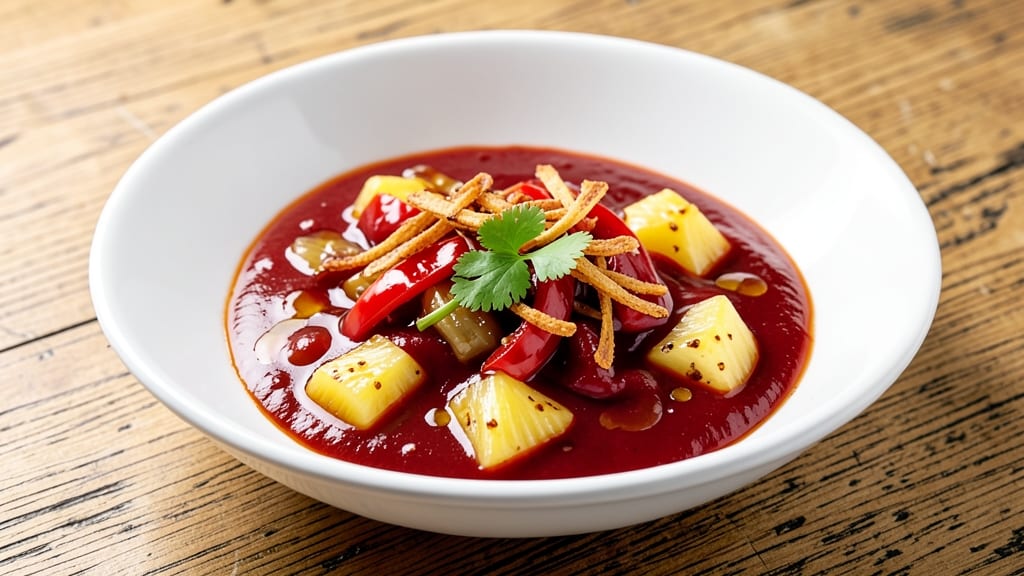
This Kikkoman sweet and sour sauce recipe delivers that perfect balance of tangy vinegar and honeyed depth you love in Asian cuisine. 💛 The secret lies in simmering vinegar, sugar, ketchup, and soy sauce until the flavors meld into a glossy, versatile sauce that's infinitely better than store-bought versions.
I developed this after years of searching for an authentic homemade version that could stand up to stir-fries, marinades, and dipping alike.
The beauty of this sauce is its simplicity—just five core ingredients that transform into something complex and restaurant-worthy. The vinegar provides that signature tang, while honey and sugar create a smooth, caramelized finish.
Soy sauce adds umami depth, and a touch of ketchup rounds out the flavor profile with subtle sweetness. What you'll end up with is a glossy, balanced sauce that's perfect for dipping, glazing, or marinating proteins.
What makes this recipe truly special is its versatility. Use it as a dipping sauce for spring rolls or dumplings, a glaze for grilled meats, or a marinade for chicken and tofu. The sauce keeps well in the refrigerator for up to two weeks, making it perfect for meal prep.
Each batch delivers that authentic sweet-and-sour flavor you crave, without the artificial ingredients found in many commercial versions.
The process is straightforward—simmer the ingredients until thickened and balanced—but the result is anything but ordinary. This homemade version tastes like it came from your favorite Asian restaurant, with that perfect harmony of sweet, sour, and umami. Let's get started on creating your own batch of this crowd-pleasing sauce.
Ingredients for kikkoman sweet and sour sauce
Five simple ingredients transform into restaurant-quality sweet and sour sauce—tangy, glossy, and packed with umami.
| Ingredient | Amount | Notes |
|---|---|---|
| Rice Vinegar 🍶 | ½ cup | White or seasoned variety |
| Granulated Sugar 🍚 | ½ cup | White or brown sugar |
| Honey 🍯 | ¼ cup | Pure, unprocessed honey |
| Ketchup 🍅 | ¼ cup | Heinz preferred for consistency |
| Kikkoman Soy Sauce 🥢 | ¼ cup | Original or light soy sauce |
| Cornstarch Slurry 🌾 | 2 tbsp | 1 tbsp cornstarch + 1 tbsp water |
| Sesame Oil 🫒 | 1 tbsp | Toasted, for aroma |
| Garlic Cloves 🧄 | 2 cloves | Minced for depth |
| Red Pepper Flakes 🌶️ | ½ tsp | Optional, for heat |
| Salt 🧂 | ½ tsp | Adjust to taste |
The vinegar is the soul of this sauce—Rice Vinegar gives that signature tang, but white vinegar works in a pinch. I grab mine from Trader Joe's because it's consistent, but any brand will do. The honey should be pure, nothing processed—local honey adds subtle floral notes if you want to get fancy. For the ketchup, Heinz is my go-to because it's neutral and reliable, but any good-quality ketchup will work. The soy sauce? Kikkoman is non-negotiable here—it's the authentic umami base that makes this taste like home. If you can't find it, Lee Kum Kee is a solid backup.
No rice vinegar? Apple cider vinegar or white vinegar will work, but you might want to add a pinch of sugar to balance the sharpness. Running low on honey? Maple syrup or agave nectar are great swaps—they add a different depth but still work beautifully. The cornstarch slurry is key for that glossy finish, but if you don't have it, arrowroot powder or flour will thicken it up. Just whisk it into the sauce at the end and simmer until it's clear. The garlic and red pepper flakes are optional but add layers—skip the red pepper flakes if you're sensitive to heat, but the garlic is worth it for that aromatic punch.
This sauce gets better as it sits—let it cool and thicken for at least 30 minutes before using. It keeps in the fridge for 2 weeks, so make a big batch and use it for dipping, glazing, or marinating. Store it in a sealed jar, and if it thickens too much, just stir in a splash of water or vinegar to loosen it up. Freezes beautifully too—portion it into ice cube trays for single-use servings. The flavors meld even more overnight, so if you can wait, do it!
Why You'll Love This Recipe
- Pantry Magic: I swear by this sauce because it uses stuff I already have—no special shopping needed. Just dump rice vinegar, a splash of soy sauce, and honey into a saucepan, let it simmer until the sugar dissolves, and boom. That tangy-sweet balance hits different without tracking down obscure ingredients.
- Sauce That Slaps: Between us, the ketchup and honey combo here is chef’s kiss—it’s sweet but not cloying, with this deep umami kick from the soy. I’ve used it on grilled chicken, fries, even scrambled eggs, and every time, it’s the little upgrade that makes everything taste like a restaurant dish.
- Weeknight Workhorse: Honestly, this is my go-to when I’m too tired to think. Toss it with pre-cut veggies and tofu for a stir-fry in 15 minutes, or drizzle it over takeout noodles to make them actually good. It’s the kind of sauce that turns “meh” into “I’d pay extra for this.”
- Leftovers That Don’t Suck: I make a big batch because it keeps for weeks in the fridge, and honestly? The flavor only gets better. Use it sparingly at first, but once you’re hooked, you’ll be glad you stocked up—because nothing beats that first dip into a jar of homemade sauce after a long week.
Step-by-step instructions for Kikkoman sweet and sour sauce
This homemade version delivers restaurant-quality depth with just 10 minutes of active work.
🍳 Step 1: Create the Cornstarch Slurry
In a small bowl, whisk together 1 tablespoon cornstarch with 1 tablespoon water until completely smooth. This slurry will thicken our sauce beautifully. I always mix it first because it needs time to hydrate properly before we use it—about 5 minutes of resting while we prep other ingredients.
Set this aside while you combine the remaining ingredients. The key here is patience—the slurry should be completely dissolved with no lumps. If you see any, whisk vigorously for another 30 seconds until smooth. This step ensures your sauce won't be grainy or clumpy when finished.
👨🍳 Step 2: Simmer the Base Ingredients
In a medium saucepan, combine the 0.5 cup rice vinegar, 0.5 cup granulated sugar, 0.25 cup honey, 0.25 cup ketchup, 0.25 cup Kikkoman soy sauce, 2 cloves minced garlic cloves, 0.5 tsp red pepper flakes, and 0.5 tsp salt. Stir over medium-high heat until everything dissolves completely—this should take about 3-4 minutes.
Watch for the sugar to fully integrate—you'll see it disappear into the liquid. Here's the thing: if you see sugar crystals lingering at the bottom, add 1 tablespoon water and stir until everything blends smoothly. The mixture should look like a thick, glossy syrup at this stage, with a beautiful golden hue from the honey and ketchup.
🔥 Step 3: Thicken the Sauce
Once the base is fully dissolved, reduce heat to medium-low and slowly pour in the cornstarch slurry while whisking constantly. This gradual addition prevents lumps from forming. Let the sauce simmer for 3-5 minutes, stirring frequently, until it thickens to a glossy, coatable consistency.
You'll know it's ready when it coats the back of a spoon smoothly and holds its shape when drizzled. If it thickens too quickly, add 1 tablespoon water to loosen it. The sauce should be thick enough to cling to proteins or noodles but still flow easily when poured. This is where the magic happens—proper thickening transforms this from a simple mixture into a restaurant-quality sauce.
🍽️ Step 4: Finish with Sesame Oil
Remove the pan from heat and stir in the 1 tablespoon sesame oil. This final step adds incredible aroma and depth to the sauce. Give it one last taste and adjust seasoning if needed—you might want to add a pinch more salt or a dash of red pepper flakes for extra heat.
Let the sauce cool for 5 minutes before using. This resting period allows all the flavors to meld together perfectly. The sauce will thicken slightly more as it cools, so don't worry if it looks a bit runnier right after removing it from heat. Serve warm over your favorite dishes or store in an airtight container in the refrigerator for up to 2 weeks.
Pro Tips For Making Kikkoman Sweet And Sour Sauce
- Simmer Slow and Steady: This sauce isn’t a race—bring it to a gentle boil first, then drop to low heat. I used to rush it and end up with a grainy mess from undissolved sugar. Let it bubble for 10-12 minutes, stirring occasionally, until it thickens enough to coat the back of a spoon. (Yes, even if you’re impatient like me.)
- Balance the Vinegar First: Taste the rice vinegar before adding anything else—it’s sharper and more acidic than you’d think. If it’s too harsh, dilute it with a splash of water or a pinch of sugar before mixing in the ketchup and soy sauce. Trust me, you’ll regret cutting corners here later.
- Skip the Raw Honey: Warm the honey first—just 10 seconds in the microwave or a splash of hot sauce mixture. Cold honey sinks like a rock and never fully blends, leaving clumps that ruin the texture. Stir it in when the sugar’s already dissolving, and the sauce will be silky smooth.
- Save the Soy Sauce for Last: Add the Kikkoman soy sauce after the sugar and honey have fully melted and thickened. If you mix it in early, the salt will make the vinegar taste even sharper and throw off the balance. A little at the end keeps the flavors in harmony without overpowering the sweetness.
Best sauces and condiments for this dish
Dipping Sauce Perfection
This sauce shines as a dipping sauce for spring rolls, dumplings, or egg rolls—its glossy texture and balanced flavors make every bite irresistible. 🥟 I like to serve it warm in a small bowl with a side of fresh cucumber slices for crunch.
For extra flair, garnish with a sprinkle of toasted sesame seeds right before serving. The sauce's tangy-sweet profile cuts through fried foods beautifully, creating that perfect harmony of textures.
For a restaurant-style presentation, drizzle the sauce over a small plate and arrange your spring rolls in a circular pattern around it. This not only looks stunning but also makes it easy for everyone to dip.
Pro tip: Keep the sauce warm in a slow cooker on the lowest setting if you're serving a crowd—it maintains its perfect consistency without overthickening.
Grilled Meat Glaze
Brush this sauce onto grilled chicken, pork, or shrimp during the last 2-3 minutes of cooking for a caramelized glaze that's pure magic. The honey and sugar create a beautiful sheen while the vinegar adds a bright, tangy contrast.
I love using it on bamboo skewers with chicken thighs—the sauce clings perfectly and adds that authentic Asian restaurant flavor.
For extra depth, marinate your protein in half the sauce for 30 minutes before grilling. The soy sauce and garlic will tenderize the meat while infusing it with incredible flavor. Just be careful not to overcook—these proteins cook faster when glazed, so keep an eye on them!
Stir-Fry Sauce Base
Use this sauce as a foundation for stir-fries by thinning it slightly with 1-2 tablespoons water to create a lighter pouring consistency. It works beautifully with bell peppers, broccoli, and snap peas—the sweetness balances the natural bitterness of vegetables.
I often add 1 teaspoon grated ginger to the pan while stir-frying for an extra layer of complexity.
For a quick weeknight meal, toss cooked rice noodles or jasmine rice with this sauce and your favorite stir-fry vegetables. The sauce's umami depth makes even simple ingredients taste restaurant-worthy. Double the recipe and store extras in the freezer for busy nights—just thaw and reheat gently.
Marinade Magic
This sauce makes an excellent marinade for tofu, chicken, or shrimp—simmer it for 5 extra minutes to concentrate the flavors before using. The acidity in the vinegar helps tenderize proteins while the soy sauce adds that essential umami kick.
I marinate extra-firm tofu in this sauce for 20 minutes before pan-frying for crispy, flavorful results.
For seafood lovers, try marinating shrimp for 15 minutes before grilling or sautéing. The sweet and sour balance complements seafood beautifully, preventing overpowering flavors. Always pat your protein dry before marinating—this helps the sauce cling better and creates a better sear.
Vegetable Enhancer
Toss roasted or steamed vegetables like bok choy, carrots, or Brussels sprouts in this sauce for a flavor boost that's out of this world. The natural sweetness caramelizes beautifully when roasted, creating a perfect balance with the tangy vinegar.
I love roasting Brussels sprouts at 400°F for 20 minutes then tossing them in warmed sauce.
For a quick side dish, mix this sauce with steamed broccoli and serve immediately. The sauce's glossy texture makes even simple steamed vegetables feel special. You can also use it as a dip for fresh spring vegetables like sugar snap peas or edamame pods.
Nutrition facts
Frequently asked questions
Can I make this sauce without honey?
Yes! Swap the honey for 0.25 cup maple syrup or 0.25 cup agave nectar—both work beautifully while keeping that sweet depth. The sauce will have a slightly different flavor profile, but it'll still taste delicious. For a more traditional approach, you could also use 0.1 cup granulated sugar plus 0.1 cup water to replace the honey entirely.
How do I fix a sauce that's too thick or too thin?
If your sauce is too thick, thin it with 1 tablespoon water or rice vinegar while stirring. Too thin? Simmer it for 1-2 extra minutes to reduce, or add 1 teaspoon cornstarch mixed with 1 teaspoon water while whisking. The key is to adjust gradually—small changes make all the difference!
What's the best way to store leftover sauce?
Store in an airtight container in the fridge for up to 2 weeks. For longer storage, freeze in ice cube trays—thaw and reheat gently for best results. The sauce actually improves with time as flavors meld! Just give it a quick stir before using. Pro tip: Add a splash of water or vinegar if it thickens too much when refrigerated.
Can I use this sauce for non-Asian dishes?
This versatile sauce works wonderfully on pulled pork, grilled chicken wings, or even roasted potatoes. The sweet and tangy profile adds depth to any dish. Try it as a glaze for baked salmon or mixed into mac and cheese for a unique twist. The soy sauce and vinegar give it that umami punch that elevates simple ingredients.
Why does my sauce taste too sweet or too sour?
If it's too sweet, add 1-2 tablespoons rice vinegar to balance. Too sour? Stir in 1-2 teaspoons honey or sugar while warm. Taste as you go—small adjustments make all the difference! The ideal ratio is about 50% sweet, 30% sour, 20% umami from the soy sauce. Adjust gradually to avoid overpowering the flavors.