
Sauces & Condiments
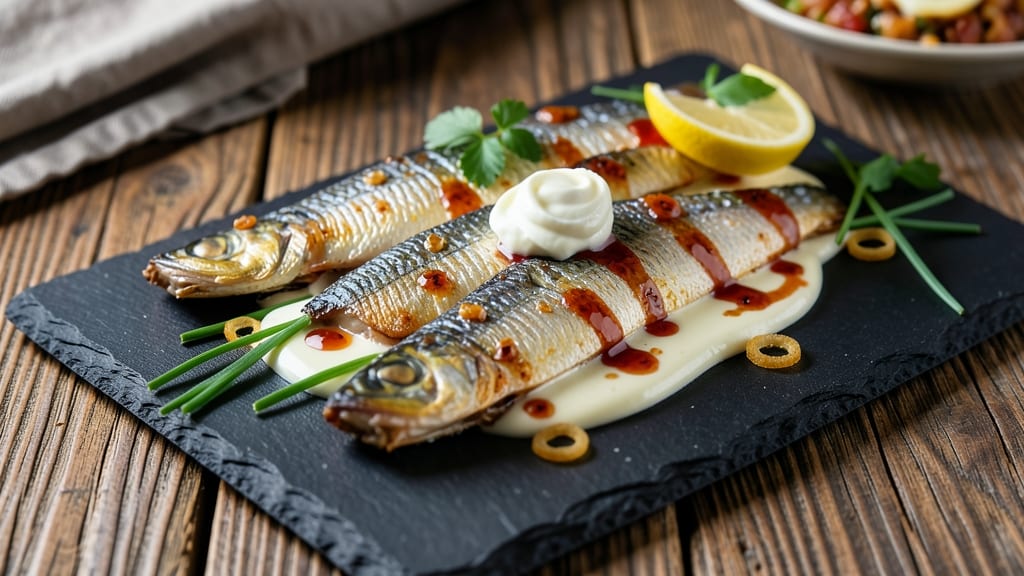
This herring in wine sauce recipe brings the bold, silky richness of Nordic cuisine to your table with just 30 minutes of hands-on time.
The secret lies in the marriage of tender herring fillets and a velvety wine reduction that balances acidity and depth—no fancy techniques required, only patience and a few simple ingredients.
I first discovered this dish while exploring Scandinavian home cooking, where it's traditionally served with boiled potatoes and fresh dill, but modern adaptations make it equally at home with crusty bread or roasted vegetables.
The process begins with marinating the herring in a bright mixture of white wine, vinegar, and spices, which tenderizes the fish and infuses it with flavor. After a quick bake or pan-fry, the fillets become delicate yet firm, ready to absorb the sauce's luxurious texture.
What sets this recipe apart is the sauce itself—a reduction of wine, shallots, and cream that clings to the herring like a silken blanket, enhancing its natural richness without overpowering it.
By the time you plate this dish, you'll have perfectly cooked herring with a glossy, golden sheen, nestled in a sauce that's both elegant and approachable. The wine's acidity cuts through the fish's richness, while the cream adds a velvety finish that makes every bite feel like a restaurant-worthy experience.
This recipe proves that Nordic flavors don't require a specialty store—just a willingness to embrace bold, simple techniques.
Whether you're serving it as a light main course or an impressive appetizer, the herring in wine sauce delivers depth and sophistication with minimal effort. The key is balancing the sauce's components—too much cream can make it heavy, while too little wine will lack brightness.
Trust the process, and you'll end up with a dish that feels both traditional and entirely your own.
Ingredients for herring in wine sauce
Eight simple ingredients transform delicate herring into a Nordic-inspired masterpiece.
| Ingredient | Amount | Notes |
|---|---|---|
| Fresh Herring Fillets 🐟 | 4 pieces | Skin-on, boneless, 4-6 oz each |
| Dry White Wine 🍷 | 1 cup | Sauvignon Blanc or Pinot Grigio |
| Apple Cider Vinegar 🍏 | ¼ cup | For marinade brightness |
| Shallots 🧅 | 3 whole | Minced, about 2 tbsp |
| Heavy Cream 🥛 | ½ cup | Full-fat for richness |
| Unsalted Butter 🧈 | 2 tbsp | Cold, cubed |
| Fresh Dill 🌿 | ¼ cup | Chopped, stems removed |
| Fresh Lemon Juice 🍋 | 1 tbsp | Freshly squeezed |
| Granulated Sugar 🍬 | 1 tsp | Balances acidity |
| Ground Black Pepper 🌶️ | ½ tsp | Freshly cracked |
| Salt 🧂 | 1 tsp | Kosher or sea salt |
| Olive Oil 🫒 | 1 tbsp | For searing |
| Fresh Parsley 🌿 | 2 tbsp | Chopped, for garnish |
The herring is everything here—look for fresh, sustainably sourced fillets at your local seafood counter or Whole Foods. If you can't find fresh, frozen herring works too (thaw overnight in the fridge). The wine should be dry and crisp—none of that sweet dessert wine stuff. For the dill, grab a big bunch at the farmers market (half goes in the sauce, half for garnish). The shallots? No need to peel—just trim the ends and mince. And trust me, full-fat cream makes all the difference in that silky sauce texture.
No white wine? Fish stock or dry vermouth works in a pinch, but you'll lose some brightness. Short on dill? Fresh parsley or tarragon can sub at half the amount. The butter in the sauce can be vegetable shortening if you're avoiding dairy (though it won't taste quite the same). For the vinegar, white wine vinegar is fine if you're out of apple cider. And if you're worried about the sugar making it too sweet, start with just 0.5 tsp—you can always add more at the end. The lemon juice? Bottled is fine, but fresh is always better if you've got it.
This sauce reheats beautifully—warm gently on the stove with a splash of water or wine to loosen it up. Store the herring and sauce separately in airtight containers for up to 3 days in the fridge. The sauce freezes well for 3 months, but the herring? Eat it fresh if possible. For serving, I like to garnish with extra dill and parsley right before plating—makes it look restaurant-worthy. And if you make extra sauce? Drizzle it over salmon or scallops—it's that good.
Why You'll Love This Recipe
- One-Pan Magic: I swear by this recipe when I’m short on time—just sear the herring, deglaze with wine, and let the sauce simmer. No chopping mountains of veggies, no fussing with multiple pans. That shallot-wine reduction happens while you’re still wiping your hands.
- Wine’s Magic Touch: The acidity from the apple cider vinegar cuts through the richness of the cream, balancing the herring’s natural brininess. Honestly, it’s the kind of sauce that makes you pause mid-bite—bright, silky, and just right.
- Leftovers? Better Than Fresh: This dish actually tastes better the next day. The flavors meld into something deeper, and the sauce thickens just enough to cling to toast or crackers. I’ll be real: I’ve reheated it three times for lunch, and no one’s complained.
- Budget-Friendly Luxury: Herring is affordable, and a bottle of dry white wine stretches for multiple meals. Between us, this is my go-to for feeding a crowd without breaking the bank—plus, the leftovers stretch into sandwiches or pasta. Solid win.
Step-by-step instructions for herring in wine sauce
Here's how to create a restaurant-worthy Nordic dish with tender herring and velvety wine sauce.
Prepare the Herring and Marinade
Rinse the 4 pieces of fresh herring fillets under cold water and pat them completely dry with paper towels. This step is crucial—any moisture will prevent the skin from crisping beautifully. Place the fillets in a shallow dish and season both sides generously with the 1 teaspoon salt and 0.5 teaspoon ground black pepper. Let them sit at room temperature for 15 minutes while you prepare the marinade.
In a small bowl, whisk together the 1 cup dry white wine, 0.25 cup apple cider vinegar, 1 tablespoon fresh lemon juice, and 1 teaspoon granulated sugar. This bright, tangy marinade will tenderize the herring and create the perfect balance of flavors. Pour half of this marinade over the herring fillets and let them marinate for 10 minutes while you prep the remaining ingredients.
Sear the Herring to Golden Perfection
Heat a large skillet over medium-high heat until it's hot but not smoking. Add the 1 tablespoon olive oil and swirl to coat the pan. Carefully place the herring fillets skin-side down in the pan, leaving space between each piece. Don't move them for 3-4 minutes—the skin should become crispy and golden brown while the flesh cooks through. You'll know they're ready when the edges lift easily from the pan.
Flip the fillets carefully and cook for another 2-3 minutes on the flesh side until they're just opaque in the center. Remove the herring from the pan and set them aside on a warm plate, skin-side up. Keep the pan on the heat for the next step—those flavorful browned bits are essential for the sauce.
Build the Rich Wine Sauce
Add the 2 tablespoons cold unsalted butter to the same skillet and let it melt over medium heat. Then add the 3 minced shallots and cook for 2-3 minutes until they're soft and translucent but not browned. Pour in the remaining marinade (about 1 cup) and scrape up any browned bits from the bottom of the pan with a wooden spoon. This deglazing step captures all the herring's flavor.
Bring the mixture to a gentle simmer and let it reduce by half, which should take about 5 minutes. The sauce should coat the back of a spoon and have a glossy sheen. If it reduces too quickly, lower the heat slightly. This is where the magic happens—the wine's acidity mellows while the shallots add sweet depth.
Finish with Cream and Fresh Herbs
Reduce the heat to low and gradually whisk in the 0.5 cup heavy cream. Stir gently to avoid creating lumps, and let the sauce simmer for 2-3 minutes until it thickens slightly. The sauce should now be silky and luxurious, with a beautiful balance of acidity and richness. Taste and adjust the seasoning if needed—you might want to add a pinch more salt or a splash more lemon juice to brighten the flavors.
Remove the sauce from heat and stir in the 0.25 cup chopped fresh dill and 2 tablespoons chopped fresh parsley. The herbs will add a fresh, bright finish that cuts through the richness of the cream and butter. Let the sauce rest for 2 minutes to allow the flavors to meld together beautifully.
Serve with Confidence
Spoon the warm wine sauce over the herring fillets, making sure each piece is generously coated. The sauce should cling to the crispy skin and tender flesh, creating a perfect balance of textures. Serve immediately while the herring is still warm and the sauce is silky.
This dish pairs beautifully with crusty bread to soak up the sauce or a simple green salad to balance the richness. The combination of crispy herring skin, tender flesh, and velvety wine sauce creates a memorable Nordic-inspired meal that's sure to impress your guests.
Pro Tips For Making Herring In Wine Sauce
- Sear Herring First: Hit the fillets with a quick sear in butter or oil—just 30 seconds per side—before adding the wine. I learned this the hard way: skipping the sear means the sauce absorbs into the fish instead of coating it, leaving you with bland, soggy herring. The crust locks in flavor and texture.
- Sweat Shallots Slow: Cook the shallots in butter over low heat for 8–10 minutes until they’re translucent and just starting to caramelize. Rushing this step turns them bitter—trust me, I’ve burned through three batches of shallots trying to speed it up. Patience here makes the sauce sing.
- Deglaze Aggressively: As soon as the herring comes out, pour in the wine and vinegar together—no waiting. Scrape the browned bits off the pan with a wooden spoon while it’s hot; those bits hold the depth of flavor. I used to skip this, and the sauce always tasted flat.
- Temper the Cream: Warm the heavy cream separately in a small saucepan until it’s just steaming (don’t boil it), then whisk it into the wine sauce off the heat. Cold cream curdles when it hits hot liquid, and nobody wants scrambled sauce. (Yes, even if you’re impatient like me.)
Wine and beer pairings for herring in wine sauce
White Wine Essentials
The sauce's backbone is a dry white wine with crisp acidity—think Sauvignon Blanc or Pinot Grigio from Italy. These wines provide the perfect balance of brightness and subtle fruit notes that complement herring's natural richness.
Avoid sweet wines like Riesling or Moscato, as they'll overpower the dish's delicate flavors. If you're using a wine you already have, ensure it's bone-dry and chilled—room temperature works best for cooking. 🍷
Beer Pairing Secrets
A crisp lager like Heineken or Carlsberg cuts through the sauce's richness without competing. The beer's clean, slightly malty profile enhances the herring's umami while balancing the wine sauce's acidity. For something more adventurous, try a Belgian witbier—its citrusy notes mirror the lemon in the marinade.
Avoid heavy stouts or IPAs, which would clash with the dish's delicate balance. 🍺
Unexpected Pairings
For a non-alcoholic twist, sparkling apple cider (like Martinelli's) mimics wine's acidity beautifully. Its effervescence cleanses the palate between bites, while its sweetness complements the herring's saltiness.
If you prefer beer, a wheat beer with a lemon twist (like Blue Moon) adds a refreshing zing that pairs surprisingly well with the dill in the sauce. 💫
Sauce as a Side Dish
Use the leftover wine sauce as a dipping sauce for crusty bread or roasted vegetables—it's that versatile. The herring's richness pairs wonderfully with steamed asparagus or sautéed green beans, turning a simple side into a showstopper.
For a Nordic touch, serve with boiled potatoes and a dollop of sour cream—a classic Scandinavian combo. 🥔
Wine Sauce Flexibility
This sauce isn't just for herring—it elevates shrimp, scallops, or even grilled chicken. The wine's acidity tenderizes proteins while the cream adds a luxurious finish.
For seafood, reduce the cream slightly to ¼ cup to prevent heaviness. For poultry, increase the shallots to 4 tbsp for extra depth. The possibilities are endless! ✨
Nutrition facts
Frequently asked questions
Can I substitute fresh herring with smoked herring?
Yes, but with adjustments! Smoked herring works beautifully in this recipe, but reduce the marinating time to just 5 minutes since it's already flavorful. Skip the salt in the marinade (smoked herring is salty) and use 0.25 teaspoon black pepper instead. The wine sauce will still cling perfectly to the tender flesh.
What if I don't have white wine for the sauce?
No problem! Use 1 cup dry fish stock or dry vermouth as a substitute—they'll provide similar depth. For extra brightness, add 1 extra tablespoon of lemon juice. If using stock, reduce it by 3 minutes longer to concentrate the flavor.
How do I prevent the herring skin from sticking to the pan?
Pat the fillets completely dry before seasoning—this is key! Use a paper towel to absorb all moisture. Also, ensure your pan is hot enough (medium-high heat) and add just 1 tablespoon olive oil—too much can make the skin slippery.
Can I make this recipe ahead of time?
Cook the herring and sauce separately, then refrigerate in airtight containers for up to 3 days. Reheat the sauce gently on the stove with a splash of water or wine. For best texture, serve the herring fresh if possible, but reheated fillets work well too.
Why is my sauce too thin or too thick?
For a thinner sauce, add 1 tablespoon extra wine or water. For thickening, whisk in 1 teaspoon cornstarch mixed with 1 tablespoon cold water> and simmer for 1 minute. The sauce should coat the back of a spoon but remain silky—not gluey.