
Sauces & Condiments
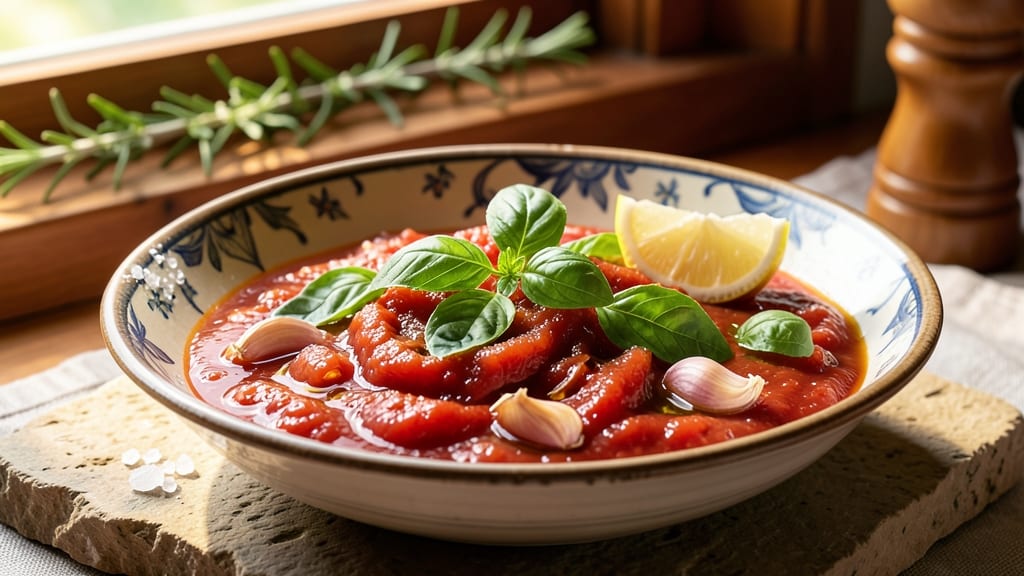
This fresh tomato sauce recipe transforms ripe garden tomatoes into a vibrant, bright condiment that preserves their natural sweetness and acidity—no long simmering required. ✨ The secret lies in a quick blend of raw tomatoes, garlic, basil, and olive oil, creating a versatile sauce that works as a pasta topping, pizza base, or dip.
I developed this recipe after years of struggling with watery tomato sauces that lost their fresh flavor during cooking.
What sets this sauce apart is its simplicity and flexibility. You'll need just five core ingredients, and the process takes less than 15 minutes—perfect for weeknight meals when you crave restaurant-quality flavor without the effort.
The sauce maintains a bright, fresh taste because we avoid overcooking, letting the natural sweetness of the tomatoes shine through while balancing it with aromatic garlic and fresh basil.
Once blended, this sauce delivers a velvety texture with just enough body to cling to pasta or pizza crust, yet light enough to use as a refreshing dip for bread or bruschetta. The best part?
It keeps beautifully in the refrigerator for up to five days, or you can preserve it through canning for long-term storage. This is the kind of sauce that transforms ordinary meals into something special with minimal effort.
Use it immediately on fresh pasta, drizzle over grilled vegetables, or serve as a dip with crusty bread. The possibilities are endless, and the flavor is always fresh. Let's get started on this bright, vibrant sauce that proves you don't need hours in the kitchen to create something extraordinary.
Ingredients for fresh tomato sauce recipe with fresh tomatoes
Five simple ingredients preserve fresh tomatoes' vibrant flavor without cooking them down.
| Ingredient | Amount | Notes |
|---|---|---|
| Ripe Tomatoes 🍅 | 2 lbs | Vine-ripened, seeds removed |
| Fresh Basil Leaves 🌿 | 1 cup | Packed, stems removed |
| Garlic Cloves 🧄 | 6 cloves | Peeled, slightly crushed |
| Extra-Virgin Olive Oil 🫒 | ½ cup | High quality, fruity |
| Lemon Juice 🍋 | 2 tbsp | Freshly squeezed |
| Sea Salt 🧂 | 1 tsp | Fine grain preferred |
| Black Pepper 🌶️ | ½ tsp | Freshly ground |
| Balsamic Vinegar 🍷 | 1 tbsp | For depth of flavor |
Tomatoes are the star—look for deep red, slightly soft ones at the grocery store or farmers market. The riper, the sweeter. Heirloom varieties like Brandywine or Roma add extra depth, but any ripe tomato works. Avoid green or firm ones—they won't have that juicy sweetness we're after. Basil should be bright green with no brown spots; Trader Joe's or local markets usually have the freshest. Garlic cloves should be firm and papery-skinned—no sprouting or soft spots. For the olive oil, California extra-virgin brands like Corto or Lucini elevate the flavor without overpowering.
No fresh basil? Dried basil at half the amount works in a pinch, but fresh is ideal for that bright flavor. Short on tomatoes? Canned San Marzano tomatoes (drained well) can stretch the recipe, but you'll lose some of that fresh garden taste. The balsamic vinegar adds depth—aged 10+ years is best, but regular works fine. Want more umami? Add a pinch of red pepper flakes. The lemon juice can be bottled, but fresh is always better. If you're using a blender, cut tomatoes into chunks first for even blending.
This sauce keeps beautifully—5 days in the fridge sealed tightly. For longer storage, freeze in ice cube trays and transfer to a bag. Thaw overnight in the fridge. The texture will separate slightly after freezing, but just blend again. The sauce tastes even better the next day as flavors meld. Portion into small containers for easy use—perfect for lunches or quick meals. If it thickens too much, stir in a splash of water or olive oil to loosen it up.
Why You'll Love This Recipe
- No Chopping Needed: I swear by this recipe on days when I’m too tired to dice tomatoes. Just halve them, crush them with your hands, and let the stove do the work—no knife skills required.
- Taste Like Summer: That bright burst of lemon juice and fresh basil? It’s like a sun-drenched Italian terrace in your mouth. The garlic mellows into something rich, but the acidity keeps it from overpowering—just the right balance.
- Pasta’s Best Friend: Drizzle it over al dente spaghetti, toss it with grilled chicken, or serve it as a dip with crusty bread. Honestly, I’ve used it for everything from weeknight suppers to picnic spreads, and it never lets me down.
- Fridge Hero: Make a big batch on Sunday, and you’ll have a flavorful base for days. The sauce actually improves overnight—deeper, richer, and still vibrant. Plus, it’s cheap to make; a few tomatoes and a handful of basil stretch to feed four for next to nothing.
Step-by-step instructions for fresh tomato sauce
Here's how to make a vibrant, bright tomato sauce that keeps all the fresh flavor—no long simmering required.
🍳 Step 1: Pulse Tomatoes and Basil into a Rough Paste
Place the 2 lbs ripe tomatoes (seeds removed) and 1 cup fresh basil leaves in a food processor. Pulse in short bursts until you get a chunky, uneven texture—think of it like a thick salsa rather than a smooth sauce. You want to preserve some texture to keep that fresh garden flavor.
Stop when the mixture looks like it has both small chunks and some smooth areas. Avoid over-processing or you'll lose that bright tomato freshness. I like to taste it at this stage—it should be sweet, juicy, and bursting with tomato flavor. This is your flavor baseline before adding anything else.
👨🍳 Step 2: Add Garlic, Olive Oil, and Acid Components
Transfer the tomato-basil mixture to a large bowl. Add the 6 cloves peeled garlic (slightly crushed), 0.5 cup extra-virgin olive oil, 2 tbsp lemon juice, 1 tbsp balsamic vinegar, 1 tsp sea salt, and 0.5 tsp black pepper. Stir everything together with a wooden spoon until fully combined.
The lemon juice and balsamic vinegar are key here—they brighten the tomatoes and balance any richness from the olive oil. I like to taste the mixture again at this point. The acidity should make your mouth water, and the garlic should be aromatic but not overpowering. If you want to get fancy, you can strain out some of the seeds for a smoother texture, but I prefer to leave them for extra depth.
⏰ Step 3: Let the Flavors Marinate Together
Cover the bowl and let the sauce sit at room temperature for at least 30 minutes—I usually do this for 1 hour if I have time. This resting period allows all the flavors to meld together beautifully. You'll notice the garlic softens slightly and the tomatoes release more of their juices, creating a more cohesive sauce.
During this time, the acidity from the lemon and vinegar will continue to brighten the tomatoes, while the olive oil helps distribute all the flavors evenly. Don't skip this step—it's what transforms a simple mixture into a truly flavorful sauce. If you're short on time, you can refrigerate it for 15 minutes to speed up the process slightly.
🥘 Step 4: Adjust Seasoning and Serve Immediately
After the resting period, give the sauce another taste. This is your chance to adjust the seasoning—add a pinch more salt if needed, or a splash more lemon juice if you want it brighter. The sauce should be vibrant red with some green flecks from the basil, and it should taste fresh, bright, and perfectly balanced.
Serve the sauce immediately over your favorite pasta, drizzled with a little more olive oil and fresh basil leaves. The texture should be thick but still saucy, with visible tomato chunks that burst with flavor. If you need to store it, keep it refrigerated for up to 3 days—it actually tastes better the next day as the flavors continue to develop.
Pro Tips For Making Fresh Tomato Sauce Recipe With Fresh Tomatoes
- CRUSH TOMATOES BY HAND: I used to blast them in a food processor, but crushing by hand with your fingers—yes, even the skins—releases more flavor and keeps the sauce chunkier. The skins add texture, and the effort makes the sauce taste like it came from a sun-drenched Italian garden.
- SALT THE TOMATOES FIRST: Toss halved tomatoes with a generous pinch of salt (about 1/2 tsp per pound) and let them sit for 10 minutes before cooking. This draws out excess water and intensifies their sweetness—no one wants a watery sauce, especially when you’re using fresh tomatoes.
- LOW AND SLOW AFTER BOIL: Start with high heat to blister the garlic, but once everything’s in the pot, drop the heat to a simmer. Rushing this step turns the sauce into a sad, thin mess. A steady simmer for 20-25 minutes lets the flavors meld without breaking down the tomatoes into mush.
- STIR IN BASIL LATE: Add the basil leaves in the last 5 minutes of cooking—right when you’re ready to serve. Fresh basil wilts and loses its bright flavor if it sits in hot sauce too long. Tear the leaves by hand instead of chopping; they’ll release aroma better and look prettier on top.
Essential equipment for great fresh tomato sauce recipe with fresh tomatoes
Food Processor
This is the most essential tool for your fresh tomato sauce—it's what transforms raw tomatoes into a velvety, chunky sauce without losing that bright, fresh flavor. I recommend a high-quality blender or food processor like the Ninja BN601 or Cuisinart DFP-14BCNY.
These handle the tomatoes' natural juices beautifully and create that perfect chunky texture we want. Avoid cheap blenders—they struggle with thick, juicy ingredients and often leave you with a watery mess. 🍅
Measuring Tools
Precision matters when balancing flavors in fresh tomato sauce. Use a stainless steel measuring cup for the olive oil and a small glass measuring spoon for the salt and pepper. I keep a OXO Good Grips set on hand—they're durable and easy to read.
For the tomatoes, a kitchen scale (like the Escali Primo) ensures consistency, though eyeballing works if you're experienced. Don't skip measuring the lemon juice and balsamic—these acid components make or break the sauce's brightness.
Wooden Spoon
A wooden spoon (I love the OXO Good Grips version) is perfect for stirring the sauce after blending. Wood won't react with the acidity like metal can, and it's gentle on your non-stick bowls. Use it to combine all ingredients thoroughly and scrape up any stuck-on bits from the sides.
Pro tip: Soak wooden spoons in hot, soapy water after use—they clean up easily and last for years. This is the tool I reach for every time I make this sauce.
Fine-Mesh Strainer
For a smoother sauce without losing flavor, a fine-mesh strainer (like the EZ Clean Strainer) lets you remove seeds while keeping the juicy pulp. If you prefer texture, skip this step entirely—just pulse the tomatoes until chunky. I keep one in my kitchen specifically for sauces like this.
When straining, press gently with a spoon to extract maximum juice. This is optional but worth it if you're serving the sauce over delicate dishes like caprese salad.
Glass Storage Containers
Fresh tomato sauce keeps best in airtight glass containers with tight-sealing lids. I use Le Parfait jars for short-term fridge storage (up to 5 days) and Ball mason jars for longer preservation. Glass preserves flavor better than plastic and won't absorb odors.
For freezing, portion into 1-cup portions—this makes it easy to thaw exactly what you need. Label containers with dates to track freshness. The glass containers I use are from my local Williams Sonoma store, but any quality brand works.
Nutrition facts
Frequently asked questions
Can I use green tomatoes in this fresh tomato sauce?
Green tomatoes are too tart and firm for this recipe—they won't soften properly and will make the sauce overly acidic. Look for fully ripe tomatoes that yield slightly when gently pressed. If you must use green tomatoes, roast them first to mellow their flavor, but expect a different taste profile.
How do I adjust the thickness of this sauce?
If the sauce is too thin, let it sit uncovered in the fridge for 1-2 hours—the liquid will separate and reduce naturally. For a quicker fix, simmer it gently for 5-10 minutes (though this will mellow the fresh flavor). If too thick, stir in 1-2 tablespoons water or olive oil to loosen it up.
Can I make this sauce ahead of time?
Yes! This sauce actually tastes better after resting. Make it 1-2 days ahead and store in an airtight container in the fridge. The flavors meld beautifully over time. For longer storage, freeze in 1-cup portions—thaw overnight in the fridge and stir before using. The texture may separate slightly after freezing, but blend briefly to restore it.
What if my tomatoes are too watery?
Drain the tomatoes before blending by cutting them in half and scooping out the seeds and excess liquid. For extra insurance, line a colander with a clean kitchen towel, place the halved tomatoes on it, and let them drain for 10 minutes before processing. This removes excess moisture while keeping all the flavorful pulp.
Can I substitute other herbs besides basil?
Try 1 tbsp oregano or thyme for a Mediterranean twist, or 1 tbsp fresh parsley for a lighter taste. For a smoky flavor, add ½ tsp smoked paprika. Just remember that basil's bright, slightly sweet flavor is what makes this sauce special—any substitution will change the profile slightly.