
Sauces & Condiments
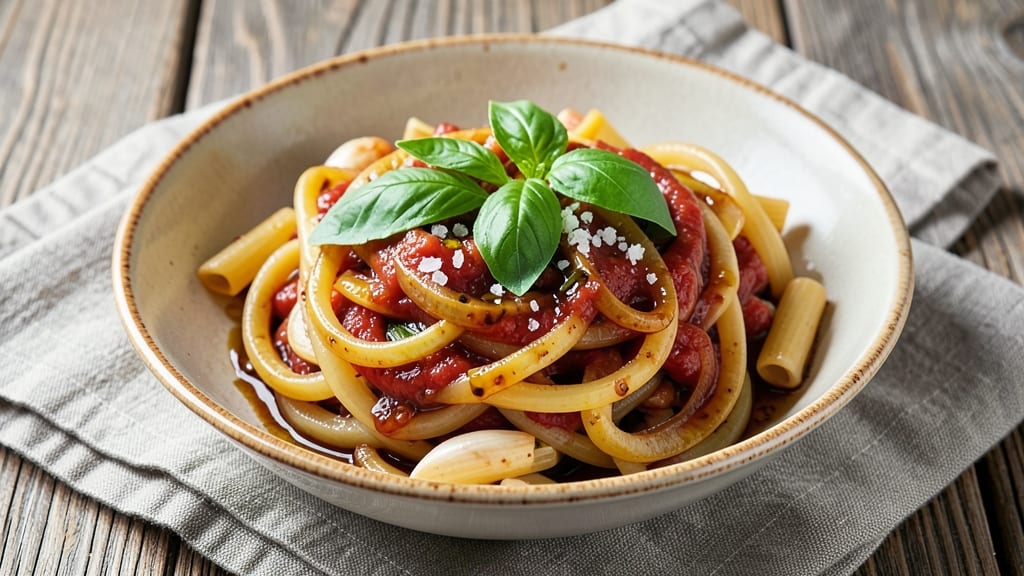
This balsamic vinegar pasta sauce transforms simple ingredients into a rich, caramelized masterpiece with just 30 minutes of simmering. The secret lies in slow-cooked onions and a balance of tangy balsamic with sweet tomato depth—creating a sauce that elevates any pasta dish.
Perfect for weeknight dinners or meal prep, this versatile condiment works as both a main sauce and a bold table accompaniment.
What sets this sauce apart is the caramelization process, where onions develop a deep, sweet complexity that pairs beautifully with the vinegar's acidity. A touch of tomato paste adds body, while garlic and herbs infuse layers of flavor without overpowering.
The result is a smooth, velvety sauce with just the right balance of sweet, tangy, and umami notes.
Ready in just 30 minutes, this sauce requires minimal effort but delivers restaurant-quality richness. The slow simmer allows flavors to meld perfectly, creating a sauce that clings to pasta while remaining light enough for dipping.
Whether tossed with spaghetti or drizzled over grilled chicken, it brings depth to every bite.
Store leftovers in the fridge for up to 5 days, or freeze for longer shelf life—making it ideal for busy schedules. The key to success is patience during the simmering stage, ensuring the onions caramelize fully for that signature depth. Let’s get cooking!
Ingredients for balsamic vinegar pasta sauce
Caramelized onions and balsamic create this velvety sauce's signature depth and balance.
| Ingredient | Amount | Notes |
|---|---|---|
| Yellow Onions 🧅 | 2 large | Thinly sliced for even caramelization |
| Balsamic Vinegar 🍷 | ½ cup | High-quality aged balsamic |
| Tomato Paste 🍅 | 2 tbsp | Smooth texture preferred |
| Garlic Cloves 🧄 | 4 cloves | Minced for aromatic depth |
| Extra-Virgin Olive Oil 🫒 | ¼ cup | Fruity, high-quality preferred |
| Dried Basil 🌿 | 1 tbsp | Or 0.25 cup fresh basil leaves |
| Dried Oregano 🍃 | 1 tsp | Italian or Mediterranean variety |
| Salt 🧂 | 1 tsp | Diamond Crystal preferred |
| Black Pepper 🌶️ | ½ tsp | Freshly ground for best flavor |
| Butter 🧈 | 2 tbsp | Unsalted for flavor control |
The onions are the foundation—slow-cooking them until deep golden transforms their sweetness into the sauce's soul. Whole Foods or local markets often carry larger onions ideal for caramelization. For best results, slice them evenly and cook them low and slow, stirring occasionally to prevent burning. The balsamic vinegar should be aged at least 12 years for that rich, complex flavor profile—look for 'Aceto Balsamico Tradizionale di Modena' labels when shopping. Fresh garlic cloves should be firm and free of sprouts, while the olive oil should have a peppery finish rather than a harsh bite.
No aged balsamic? Substitute with 2 tbsp red wine vinegar plus 1 tbsp brown sugar for tangy depth. Fresh basil is ideal but dried works at one-third the amount—just crush it between your fingers first to release the oils. Short on time? Pre-minced garlic from a jar saves steps, though fresh is superior. The tomato paste can be swapped for 1 cup crushed tomatoes if you prefer a chunkier texture. For extra richness, add 1 tbsp heavy cream at the end, though it's not traditional. The butter at the finish adds a luxurious touch—don't skip it if you want that restaurant-quality sheen.
This sauce keeps beautifully—transfer to an airtight container and store in the fridge for up to 5 days. The flavors actually deepen overnight, making it perfect for meal prep. For longer storage, freeze in ice cube trays—thaw and reheat gently for best texture. Leftovers reheat best in a saucepan over medium-low heat, stirring occasionally. Avoid microwaving as it can break the sauce's silky consistency. Portion into small jars for easy use on pasta, grilled meats, or as a dipping sauce—it's that versatile.
Why You'll Love This Recipe
- Five-Ingredient Magic: I swear by this sauce because it’s the kind of recipe where you actually use what’s already in your pantry. No specialty items, no last-minute grocery runs—just onions, garlic, and that one bottle of balsamic you’ve been meaning to finish.
- Sweet-Savory Balance: The balsamic vinegar caramelizes into something rich and tangy while the tomato paste deepens the flavor without overpowering. Honestly, the first time I tasted it, I thought, “Why haven’t I been doing this all along?”
- Weeknight to Dinner Party: Between us, this sauce works just as well tossed with spaghetti for a lazy Tuesday as it does drizzled over grilled chicken for guests. I’ve even used it as a marinade—versatile enough to handle whatever you throw at it.
- Leftovers That Don’t Let You Down: Make a big batch and refrigerate it for up to five days. The flavors only get better as it sits, and reheating it? Just a splash of water and a stir. My freezer’s full of jars of this stuff because it’s cheaper than takeout and way tastier.
Step-by-step instructions for balsamic vinegar pasta sauce
This method delivers rich, caramelized depth with perfectly balanced acidity and sweetness.
Caramelize the Onions to Golden Perfection
Heat the 0.25 cup extra-virgin olive oil in a large saucepan over medium-low heat. Add the 2 large yellow onions, sliced thinly, and cook undisturbed for 15 minutes until they soften and begin to release moisture. This slow process is crucial—it develops the sweet, jammy texture that forms the sauce's foundation.
After 15 minutes, stir the onions gently with a wooden spoon. The moisture should evaporate quickly, leaving behind golden brown patches. Continue cooking for another 10-12 minutes, stirring occasionally, until the onions are deeply caramelized with a rich, amber color. You'll notice the aroma intensify as they develop complex sweetness. If the onions brown too quickly, reduce the heat slightly to prevent burning.
Add Aromatics and Tomato Paste for Depth
Once the onions are caramelized, push them to one side of the pan and add the 2 tbsp butter. Melt the butter completely, then add the 4 cloves garlic, minced, and cook for 30 seconds until fragrant. This step ensures the garlic infuses the butter without burning, adding another layer of aromatic complexity.
Stir the garlic and butter into the onions, then add the 2 tbsp tomato paste. Cook for 2-3 minutes, stirring constantly, until the tomato paste darkens slightly and blends seamlessly with the onions. This creates a rich, umami base that balances the acidity of the balsamic vinegar. The sauce should thicken slightly as the tomato paste cooks down, forming a glossy, cohesive mixture.
Deglaze with Balsamic Vinegar for Balance
Pour in the 0.5 cup balsamic vinegar and scrape the bottom of the pan with a wooden spoon to release any browned bits. This deglazing step captures all the concentrated flavors you've built so far. Let the vinegar simmer for 5-7 minutes over medium heat, stirring occasionally, until it reduces by about half and coats the back of a spoon.
As the vinegar reduces, it will transform from a sharp acidity to a sweet, syrupy depth. You'll see the sauce thicken and darken, developing a glossy sheen. Taste at this stage—you should notice a harmonious balance of sweetness, acidity, and umami. If the sauce is too thick, add 1-2 tablespoons of water to reach your desired consistency.
Season and Simmer to Perfection
Add the 1 tbsp dried basil, 1 tsp dried oregano, 1 tsp salt, and 0.5 tsp black pepper. Stir well to combine, then let the sauce simmer gently for 3-5 minutes to allow the flavors to meld. The spices will bloom, adding warmth and herbal notes that complement the balsamic's tang.
Taste again and adjust the seasoning if needed. The sauce should be well-balanced, with the balsamic's sweetness and acidity shining through, the caramelized onions adding depth, and the herbs providing freshness. If you prefer a smoother texture, strain the sauce through a fine-mesh sieve to remove any herb bits or onion pieces. Serve immediately over your choice of pasta, tossing gently to coat each strand.
Pro Tips For Making Balsamic Vinegar Pasta Sauce
- COOK ONIONS LOW AND SLOW: I learned this the hard way—cranking the heat to caramelize onions too fast just burns them before they soften. Keep it at medium-low for 15-20 minutes, stirring occasionally, until they’re deep golden and syrupy. That’s when the balsamic’s sweetness will shine.
- PEEL GARLIC IN ADVANCE: Sounds weird, but it works: peel all your garlic cloves while the onions cook. No last-minute scrambling to chop them when the pan’s hot, and you’ll actually use every clove instead of burning half.
- DEGLAZE WITH VINEGAR FIRST: Skip the water splash—pour in 2 tablespoons of balsamic vinegar before adding tomato paste. It cuts through the onion’s stickiness immediately, giving you a smoother base. Save the rest for later reduction.
- STIR CONSTANTLY WHILE REDUCING: After adding tomato paste, resist the urge to walk away. Stir vigorously for 2-3 minutes until it darkens—this prevents clumping and ensures even flavor distribution. I was skeptical until I tried it.
Make-ahead tips for balsamic vinegar pasta sauce
Prep Ahead for Pasta
Make this sauce 2 days in advance for maximum flavor development. The caramelized onions continue to deepen in complexity when stored, and the balsamic vinegar's acidity mellows into sweetness. I always prepare a double batch on Sundays—it’s perfect for meal prep.
Store in an airtight container in the fridge, and reheat gently on the stove before tossing with pasta. 💫
Freeze for Later Use
Portion the sauce into ice cube trays for easy thawing—just pop out what you need for a quick meal. Each cube makes about 2 tablespoons, ideal for drizzling over grilled chicken or tossing with linguine. For longer storage, transfer to freezer-safe bags and flatten to save space.
Thaw overnight in the fridge, then reheat on low heat to preserve texture. Label with the date—this sauce stays delicious for up to 3 months frozen. ❄️
Double Batch for Efficiency
This sauce scales perfectly—double the recipe for 4 servings and store half in the fridge, half in the freezer. I often make a big batch when I have fresh basil from my garden, as the flavor peaks during summer.
Use the fridge portion within 5 days for the best texture, while the frozen portion keeps for 3 months. The extra effort pays off when you’re short on time midweek. 💡
Reheat Like a Pro
Avoid microwaving—it ruins the sauce’s silky consistency. Instead, reheat in a saucepan over medium-low heat, stirring occasionally, until warmed through. If it thickens too much, add 1-2 tablespoons of water or pasta water to loosen.
For extra richness, stir in 1 tablespoon of butter at the end. This method keeps the sauce glossy and flavorful, just like fresh. 🔥
Use Beyond Pasta
This versatile sauce works as a dipping sauce for bread, a glaze for roasted vegetables, or a marinade for grilled meats. Store extra portions in small jars for quick access—it’s perfect for last-minute meals.
I love drizzling it over seared scallops or using it as a base for balsamic-glazed mushrooms. The possibilities are endless! 🍽️
Adjust Thickness as Needed
If the sauce seems too thick after reheating, thin it with pasta water, broth, or a splash of red wine. For extra body, simmer uncovered for 2-3 minutes to reduce it slightly.
The key is balance—you want it clingy enough for pasta but still smooth. Taste as you go, and adjust to your preference. This flexibility makes it work for any dish. ✨
Nutrition facts
Frequently asked questions
Can I use white balsamic vinegar instead of traditional balsamic?
White balsamic will give your sauce a lighter color and slightly milder flavor, but it lacks the deep caramelization of aged balsamic. For best results, use aged balsamic vinegar (12+ years)—it adds rich sweetness and complexity that white balsamic can't match. If you must substitute, reduce the white balsamic by 25% to concentrate the flavor.
How do I prevent the sauce from becoming too acidic?
Balance the acidity by adding more caramelized onions or a touch of sweetness like 1 tsp honey or brown sugar at the end. The key is patience—simmer the vinegar longer (10-12 minutes) to let it mellow. Also, ensure your onions are deeply caramelized before adding the vinegar to soften the sharpness.
What's the best pasta to pair with this sauce?
This rich, velvety sauce pairs beautifully with linguine, fettuccine, or pappardelle—their flat surfaces catch the sauce better than round noodles. For extra texture, try bucatini or rigatoni, which hold the sauce in their hollows. Avoid al dente pasta—cook it 1 minute less than package instructions for optimal texture.
Can I make this sauce without tomato paste?
Yes! Swap the 2 tbsp tomato paste with 1 cup crushed tomatoes for a chunkier texture or 1 tbsp red wine reduction for deeper umami. If omitting entirely, add 1 extra tbsp butter at the end to maintain richness. The sauce will still work—just expect a slightly lighter body.
Why did my sauce turn out too thick?
This usually happens if the vinegar didn't reduce enough or the onions released too much moisture. Thin with 1-2 tbsp water, pasta water, or a splash of red wine while reheating. For future batches, simmer the vinegar longer (10-12 minutes) and stir more frequently to evaporate excess liquid.