
Sauces & Condiments
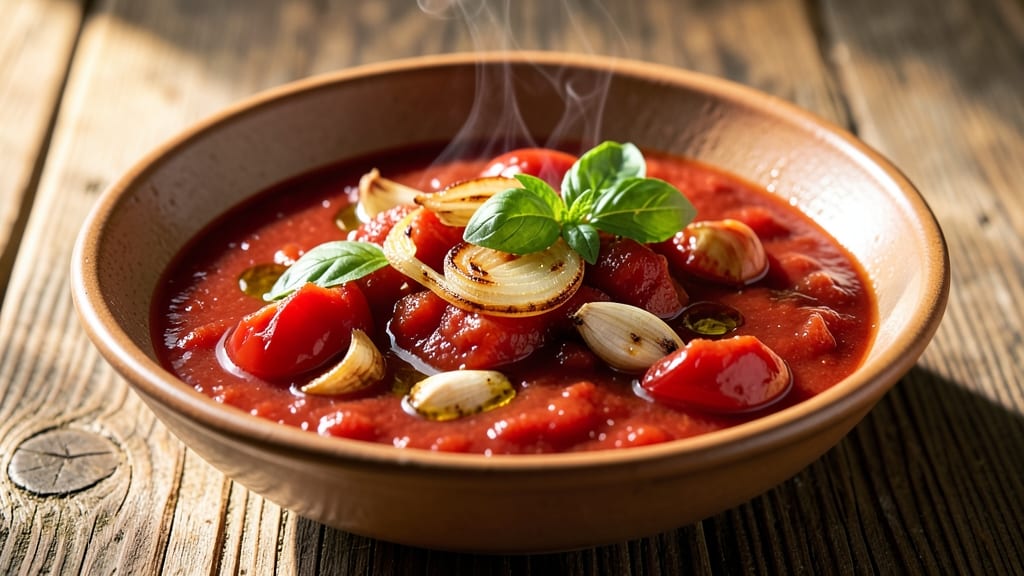
This fresh marinara sauce recipe with fresh tomatoes transforms simple ingredients into a bright, vibrant sauce that's perfect for pasta, pizza, or dipping. I developed it after growing my first heirloom tomatoes in Portland—there's nothing like the flavor of sun-ripened tomatoes in homemade sauce.
The secret lies in balancing acidity and sweetness while letting the tomatoes develop deep, complex flavors through slow simmering.
What sets this recipe apart is its simplicity and versatility. With just five core ingredients and 30 minutes of active time, you'll create a sauce that's restaurant-quality without the fuss. Fresh tomatoes take center stage, their natural sweetness enhanced by garlic, onion, and a touch of acidity from vinegar.
The sauce thickens beautifully as it simmers, creating that perfect consistency for tossing with pasta or topping your favorite pizza.
By the time you're done, you'll have a vibrant red sauce with layers of tomato flavor—sweet, tangy, and slightly herby—that stays fresh in the fridge for up to a week. The best part? This sauce adapts effortlessly to any Italian dish, from classic spaghetti to homemade lasagna.
It's the kind of sauce that makes every meal feel special, no matter how simple the rest of your ingredients might be.
For those who love experimenting, I've included variations in the tips section—think adding fresh basil at the end for brightness or blending in roasted garlic for depth.
The key is always fresh tomatoes, so don't compromise on quality. This sauce is your new weeknight hero, ready whenever inspiration (or hunger) strikes.
Ingredients for fresh marinara sauce recipe with fresh tomatoes
Sun-ripened tomatoes shine in this bright, vibrant marinara—just five ingredients, bold flavors.
| Ingredient | Amount | Notes |
|---|---|---|
| Fresh Tomatoes 🍅 | 2 ½ lbs | Heirloom or vine-ripened preferred |
| Yellow Onion 🧅 | 1 whole | Medium size, diced |
| Garlic Cloves 🧄 | 4 cloves | Fresh, peeled, minced |
| Extra-Virgin Olive Oil 🫒 | ¼ cup | High quality, fruity |
| White Wine Vinegar 🍋 | 2 tbsp | For brightness |
| Salt 🧂 | 1 ½ tsp | Diamond Crystal preferred |
| Black Pepper 🌶️ | ½ tsp | Freshly ground |
| Fresh Basil Leaves 🌿 | ¼ cup | Chopped, for finishing |
The tomatoes are everything here. Heirloom or vine-ripened make the biggest difference—skip the mealy grocery store ones. I grab mine from Portland Farmers Market when they're in season, but any sun-ripened variety works. Look for tomatoes that smell sweet and feel heavy for their size. If you can't find fresh, San Marzano canned tomatoes are the next best thing—they're sweeter and less acidic than regular canned tomatoes. For the garlic, fresh is non-negotiable—jarred minced garlic has a weird aftertaste. The olive oil should be fruity and peppery, not harsh. Ottolenghi or California Olive Ranch are my go-tos, but any good extra-virgin will do.
No fresh tomatoes? Canned San Marzano tomatoes work in a pinch—just crush them by hand instead of chopping. Swap white wine vinegar for lemon juice at half the amount if you're out, but the acidity balance will be slightly off. The onion can be subbed with 1/4 cup onion powder if you're in a rush, though fresh is better. Want more depth? Add 1/2 tsp dried oregano or a pinch of red pepper flakes. The basil is optional but adds that signature freshness—if you skip it, finish with a sprinkle of dried basil at 1/4 the amount. For a smoky twist, char the garlic in a dry pan before adding it to the sauce.
This sauce tastes even better the next day as the flavors meld. Store in an airtight container in the fridge for up to 7 days, or freeze for 3 months in ice cube trays for portion control. I always make double batches—one for the week and one to freeze. The sauce thickens as it cools, so don't worry if it looks too thin right after cooking. If it's too thick later, just stir in a splash of water or pasta water. And trust me, leftovers make the best pizza sauce—just reheat gently and add a drizzle of olive oil.
Why You'll Love This Recipe
- No Chopping Nightmare: I swear by this recipe because you only need to dice one onion and crush a few garlic cloves—no peeling, no seed-spitting tomato battles. The vinegar brightens the sauce while you’re still chopping, so it’s basically self-marinating.
- Sunshine in a Jar: That first spoonful of fresh tomato, caramelized onions, and a whisper of garlic in olive oil? It’s the kind of flavor that makes you pause mid-bite. Honestly, store-bought sauce can’t compete—this tastes like summer in a jar, no shortcuts.
- Pasta’s Best Friend: Slather it on spaghetti, toss it with grilled chicken, or use it as a pizza base—this sauce plays well with everything. I keep a jar in the fridge for lazy nights, and it never lets me down, whether I’m feeding two or six.
- Budget Magic: Fresh tomatoes and onions are cheaper than canned sauce, and a batch stretches for days. Between us, this is how I feed my family without breaking the bank—plus, the leftovers taste even better the next day.
Step-by-step instructions for fresh marinara sauce
Bright, vibrant sauce comes from fresh ingredients and simple technique—let's make it shine.
Prep and Sear the Aromatics
Heat the 0.25 cup extra-virgin olive oil in a large, heavy-bottomed pot over medium heat. Add the 1 whole yellow onion and cook for 5-6 minutes until softened and translucent. Here's the thing—don't rush this step. You want the onion to caramelize slightly at the edges, which builds deep flavor.
Add the 4 cloves garlic cloves and stir for 30 seconds until fragrant. Watch carefully—the garlic burns quickly! When it just begins to turn golden, remove the pot from heat for 1 minute to cool slightly. This prevents the sauce from becoming bitter later. I've learned this the hard way—bitter garlic ruins even the best tomatoes.
Cook the Tomatoes Until Broken Down
Return the pot to medium heat and add the 2.5 lbs fresh tomatoes. I like to crush them by hand with my fingers—this gives you a rustic texture without needing a food mill. If you prefer smoother sauce, pulse them briefly in a food processor first. Cook for 15-20 minutes, stirring occasionally, until the tomatoes break down into a thick, jammy consistency.
You'll see the sauce darken and thicken as the water content evaporates. This is where the magic happens—the tomatoes' natural sweetness concentrates. If the sauce gets too thick before the tomatoes break down completely, add 2-3 tablespoons of water to help along. The goal is thick but still slightly loose—it'll finish cooking later.
Season and Simmer for Depth
Add the 2 tbsp white wine vinegar, 1.5 tsp salt, and 0.5 tsp black pepper to the tomato mixture. Stir well and let the sauce simmer uncovered over low heat for 10-15 minutes. This slow cook reduces the sauce further and lets the flavors meld beautifully. You'll smell that bright, tangy aroma developing—this is your cue that the sauce is coming together.
Real talk: Taste the sauce now. It should be balanced—sweet from the tomatoes, bright from the vinegar, and savory from the aromatics. If it needs more acidity, add another ½ teaspoon of vinegar. If it needs more salt, add it gradually—you can always add more, but you can't take it out. The sauce should coat the back of a spoon with a glossy sheen.
Finish with Fresh Basil
Remove the pot from heat and stir in the 0.25 cup fresh basil leaves. The heat will release their aromatic oils, giving the sauce that signature fresh finish. Let the sauce sit for 5 minutes off the heat—this allows the basil to infuse fully without wilting into a bitter mess. I know it seems counterintuitive to turn off the heat, but trust me, it makes all the difference.
For the smoothest texture, use an immersion blender to blend the sauce briefly. If you prefer chunkier sauce, skip this step. The sauce should be vibrant red with a glossy finish. If it's too thick, thin with a splash of pasta water or reserved tomato juice. Serve immediately over your favorite pasta or save for later—this sauce tastes even better the next day!
Pro Tips For Making Fresh Marinara Sauce Recipe With Fresh Tomatoes
- Char, Don’t Simmer: Get that onion and garlic golden before adding tomatoes—actually golden, not just soft. I used to walk away too soon, and the sauce tasted dull. A quick 3-4 minutes on medium-high heat makes the flavor pop, even if it looks like you’re burning it (you’re not).
- Salt the Tomatoes: Toss halved tomatoes with a pinch of salt and let them sit 10 minutes before cooking. This draws out water and softens them faster—no mushy texture later. (Yes, even if you’re impatient like me.)
- Vinegar First: Deglaze the pan with white wine vinegar before adding tomatoes. It cuts through the onion’s sweetness and brightens the sauce right from the start. Skip this, and you’ll be chasing flavor with extra salt.
- Crush, Don’t Chop: Roughly crush tomatoes by hand—no food processor—so the sauce thickens naturally. The broken skins release more juice, but the texture stays rustic. (I tried blending once. Regretted it.)
Essential equipment for fresh marinara sauce recipe with fresh tomatoes
Heavy-Bottomed Pot
Your sauce starts in a large, heavy-bottomed pot—I swear by my Le Creuset Dutch oven for even heat distribution. A heavy pot prevents hot spots that can burn your sauce, especially when simmering tomatoes.
If you don’t have one, a stainless steel saucepan (like All-Clad) works too. The key is avoiding thin aluminum—it warms unevenly and risks scorching. 🔥
Immersion Blender
For that silky-smooth texture without transferring hot sauce, an immersion blender is a game-changer. My go-to is the Ninja BN601—it handles thick tomato mixtures effortlessly. If you prefer chunkier sauce, skip blending entirely.
For a middle ground, use a handheld stick blender to pulse briefly, leaving some texture. Just be cautious with hot liquids!
Food Mill or Tamis
No blender? A food mill or tamis (a fine-mesh sieve) transforms chunky tomatoes into velvety sauce. I love the OXO Good Grips—it’s affordable and does the job beautifully. For a rustic touch, crush tomatoes by hand with your fingers (like I do), but a food mill ensures consistent texture.
It’s especially helpful when working with heirloom tomatoes that have tougher skins. 🍅
Measuring Spoons
Precision matters with white wine vinegar and salt—use a stainless steel measuring set (like OXO’s) for accuracy. A pinch of salt can make or break flavor balance. I keep mine near my stove for quick adjustments.
For garlic, a microplane (like Bergström) is faster than mincing with a knife—just a few strokes over the pot does the trick. 🧄
Chef’s Knife
A sharp 8-inch chef’s knife (I use Shun Premier) is essential for dicing onions and crushing tomatoes. Dull knives crush instead of slice, making prep messy. Keep it honed with a whetstone—a sharp knife is safer and more efficient.
For tomatoes, I slice them in half and press them against the blade’s flat side to crush gently. 🔪
Storage Containers
Save leftovers in glass airtight containers (like Pyrex) for fridge storage or silicone molds for freezing. Glass preserves flavor better than plastic, and silicone molds make portioning easy. Label with dates—this sauce tastes best within 7 days in the fridge or 3 months frozen.
Pro tip: Freeze in ice cube trays for single-serving portions perfect for pizza toppings. ❄️
Nutrition facts
Frequently asked questions
Can I use green tomatoes in this fresh marinara?
but they'll give your sauce a slightly different flavor profile. Green tomatoes are more acidic and tart, which can add brightness to the sauce. For best results, use them in equal parts with ripe tomatoes (like 1.25 lbs green + 1.25 lbs ripe). The acidity will balance out nicely with the sweetness of the ripe ones, creating a unique tangy-sweet marinara perfect for pizza or dipping.
How do I fix my sauce if it's too acidic?
If your sauce tastes too sharp from the vinegar, balance it by adding a pinch of sugar (1/4 tsp) or a splash of tomato paste (1/2 tbsp) to mellow the acidity. For a richer flavor, stir in a pat of butter or a drizzle of olive oil. Simmer for 2-3 minutes to let the flavors meld, then taste again. The goal is a bright, balanced sauce—not cloyingly sweet.
Can I make this sauce without fresh basil?
Yes! Skip the basil and finish with 1/4 cup dried basil instead, or add a pinch of dried oregano for depth. For a different twist, try fresh thyme or a bay leaf while simmering (remove before serving). The sauce will still taste amazing—it's all about balancing the tomato's natural sweetness with aromatic herbs. If you're short on time, even a sprinkle of red pepper flakes adds warmth.
Why did my sauce turn out watery?
Watery sauce usually means the tomatoes weren't cooked long enough to break down. Simmer uncovered for an extra 5-10 minutes to reduce the liquid, stirring occasionally. If it's still too thin, blend briefly with an immersion blender or add 1 tsp cornstarch mixed with 1 tbsp water, then simmer for 2 minutes. For next time, use slightly underripe tomatoes—they release more liquid as they cook.
What's the best way to use leftover marinara?
Leftover sauce is even better the next day! Use it for pasta, lasagna, or as a dip for garlic bread. For extra flavor, reheat with a splash of pasta water or a pat of butter. Freeze portions in ice cube trays for single-serving pizza toppings. Pro tip: Thin with a little water or broth if it's too thick after refrigeration. This sauce keeps for 7 days in the fridge or 3 months frozen.