
Sauces & Condiments
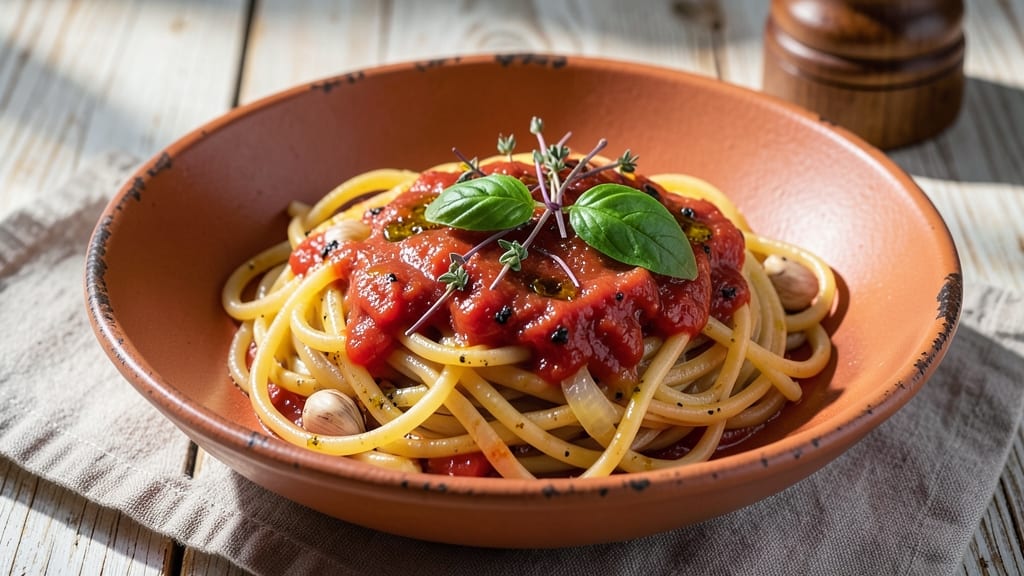
This authentic Italian spaghetti sauce recipe transforms fresh tomatoes into a deeply flavorful, slow-simmered masterpiece that captures the essence of Nonna's kitchen. The secret lies in patience—letting the sauce develop its rich, umami depth over hours, not minutes.
I've perfected this version using ripe, vine-ripened tomatoes (San Marzano if possible) and a balance of garlic, herbs, and a touch of sweetness to create harmony in every spoonful.
What sets this sauce apart is its authentic Italian technique: a gentle simmer that allows the tomatoes to break down naturally, releasing their sweetness while developing complex, savory notes. No shortcuts here—just time, heat, and a few key ingredients working together.
The result is a sauce that's vibrant, balanced, and packed with layers of flavor that cling to every strand of spaghetti.
This recipe delivers a restaurant-quality sauce that's simple yet sophisticated, with the flexibility to use fresh tomatoes or high-quality canned varieties. The slow simmering process (about 2-3 hours) transforms ordinary ingredients into something extraordinary, creating a sauce that tastes even better the next day.
It's the kind of sauce that makes you want to slow down and savor the process.
Once complete, this sauce keeps beautifully in the refrigerator for up to 5 days or can be frozen for months, making it perfect for meal prep.
Whether you're serving it over fresh pasta or using it as a base for other Italian dishes, this sauce will elevate your cooking to new heights. Let's get started on creating something truly special.
Ingredients for authentic italian spaghetti sauce recipe with fresh tomatoes
Twelve essential ingredients transform fresh tomatoes into restaurant-quality Italian spaghetti sauce through slow simmering.
| Ingredient | Amount | Notes |
|---|---|---|
| Fresh Vine-Ripened Tomatoes 🍅 | 3 lb | San Marzano preferred, halved |
| Extra-Virgin Olive Oil 🫒 | ½ cup | High-quality, fruity variety |
| Yellow Onion 🧅 | 1 whole | Finely diced, about 1 cup |
| Garlic Cloves 🧄 | 6 cloves | Peeled, thinly sliced |
| Fresh Basil Leaves 🌿 | ½ cup | Packed, stems removed |
| Fresh Oregano Leaves 🍃 | ¼ cup | Packed, chopped |
| Dried Thyme 🌿 | 1 tsp | Or 1 tbsp fresh thyme |
| Red Wine 🍷 | ½ cup | Bold, dry variety like Chianti |
| Tomato Paste 🍅 | 2 tbsp | High-quality, no sugar added |
| Granulated Sugar 🍚 | 1 tsp | Balances acidity |
| Kosher Salt 🧂 | 1 ½ tsp | Diamond Crystal preferred |
| Freshly Ground Black Pepper 🌶️ | ½ tsp | Freshly cracked |
The tomatoes are the foundation—San Marzano delivers the best flavor, but any ripe, vine-ripened variety works. Look for tomatoes that yield slightly to gentle pressure, with vibrant red color and minimal blemishes. Whole Foods or local farmers markets often carry ideal specimens, though grocery store tomatoes can work if they're fresh. The basil and oregano should be fragrant and bright; if they smell muted, they've lost their potency. For the olive oil, California extra-virgin brands like Corto or Lucini elevate the sauce's richness without overpowering the tomatoes' natural sweetness. The red wine should be bold and dry—Chianti or Sangiovese are classic choices, but any Italian red will work.
No San Marzano tomatoes? Heirloom or Roma tomatoes are excellent substitutes—their higher acidity and lower water content mimic San Marzano's profile. Short on fresh basil? Dried basil at one-third the amount works in a pinch, though fresh is ideal for that authentic aroma. The tomato paste can be swapped for crushed tomatoes (1 cup) if you're avoiding canned ingredients, though paste delivers deeper concentration. For the red wine, dry white wine or additional tomato juice creates a similar acid balance. The sugar is crucial—it's not sweetening the sauce but rather balancing the tomatoes' natural acidity, so don't skip it even if the tomatoes seem perfectly ripe.
This sauce develops best over time, so plan accordingly. The tomatoes can be prepped ahead and stored in the fridge for up to 2 days, though fresh is ideal. Once simmered, the sauce continues to improve—taste better the next day after flavors meld. For long-term storage, let it cool completely before transferring to airtight containers. It keeps in the refrigerator for 5 days or freezes beautifully for up to 6 months. Portion into ice cube trays before freezing for easy single-serving use—perfect for quick pasta nights.
Why You'll Love This Recipe
- I’ll be real: my old spaghetti sauce always got watery the next day. Not this one. The tomatoes break down just enough to thicken naturally, and the acidity balances out perfectly. Reheat it, toss with fresh pasta, and no one will guess it’s been sitting in the fridge.
- Just Four Ingredients: I swear, this sauce is the kind of recipe that makes you question why you ever complicate things. Vine-ripened tomatoes, olive oil, garlic, and basil—that’s it. No jars, no preservatives, just the real deal simmering in your pot while you chop a single onion.
- Garlic-Basil Magic: Honestly, the moment that first whiff of garlic sizzling in olive oil hits you is chef’s kiss. Then you toss in those fresh basil leaves at the end—bright, peppery, and still crisp. It’s the little details that turn a simple sauce into something you’ll reach for again and again.
- Weeknight to Dinner Party: Between us, this sauce works just as well for a rushed Tuesday night as it does for impressing guests. Double the batch and freeze half for later, or serve it with crusty bread and a glass of wine when company’s over. It’s that adaptable.
Step-by-step instructions for authentic Italian spaghetti sauce
This method delivers restaurant-quality depth using only fresh ingredients and slow cooking.
Sauté Aromatics in Olive Oil
Heat the 0.5 cup extra-virgin olive oil in a heavy-bottomed pot over medium-low heat. Add the 1 whole yellow onion and cook for 8-10 minutes until softened and translucent, stirring occasionally. The onion should release its natural sweetness without browning—this forms the flavor base.
Add the 6 cloves garlic and 1 tsp dried thyme, stirring constantly for 1 minute until fragrant. The garlic should sizzle gently without burning—this ensures a sweet, mellow flavor rather than bitter. Remove the pot from heat temporarily to prevent scorching, then return it to the stove once ready to proceed.
Build the Sauce Foundation
Pour in the 0.5 cup red wine and scrape the bottom of the pot with a wooden spoon to release any browned bits—these contain concentrated flavor. Simmer for 3-4 minutes until the wine reduces by half and its alcohol aroma dissipates. This deglazing step extracts maximum flavor from the pot.
Stir in the 2 tbsp tomato paste and cook for 2 minutes until it darkens slightly. This creates a rich, caramelized base that thickens the sauce naturally. Add the 3 lb fresh vine-ripened tomatoes (halved) and 1 tsp granulated sugar, then bring to a gentle simmer.
Slow-Simmer for Deep Flavor
Partially cover the pot and simmer for 45-60 minutes over low heat, stirring occasionally. The sauce should reduce gradually, developing a thick, velvety consistency. You'll notice the tomatoes break down completely and the sauce darkens to a deep red—this indicates proper reduction and flavor concentration.
Season with 1.5 tsp kosher salt and 0.5 tsp freshly ground black pepper, then stir in the 0.5 cup fresh basil leaves and 0.25 cup fresh oregano leaves. Simmer uncovered for an additional 10 minutes to allow the herbs to infuse their bright flavors without turning bitter.
Finish and Adjust
Taste the sauce and adjust seasoning if needed—authentic Italian sauces balance sweetness, acidity, and salt. The finished sauce should coat the back of a spoon with a glossy sheen and have a rich, complex flavor profile. If it's too thick, add 1-2 tablespoons of water to reach your desired consistency.
Remove from heat and let the sauce rest for 10 minutes before serving. This resting period allows flavors to meld completely. Serve immediately over al dente spaghetti, reserving some pasta water to adjust sauce consistency if needed. The sauce should cling beautifully to each strand of pasta, delivering that authentic Italian richness.
Pro Tips For Making Authentic Italian Spaghetti Sauce Recipe With Fresh Tomatoes
- LOW AND SLOW IS KEY: After burning three batches of tomato sauce, I finally learned to keep the heat at a bare simmer—no boiling, no rushing. Vine-ripened tomatoes break down best when they’re coaxed along at 170°F (75°C) or lower, so turn that burner down and let them work their magic over 45-60 minutes.
- CHOP ONIONS LIKE A PRO: Dice that yellow onion into 1/4-inch pieces—no smaller, no larger—so it melts into the sauce without turning mushy. I used to over-chop and end up with a watery base; now I keep them consistent and let them sweat out their moisture before the tomatoes even hit the pan.
- SALT THE TOMATOES FIRST: Toss your chopped tomatoes with a generous pinch of salt (about 1 tsp per pound) before cooking—it draws out excess water and concentrates their flavor. I skipped this for years and wondered why my sauce always tasted dilute. Do this step, then let them sit 10 minutes before cooking.
- SAVE TIME WITH A BLANCH: Drop whole vine-ripened tomatoes into boiling water for 30 seconds, then shock in ice water—it peels them effortlessly. No more struggling with stubborn skins or wasting good tomato flesh. Works especially well for Roma tomatoes, which are my go-to for this sauce.
Creative variations of this authentic italian spaghetti sauce recipe with fresh tomatoes
Regional Italian Twists
In Southern Italy, particularly Naples, this sauce becomes Ragù Napoletano—thickened with breadcrumbs and often served with meatballs. I add 1 cup day-old breadcrumbs toasted in olive oil and simmer them in for the last 15 minutes to achieve that signature texture.
For a Roman twist, stir in 1 tbsp anchovy paste with the tomato paste—it deepens the umami without overpowering. 🌶️
Meat-Inspired Variations
For a meatier version, brown 1 lb Italian sausage (like Calabrese or sweet Italian) before adding onions, breaking it into chunks. Alternatively, add 8 oz ground beef (80/20 blend) for richness.
I like to remove the meat halfway through cooking to prevent over-browning, then return it to the pot at the end. For vegetarians, mushrooms or lentils work beautifully—sauté 1 cup sliced cremini mushrooms with the onions.
Seasonal Tomato Swaps
When San Marzano tomatoes are unavailable, Roma tomatoes (peeled and crushed) or heirloom tomatoes (skinned and chopped) work well. For summer, I use cherry tomatoes—toss them whole into the simmering sauce for 10 minutes before adding fresh herbs.
In winter, roasted tomatoes (tossed with olive oil, salt, and pepper at 400°F for 20 minutes) add concentrated sweetness. 🍅
Herb and Spice Customizations
Swap oregano for fresh rosemary (1 sprig) or thyme (2 sprigs) for a Tuscan-inspired profile. For heat, add 1-2 dried chili peppers (like ’Nduja) or 1 tsp red pepper flakes with the tomato paste.
I find 1 tsp fennel seeds toasted in the olive oil adds a subtle licorice note that pairs beautifully with the tomatoes. For a creamy finish, stir in 2 tbsp mascarpone at the end.
Wine and Acid Balance
Replace red wine with white wine (like Pinot Grigio) for a lighter sauce, or use tomato juice (1 cup) for acidity without alcohol. For extra depth, add 1 tbsp balsamic vinegar during the final 5 minutes of simmering.
I’ve also used 1 cup chicken stock instead of wine for a less acidic, more savory base—perfect for those who prefer milder flavors. 🍷
Make-Ahead and Freezer Adaptations
For freezer-friendly versions, add 1 tbsp lemon juice before storing—it preserves color and prevents oxidation. When reheating, simmer the sauce uncovered for 10 minutes to evaporate excess moisture.
For slow-cooker adaptations, transfer everything to the cooker after sautéing aromatics and cook on low for 6-8 hours. The result is even more tender and concentrated! ❄️
Nutrition facts
Frequently asked questions
Why does this recipe call for fresh tomatoes instead of canned?
Fresh tomatoes deliver brighter, more vibrant flavor and better texture. San Marzano or heirloom varieties have lower water content and more concentrated sweetness than canned tomatoes, which often contain added salt or preservatives. The slow simmering process transforms fresh tomatoes into a rich, velvety sauce that canned versions can't match.
Can I make this sauce without red wine?
Replace the 0.5 cup red wine with 0.5 cup tomato juice or white wine for a lighter flavor. For more depth, use 1 cup chicken stock instead—it adds savory notes without alcohol. The key is maintaining the same amount of liquid to balance the acidity and develop the sauce properly.
How do I know when the sauce is done?
The sauce is ready when it coats the back of a spoon with a glossy sheen and has reduced to a thick, syrupy consistency. Look for a deep red color and a rich aroma—this typically takes 1.5-2 hours of simmering. Taste for balance: it should be savory with bright herbal notes, not overly acidic or bland.
Can I use frozen tomatoes instead of fresh?
Frozen tomatoes work in a pinch, but they lack the same depth of flavor. If using them, thaw first and drain excess liquid. For best results, add 1 extra tablespoon of tomato paste to compensate for the lower concentration. The sauce will be good but won't have the same vibrant, fresh-tomato character.
How do I prevent the sauce from getting too acidic?
The 1 tsp sugar in the recipe balances acidity naturally, but if your tomatoes are very tart, add ½ tsp more sugar or 1 tsp honey during simmering. For extra richness, stir in 1 tbsp anchovy paste or 1 cup cooked mushrooms—these add umami depth that counteracts acidity beautifully.