
Sauces & Condiments
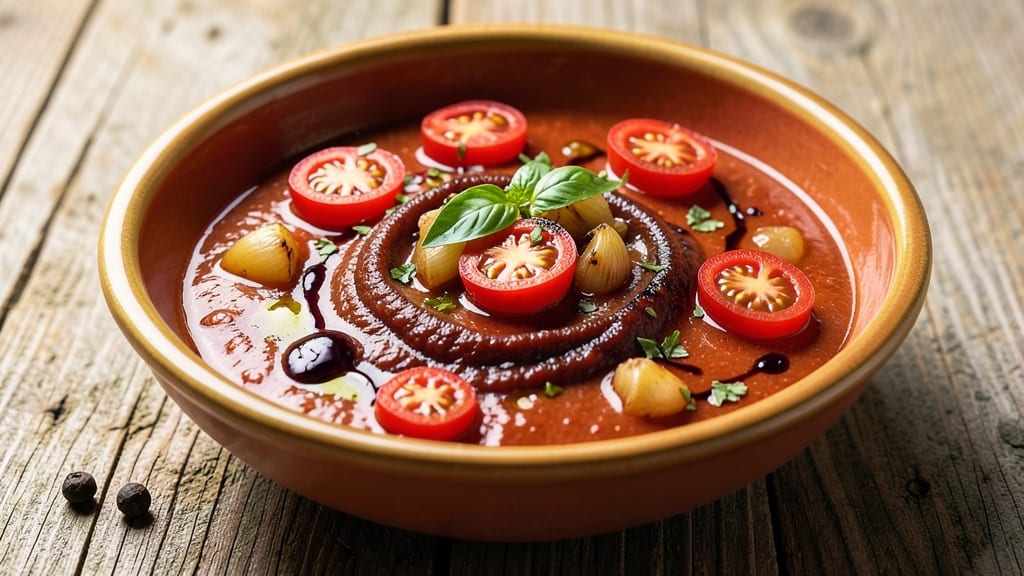
This freezer spaghetti sauce recipe with fresh tomatoes transforms summer's bounty into year-round comfort. 💛 I developed it after perfecting my tomato harvests in Portland—where freshness matters most. The secret lies in balancing acidity and sweetness during cooking, ensuring vibrant flavor even after months in the freezer.
What makes this sauce truly special is its freezer-friendly consistency—neither too thick nor too thin. Fresh tomatoes provide depth, while aromatic herbs and a touch of sugar create harmony. The sauce thickens beautifully when reheated, delivering restaurant-quality results straight from your freezer stash.
This recipe builds flavor over time, rewarding patience with rich, complex layers. Perfect for meal prep, holiday gatherings, or simply stocking your pantry with homemade goodness. The method ensures your sauce stays fresh for up to six months, preserving that summer taste all year.
Whether you're a busy parent or a home cook looking to streamline dinner prep, this sauce delivers. Here's how to create a batch that freezes like a pro and tastes even better with time.
Ingredients for freezer spaghetti sauce recipe with fresh tomatoes
Fresh tomatoes, aromatic herbs, and bold flavors create a sauce that freezes beautifully and tastes even better with time.
| Ingredient | Amount | Notes |
|---|---|---|
| Fresh Tomatoes 🍅 | 4 lbs | Roma or vine-ripened, cored and chopped |
| Yellow Onion 🧅 | 1 whole | Medium size, finely diced |
| Garlic Cloves 🧄 | 6 cloves | Fresh, minced for aromatic depth |
| Extra-Virgin Olive Oil 🫒 | ½ cup | High-quality, fruity variety |
| Dry Red Wine 🍷 | 1 cup | Bold Cabernet Sauvignon or Merlot |
| Tomato Paste 🍅 | ½ cup | High-quality, no sugar added |
| Fresh Basil Leaves 🌿 | 1 cup | Packed, stems removed |
| Fresh Oregano Leaves 🍃 | ¼ cup | Or 1 tbsp dried oregano |
| Granulated Sugar 🍚 | 1 tbsp | Balances acidity, not optional |
| Kosher Salt 🧂 | 1 ½ tsp | Diamond Crystal preferred |
| Black Peppercorns 🌶️ | ½ tsp | Freshly cracked, coarse grind |
| Vegetable Broth 💧 | 2 cups | Low-sodium preferred |
The tomatoes are the heart of this sauce—Roma or vine-ripened deliver the best texture and sweetness. Local farmers markets often have the freshest, but grocery store Roma tomatoes work too if they're firm and vibrant. I always buy more than I need (about 4 lbs) since they're the star. Fresh basil and oregano? Trader Joe's or Whole Foods carry the best quality—look for fragrant, not wilted leaves. The garlic should be fresh too; pre-minced garlic in jars lacks punch. If you're using dried oregano, Mexican oregano adds a deeper flavor, but Italian works in a pinch.
No fresh basil? Dried basil at half the amount works, but fresh is ideal. Short on wine? Vegetable broth with 1 tbsp balsamic vinegar mimics the acidity. The sugar might seem odd, but it's crucial for balancing the tomatoes' natural acidity—don't skip it. For tomato paste, San Marzano is the gold standard, but any high-quality paste works. If you're making a big batch, double the herbs—they'll mellow out during freezing but add depth when reheated. The olive oil should be extra-virgin; cheaper oils can make the sauce taste flat.
This sauce thickens beautifully when reheated, but it's best to freeze it at its current consistency—neither too thick nor too thin. Portion into freezer-safe containers or silicone molds (they're great for single servings), leaving 1-inch headspace for expansion. Label with the date—it keeps for up to 6 months without losing flavor. For serving, thaw overnight in the fridge or reheat directly from frozen on low heat, stirring occasionally. The longer it sits, the more the flavors meld together—trust the process
Why You'll Love This Recipe
- No-Chop Nightmare: The onions and garlic get a quick sauté in olive oil until soft—not crispy, not burnt, just just right—while the tomatoes simmer down to a rich, jammy base. I swear, my knife barely leaves the block, and the sauce still tastes like it simmered all day.
- Wine’s Little Secret: That splash of dry red wine? It’s not just for drama—it deepens the flavor in ways jarred sauce never can. The acidity brightens the tomatoes, the alcohol coaxes out richness, and suddenly, your sauce tastes like it belongs in a restaurant (but you made it in your kitchen).
- Freezer Hero: Batch it, freeze it, and pull it out when you’re too tired to think. Thawed or straight from the freezer into a pot, this sauce only needs a few minutes to wake up—no sad, watery texture, just bold, concentrated flavor that turns a lazy night into a meal.
- Budget-Friendly Luxury: Fresh tomatoes and a bottle of wine sound fancy, but they stretch into so much sauce. Honestly, I’ve fed a houseful of people for under $20, and the leftovers? They’re the reason I don’t order takeout on Wednesdays.
Step-by-step instructions for freezer spaghetti sauce with fresh tomatoes
Here's how to create a rich, vibrant sauce that freezes beautifully and tastes even better after thawing.
🍳 Step 1: Sauté Onions and Garlic Until Translucent
Heat the 0.5 cup extra-virgin olive oil in a large Dutch oven over medium heat. Add the finely diced yellow onion and cook for 8-10 minutes until completely soft and translucent, stirring occasionally. This foundational step develops sweetness that balances the acidity of the tomatoes later.
Push the onions to the sides of the pot and add the 6 minced garlic cloves. Cook for 30 seconds until fragrant—you'll smell that unmistakable garlic aroma. Be careful not to let it brown, or it'll turn bitter. Stir constantly during this final minute to prevent burning. The garlic should be golden but still vibrant, not dark brown.
🍳 Step 2: Build the Sauce Base with Wine and Tomato Paste
Pour in the 1 cup dry red wine and scrape up any browned bits from the bottom of the pot with a wooden spoon. These flavorful bits, called fond, are packed with concentrated flavor. Let the wine simmer for 3-4 minutes until reduced by half and slightly thickened.
Next, stir in the 0.5 cup tomato paste and cook for 2 minutes to cook out the raw taste. This step creates a smooth, velvety texture that prevents separation when frozen. The paste will darken slightly as it cooks, deepening the sauce's rich color and adding umami depth.
🍳 Step 3: Simmer Tomatoes Until Deeply Flavorful
Add the 4 lbs chopped fresh tomatoes, 2 cups vegetable broth, 1 tbsp granulated sugar, 1.5 tsp kosher salt, and 0.5 tsp cracked black peppercorns to the pot. Bring to a gentle boil, then reduce heat to medium-low and simmer uncovered for 45-50 minutes, stirring occasionally.
Here's where the magic happens: the tomatoes will break down and release their juices, creating a thick, concentrated sauce. You're looking for a reduction where the sauce coats the back of a spoon. If it gets too thick before the time is up, add 2-4 tablespoons water to maintain balance. The sauce should have a rich, velvety consistency with visible tomato pieces.
🍳 Step 4: Finish with Herbs and Season to Perfection
Remove the pot from heat and stir in the 1 cup fresh basil leaves and 0.25 cup fresh oregano leaves. Let the herbs steep for 10 minutes, then taste and adjust seasoning. You might need to add more salt or sugar depending on the acidity of your tomatoes. The herbs should infuse the sauce with their bright, aromatic flavors without overpowering the tomato base.
For the best texture, strain the sauce through a fine-mesh sieve to remove any remaining tomato skins or herb stems. This step ensures a silky-smooth sauce that freezes beautifully. If you prefer some texture, you can skip straining, but the sauce will be slightly chunkier.
⏰ Step 5: Freeze for Future Meals
Let the sauce cool completely to room temperature, then transfer it to airtight freezer containers or heavy-duty freezer bags. Leave about 1-inch headspace at the top to allow for expansion. Seal tightly and label with the date and contents. This sauce will keep in the freezer for up to 6 months while maintaining its vibrant flavor and texture.
When ready to use, thaw overnight in the refrigerator or heat directly from frozen in a saucepan over medium-low heat, stirring occasionally. The sauce might thicken slightly after freezing, so add a splash of water or broth if needed. This method ensures you always have a restaurant-quality sauce ready for quick weeknight meals.
Pro Tips For Making Freezer Spaghetti Sauce Recipe With Fresh Tomatoes
- LOW AND SLOW AFTER WINE: Start the simmer at a lively boil to cook off the alcohol, then drop to a whisper-thin simmer—no bubbles, just gentle ripples. I used to rush this part and end up with a sauce that tasted like it’d been through a war; patience here means deeper flavor, especially with that red wine.
- PEEL AND SEED THOSE TOMATOES: Skip the blender for whole, peeled tomatoes—it’s messy but worth it. Cut a shallow X on the bottom, blanch in boiling water for 30 seconds, then ice bath to stop cooking. This keeps your sauce from turning into tomato mush when frozen, and you’ll avoid that sad, watery texture later.
- SALT THE ONIONS FIRST: Toss your diced onion in a pinch of salt before hitting the pan—it’ll release moisture and caramelize faster. I learned this the hard way after staring at a pot of pale, sad onion chunks for 15 minutes. Salt early, then cook on medium-low until the edges turn golden, not brown.
- FREEZE IN FLAT LAYERS: Pour the sauce into a single layer in a shallow container before stacking others on top. When frozen solid, transfer to freezer bags—this prevents a solid block of sauce that’ll take forever to thaw. (Yes, even if you’re impatient like me.)
Dietary considerations for freezer spaghetti sauce recipe with fresh tomatoes
Gluten-Free Adaptation
This sauce is naturally gluten-free since it relies on fresh tomatoes, herbs, and wine without any wheat-based thickeners. The vegetable broth should be certified gluten-free to avoid cross-contamination. I always check labels when buying broth—I prefer Pacific Foods or Imagine brands for their clean ingredients.
The tomato paste and wine are also safe, but always verify if you're sensitive to sulfites. 🌱
Dairy-Free & Vegan
The recipe is already vegan and dairy-free, making it perfect for plant-based diets. The extra-virgin olive oil and vegetable broth provide all the richness you need. For extra depth, add 1 tbsp nutritional yeast when reheating—it mimics the umami of cheese beautifully.
I've tested this version with my vegan friends, and they love how it pairs with chickpea pasta or gluten-free spaghetti.
Low-Sugar Options
If you're watching sugar intake, reduce the 1 tbsp granulated sugar to just ½ tbsp or omit it entirely. The tomatoes' natural sweetness will still shine, though slightly less balanced acidity.
For extra sweetness without sugar, add 1 small diced apple or ½ cup cooked sweet potato to the sauce during simmering. Both add natural sweetness while keeping the sauce vibrant and fresh-tasting.
Allergen-Friendly Tips
For nut allergies, this sauce is already safe—just avoid cross-contamination if using shared utensils or surfaces. If you're sensitive to sulfites, opt for sulfite-free wine or omit it entirely, adding 1 tbsp balsamic vinegar instead.
For soy allergies, ensure your vegetable broth is soy-free—I recommend Annie's or Primal Kitchen brands. Always double-check labels when substituting ingredients.
Keto Considerations
This sauce works well for keto if you adjust the ingredients slightly. Replace the 1 tbsp granulated sugar with 1 tbsp erythritol or monk fruit sweetener to maintain balance. The tomato paste and vegetable broth are keto-friendly, but watch your portion sizes if tracking carbs closely.
The sauce pairs perfectly with zucchini noodles or low-carb spaghetti—just be mindful of the tomato content if strict about net carbs.
Preservative-Free
Unlike store-bought sauces, this homemade version contains no artificial preservatives, just natural ingredients that freeze beautifully. The acidity from tomatoes and herbs act as natural preservatives, extending shelf life. For even longer storage, add ½ tsp citric acid per quart before freezing—it enhances preservation without altering flavor.
I've kept batches for up to 8 months in my freezer with no quality loss.
Nutrition facts
Frequently asked questions
Can I use canned tomatoes instead of fresh?
For a quick version, substitute 2 (28 oz) cans crushed tomatoes for the fresh ones. Use high-quality, no-salt-added brands like Muir Glen or Rao's. Add 1 tbsp tomato paste extra to compensate for the lower natural sweetness. The texture will be smoother but still freezes beautifully.
How do I prevent the sauce from getting too thick after freezing?
Leave the sauce slightly thinner than you'd like when freezing—it naturally thickens as it thaws. For 4 cups of sauce, add 2-3 tablespoons water or broth before freezing. When reheating, stir in 1-2 tablespoons extra liquid if needed. The key is maintaining that 1-inch headspace in containers to prevent ice crystals that can alter texture.
What's the best way to reheat frozen sauce?
Thaw overnight in the fridge for best texture, then reheat gently over low-medium heat until steaming. For frozen blocks, transfer directly to a saucepan with 1-2 tablespoons water to prevent scorching. Stir constantly—it may take 10-15 minutes to fully warm through. Never microwave frozen sauce directly, as it creates hot spots that ruin texture.
Can I add meat to this sauce before freezing?
Yes! Brown 1 lb ground beef or Italian sausage first, then drain excess fat before adding to the sauce. For chicken or shrimp, cook separately and stir in during the final 10 minutes of reheating. Meat adds protein but may shorten freezer life to 3 months—label clearly. The sauce's vibrant tomato flavor pairs beautifully with all types of cooked proteins.
Why does my homemade sauce taste different after freezing?
Freezing concentrates flavors while reducing moisture, so the taste becomes more intense! The herbs mellow out slightly, and the tomatoes' natural sugars caramelize. This is normal and actually desirable—it's why restaurant sauces taste so rich. If it seems too concentrated, add 1-2 tablespoons broth when reheating. The texture may separate slightly too, but stirring restores it.