
Sauces & Condiments
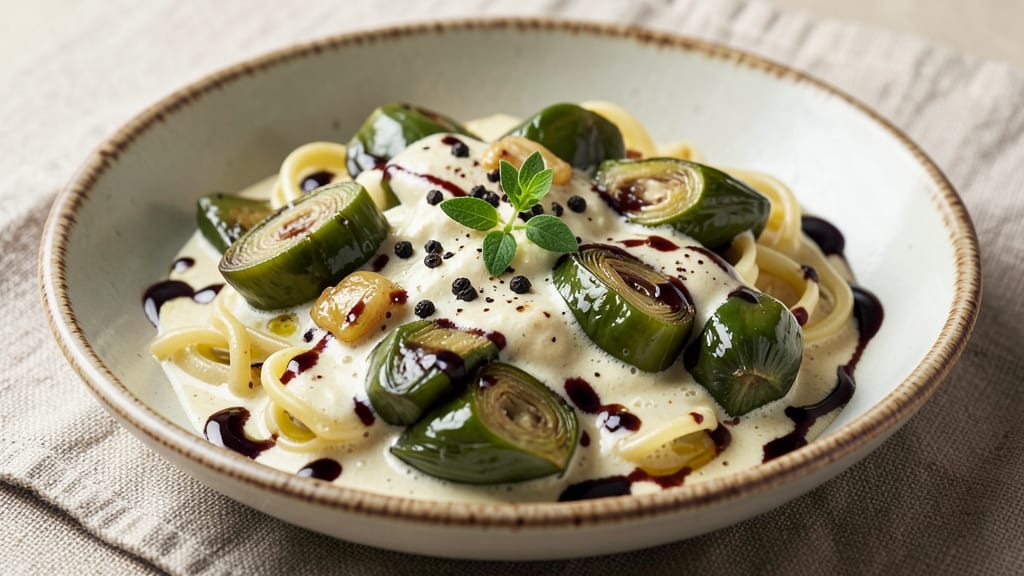
This Trader Joe's-inspired artichoke pasta sauce delivers the same herb-infused creaminess you love—but with a homemade twist that’s richer and more customizable. The secret lies in blending whole artichoke hearts with garlic, lemon zest, and fresh herbs, creating a sauce that’s tangy, velvety, and packed with Mediterranean flair.
Unlike store-bought versions, this recipe lets you control the texture and flavor, turning a simple pasta dish into a restaurant-worthy meal.
The process is straightforward yet professional: sauté garlic and shallots until fragrant, then simmer artichoke hearts with heavy cream, white wine, and a splash of pasta water for silkiness. A blend of fresh parsley, basil, and thyme elevates the sauce, while Parmesan adds depth.
The result? A sauce that clings perfectly to penne, fettuccine, or even gluten-free noodles, with a finish that’s bright, herby, and irresistibly creamy.
What sets this apart is the zero-waste approach—using the entire artichoke, including the tender stems and leaves, for maximum flavor without excess cost. The sauce pairs beautifully with garlic bread, a crisp salad, or extra Parmesan shavings, making it versatile for weeknight dinners or impressing guests.
Best of all, it comes together in under 30 minutes with minimal prep, proving homemade can rival store-bought every time.
For those watching their diet, this sauce is naturally vegetarian and can be made lighter with Greek yogurt instead of cream. The herbs and lemon keep it fresh-tasting, while the artichokes add fiber and a satisfying bite.
Whether you’re a seasoned cook or new to sauces, this recipe delivers restaurant-quality results with just a few pantry staples and a little patience.
Ingredients for artichoke pasta sauce trader joe's
Pantry staples meet Mediterranean flair—this sauce starts with artichokes and ends with restaurant-worthy richness.
| Ingredient | Amount | Notes |
|---|---|---|
| Whole Artichoke Hearts 🌿 | 14 oz | Canned, packed in water, stems and leaves included |
| Heavy Cream 🥛 | 1 cup | Full-fat for richness |
| Dry White Wine 🍷 | ½ cup | Sauvignon Blanc preferred |
| Extra-Virgin Olive Oil 🫒 | ¼ cup | Light fruity variety |
| Garlic Cloves 🧄 | 4 cloves | Minced for aromatic base |
| Shallots 🧅 | 2 whole | Finely chopped, 2 tbsp total |
| Lemon Zest 🍋 | 1 tbsp | Freshly grated |
| Fresh Parsley 🌿 | ¼ cup | Chopped, stems included |
| Fresh Basil 🌿 | ¼ cup | Chopped, packed |
| Fresh Thyme 🌿 | 2 tsp | Chopped leaves only |
| Parmesan Cheese 🧀 | ½ cup | Freshly grated, block preferred |
| Pasta Water 💧 | ½ cup | Reserved from cooking pasta |
| Diamond Crystal Kosher Salt 🧂 | ½ tsp | For seasoning |
| Freshly Ground Black Pepper 🌶️ | ¼ tsp | For finishing |
| Penne Pasta 🍝 | 12 oz | Or gluten-free alternative |
The artichokes are the star, so Trader Joe's has the best canned hearts—packed in water, not oil, for zero waste. Look for brands with tender stems and leaves included (like Muir Glen), which add depth without extra cost. Fresh herbs? Whole Foods bulk bins save money, but even grocery store bunches work if the leaves are bright green. The Parmesan matters too—grate it yourself from a wedge (pre-grated tastes like sawdust). For the wine, any dry white works, but Sauvignon Blanc has that bright acidity this sauce needs.
No heavy cream? Full-fat Greek yogurt works in a pinch (thin with pasta water), but trust me on the full-fat version—it’s worth the extra minute to heat it gently. Short on white wine? Substitute extra chicken broth (same acidity, no alcohol flavor). The shallots can be swapped for onion if needed, but they’re sweeter and more delicate. For the herbs, dried works at half the amount (so 1 tsp dried parsley = 0.25 cup fresh), but fresh is ideal. The lemon zest adds that bright finish—zest only, no pith—and it keeps for weeks in the freezer if you zest extra.
This sauce reheats beautifully—just add a splash of pasta water to loosen it up. Keeps for 5 days in the fridge, 3 months frozen (portion into ice cube trays for single servings). Double the batch and freeze half for lazy weeknights. The artichoke canned hearts? Drain them well, but save the liquid for soup—it’s packed with flavor. And if you’re watching calories, thin with extra pasta water instead of cream, but you’ll lose that velvety texture.
Why You'll Love This Recipe
- No Chopping Nightmare: I swear by the canned artichoke hearts here—just drain, rinse, and toss. The only knife work is mincing garlic, and even that’s optional if you use pre-minced (no one judges).
- Rich Without Effort: That heavy cream and white wine combo transforms simple artichokes into something luxurious. The olive oil ties it all together with a velvety finish—no fancy technique required.
- Leftover Goldmine: This sauce tastes better the next day, honestly. I double the batch on Sundays and freeze half; reheating it with a splash of pasta water brings it back to life like magic.
- Date Night or Lazy Night: Dress it up with fresh parsley and crusty bread for a fancy dinner, or serve it over spaghetti with a sprinkle of parmesan for a 15-minute weeknight win. (Yes, even on a Tuesday night.)
Step-by-step instructions for artichoke pasta sauce
Here's how to transform Trader Joe's artichokes into a velvety, herb-infused sauce that clings perfectly to pasta.
Sauté Aromatics Until Fragrant
Heat the 0.25 cup extra-virgin olive oil in a large skillet over medium heat. Add the 2 whole shallots and 4 cloves garlic, mincing them as they hit the pan. Cook for 3-4 minutes until the shallots soften and become translucent, then turn golden at the edges—this is your signal they're ready. The garlic should smell intoxicating but not burn; if it darkens too quickly, reduce the heat slightly.
Here's the thing—don't rush this step. The aromatics form the flavor foundation of your sauce. I like to press the shallots down with a wooden spoon for the first minute to help them render their moisture evenly. This ensures they caramelize properly without sticking.
Add Artichokes and Wine
Drain and rinse the 14 oz whole artichoke hearts thoroughly under cold water to remove any residual canning brine. Add them to the skillet along with the 0.5 cup dry white wine. Stir to combine, then reduce heat to medium-low and let the mixture simmer for 5-6 minutes until the wine mostly evaporates and the artichokes begin to soften slightly at the edges.
Watch for the wine to reduce by about half—you'll see it go from a pale liquid to a syrupy consistency. This step concentrates the flavors and removes any sharp alcohol taste. If the artichokes stick, add a splash of water to deglaze, but scrape up those browned bits from the bottom of the pan—they're packed with flavor.
Build the Creamy Base
Pour in the 1 cup heavy cream and stir gently to combine. Add the 1 tbsp lemon zest, 2 tsp fresh thyme, 0.5 tsp diamond crystal kosher salt, and 0.25 tsp freshly ground black pepper. Bring the mixture to a gentle simmer over medium heat, then reduce heat to low and let it cook for 8-10 minutes until it thickens slightly but remains silky.
This is where the sauce comes together. You want it to coat the back of a spoon but still be pourable—not thick enough to glue the pan shut. Stir occasionally, but avoid over-stirring which can create lumps. If it thickens too quickly, whisk in 1-2 tablespoons of pasta water to loosen it to your desired consistency.
Finish with Herbs and Cheese
Remove the skillet from heat and stir in the 0.5 cup parmesan cheese, 0.25 cup fresh parsley, and 0.25 cup fresh basil. Let the mixture sit for 2-3 minutes to allow the cheese to melt completely and the herbs to infuse their flavors. Taste and adjust seasoning if needed—you might want to add a pinch more salt or a crack of black pepper to balance the acidity from the lemon zest.
Here's the moment that matters: the sauce should be rich, creamy, and bright with herbal notes. The artichokes should be tender but still hold their shape slightly. If you're serving immediately, keep the sauce warm over very low heat. For best results, toss the sauce with cooked pasta right before serving to prevent it from breaking down.
Combine with Cooked Pasta
Cook the 12 oz penne pasta according to package directions until al dente, then drain and reserve 0.5 cup pasta water. Toss the hot pasta immediately with the artichoke sauce, adding pasta water 1 tablespoon at a time if needed to reach your desired consistency. The residual starch in the pasta water helps emulsify the sauce, creating that perfect clingy texture we all love.
Serve immediately while the pasta is still piping hot. The sauce should coat each strand beautifully, with visible artichoke hearts and herbs peeking through. Garnish with additional fresh basil leaves for a pop of color and freshness. This dish pairs wonderfully with a crisp green salad and a glass of the same Sauvignon Blanc you used in the sauce.
Pro Tips For Making Artichoke Pasta Sauce Trader Joe'S
- CHOP ARTICHOKE HEARTS SMALL: The jarred hearts from Trader Joe’s are convenient, but if you skip chopping them into ¼-inch pieces, you’ll end up with uneven texture—some mushy chunks, some whole. A sharp knife and a steady hand make this worth the extra 2 minutes.
- SAUTÉ GARLIC LOW AND SLOW: I used to blast the garlic in olive oil like I was racing, and it’d burn before the wine could save it. For this sauce, keep the heat low until the garlic is just fragrant—not golden, not nutty, just there. High heat here ruins the whole dish.
- STRAIN THE CREAM: Heavy cream can make this sauce feel heavy if you don’t handle it right. After simmering, pour the sauce through a fine-mesh strainer lined with cheesecloth—this catches any stray artichoke bits and gives you that silky, restaurant-quality finish. (Yes, it’s a pain, but your sauce will taste like it.)
- ADD WINE OFF THE HEAT: Pouring cold white wine into a hot pan shocks the sauce and can make it split or taste harsh. Let the pan cool just enough to touch (about 30 seconds), then add the wine. This keeps the flavors bright and the sauce smooth—no weird curdling or alcohol bite.
Best sauces and condiments for these flavors
Creamy vs. Lightened
This sauce shines in two distinct styles: rich and velvety (as written) or lightened for a lower-calorie option. For the classic version, use 1 cup heavy cream—its fat content creates that luxurious texture.
To lighten, replace half with Greek yogurt (thin with 2 tbsp pasta water), reducing richness by about 30% calories while keeping the tangy brightness. The artichokes and lemon zest prevent the sauce from tasting flat, even with less fat. 🥛
Herb Variations
Swap the herb trio for regional flavors: try 1 tbsp fresh rosemary and 1 tsp fennel fronds for an Italian twist, or ½ tsp red pepper flakes with 1 tsp oregano for heat.
For a Mediterranean touch, add 2 tbsp chopped capers and 1 tsp dried marjoram—these work beautifully with the artichokes' natural brininess. Always use fresh herbs when possible; dried versions can make the sauce taste bitter.
Cheese Alternatives
Parmesan is ideal for its umami depth, but Pecorino Romano adds a sharper bite (use ¼ cup less—it’s saltier). For a nutty profile, try ½ cup grated Asiago or ½ cup taleggio (melted gently).
Dairy-free? Use ½ cup nutritional yeast plus 1 tbsp lemon juice to mimic the tangy richness. The key is balancing the artichokes' earthiness with a contrasting cheese flavor—skip the mild cheddar or mozzarella.
Texture Adjustments
Need a smoother sauce? Blend ½ of the artichoke hearts before adding to the pan—this creates a silky consistency while keeping visible chunks for texture. For a chunkier version, leave the artichokes whole and add 2 tbsp chopped sun-dried tomatoes at the end.
If the sauce separates, whisk in 1 tbsp cornstarch mixed with 2 tbsp cold water and simmer for 1 minute—this thickens without altering flavor. 💫
Wine Substitutes
No white wine? Use ½ cup chicken broth (for savory depth) or ½ cup apple cider vinegar (for acidity). For a non-alcoholic version, mix ¼ cup lemon juice with ¼ cup water—this mimics the wine’s bright acidity.
Avoid heavy broths (like mushroom) or sweet juices (like orange)—they’ll overpower the delicate artichoke flavor. The wine’s purpose is to deglaze and add acidity, not alcohol flavor.
Make-Ahead Sauce
This sauce improves overnight! Let it cool completely, then store in an airtight container in the fridge for up to 5 days. Reheat gently on the stovetop over low heat, stirring frequently and adding 1-2 tbsp pasta water to restore creaminess.
For freezing, portion into ice cube trays—each cube equals 1 tbsp sauce, perfect for single servings. Thaw in the fridge overnight before reheating. The herbs and lemon zest retain their brightness even after freezing. ❄️
Nutrition facts
Frequently asked questions
Can I use jarred artichoke hearts instead of canned?
Jarred artichoke hearts work perfectly, but check the label first! They're often packed in oil or water—if it's oil, drain well to avoid a greasy sauce. For best results, use the same amount (14 oz) and rinse thoroughly to remove any excess salt or preservatives from the brine.
How do I make this sauce dairy-free?
Swap the 1 cup heavy cream for ½ cup full-fat coconut milk (for creaminess) and ½ cup unsweetened almond milk (for thinning). Replace the 0.5 cup parmesan with ½ cup nutritional yeast and 1 tbsp lemon juice—this mimics the umami and tangy richness. The sauce will still be velvety but with a nutty undertone!
Why did my sauce separate?
Sauce separation happens when fat (cream) and liquid (wine/pasta water) split. To fix it, whisk in 1 tbsp cornstarch mixed with 2 tbsp cold water and simmer for 1 minute. For prevention, stir occasionally while cooking and avoid boiling. The residual starch in pasta water helps emulsify—always reserve 0.5 cup when cooking noodles!
What pasta works best with this sauce?
Penne, fettuccine, or farfalle are ideal—their ridges and shapes help the creamy sauce cling beautifully. For gluten-free options, try brown rice penne or chickpea pasta. Avoid delicate shapes like angel hair, as they can break under the sauce's weight. Pro tip: Cook pasta 1 minute less than package instructions for al dente texture!
Can I make this sauce ahead of time?
Let the sauce cool completely, then store it in an airtight container in the fridge for up to 5 days. Reheat gently on the stovetop over low heat, adding 1-2 tbsp pasta water to restore creaminess. For freezing, portion into ice cube trays—each cube equals 1 tbsp sauce, perfect for single servings. Thaw overnight in the fridge before reheating.