
Sauces & Condiments
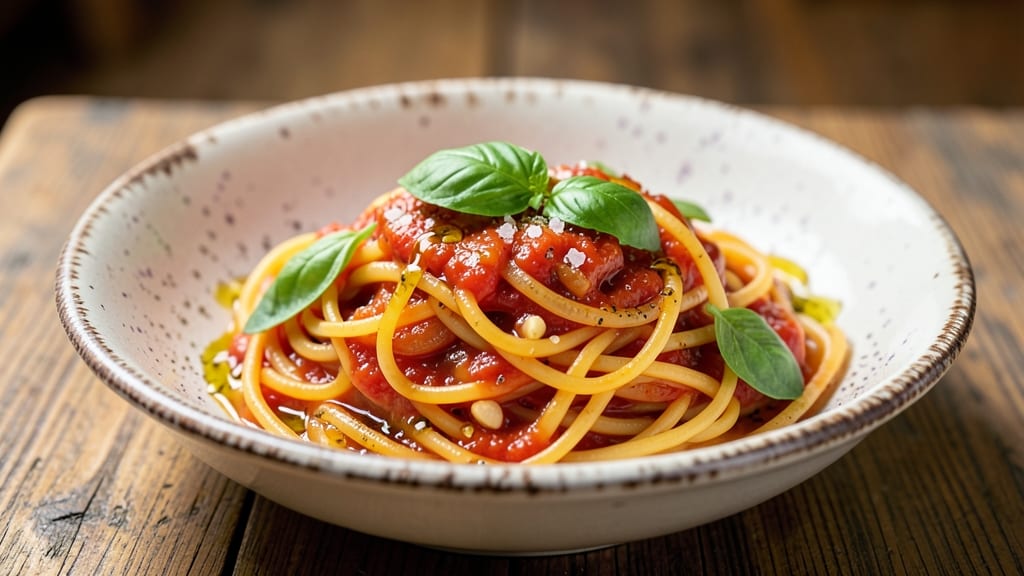
Clemenza's spaghetti sauce delivers that perfect balance of deep umami richness and bright fresh basil that makes every bite unforgettable. This isn't just a sauce—it's the soul of Italian-American comfort food, where slow-simmered tomatoes and aromatic herbs create layers of flavor that cling to pasta like a second skin. The secret lies in the technique: letting the sauce develop its own complexity over hours, not minutes.
What sets this sauce apart is the harmony of ingredients—crushed tomatoes for body, garlic for depth, and fresh basil that shines at the end. No shortcuts here: we're talking about a sauce that builds flavor through time, with every simmer drawing out more richness.
The result? A velvety, aromatic sauce that transforms simple spaghetti into a restaurant-worthy meal.
This sauce is designed to be your go-to for pasta nights, but its versatility doesn't stop there. Use it as a base for meatball subs, a topping for grilled chicken, or even as a marinade for hearty beef.
The beauty of this recipe is in its simplicity—just a few ingredients, but each plays a crucial role in creating something extraordinary.
Once you taste this sauce, you'll understand why it's become a staple in kitchens everywhere. The key is patience—letting the flavors meld and deepen over time. Ready to elevate your pasta game? Let's get started on this timeless classic that delivers restaurant-quality results at home.
Ingredients for clemenza's spaghetti sauce
Ten ingredients that transform into restaurant-quality spaghetti sauce with patience and love.
| Ingredient | Amount | Notes |
|---|---|---|
| Crushed Tomatoes (San Marzano) 🍅 | 28 oz | High-quality canned, no salt added |
| Extra-Virgin Olive Oil 🫒 | ½ cup | Fruity, peppery variety preferred |
| Garlic Cloves 🧄 | 6 cloves | Freshly minced, not pre-minced |
| Onion (Yellow) 🧅 | 1 whole | Medium, finely diced |
| Fresh Basil Leaves 🌿 | 1 cup | Packed, stems removed |
| Dried Oregano 🍃 | 1 tsp | Italian variety preferred |
| Ground Black Pepper 🌶️ | ½ tsp | Freshly cracked preferred |
| Kosher Salt 🧂 | 1 ½ tsp | Diamond Crystal preferred |
| Red Wine (Dry) 🍷 | ½ cup | Bold Cabernet Sauvignon |
| Tomato Paste 🍅 | 2 tbsp | Smooth, no sugar added |
The tomatoes are non-negotiable—San Marzano is the gold standard, but any high-quality crushed tomatoes will do. I grab mine from Trader Joe's or Whole Foods because they're consistent and sweet. The basil? Fresh is a must—farmers market has the best, but grocery store basil works if it's bright green and not wilted. Red wine adds depth, so don't skimp on a bold Cabernet Sauvignon—whatever's open in your fridge will work too. The olive oil matters here—use something you'd drizzle on bread, not the cheap stuff.
No red wine? Dry white wine or extra broth works in a pinch. Fresh basil wilt fast? Dried oregano at half the amount keeps the flavor. Pre-minced garlic lacks punch—smash and mince your own for real flavor. The tomato paste can be from a tube if you're lazy, but canned is better—just don't use the powdered kind. Onion color matters: white or yellow both work, but avoid red if you don't want pink sauce. Salt early and often—Diamond Crystal dissolves better than table salt.
This sauce tastes better the next day—make it ahead if you can. Store in an airtight container for up to 5 days in the fridge, or freeze for 6 months. I portion mine into ziplock bags for easy use later. The basil wilts fast, so add it fresh at the end if you're not making it all at once. Leftovers? Perfect for meatball subs or grilled chicken topping—just reheat gently.
Why You'll Love This Recipe
- No-Chop Night: I swear by this sauce because you only need to dice one onion and mince three cloves of garlic. That’s it—no finicky prep, no peeling endless tomatoes. The San Marzano crushed tomatoes handle all the heavy lifting.
- Garlic-Basil Bomb: The moment you toss in those raw garlic cloves and let them sizzle in the olive oil? That’s when the magic starts. Fresh basil at the end? Pure brightness—like sunshine in a jar.
- Leftovers That Shine: This sauce tastes better the next day—yes, really. I make a double batch on Sundays, freeze half, and pull it out for lazy nights or when company drops by. No one ever guesses it’s reheated.
- Budget-Busting Luxury: San Marzano tomatoes and extra-virgin olive oil might sound fancy, but they stretch far. A single jar of crushed tomatoes and a small bunch of basil go a long way, and the flavor? Worth every penny.
Step-by-step instructions for clemenza's spaghetti sauce
This sauce builds flavor layer by layer—slow simmering unlocks deep umami and bright basil notes.
Sauté Onion and Garlic Until Translucent
Heat the 0.5 cup extra-virgin olive oil in a heavy pot over medium heat. Add the finely diced yellow onion and cook for 8-10 minutes until soft and translucent, stirring occasionally. The onion should lose its raw edge and turn golden around the edges.
Push the onion to the sides of the pot and add the 6 cloves freshly minced garlic. Cook for 30 seconds until fragrant—don't let it brown or it'll turn bitter. Here's the thing: if you smell that garlic releasing its aroma, you're on the right track. If it starts to sizzle too aggressively, reduce the heat slightly.
Build the Sauce Base with Wine and Tomato Paste
Pour in the 0.5 cup dry red wine and let it simmer for 2-3 minutes until mostly evaporated. This step deglazes the pot and adds depth to the sauce. Stir occasionally to prevent sticking, but don't rush—let the alcohol cook off completely.
Reduce heat to medium-low and add the 2 tbsp tomato paste. Stir constantly for 1-2 minutes until it dissolves completely into the onion-garlic mixture. This creates a rich, concentrated base that prevents the sauce from separating later. The paste should disappear entirely, leaving a smooth, thick layer at the bottom of the pot.
Add Crushed Tomatoes and Seasonings
Pour in the 28 oz crushed San Marzano tomatoes and stir well to combine. Add the 1.5 tsp kosher salt, 1 tsp dried oregano, and 0.5 tsp freshly cracked black pepper. Bring the sauce to a gentle simmer over medium-low heat, then reduce to the lowest setting that maintains a bubble.
Partially cover the pot with a lid and let it simmer for 45 minutes, stirring occasionally. This slow cook time allows the flavors to meld and develop that deep, complex umami taste. I know it seems like a long wait, but patience here makes all the difference. The sauce should reduce slightly, becoming thicker and more concentrated.
Finish with Fresh Basil and Adjust Seasoning
After 45 minutes, stir in the 1 cup fresh basil leaves (stems removed). Let the sauce simmer uncovered for another 10-15 minutes to allow the basil's bright, fresh flavor to infuse. You'll notice the basil wilts and the sauce becomes even more aromatic.
Taste the sauce and adjust seasoning if needed—add more salt if it's bland, or a pinch of sugar if the acidity is too sharp. The sauce should be rich, slightly sweet, and deeply flavorful with a perfect balance of acidity and umami. Let it cool slightly before serving, as the flavors will continue to develop as it rests.
Serve with Pasta for Maximum Flavor
Serve the sauce immediately over freshly cooked spaghetti, tossing well to coat each strand. The sauce should cling beautifully to the pasta, creating a glossy, flavorful coating. If the sauce is too thick, loosen it with a splash of pasta water before serving.
This sauce tastes even better the next day as the flavors continue to meld. Store leftovers in an airtight container in the refrigerator for up to 5 days, or freeze for up to 3 months. The longer it sits, the more complex and delicious it becomes—just like Nonna used to make.
Pro Tips For Making Clemenza'S Spaghetti Sauce
- Sweat the Onion First: I learned this the hard way—skipping the sweat step makes your sauce taste raw. Dice that yellow onion small and cook it in olive oil over medium heat until it’s translucent but not brown (about 5 minutes). This builds flavor without bitterness, and your San Marzano tomatoes will thank you later.
- Crush Garlic, Don’t Mince: After burning three batches, I finally figured out: crushed garlic cloves add depth without burning. Use a knife to smash 4-5 cloves flat (leave the skin on) and cook them in the olive oil until fragrant but not golden (2-3 minutes max). Whole cloves sink evenly and release flavor without turning bitter.
- Salt the Tomatoes Early: This isn’t the prettiest method, but it’s the tastiest. Add a pinch of salt (about ½ teaspoon) to the crushed San Marzano tomatoes as soon as they hit the pot. It softens the acidity and helps them break down faster—no waiting for the sauce to simmer to adjust seasoning later.
- Save Fresh Basil for Finish: I skip this when I’m lazy, but the dish is noticeably better when I don’t. Tear the basil leaves by hand (don’t chop) and stir them in only during the last 5 minutes of cooking. Heat destroys basil’s bright flavor, so adding it early turns your sauce into a sad, muted version of itself.
Essential equipment for clemenza's spaghetti sauce
Heavy Pot Essentials
This sauce demands a heavy-bottomed Dutch oven—I swear by my All-Clad 5-quart—to distribute heat evenly and prevent scorching. The thick base needs consistent, gentle heat over hours, so avoid thin stainless steel pots that react to temperature changes.
If you don’t have one, a deep cast iron skillet works in a pinch, but watch for hot spots. 🔥
Wooden Spoon Must-Have
Use a wooden spoon (I prefer Oxo Good Grips) to stir—it won’t scratch your pot like metal utensils. Wood also helps prevent the sauce from sticking to the bottom during the long simmer.
A silicone spatula is great for scraping up any stuck bits, but avoid plastic, which can melt.
Fine-Mesh Strainer
A fine-mesh strainer (like OXO Good Grips) is key for rinsing fresh basil stems before adding them. This removes bitterness and keeps your sauce clean.
If you’re short on time, use a cheesecloth or even a clean kitchen towel to strain the basil juice—just squeeze gently to extract flavor without pulp.
Measuring Spoons
Precision matters with spices: use stainless steel measuring spoons (I love West Bend) for accurate 1 tsp oregano and ½ tsp pepper. A pinch of salt here or there can drastically change the balance.
For the 2 tbsp tomato paste, a small offset spatula ensures you scrape every last bit from the tube.
Air-Tight Storage
For leftovers, glass mason jars (like Ball 16-oz) are ideal—they’re non-reactive and let you see the sauce’s rich color. If you freeze, use ziplock freezer bags (squeeze out air!) or silicone molds for portion control.
Label with dates—this sauce tastes best after 24 hours but stays fresh for 5 days refrigerated or 3 months frozen. ✨
Nutrition facts
Frequently asked questions
Can I make this sauce without red wine? Swap the 0.5 cup red wine with 0.5 cup dry white wine or even 0.5 cup low-sodium chicken or vegetable broth. The wine adds depth, but the sauce will still turn out rich and flavorful. Just
How do I prevent the sauce from getting too thick?
If your sauce thickens too much during cooking, simply add 1-2 tablespoons of water or pasta water and stir well. The sauce should be thick but still coat the back of a spoon. For best results, use a heavy-bottomed pot to prevent scorching, and stir occasionally while simmering. The 45-minute simmer time helps concentrate the flavors naturally.
Can I make this sauce ahead of time?
This sauce tastes even better the next day! Let it cool completely, then store in an airtight container in the fridge for up to 5 days. For longer storage, freeze in ziplock bags (squeeze out air) for up to 3 months. The flavors deepen over time, so making it ahead is highly recommended. Just reheat gently on the stove before serving.
What if I don't have fresh basil?
No problem! Use ½ teaspoon dried basil instead of fresh, but add it 10 minutes earlier during the simmering process. For extra flavor, add a pinch of red pepper flakes or a splash of balsamic vinegar at the end. The fresh basil adds brightness, but dried works in a pinch. Just remember it won't have the same vibrant aroma.
How do I use this sauce for dishes other than spaghetti?
This versatile sauce works beautifully as a topping for grilled chicken, meatball subs, or even as a marinade for beef or pork. For lasagna, spread it between layers of pasta and cheese. To use as a marinade, reduce the sauce by half first, then brush it onto proteins before grilling. The rich umami flavor pairs well with many dishes beyond pasta.