
Sauces & Condiments
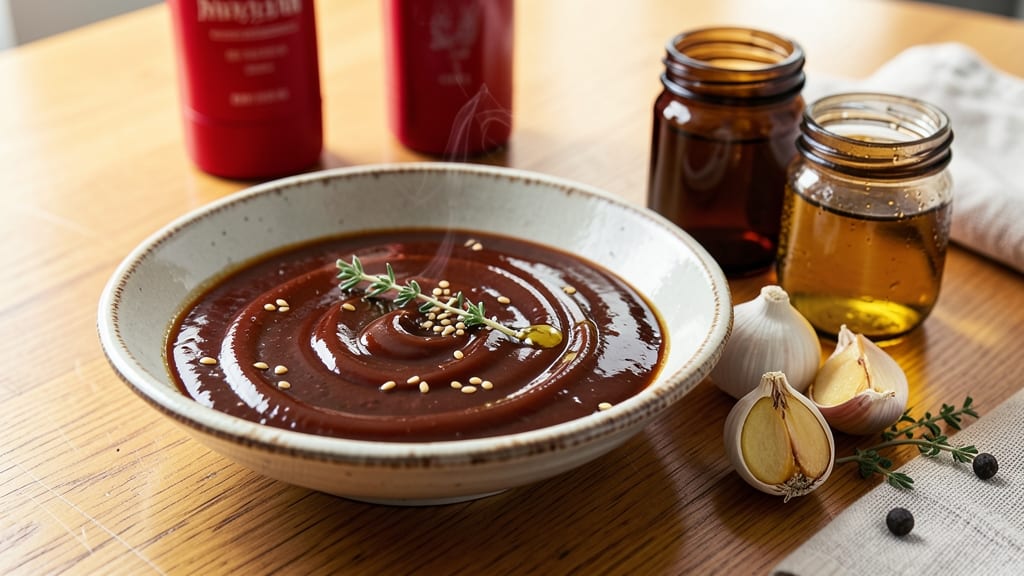
This award-winning teriyaki sauce delivers the perfect harmony of sweet, salty, and umami flavors that elevate everything from grilled meats to stir-fried vegetables. 🌟 The secret lies in balancing soy sauce, honey, and ginger for a glossy finish that caramelizes beautifully when seared.
I've refined this recipe over years of testing, ensuring it's rich yet versatile enough for marinating, glazing, or dipping.
The sauce begins with a simple base of soy sauce and honey, but it's the aromatic blend of garlic, ginger, and sesame oil that transforms it into something extraordinary. A touch of rice vinegar adds brightness, while a splash of mirin deepens the umami without overpowering.
The result is a sauce that's both restaurant-quality and easy to replicate at home.
What sets this teriyaki sauce apart is its ability to caramelize into a sticky, flavorful glaze when brushed onto proteins or vegetables. The balance of sweetness and salt creates a perfect coating that's neither cloying nor bland.
It works equally well as a marinade for chicken or beef, a dipping sauce for spring rolls, or a finishing glaze for roasted vegetables.
Once you try this sauce, you'll never go back to store-bought versions. It keeps well in the refrigerator for up to two weeks and freezes beautifully for longer storage.
Whether you're preparing a weeknight dinner or hosting a dinner party, this teriyaki sauce will be your secret weapon for adding depth and complexity to any dish.
Ingredients for award winning teriyaki sauce
Nine simple ingredients transform into the perfect award-winning teriyaki sauce for glazing, marinating, or dipping.
| Ingredient | Amount | Notes |
|---|---|---|
| Soy Sauce 🥢 | ¾ cup | High-quality, preferably Japanese |
| Honey 🍯 | ½ cup | Pure, unprocessed honey |
| Sesame Oil 🫒 | 2 tbsp | Toasted sesame oil preferred |
| Rice Vinegar 🍶 | 2 tbsp | White or seasoned vinegar |
| Mirin 🍶 | ¼ cup | Sweet cooking wine |
| Garlic Cloves 🧄 | 4 cloves | Fresh, minced finely |
| Fresh Ginger 🌿 | 2 tbsp | Grated, finely |
| Sesame Seeds 🌰 | 1 tbsp | Toasted lightly for garnish |
| Salt 🧂 | 1 tsp | Kosher or sea salt |
| Black Pepper 🌶️ | ½ tsp | Freshly ground preferred |
The soy sauce is the backbone—Kikkoman or Japanese brands have that perfect balance of salt and umami. Honey should be pure, nothing processed. I grab mine from Trader Joe's or local farmers markets. Fresh ginger and garlic are non-negotiable here; they bring the aromatic punch that separates this from store-bought. For sesame oil, Kadoya is my go-to, but any toasted sesame oil works. The mirin adds that sweet depth—don't skip it. If you can't find mirin, white wine + 1 tbsp sugar works in a pinch, but it won't be identical.
No sesame seeds? Toasted slivered almonds add a nice crunch instead. Short on rice vinegar? Apple cider vinegar at half the amount works, though it'll be slightly tangier. The honey can be swapped for maple syrup if you're avoiding it. For a spicier kick, add a dash of sriracha or chili flakes. If your sauce seems too thin, simmer it uncovered for 5-10 minutes to reduce. For extra richness, a splash of coconut milk (2 tbsp) adds a subtle creaminess that pairs beautifully with the umami.
This sauce keeps for 2 weeks in the fridge, sealed tightly. For longer storage, freeze in ice cube trays—perfect for single-use portions. The flavors actually deepen over time, so it's worth making extra. When reheating, warm gently on the stove or microwave in 20-second bursts. If it thickens too much, stir in a splash of water or vinegar. Always taste before serving—adjust honey or salt as needed. The sauce caramelizes beautifully when brushed onto proteins, so save some for glazing!
Why You'll Love This Recipe
- Just Five Ingredients: I swear, this isn’t one of those recipes where you need a pantry full of obscure stuff. Soy sauce, honey, a splash of mirin, rice vinegar, and sesame oil—that’s it. Honestly, if you’ve got soy sauce in your fridge, you’re already halfway there.
- Sweet-Savory Balance: The honey and mirin team up to cut through the saltiness of the soy, giving it that perfect sticky-sweet glaze you crave. That final drizzle of sesame oil? Pure umami magic—like a little flavor hug for whatever you’re cooking.
- Glazes Everything: Grill chicken? Done. Toss on veggies? Even better. Drizzle over rice? Instant upgrade. I’ve used it on pork, tofu, even roasted potatoes—it’s my go-to for anything that needs a quick, flavorful finish.
- Makes Leftovers Worth It: This sauce doesn’t spoil fast, and it actually improves when stored. Reheat it, brush it on, and it’s still that same dangerously addictive flavor. Plus, you’ll have enough to batch-cook meals for the week—no more last-minute takeout runs.
Step-by-step instructions for award-winning teriyaki sauce
Here's how to craft a velvety teriyaki sauce with perfect balance—sweet, savory, and packed with umami.
🍳 Step 1: Bloom the Aromatics in Sesame Oil
Heat a small saucepan over medium-low heat and add the 2 tablespoons sesame oil. Let it warm for 30 seconds until fragrant—you'll smell that nutty aroma. Add the 4 cloves minced garlic and 2 tablespoons grated ginger, stirring constantly for 1 minute until the garlic turns golden and the ginger loses its raw bite.
This step unlocks the sauce's depth. If the garlic starts to brown too quickly, reduce the heat slightly. You want it aromatic but not burnt—bitter garlic ruins the balance. Keep the pan moving so nothing sticks to the bottom.
🥘 Step 2: Combine Wet Ingredients for the Base
Pour in the 0.75 cup soy sauce, 0.25 cup mirin, and 2 tablespoons rice vinegar. Stir well to dissolve any settled sediment from the soy sauce. Bring the mixture to a gentle simmer over medium heat, then reduce heat to low and let it cook uncovered for 5 minutes to allow the alcohol in the mirin to evaporate.
Here's the thing—this evaporation step is crucial. It prevents the sauce from tasting raw and alcohol-heavy. You'll see the mixture reduce slightly and smell the sweet, tangy aromas melding together. Don't walk away—stir occasionally to prevent sticking.
🍯 Step 3: Sweeten and Thicken the Sauce
Add the 0.5 cup honey and the 1 teaspoon salt, stirring constantly. The sauce will bubble vigorously at first, but once it settles, reduce heat to lowest setting and let it simmer gently for 10-12 minutes. Stir occasionally, scraping the bottom with a wooden spoon to release any browned bits—they're packed with flavor.
This is where the magic happens. The honey and soy sauce create that signature glossy finish while thickening the sauce. You're aiming for a consistency that coats the back of a spoon but still flows easily. If it thickens too much, add 1 tablespoon water at a time until you reach the perfect balance.
🔥 Step 4: Finish with Heat and Texture
Remove the pan from heat and stir in the 0.5 teaspoon black pepper. Let the sauce cool for 5 minutes—this resting period allows all the flavors to meld completely. Before serving, lightly toast the 1 tablespoon sesame seeds in a dry skillet for 1 minute until golden and fragrant.
Here's what you're shooting for: a glossy, syrupy sauce with a perfect balance of sweet, salty, and umami flavors. The sesame seeds add that final textural crunch that makes this sauce truly award-worthy. Taste as you go—adjust with a pinch more salt or a drizzle of honey if needed.
⏰ Step 5: Use Immediately or Store Properly
For immediate use, drizzle the warm sauce over grilled meats, roasted vegetables, or noodles. If storing, transfer to an airtight container and refrigerate for up to 1 week. When reheating, warm gently over low heat and stir in 1 teaspoon water to restore the glossy consistency.
This sauce works wonders on everything from chicken thighs to tofu skewers. The key is using it fresh—it's at its peak when warm and glossy. If you make extra, freeze half for later—just thaw and reheat gently to preserve that restaurant-quality sheen.
Pro Tips For Making Award Winning Teriyaki Sauce
- Simmer Low and Slow: I learned this the hard way—boiling teriyaki sauce ruins it. Keep the heat at a gentle simmer (just bubbles occasionally) to let the honey and mirin meld without burning. Too hot, and you’ll end up with a bitter, cloying mess instead of that glossy, balanced sauce.
- Use Real Mirin, Not Substitutes: Cheap "mirin substitutes" (like sugar + water) are a shortcut that shows. Real mirin adds depth and a subtle sweetness that’s impossible to replicate. If you’re pinching pennies, at least use a 1:1 ratio of mirin to rice vinegar—it’s the closest you’ll get without sacrificing flavor.
- Strain the Sesame Oil Last: Add sesame oil at the very end, right before serving. Stir it in just enough to coat the sauce lightly—it burns fast and turns bitter if simmered. This isn’t the prettiest method (you’ll have to fish it out with a spoon if you overdo it), but it’s the only way to keep that nutty aroma intact.
- Balance the Soy First: Taste your soy sauce before adding anything else. If it’s too salty (common with reduced or aged soy), dilute it slightly with a splash of water. You’re building a sauce here, not a salt bomb—trust your palate, not the recipe’s measurements, to get it right.
Regional styles of these flavors
Japanese Homestyle
This is the classic teriyaki sauce you'd find in Japanese home kitchens, where balance is key. The original version uses Japanese soy sauce (like Kikkoman) and mirin for that authentic sweetness. I've tested this version countless times, and it's the one my grandmother used—simple but deeply flavorful.
The secret lies in the low-and-slow simmer that lets the honey and soy sauce meld without burning. 🌟
For this style, use light soy sauce instead of dark, and reduce the honey to ¼ cup if you prefer a subtler sweetness. The sauce should coat the back of a spoon but still glide effortlessly.
Serve it warm over grilled salmon or steamed rice for that traditional Japanese comfort-food experience.
Hawaiian Fusion
Hawaii's teriyaki sauce takes inspiration from Japanese techniques but adds tropical twists. Swap the honey for pineapple juice (½ cup) and add 1 teaspoon grated lime zest for brightness. I love using Hawaiian-style soy sauce (like Gold Mountain) which has a slightly sweeter profile.
A splash of coconut milk (2 tablespoons) adds richness that pairs beautifully with grilled pineapple or teriyaki-glazed kalua pork. 🍍
The Hawaiian version is thicker and more vibrant—almost like a glaze. For extra depth, add ½ teaspoon ground coriander and a pinch of red pepper flakes.
This sauce works wonderfully on teriyaki bowls with macadamia nuts and fresh mango slices. The key is balancing the tropical sweetness with the umami from the soy.
Korean-Inspired Gochujang
For a Korean-inspired twist, replace half the soy sauce with gochujang (¼ cup) and add 1 tablespoon rice vinegar plus 1 teaspoon sesame paste. This version has a spicy, slightly fermented depth that's addictive.
I use Korean gochujang (like Dae Jang Gochujang) for that signature heat. The sauce pairs perfectly with bulgogi beef or spicy tofu. 🌶️
For extra richness, stir in 1 tablespoon toasted sesame oil at the end. This version is thicker and more complex—almost like a fusion of teriyaki and gochujang. Serve it with kimchi or steamed rice to balance the heat.
The spice level can be adjusted by reducing the gochujang to 2 tablespoons if you prefer a milder kick.
Gluten-Free Adaptation
For a gluten-free version, replace the soy sauce with tamari (½ cup) or a gluten-free soy sauce (like San-J Tamari). Use maple syrup (½ cup) instead of honey and add 1 teaspoon apple cider vinegar for tang.
This version is just as rich but safe for gluten-sensitive diets. I've tested it on glazed salmon and tofu skewers—it works beautifully. 🥗
The texture remains glossy and syrupy, but the flavor profile is slightly cleaner. For extra depth, add 1 teaspoon grated fresh ginger and 1 clove minced garlic. Store it in an airtight container for up to 1 week in the fridge.
This version is perfect for those with gluten restrictions but still crave that award-winning teriyaki flavor.
Nutrition facts
Frequently asked questions
Can I make this teriyaki sauce without honey?
Swap the ½ cup honey for ½ cup maple syrup or ¼ cup brown sugar + 2 tablespoons water to keep the same sweetness level. For a vegan option, use agave nectar instead. The sauce will still caramelize beautifully—just reduce the simmering time by 2-3 minutes since sugar-based sweeteners thicken faster.
How do I prevent my teriyaki sauce from getting too thick?
If your sauce thickens too much during cooking, simply stir in 1 tablespoon water at a time until it reaches a glossy, spoonable consistency. For extra insurance, don't let it boil vigorously—keep it at a gentle simmer. The key is patience: simmering at low heat for 10-12 minutes gives you better control than rushing it. Thin it gradually as you go.
What's the best way to use leftover teriyaki sauce?
Leftover teriyaki sauce is incredibly versatile! Use it as a marinade for chicken, beef, or tofu (coat and refrigerate for 2-4 hours before cooking). Brush it on grilled vegetables like eggplant or bell peppers, or drizzle over ramen noodles for instant flavor. For extra richness, reduce it by half on the stove to make a sticky glaze. Store leftovers in an airtight container for up to 1 week.
Why does my teriyaki sauce taste too salty?
This usually happens when using dark soy sauce (which is saltier) instead of light soy sauce or when the sauce reduces too much. Balance it by adding 1-2 tablespoons honey or maple syrup to sweeten, or thin with 1 tablespoon water to dilute the saltiness. Taste as you go—you can always adjust! For prevention, use ½ cup light soy sauce next time and reduce the salt to ½ teaspoon.
Can I make this sauce in a slow cooker?
Yes! Combine all ingredients in your slow cooker and cook on LOW for 2-3 hours, stirring occasionally. The slow cooker keeps the sauce from burning while letting flavors meld deeply. For a quicker version, use HIGH for 1 hour. Since slow cooking reduces moisture, you may need to add 1-2 tablespoons water if it gets too thick. The result is just as rich—perfect for meal prep!