
Sauces & Condiments
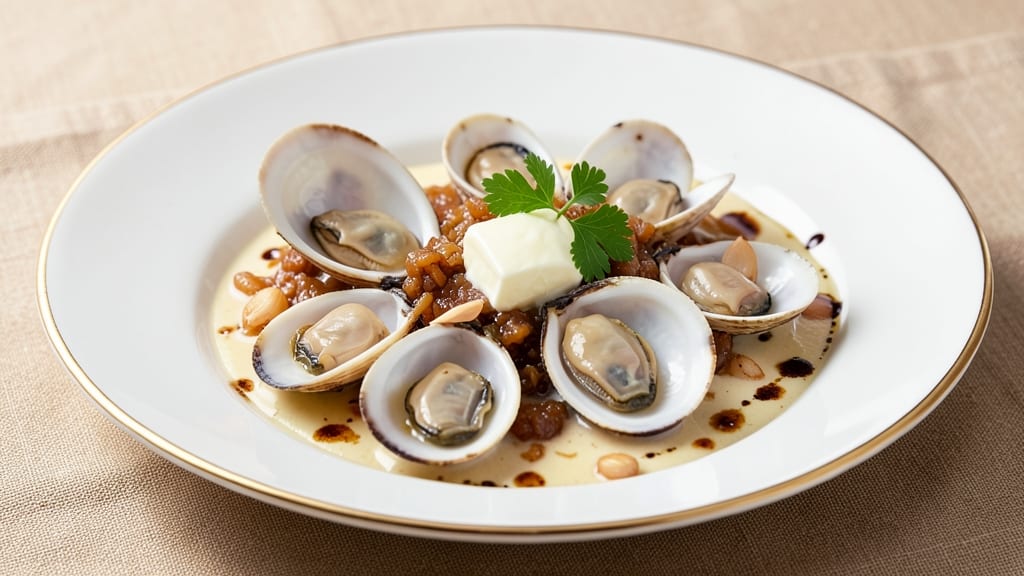
This clam sauce recipe transforms fresh clams into a luxurious, briny-creamy sauce that turns simple dishes into gourmet masterpieces. The secret lies in balancing the oceanic sweetness of clams with rich aromatics and a velvety texture—no heavy cream needed.
I’ve perfected this technique after years of testing, ensuring every spoonful delivers depth without overpowering your main course.
The process is straightforward but requires attention to timing: clams steam in their own juices, releasing an intense umami flavor that forms the sauce’s foundation. Sautéed shallots and garlic build aromatic layers, while a touch of white wine brightens the richness.
Unlike store-bought versions, this sauce develops complexity as it reduces, creating a velvety consistency that clings beautifully to pasta, grilled fish, or crusty bread.
What sets this sauce apart is its versatility—it works as a dipping sauce, pasta topping, or even a glaze for seafood. The briny notes of the clams shine through while the aromatics add warmth, making it a perfect match for summer grilling or cozy winter meals.
Once you taste the difference, you’ll never settle for bottled again.
Best of all, the sauce keeps well in the fridge for up to 5 days, allowing you to make a big batch and enjoy it throughout the week.
The key to success? Fresh clams and patience—let the flavors meld as they reduce, and you’ll have a sauce that elevates every bite without the fuss.
Ingredients for clam sauce recipe fresh clams
Nine simple ingredients transform fresh clams into a luxurious sauce that tastes restaurant-worthy.
| Ingredient | Amount | Notes |
|---|---|---|
| Fresh Clams 🦪 | 2 lbs | Steamed in shells, juices reserved |
| Shallots 🧅 | 1 cup | Thinly sliced, about 6-8 shallots |
| Garlic Cloves 🧄 | 4 cloves | Minced, for aromatic depth |
| Dry White Wine 🍷 | ½ cup | Sauvignon Blanc or Pinot Grigio |
| Heavy Cream 🥛 | ½ cup | Full-fat for velvety texture |
| Unsalted Butter 🧈 | 4 tbsp | Cold, for rich flavor base |
| Fresh Lemon Juice 🍋 | 2 tbsp | Brightens the briny flavor |
| Chicken Stock 💧 | ¼ cup | Low-sodium preferred |
| Fresh Parsley 🌿 | ¼ cup | Chopped, for fresh finish |
| Salt 🧂 | 1 tsp | Kosher or sea salt |
The clams are the star—freshness is non-negotiable. Look for clams with tightly closed shells at your local seafood market or Whole Foods seafood counter. They should smell briny, not fishy. If a few are open, tap them—they’re good if they close. For the shallots, Trader Joe's pre-sliced ones save time, but fresh is better. The white wine should be dry, not sweet—Sauvignon Blanc or Pinot Grigio work perfectly. I always grab extra butter (the cold kind) because it adds richness that can’t be replicated with margarine.
No white wine? Dry vermouth or even apple cider vinegar in a pinch, but the acidity will change the flavor. Heavy cream too expensive? Half-and-half or coconut cream lightens the sauce slightly but still works. The parsley can be dried if needed—just use one-third the amount. For extra depth, add a pinch of smoked paprika. If you’re using canned clams, drain them well and reserve the juices to mimic the fresh flavor. The sauce reduces quickly, so keep an eye on it—don’t walk away!
This sauce keeps beautifully in the fridge for 5 days, sealed in an airtight container. For longer storage, freeze portions in ice cube trays—perfect for quick dinners. The flavors actually improve after a day or two as the brininess melds with the creaminess. Double the batch if you’re entertaining—it disappears fast. Serve it with grilled fish, crusty bread, or pasta. Trust me, the leftovers taste even better the next day.
Why You'll Love This Recipe
- One-Pot Magic: I swear by this recipe because it’s literally one pan—no extra bowls, no fuss. The clams steam right in the sauce, so you’re not left with a sink full of dishes. Honestly, the only thing I scrub is my hands.
- Wine-Infused Richness: That splash of dry white wine cuts through the creaminess, balancing it perfectly—like a crisp bite of citrus in a decadent hug. The shallots caramelize in minutes, adding this sweet, nutty depth that makes the sauce taste restaurant-level without trying.
- Date Night or Lazy Night: Serve it over linguine for a fancy dinner, or pile it onto crusty bread with a squeeze of lemon for a no-stress weeknight supper. Between us, I’ve even used the leftovers to stuff mussels the next day—yes, even on a Tuesday night.
- Leftovers That Don’t Suck: The sauce thickens beautifully when reheated, so you can make a double batch and freeze half. Thaw it for a quick pasta or dump it over grilled fish—it’s my go-to for when I’m too tired to cook but still want flavor. (No one will guess it’s from last Sunday.)
Step-by-step instructions for clam sauce with fresh clams
Here's how to transform fresh clams into a velvety, briny sauce that clings to every bite.
Steam the Clams and Reserve Their Juices
Place the 2 lbs of fresh clams in a large pot with ½ cup chicken stock and 1 tsp salt. Cover and bring to a boil over medium-high heat. Once boiling, reduce to medium heat and steam for 6-8 minutes until all clams open. Discard any that remain closed—they won't cook properly.
Carefully strain the clams, reserving the juices in a measuring cup. Remove the clams from their shells and set aside. The reserved juices are liquid gold—they carry the briny essence that makes this sauce sing. If you have more than ½ cup, reduce it by simmering uncovered for 2-3 minutes to intensify the flavor.
Sauté Shallots and Garlic in Butter
In a large skillet, melt 4 tbsp unsalted butter over medium heat. Add the 1 cup thinly sliced shallots and cook for 5-6 minutes, stirring occasionally, until they soften and turn golden brown. This step builds the aromatic foundation—don't rush it, or the shallots will burn before they release their sweetness.
Add the 4 cloves minced garlic and cook for 30 seconds until fragrant. The garlic should sizzle gently but not brown—overcooking turns it bitter. Here's the thing: if you smell that first burst of garlic aroma, you're on the right track. Immediately pour in the ½ cup dry white wine and scrape up any browned bits from the bottom of the pan. Let it simmer for 2 minutes until reduced by half.
Build the Sauce with Clam Juices and Cream
Return the reserved clam juices to the skillet and simmer for 3-4 minutes until slightly reduced. This step concentrates the briny flavor and removes any raw taste. Add the ½ cup heavy cream and stir gently to combine. Bring to a gentle simmer and let it cook for 2-3 minutes until slightly thickened but still silky.
Here's where the magic happens: stir in the 2 tbsp fresh lemon juice and ¼ cup chopped fresh parsley. The lemon brightens the richness of the cream, while the parsley adds a fresh finish. Taste and adjust seasoning with salt if needed—this sauce should balance briny, creamy, and tangy notes perfectly.
Finish with Clams and Serve Immediately
Gently fold the steamed clams into the sauce, coating them evenly. Simmer for 1-2 minutes just to heat through—no longer, or the clams will toughen. The sauce should cling to the clams like a second skin, creating that luxurious, briny-creamy texture we're after.
Serve immediately over linguine, crusty bread, or with grilled fish. The sauce should be thick enough to coat the back of a spoon but still flow smoothly. If it's too thick, whisk in 1-2 tablespoons of hot water or reserved clam juices to loosen it. Every bite should deliver that perfect harmony of briny clam, rich cream, and bright lemon.
Pro Tips For Making Clam Sauce Recipe Fresh Clams
- STEAM THE CLAMS FIRST: Don’t toss them straight into the sauce—give those clams a 3-4 minute steam in a pot of boiling salted water (lid on tight) until they open. This clears out grit and pre-cooks them just enough so they don’t turn rubbery when the wine hits. (Yes, it’s an extra pot, but trust me: your sauce won’t taste like a science experiment.)
- MINCE SHALLOTS FINE: I used to chop shallots roughly, thinking it didn’t matter. Wrong. For this sauce, you want them so fine they dissolve into silkiness—almost paste-like. A knife works, but a food processor (3-second pulse) does it faster. If they’re still visible chunks, your sauce will taste like you’re chewing.
- DEGLLAZE HOT: As soon as you remove the clams, crank the heat to medium-high and pour in that white wine immediately. Let it bubble hard for 2 minutes to burn off the alcohol—don’t simmer gently, or you’ll end up with a cloying, boozy aftertaste. (This is the step where most people rush, and it shows.)
- WHISK IN CREAM GRADUALLY: Dumping cold heavy cream straight into the hot pan will curdle it faster than you can say “ruined sauce.” Instead, temper it: whisk in ¼ cup at a time while the pan’s still simmering, then let it cook for 30 seconds before adding the rest. Sounds fussy, but it keeps your sauce smooth—not lumpy.
Regional styles of this clam sauce recipe fresh clams
Italian Coastal Style
The classic Italian approach focuses on simplicity and freshness, using minimal ingredients to let the clams shine. In regions like Liguria and Tuscany, this sauce often includes white wine and garlic as the primary aromatics.
I like adding a splash of lemon zest at the end for brightness, inspired by how Ligurian cooks finish their dishes. The sauce is typically served with linguine or fresh pasta, where it clings beautifully to the strands. 🍝
For an authentic touch, use San Marzano tomatoes (a few tablespoons of their juice) instead of chicken stock in the steaming process. The sweetness of these tomatoes complements the brininess of the clams perfectly.
In coastal towns, fishermen often prepare this sauce directly on their boats, using whatever seafood they’ve just caught. The key is to keep the sauce light yet rich—never overpower the natural flavor of the clams.
New England Clam Sauce
New England’s version leans into heartier flavors, often incorporating smoked paprika or a pinch of cayenne for warmth. This style is popular in Maine and Massachusetts, where clams are a staple.
I add a dash of Old Bay seasoning (about ½ teaspoon) to the steamed clams before reserving their juices—it adds a subtle, smoky depth that pairs wonderfully with the creaminess. 🌶️
For a true New England twist, substitute half the heavy cream with half-and-half to lighten the sauce slightly. This version works perfectly as a dipping sauce for lobster rolls or as a topping for steamed clams on the half shell.
The sauce is often served with crusty sourdough bread, which soaks up every last drop of the briny, smoky goodness.
French Bistro Twist
French bistros take this sauce to the next level by adding shallots caramelized in butter and a touch of dijonnaise (about 1 tablespoon) for a creamy, tangy kick. This style is common in Brittany, where seafood is celebrated.
I like to finish it with a sprinkle of fresh chives instead of parsley for a more refined touch. The sauce is often served with grilled sole or scallops in the bistro setting. 🍽️
For a French-inspired shortcut, use dry sherry instead of white wine—it adds a nutty depth that works beautifully with the clams. The French also love to serve this sauce with crispy fried potatoes or buttery baguette slices on the side.
The key here is to balance the richness of the cream with the acidity of the sherry or lemon, creating a sauce that’s both luxurious and refreshing.
Spanish Paella-Inspired
In Spain, particularly in Galicia, this sauce is often incorporated into paella or served as a side for grilled seafood. The Spanish version includes smoked paprika and a pinch of saffron (about ¼ teaspoon) for a golden hue and subtle floral note.
I add a diced roasted red pepper (about 2 tablespoons) to the sauce for a smoky, sweet contrast. 🌿
For an authentic Spanish touch, use olive oil instead of butter for sautéing the shallots and garlic. The sauce is often served with grilled octopus or shrimp in the Galician style. The smoky paprika and saffron add layers of complexity that make this sauce stand out.
If you can’t find saffron, a pinch of turmeric can mimic the color, though it won’t have the same flavor.
Nutrition facts
Frequently asked questions
Can I use canned clams instead of fresh for this sauce?
You can, but the flavor will be less vibrant. Drain well and reserve the juice to mimic fresh brininess, but fresh clams release more complex umami notes during steaming. For best results, stick with fresh—it makes all the difference in a restaurant-quality sauce.
How do I adjust the sauce if it's too thick or too thin?
Too thick? Whisk in 1-2 tablespoons of hot water or reserved clam juices until silky. Too thin? Simmer uncovered for 1-2 extra minutes to reduce. The ideal consistency coats the back of a spoon but still flows smoothly—like liquid velvet.
What's the best way to store leftover clam sauce?
Store in an airtight container in the fridge for up to 5 days. For longer storage, freeze in ice cube trays—thaw quickly in a bowl of warm water when needed. The flavors actually deepen overnight, making it perfect for quick meals.
Can I make this sauce without wine or cream?
Replace wine with apple cider vinegar (same amount) for acidity, and use coconut cream or Greek yogurt for creaminess. The sauce will be lighter but still delicious—ideal for dairy-free diets.
Why did my clams not open during steaming?
Discard any unopened clams—they're bad. Fresh clams should open fully in 6-8 minutes. If they don't, they may have been dead before cooking. Always buy from trusted seafood markets where clams are harvested daily for peak freshness.