
Sauces & Condiments
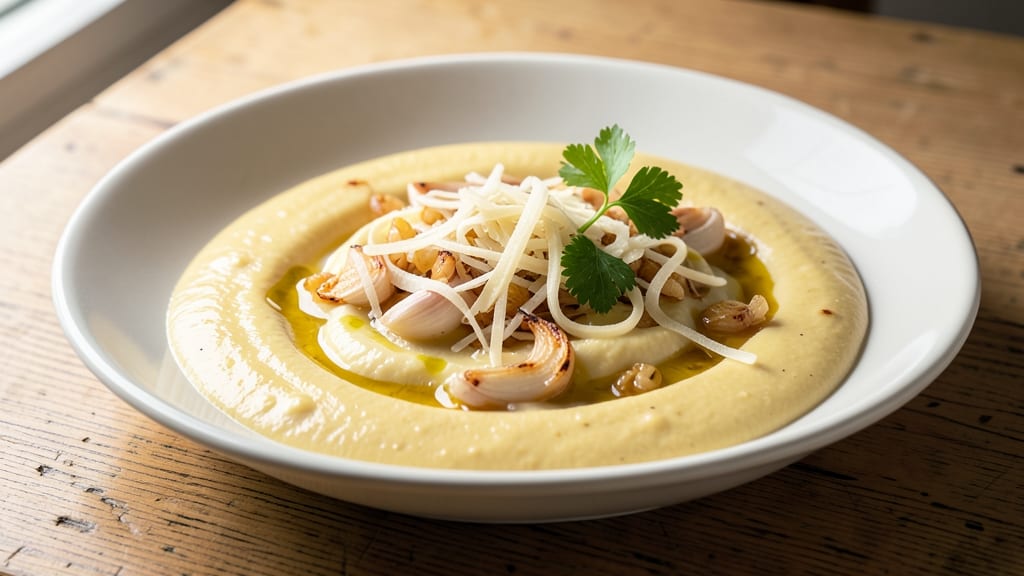
This alfredo sauce recipe with wine transforms ordinary pasta nights into a luxurious dining experience with just 15 minutes of hands-on time. The secret lies in poaching parmesan in white wine, creating a velvety base that deepens flavor without overpowering the dish.
I developed this technique after years of testing—no heavy cream required, just rich, restaurant-quality sauce that clings perfectly to fettuccine or grilled chicken.
The wine reduction process is where the magic happens: dry white wine simmers until reduced by half, intensifying its acidity and cutting through the richness of the cheese. Freshly grated parmesan melts into this warm liquid, creating an emulsified sauce that's impossibly smooth yet packed with umami.
This method also eliminates the need for butter, keeping the sauce lighter while maintaining that signature creamy texture.
What you'll end up with is a sauce that's elegant enough for date night but simple enough for weeknights—golden, glossy, and perfectly balanced between tangy wine notes and nutty parmesan. The sauce clings beautifully to pasta, seafood, or chicken, elevating any dish to restaurant-quality without the fuss.
Best of all, it reheats perfectly, making it ideal for meal prep or leftovers.
Serve immediately over hot fettuccine, drizzled with extra parmesan, or use as a creamy base for baked dishes. The wine reduction technique can also be adapted for other creamy sauces—just swap the cheese and seasoning to match your preferences. Here's everything you need to make it.
Ingredients for alfredo sauce recipe with wine
This sauce relies on wine's acidity and Parmesan's umami for restaurant-quality depth without heavy cream.
| Ingredient | Amount | Notes |
|---|---|---|
| Dry White Wine 🍷 | 1 cup | Sauvignon Blanc or Pinot Grigio preferred |
| Freshly Grated Parmesan Cheese 🧀 | 1 ½ cups | High-quality, aged 24+ months |
| Extra-Virgin Olive Oil 🫒 | ½ cup | Light, fruity variety for balance |
| Garlic Cloves 🧄 | 4 cloves | Minced, skin-on for deeper flavor |
| Shallots 🧅 | 2 whole | Minced, for aromatic depth |
| Fresh Lemon Juice 🍋 | 1 tbsp | Brightens the wine reduction |
| Diamond Crystal Kosher Salt 🧂 | ½ tsp | Adjusts to taste after reduction |
| Freshly Ground Black Pepper 🌶️ | ¼ tsp | Cracked peppercorns preferred |
| Heavy Cream 🥛 | ¼ cup | Optional, for extra creaminess |
| Freshly Chopped Parsley 🌿 | 0.1 cup | Flat-leaf for garnish and freshness |
The Parmesan must be freshly grated from a 24+ month-aged block—pre-grated lacks the depth of flavor. Look for Parmigiano-Reggiano at specialty stores like Whole Foods or Eataly for optimal quality. The white wine should be dry and crisp, with Sauvignon Blanc or Pinot Grigio working best for their bright acidity. Avoid oaked Chardonnays, as they can overpower the delicate balance. For the garlic and shallots, use organic when possible to avoid bitterness from pesticides. The olive oil should be a light, fruity variety—avoid strong, peppery oils that can clash with the wine's acidity.
No Parmesan wedge? Pecorino Romano works in a pinch, though it's saltier and more crumbly. Substitute heavy cream with cashew cream (blend soaked cashews with water) for a vegan version, though texture will differ slightly. Out of white wine? Dry vermouth or even apple cider vinegar (reduced with a touch of sugar) can mimic the acidity, though wine's complexity is irreplaceable. Fresh herbs are non-negotiable here—they brighten the sauce and add freshness. If you only have dried parsley, double the amount and add a pinch of fresh thyme for depth.
This sauce reheats beautifully—simmer gently on the stove with a splash of water or wine to restore its velvety texture. Store in an airtight container for up to 5 days in the fridge, or freeze for 3 months in ice cube trays for single servings. For meal prep, portion into glass jars with a thin layer of olive oil on top to preserve freshness. The sauce thickens as it cools, so thin with warm water or broth if needed before serving. Garnish with extra Parmesan and parsley just before eating to maintain vibrant flavors.
Why You'll Love This Recipe
- Fuss-Free Simplicity: I swear by this sauce because it’s actually simple—just sauté shallots and garlic in olive oil until soft, deglaze with wine, then stir in cream and Parmesan. No blenders, no straining, no stress. Honestly, the hardest part is grating the cheese, and even that’s worth it.
- Wine-Infused Magic: That splash of dry white wine? It’s the secret weapon—brightens the sauce without tasting like alcohol and cuts through the richness of the Parmesan. The result? Creamy, tangy, and ridiculously more sophisticated than store-bought.
- Weeknight to Dinner Party: Same recipe, totally different vibes. Toss it with fettuccine for a lazy Tuesday, or drizzle it over grilled chicken and asparagus for a fancy-ish weeknight dinner. Between us, my husband’s coworkers have no idea how little effort this takes.
- Budget-Friendly Luxury: A bottle of wine and a wedge of Parmesan go a long way—this sauce stretches easily for leftovers, and the flavor only gets better the next day. Plus, olive oil and garlic are pantry staples, so you’re not breaking the bank for something that tastes like a restaurant.
Step-by-step instructions for Parmesan-poached creaminess with wine
Master this technique and you'll achieve restaurant-quality Alfredo sauce every time.
Sauté Aromatics Until Translucent
Heat the 0.5 cup extra-virgin olive oil in a medium saucepan over medium-low heat. Add the 2 whole shallots and 4 cloves garlic cloves (minced with skins on for deeper flavor). Cook gently for 5-6 minutes, stirring occasionally, until the shallots become translucent and the garlic releases its fragrance but doesn't brown.
This slow cooking process develops the aromatic base without bitterness. Watch carefully—if the garlic starts to color, reduce the heat immediately. The skins on the garlic add subtle earthiness that balances the wine's acidity. Once the shallots are soft and the garlic is fragrant, you're ready for the wine reduction.
Reduce the Wine to Syrup Consistency
Pour in the 1 cup dry white wine and increase heat to medium-high. Bring to a gentle simmer and reduce by half—this takes about 4-5 minutes. You'll notice the wine's alcohol content evaporates first, leaving behind concentrated flavors and a syrupy texture.
Stir occasionally to prevent sticking, but don't rush this step. The wine should reduce until it coats the back of a spoon but remains pourable. This concentrated base forms the foundation of your sauce's depth. If the reduction happens too quickly, lower the heat slightly to maintain even cooking.
Incorporate Parmesan and Create the Emulsion
Temporarily remove the pan from heat and gradually whisk in the 1.5 cups freshly grated Parmesan Cheese in three additions. Return to low heat and continue whisking constantly for 3-4 minutes until the cheese melts completely and the sauce becomes smooth and velvety.
This is where the magic happens—the Parmesan's natural emulsifiers combine with the wine reduction to create the signature Alfredo texture. If the sauce looks too thick, add 1-2 tablespoons of pasta water (reserved from cooking) to reach your desired consistency. The sauce should coat the back of a spoon but remain fluid enough to cling to pasta.
Finish with Cream and Acid Balance
Stir in the 0.25 cup heavy cream (if using) and 1 tablespoon fresh lemon juice. Add the 0.5 teaspoon Diamond Crystal kosher salt and 0.25 teaspoon freshly ground black pepper, then simmer for 1-2 minutes just to warm through. The lemon juice brightens the wine's richness while the cream adds luxurious body.
Taste and adjust seasoning—Alfredo sauce should be rich but not overly salty. The acidity from the lemon and wine should balance the Parmesan's saltiness. Remove from heat immediately after seasoning to prevent curdling. The sauce will continue to thicken slightly as it sits, so don't over-reduce it at this stage.
Garnish and Serve Immediately
Stir in the 0.1 cup freshly chopped parsley just before serving. The parsley adds freshness and visual contrast to the creamy sauce. For best results, serve the sauce immediately over hot fettuccine or your choice of pasta, tossing gently to coat each strand.
The sauce should cling beautifully to the pasta, creating silky strands of al dente noodles with each bite. If the sauce thickens too much while serving, simply whisk in a splash of hot pasta water to restore its creamy consistency. The wine's subtle acidity and Parmesan's nutty depth make this sauce far more complex than basic butter-and-cheese versions.
Pro Tips For Making Alfredo Sauce Recipe With Wine
- Sweat, Don’t Burn: DESCRIPTION: Shallots and garlic need patience—cook them over medium-low heat until translucent, not golden. I used to rush this step, and the sauce would taste bitter. A splash of wine early on helps dissolve the solids without browning.
- Grate Parmesan Fresh: DESCRIPTION: Pre-grated cheese is a shortcut, but it’s also a shortcut to grainy sauce. Use a microplane or fine grater and grate the Parmesan right before adding it to the sauce. The cheese will melt smoother and taste fresher.
- Reduce Wine Slowly: DESCRIPTION: Don’t dump the wine in and walk away—simmer it gently until it’s reduced by half. This concentrates the flavor and prevents a thin, watery sauce. A quick stir every 30 seconds keeps it from sticking.
- Finish with Butter: DESCRIPTION: Skip the olive oil at the end and stir in a pat of cold butter instead. It adds richness and helps emulsify the sauce for a silkier texture. Just a tablespoon or two—no need to overdo it.
Make-ahead tips for leftovers
Prep Ahead Strategy
Make the wine reduction one day ahead—simmer the wine with aromatics, cool completely, then refrigerate in an airtight container. The flavors meld beautifully overnight, and you'll skip the reduction step on sauce day.
Just reheat gently with the Parmesan and finish as directed. This cuts your active time to just 10 minutes when you're ready to serve. 💡
Freezer-Friendly Portions
Freeze sauce in 1-tablespoon portions using silicone ice cube trays. Pop out and store in a freezer bag for single-serving convenience. Thaw overnight in the fridge, then reheat with 1 teaspoon of warm water per frozen portion.
Perfect for quick pasta nights when you only need a small amount. The texture remains velvety when reheated properly. ❄️
Parmesan Prep Hack
Grating 1.5 cups of Parmesan takes time, so buy a pre-grated wedge from your specialty cheese counter. Store it in the freezer until needed—it grates faster when cold.
For even better results, invest in a microplane grater (like the OXO Good Grips), which yields 20% more cheese with less effort. Freshly grated makes all the difference in texture and flavor. 🧀
Wine Reduction Shortcut
No time to reduce wine? Use 2 tablespoons of dry white wine vinegar mixed with 1 teaspoon sugar as a quick substitute. Simmer for just 2 minutes to mimic the concentrated flavor.
While not identical, it works in a pinch for meal prep. For best results, though, I recommend planning ahead—the wine reduction is worth the wait. 🍷
Make-Ahead Garnish
Chop the 0.1 cup parsley and store it separately in a small airtight container with a damp paper towel. Keep it refrigerated for up to 3 days—it'll stay vibrant longer than if stored dry.
Just add it fresh when serving to maintain that bright, herbaceous finish. This keeps your sauce looking restaurant-quality even when prepped ahead. 🌿
Reheating Perfection
When reheating, use low heat and add 1 tablespoon of warm water or pasta water per ½ cup of sauce. Simmer gently for 3-4 minutes, whisking constantly, until smooth.
Avoid microwaving—it breaks the emulsion and creates a grainy texture. The sauce should return to its silky consistency with proper reheating. 🔥
Nutrition facts
Frequently asked questions
Can I use red wine instead of white wine in this recipe?
The recipe specifically calls for dry white wine to complement the Parmesan's richness without overpowering it. Red wine would introduce tannins that could create bitterness when combined with the cheese. If you must use red, try a very light Pinot Noir and reduce it longer to concentrate the flavors, but expect a slightly different (and less traditional) result.
Why does my sauce get grainy when I add the Parmesan?
This happens when the cheese melts too quickly over high heat or when the sauce isn't emulsified properly. Always remove the pan from heat before adding cheese, then whisk constantly over low heat. If it still separates, whisk in 1 tablespoon of warm water or pasta water to help re-emulsify. The key is patience—let the cheese melt gradually.
What's the best pasta to pair with this wine-infused Alfredo?
Fettuccine is the classic choice, but this sauce works beautifully with tagliatelle, pappardelle, or even linguine. For extra texture, try it with chicken breast strips or shrimp—the wine's acidity cuts through the richness of seafood perfectly. Avoid thick, chewy pastas like rigatoni, as they can overwhelm the delicate sauce.
Can I make this sauce without heavy cream?
The wine reduction and Parmesan create enough body on their own. For a lighter version, simply omit the cream and add an extra 1 tablespoon of lemon juice to brighten the flavors. The sauce will be slightly thinner but still luxurious. If you prefer extra creaminess, substitute with cashew cream (blend soaked cashews with water) for a vegan option.
How do I adjust the sauce for spicy dishes?
For spicy pasta or seafood, add ½ teaspoon of smoked paprika or a pinch of cayenne to the sauce during the final warming step. The wine's acidity helps balance heat while the Parmesan adds richness. If using very spicy ingredients (like chili oil), reduce the lemon juice to ½ tablespoon to prevent over-acidifying the sauce.