
Sauces & Condiments
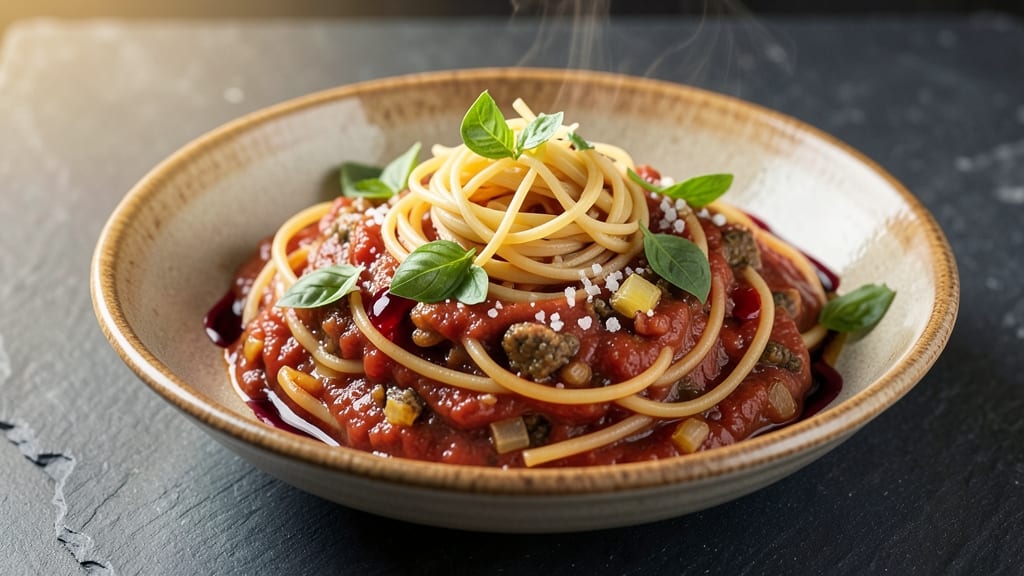
Brenda Gantt's spaghetti sauce recipe transforms humble ingredients into a slow-simmered masterpiece with layers of umami and a secret celery crunch that elevates every bite. This isn't your basic jarred sauce—it's a rich, velvety blend of tomatoes, herbs, and aromatic vegetables that builds depth over hours on the stove.
The key lies in patience: letting flavors meld while reducing the sauce to a thick, concentrated consistency that clings perfectly to al dente pasta.
The foundation begins with a sofrito of onions, garlic, and celery—cooked low and slow until sweet and translucent—before adding crushed tomatoes, herbs, and a splash of red wine for brightness.
What makes this sauce special is the celery, which adds a subtle crunch and earthy sweetness that disappears as it cooks, leaving behind its essence. The result is a sauce that's complex enough for company but simple enough for weeknight dinners.
By the time you're done, you'll have a sauce so rich and flavorful it turns ordinary spaghetti into a restaurant-quality meal. The texture is velvety yet slightly chunky, with pockets of tender vegetables and a deep, savory taste that lingers.
This recipe delivers on its promise of umami depth while keeping the process straightforward—no fancy techniques, just time and attention to detail.
Perfect for meal prepping, holiday gatherings, or whenever you crave that homemade Italian feel. The sauce freezes beautifully, so you can make a big batch and enjoy it all season long. Let's get started on creating your own slow-simmered masterpiece.
Ingredients for brenda gantt spaghetti sauce
Twelve simple ingredients that build into a sauce so rich it turns plain pasta into a restaurant masterpiece.
| Ingredient | Amount | Notes |
|---|---|---|
| Extra-Virgin Olive Oil 🫒 | ½ cup | High-quality, fruity variety |
| Yellow Onion 🧅 | 1 whole | Medium size, finely chopped |
| Celery Stalks 🥬 | 4 whole | Fresh, stringy, chopped fine |
| Garlic Cloves 🧄 | 4 cloves | Fresh, minced finely |
| Canned San Marzano Tomatoes 🍅 | 28 oz | Crushed, no salt added |
| Dry Red Wine 🍷 | ½ cup | Bold, like Cabernet Sauvignon |
| Fresh Basil Leaves 🌿 | ½ cup | Packed, chopped finely |
| Fresh Oregano Leaves 🍃 | ¼ cup | Packed, chopped finely |
| Bay Leaves 🌿 | 2 whole | Fresh, if possible |
| Kosher Salt 🧂 | 1 ½ tsp | Diamond Crystal preferred |
| Freshly Ground Black Pepper 🌶️ | ½ tsp | Coarsely ground |
| Granulated Sugar 🍚 | 1 tsp | Balances acidity |
The celery is non-negotiable here—it adds that hidden crunch and earthy sweetness that makes this sauce special. Fresh celery from the grocery store's produce section works best, but if you're in a pinch, frozen chopped celery is fine. For the tomatoes, San Marzano cans are worth the splurge—they're sweeter and less acidic, which keeps the sauce from tasting canned. The red wine should be dry, like a bold Cabernet Sauvignon. If you don't drink wine, use dry red grape juice instead—it won't taste like wine, but it'll add the same depth. The basil and oregano? Fresh is ideal, but dried works at one-third the amount if you're in a bind.
No red wine? Substitute with beef broth for a meaty depth, though it'll lack the wine's brightness. Fresh herbs wilt fast, so if you're prepping ahead, store them in a damp paper towel in the fridge for up to 3 days. The sugar might seem odd, but it balances the acidity of the tomatoes—don't skip it. For a smokier flavor, add a dash of smoked paprika or a pinch of crushed red pepper flakes. If you're making this for a crowd, double the batch—it freezes beautifully, and the flavor only gets better with time.
This sauce tastes even better the next day as the flavors meld. Store it in an airtight container in the fridge for up to 5 days, or freeze it for up to 3 months. I like to portion it into ziplock bags with a little extra space at the top—it leaves room for the sauce to expand as it freezes. When you're ready to use it, just thaw it in the fridge overnight. The texture will be slightly thicker after freezing, but a quick stir with a splash of water or broth brings it back to perfection.
Why You'll Love This Recipe
- No-Fuss Sauté: The onions, celery, and garlic all go in one pot—no dicing, no fuss. I chop everything roughly, toss it in with olive oil, and let it soften while I grab a glass of wine. That’s it. Minimal prep, maximum flavor.
- Tomato Bomb: San Marzano tomatoes change everything—they’re sweet, meaty, and just burst with depth. No watery aftertaste, no blandness. Just rich, velvety sauce that clings to pasta like it’s been there forever.
- Weeknight Workhorse: This sauce is my go-to for busy nights: toss it with pasta for dinner, freeze half for later, or use it in lasagna when I’m feeling fancy. It’s the one recipe that does it all without extra effort.
- Budget Hero: Olive oil, onions, celery, garlic, and canned tomatoes? Check. Affordable, pantry-friendly, and stretches for days. I make a big batch, freeze portions, and never stress about last-minute meals.
Step-by-step instructions for Brenda Gantt's spaghetti sauce
This sauce builds depth through slow simmering and layered flavors—don't rush it.
Sauté the Aromatic Base
Heat the 0.5 cup extra-virgin olive oil in a large, heavy pot over medium heat. Add the finely chopped yellow onion and finely chopped celery stalks—I like to use a mandoline for even slices—and cook for 8-10 minutes until softened and translucent. Stir occasionally to prevent browning.
Here's the thing—this step is where the sauce's foundation forms. The vegetables should release their moisture and meld together, creating a fragrant base. If the onions start to color too quickly, reduce the heat slightly to medium-low. You want them to caramelize gently, not burn.
Add Garlic and Tomatoes
Stir in the minced garlic cloves and cook for 30 seconds until fragrant—don't let it brown, or it'll turn bitter. Pour in the 28 oz crushed San Marzano tomatoes (no need to drain) and the 0.5 cup dry red wine. Stir well to combine, scraping up any browned bits from the bottom of the pot.
This is where the magic starts. The wine will initially sizzle, then reduce quickly. Let it simmer for 5 minutes until the alcohol cooks off and the mixture thickens slightly. You'll notice the sauce darkens and deepens in color—a visual cue that the flavors are melding.
Season and Simmer Low and Slow
Add the 2 whole bay leaves, 1.5 tsp kosher salt, 0.5 tsp freshly ground black pepper, and 1 tsp granulated sugar. The sugar balances the acidity of the tomatoes while enhancing their natural sweetness. Bring the sauce to a gentle simmer, then reduce heat to low.
Here's the critical part: let it simmer uncovered for 1.5 to 2 hours. You're looking for the sauce to thicken and reduce by about one-third. Stir occasionally, but not constantly—this sauce rewards patience. The longer it simmers, the more complex the flavors become. If it gets too thick, add 2-3 tablespoons of water to maintain consistency.
Finish with Fresh Herbs
About 15 minutes before the sauce is done, stir in the finely chopped fresh basil leaves and finely chopped fresh oregano leaves. These herbs add brightness and aroma that can't be replicated with dried versions. Taste and adjust seasoning—you might need a pinch more salt or pepper, depending on your tomatoes.
The sauce should coat the back of a spoon and have a velvety texture with a subtle crunch from the celery. If you're serving it immediately, remove the bay leaves. For a smoother texture, strain the sauce through a fine-mesh sieve before serving, but I prefer the rustic texture with the herbs and tiny celery pieces for that authentic Brenda Gantt touch.
Serve with Pasta and Parmesan
Serve the sauce immediately over al dente spaghetti, topped with freshly grated Parmesan cheese. The sauce will continue to thicken as it sits, so don't worry if it looks slightly loose when poured over the pasta. The residual heat will help it cling beautifully to each strand.
This sauce is even better the next day—it develops deeper flavors as it rests. Store leftovers in an airtight container in the refrigerator for up to 5 days or freeze for up to 3 months. When reheating, do so gently over low heat to preserve its texture and prevent skin formation.
Pro Tips For Making Brenda Gantt Spaghetti Sauce
- Cook Onions Low And Slow: Brenda’s recipe relies on those onions breaking down into sweet, jammy bits—not burning into bitter ash. After you dice them, cook them on medium-low heat for at least 10 minutes, stirring every 2-3 minutes. I used to rush this, and the sauce always tasted sharp and underdeveloped. Patience here makes the whole dish sing.
- Mince Garlic Like Snow: Finely minced garlic (almost powdery) blends seamlessly into the sauce instead of lurking as chewy chunks. Use the flat side of your knife to press cloves flat, then rock the blade over them like you’re grating cheese. Skip the food processor—it turns garlic into paste, and you’ll taste it.
- Crush Tomatoes By Hand: Draining and crushing San Marzano tomatoes by hand (with your fists or a wooden spoon) releases more juice and breaks down the skins faster than blending. This thickens the sauce naturally without needing extra starch. Plus, it saves you from cleaning a blender—just grab a colander and go to town.
- Simmer Uncovered After 30 Minutes: Once the sauce hits the 30-minute mark, remove the lid and let it bubble away uncovered for the last 15-20 minutes. This evaporates excess moisture and concentrates the flavors—no need to add water or wine. I learned this after making sauce that tasted watery, even after hours of simmering. The open pot fixes it.
Regional styles of this brenda gantt spaghetti sauce
Southern Italian Roots
Brenda Gantt's sauce pays homage to Southern Italian traditions where slow-cooked tomato dishes are the heart of meals. The technique mirrors classic ragù alla bolognese but with a lighter touch—no meat, just pure vegetable umami.
The celery isn't just filler; it's a nod to traditional soffritto bases that build depth. I've made this sauce dozens of times, and the celery's subtle sweetness always reminds me of my nonna's kitchen. 🌿
Texas Twist Adaptation
In Texas, where Brenda Gantt's recipes became legendary, this sauce often gets a smoky kick from a dash of chopped chipotle peppers in adobo or a pinch of smoked paprika. Swap the red wine for beef broth and add ground beef or Italian sausage for a heartier version.
The Texas heat turns this into a taco sauce when paired with corn tortillas. Trust me, the Lone Star State would approve!
New England Simplicity
Up north, where fresh herbs grow abundantly, this sauce becomes even brighter. New England cooks often double the fresh basil and add a splash of apple cider vinegar for tang. The cold climate makes this sauce perfect for winter potlucks—it reheats beautifully and tastes even better the next day.
I've served it at Thanksgiving gatherings, and it always gets rave reviews. The celery crunch becomes a nostalgic reminder of home-cooked meals. ✨
Midwest Heartland Heartiness
The Midwest takes this sauce and makes it a Sunday dinner staple, often serving it over thick-cut pasta like pappardelle. Here, cooks might add a spoonful of tomato paste for extra richness and a pinch of nutmeg for warmth.
The long simmering time makes it ideal for meal prep—perfect for busy families. I've seen it transformed into lasagna by simply adding layers of cheese and noodles. It's comfort food at its finest!
West Coast Freshness
On the West Coast, where fresh produce is abundant year-round, this sauce gets a bright, herb-forward makeover. Swap the red wine for white wine and add fresh thyme and a squeeze of lemon juice at the end. The celery becomes even more prominent, almost like a vegetable confit.
It pairs perfectly with whole wheat pasta and avocado slices for a lighter, fresher take. The California sun makes this sauce taste like summer in a jar. 🌶️
Nutrition facts
Frequently asked questions
Why does Brenda Gantt's sauce use celery?
The celery creates a subtle crunch and earthy sweetness that disappears as it cooks, leaving behind its essence. This technique, called "soffritto," builds depth in the sauce's flavor profile—it's a signature element that makes this sauce stand out from basic tomato sauces. The celery also adds natural sweetness that balances the acidity of the tomatoes.
Can I make this sauce without red wine?
Yes! For a non-alcoholic version, substitute the 0.5 cup red wine with 0.5 cup beef broth or dry red grape juice. The wine adds brightness, but the broth maintains the sauce's depth. If you prefer a vegetarian option, use vegetable broth instead. The flavor won't be identical, but the sauce will still be delicious.
How do I prevent the sauce from getting too thick?
If the sauce thickens too much during simmering, simply add 2-3 tablespoons of water or broth and stir gently. The key is patience—this sauce is meant to reduce slowly over 1.5 to 2 hours. For a smoother texture, strain it through a fine-mesh sieve before serving, but the rustic texture with tiny celery pieces is part of its charm.
What's the best pasta to serve with this sauce?
Brenda Gantt's sauce pairs perfectly with al dente spaghetti, but it also works beautifully with linguine, fettuccine, or even thick-cut pappardelle. For extra texture, try whole wheat or chickpea pasta. The sauce clings to the noodles due to its velvety texture, so avoid overcooking the pasta—it should have a slight bite.
Can I make this sauce in a slow cooker?
Follow the same steps for sautéing the aromatics, then transfer everything to a 6-quart slow cooker. Cook on low for 6-8 hours or high for 3-4 hours, stirring occasionally. The slow cooker method is perfect for hands-off prep, and the flavors will develop just as deeply. Just