
Sauces & Condiments
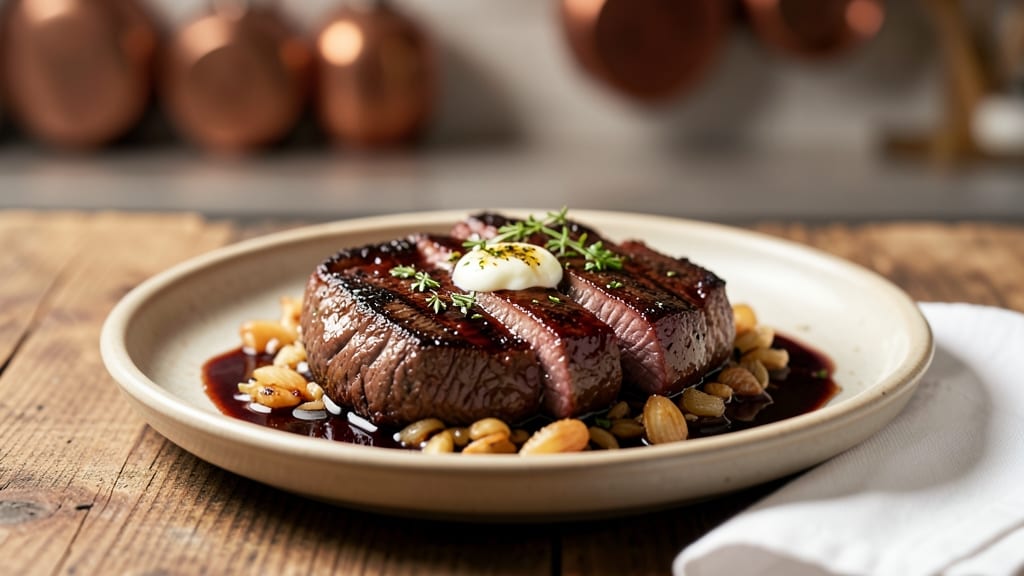
A brandy sauce recipe for steak transforms ordinary steak into a restaurant-worthy masterpiece with just a few simple ingredients. The rich, velvety sauce combines brandy, red wine, and beef stock to create a deep, savory flavor that clings perfectly to every bite.
This sauce isn’t just about the alcohol—it’s about the balance of caramelized shallots, butter, and fresh herbs that elevate steak to new heights.
The secret lies in the reduction process, where the sauce simmers until it thickens just enough to coat the back of a spoon without being gluey. A splash of brandy adds warmth and complexity, while a touch of Dijon mustard brightens the richness.
The result? A sauce that’s bold yet refined, with layers of umami and a hint of smoky depth that pairs flawlessly with grilled, pan-seared, or even slow-cooked steak.
What makes this sauce truly special is its versatility—it works just as well on a juicy ribeye as it does on a tender filet. The sauce keeps beautifully in the fridge for up to a week, so you can make a big batch and enjoy it over multiple meals.
Whether you’re hosting a dinner party or treating yourself to a steak night in, this sauce will be the star of the show.
Ready to take your steak game to the next level? The ingredients are simple, but the flavor is anything but. Let’s get started—your steak deserves this kind of attention.
Ingredients for brandy sauce recipe for steak
Eight simple ingredients transform steak into a steakhouse-worthy masterpiece with rich brandy depth.
| Ingredient | Amount | Notes |
|---|---|---|
| Shallots 🧅 | 1 ½ cups | Finely chopped, caramelized first |
| Brandy 🍷 | ½ cup | Good quality, 80-proof minimum |
| Dry Red Wine 🍷 | 1 cup | Bold Cabernet or Merlot preferred |
| Beef Stock 🥫 | 1 ½ cups | Homemade or high-quality store-bought |
| Unsalted Butter 🧈 | 6 tbsp | Cold, cubed for finishing |
| Dijon Mustard 🍯 | 1 tbsp | For brightness and balance |
| Fresh Thyme Leaves 🌿 | ¼ cup | Stems removed, chopped |
| Fresh Parsley Leaves 🌿 | 0.2 cup | Chopped, for fresh finish |
| Granulated Sugar 🍚 | 1 tbsp | For deglazing caramelization |
| Kosher Salt 🧂 | 1 ½ tsp | Diamond Crystal preferred |
| Black Peppercorns 🌶️ | ½ tsp | Freshly cracked |
The shallots are your flavor foundation—chop them extra fine so they caramelize completely. Whole Foods or Trader Joe's carry pre-minced shallots if you're in a rush, but fresh is always better. For the brandy, Korbel or Christian Brothers are solid choices—they're affordable and pack good flavor. The red wine should be something you'd drink, not just cooking wine. Cabernet Sauvignon or Merlot work perfectly here. If you're using store-bought beef stock, Pacific Foods or Swanson are reliable brands that won't overpower the sauce with artificial flavors.
No brandy? Substitute with apple juice or extra red wine—just reduce the amount by half since it lacks alcohol's depth. Fresh thyme and parsley are ideal, but dried works at one-third the amount if that's all you've got. For the butter, Plugrá or Land O'Lakes unsalted melt beautifully. The Dijon mustard adds a nice tang—Maille is the gold standard, but any good-quality Dijon will work. If you're worried about the sugar making the sauce too sweet, don't be—it just helps with the caramelization process and balances the acidity from the wine.
This sauce keeps beautifully in the fridge for up to 1 week—it actually tastes better the next day as the flavors meld. For longer storage, freeze in ice cube trays for easy portioning. When reheating, add a splash of water or stock to prevent it from thickening too much. Portion into small jars if you're making extra—it's perfect for gifting or freezing for future steak nights. The sauce pairs wonderfully with any steak cut, but it's especially magical on ribeye or filet mignon.
Why You'll Love This Recipe
- Here’s the secret: brandy adds depth without breaking the bank, and a splash of red wine elevates everything. It’s the kind of sauce that makes a simple ribeye feel like a splurge, even when you’re pinching pennies.
- One Pot Magic: I swear by this—just sear the shallots in butter, deglaze with brandy, and let the wine and stock do the heavy lifting. No straining, no extra bowls, just rich, glossy sauce that tastes like it simmered for hours.
- Steakhouse in Minutes: That first sip of brandy hitting the pan? Instant restaurant vibes. The butter emulsifies into something silky while the wine and stock deepen into a savory, slightly tangy hug for your steak—no fancy techniques, just pure flavor.
- Leftovers That Lie: I make double batches because this sauce begs to be reheated. Toss it over grilled chicken the next night or drizzle it on mashed potatoes—it’s the kind of leftovers people actually ask for.
Step-by-step instructions for brandy sauce recipe for steak
Here's how to make a steakhouse-worthy sauce with deep caramelized flavors and perfect balance.
Caramelize the Shallots for Rich Foundation
Heat a large, heavy-bottomed saucepan over medium-low heat and add the 1.5 cups finely chopped shallots. Cook them undisturbed for 15-20 minutes, stirring only occasionally, until they turn a deep golden brown and smell sweetly nutty. This slow caramelization builds the sauce's depth of flavor.
I like to use a wooden spoon to gently press down on the shallots as they cook—this helps release their moisture and encourages even browning. If they start to stick, add a splash of water and scrape up the browned bits from the bottom of the pan. These bits, called fond, are pure flavor gold.
Deglaze with Brandy and Red Wine
Once the shallots are beautifully caramelized, increase the heat to medium-high and carefully pour in the 0.5 cup brandy. The alcohol will ignite momentarily—this is normal and actually helps burn off some of the harshness. Let it cook off completely, then add the 1 cup dry red wine and scrape up all those delicious browned bits from the pan.
Simmer the mixture for 5-6 minutes until it reduces by about half and the wine's alcohol has cooked off. You'll notice the sauce darkening and thickening slightly. This is when the sauce starts developing its signature depth and complexity. Taste it now—it should be rich but still bright, with notes of caramel and wine.
Build the Sauce with Stock and Mustard
Add the 1.5 cups beef stock and 1 tbsp Dijon mustard to the pan. Stir well to combine, then bring the mixture to a gentle simmer. Reduce the heat to low and let it cook uncovered for 20-25 minutes, stirring occasionally, until it thickens enough to coat the back of a spoon.
Here's where the sauce comes together. The beef stock adds body, while the Dijon mustard brings a bright, tangy element that cuts through the richness. Stir in the 1 tbsp granulated sugar and 1.5 tsp kosher salt now—the sugar helps balance any acidity from the wine, and the salt rounds out all the flavors. Taste and adjust the seasoning if needed.
Finish with Herbs and Butter
Remove the pan from heat and stir in the 0.25 cup fresh thyme leaves and 0.2 cup fresh parsley leaves. These herbs add freshness and brightness that elevate the sauce. Let the mixture sit off the heat for 2-3 minutes to allow the flavors to meld.
Return the pan to low heat and add the 6 tbsp cold unsalted butter, one piece at a time, stirring constantly until each piece melts completely. This step emulsifies the sauce, giving it that silky, velvety texture we all love. Finish with a generous crack of 0.5 tsp freshly cracked black peppercorns and give it one final taste to make sure all the flavors are balanced.
Strain and Serve Immediately
Transfer the sauce through a fine-mesh strainer into a clean saucepan, pressing gently on the solids with a spoon to extract all the flavor. This step ensures a smooth, velvety texture without any herb stems or shallot bits. Keep the sauce warm over low heat or in a warm sauceboat until ready to serve.
The sauce should be rich, glossy, and perfectly balanced—sweet from the caramelized shallots and sugar, tangy from the mustard, and bright from the herbs and wine. It's best served immediately over your steak, where it will coat each bite with luxurious flavor. If it thickens too much while waiting, simply whisk in a splash of warm water or beef stock to reach your desired consistency.
Pro Tips For Making Brandy Sauce Recipe For Steak
- Sweat Shallots Low and Slow: I used to rush this step and end up with bitter, browned shallots that ruined the whole sauce. Instead, keep the heat at a gentle simmer—just enough to make them translucent and soft—before adding the brandy. This takes about 5-7 minutes, but it’s worth it for that sweet, mellow base.
- Deglaze Immediately After Flaming: The moment you pour in the brandy, the pan will look like a disaster—flames, smoke, all of it. That’s when you add the red wine right away to deglaze. If you wait even 30 seconds, you’ll lose the caramelized bits stuck to the bottom, and your sauce will taste flat. Keep a splash of stock nearby to help scrape up those golden bits.
- Use Cold Butter at the End: Adding butter straight from the fridge at the very last minute—when the sauce is thickened and off the heat—creates a silky, glossy finish. If you melt it in first, the sauce can turn greasy or separate. I know it feels counterintuitive, but trust me: the contrast makes the sauce taste richer.
- Skip the Cheap Brandy: I learned this the hard way—using a $5 bottle of brandy for a $50 steak made the sauce taste like rubbing alcohol. If you’re not using a good-quality brandy (think 80 proof or higher, like a cognac or even a decent vodka in a pinch), the alcohol will dominate instead of mellowing into flavor. Your nose will thank you.
Perfect pairings for this brandy sauce recipe for steak
Steakhouse Side Pairings
Serve this brandy sauce with classic steakhouse sides to create a complete meal. I love pairing it with creamy mashed potatoes—the richness of the sauce contrasts beautifully with the buttery smoothness of the potatoes.
For extra indulgence, add crispy roasted baby potatoes tossed with rosemary and garlic to soak up the sauce. 🥔
Another perfect match is sautéed garlic green beans—their bright, crisp texture balances the sauce's depth. Toss them with toasted almonds and a splash of lemon juice for a fresh, crunchy contrast.
If you're feeling adventurous, try grilled asparagus with a sprinkle of Parmesan cheese—the charred edges add another layer of complexity to the meal.
Bread and Dipping
No steak dinner is complete without bread to mop up the sauce! Warm crusty sourdough or brioche rolls are ideal—their sturdy texture holds up to the rich sauce. For a more elegant touch, serve garlic butter crostini on the side.
I like to brush them with garlic-infused olive oil and sprinkle with flaky sea salt before baking until golden. 🍞
Wine Pairings
A bold Cabernet Sauvignon complements the sauce's depth perfectly—its dark fruit notes and tannins stand up to the brandy and wine flavors. For something lighter, a Merlot with its softer tannins and plum undertones works beautifully.
If you prefer white wine, a Chardonnay with good acidity and buttery notes can also shine. 🍷
Beer Pairings
For beer lovers, a dark ale or porter pairs wonderfully with the sauce's richness. The malty sweetness and roasted notes in these beers enhance the caramelized shallots and brandy. A Belgian-style witbier with its citrusy brightness can also cut through the sauce's richness, adding a refreshing contrast. 🍺
Cheese Boards
Turn your steak dinner into a full spread by adding a charcuterie board with complementary cheeses. Aged Gruyère or Comté adds nutty depth, while creamy Brie or Camembert provides a smooth contrast.
Pair with cured meats like prosciutto or salami, and don’t forget fig jam or honey for a touch of sweetness. 🧀
Nutrition facts
Frequently asked questions
Can I make this sauce ahead of time?
This sauce actually tastes better when made a day in advance. Store it in an airtight container in the fridge for up to 1 week. The flavors meld beautifully overnight, and it reheats perfectly. Just give it a quick stir and warm it gently on the stove with a splash of water or stock if needed.
What if I don't have brandy?
No problem! Use apple cider or apple juice as a substitute—reduce the amount by half since it lacks alcohol's depth. For extra richness, add 1 tsp vanilla extract to mimic brandy's warm notes. The sauce will still be delicious, though slightly less complex.
How do I fix a sauce that's too thin?
Simmer the sauce uncovered for 5-10 more minutes to reduce it further. If it's still too thin, mix 1 tbsp cornstarch with 2 tbsp cold water, stir it in, and cook for 2 more minutes until thickened. Never use flour directly—it can make the sauce grainy.
Which steak cuts work best with this sauce?
This sauce shines on any steak cut! For maximum flavor impact, try it with ribeye (juicy and rich), filet mignon (tender and elegant), or New York strip (bold and beefy). Even flank steak benefits from the sauce's depth when sliced thinly against the grain.
Can I use red wine vinegar instead of red wine?
Not recommended! Red wine vinegar is too acidic and will make the sauce taste sharp and unbalanced. Stick with dry red wine (like Cabernet or Merlot) for the best flavor. If you're out of wine, you could use grape juice reduced by half, but the texture and depth won't be the same.