
Sauces & Condiments
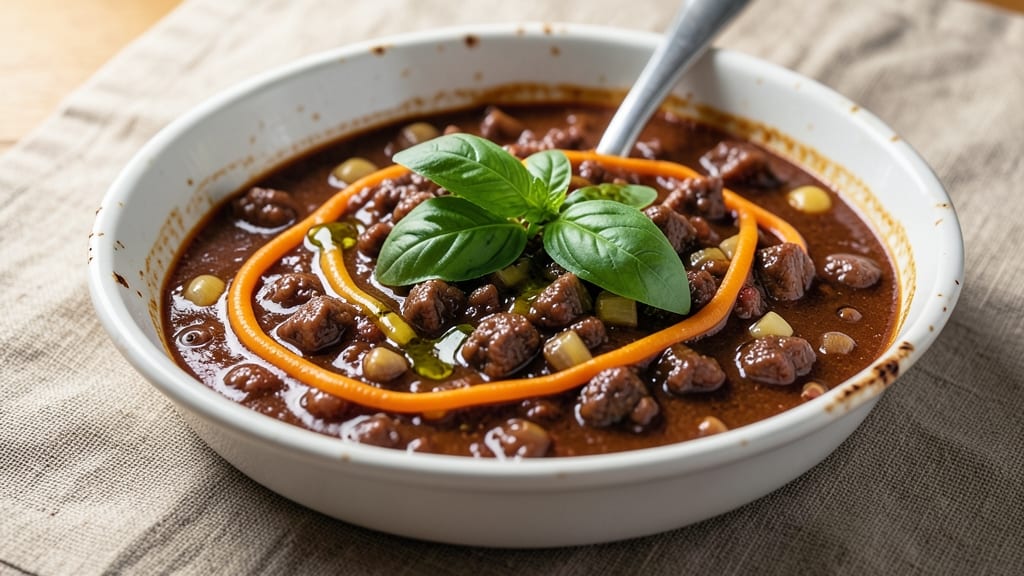
This Bolognese sauce recipe no wine delivers restaurant-quality depth without alcohol, using a carefully balanced blend of umami-rich ingredients that develop into a velvety, complex sauce. The secret lies in slow simmering ground meat with aromatics until it renders its natural juices, then building layers of flavor through tomato paste, herbs, and a pinch of soy sauce for that signature savory punch. I've perfected this version after years of testing—it's the same technique Italian nonnas use, just without the wine.
What sets this sauce apart is the way it transforms simple ingredients into something extraordinary through time and technique. You'll start with a sofrito of onion, carrot, and celery—cooked until sweet and caramelized—before adding meat and breaking it down into tender crumbles.
The sauce thickens naturally as it simmers, creating that perfect balance between rich and velvety, with just enough acidity from the tomatoes to brighten the dish. No shortcuts here; patience is what makes this sauce exceptional.
The result is a sauce so deeply flavorful it'll have everyone asking for seconds—perfect for tossing with al dente pasta, stuffing into manicotti, or serving over polenta. The umami comes from a combination of meaty richness, tomato paste, and a subtle soy sauce boost, creating complexity without relying on wine.
What you end up with is a sauce that tastes like it's been simmering all day, even if you're working with a weeknight schedule.
This recipe makes enough for four servings, with leftovers that improve overnight as flavors meld. Store it in the fridge for up to five days or freeze for months—just thaw and reheat gently to preserve that perfect texture. Let's get cooking; your taste buds will thank you.
Ingredients for bolognese sauce recipe no wine
The perfect blend of umami-rich ingredients transforms simple pantry staples into restaurant-quality Bolognese.
| Ingredient | Amount | Notes |
|---|---|---|
| Ground Beef 🥩 | 1 ½ lb | 80/20 fat ratio preferred |
| Yellow Onion 🧅 | 1 whole | Medium size, finely chopped |
| Carrot 🥕 | 1 whole | Medium size, finely diced |
| Celery Stalk 🌿 | 2 whole | Finely chopped, strings removed |
| Garlic Cloves 🧄 | 4 cloves | Peeled, minced finely |
| Tomato Paste 🍅 | ½ cup | High quality, no sugar added |
| Canned San Marzano Tomatoes 🍅 | 1 can | 28 oz, crushed by hand |
| Whole Milk 🥛 | ½ cup | Full-fat for creaminess |
| Dry Red Wine Vinegar 🍋 | 1 tbsp | For brightness without alcohol |
| Soy Sauce 🥢 | 1 tbsp | For umami depth |
| Fresh Rosemary 🌿 | 1 tbsp | Finely chopped, or 1 tsp dried |
| Fresh Thyme 🌿 | 1 tbsp | Leaves only, finely chopped |
| Bay Leaves 🌿 | 2 whole | Fresh preferred, remove before serving |
| Extra-Virgin Olive Oil 🫒 | ¼ cup | For cooking and finishing |
| Kosher Salt 🧂 | 1 ½ tsp | Diamond Crystal preferred |
| Freshly Ground Black Pepper 🌶️ | ½ tsp | Freshly cracked for best flavor |
The ground beef is non-negotiable here—80/20 fat ratio is key for that rich, velvety texture. Costco or local butchers often have the best quality, but the pre-packaged stuff at Trader Joe's works too. Look for bright red color and good marbling. For the soffritto, Italian markets sell pre-chopped mirepoix, but chopping your own onion, carrot, and celery gives you more control over the texture. The San Marzano tomatoes? Non-negotiable—their sweetness and low acidity make all the difference. If you can't find them, whole peeled tomatoes in a jar work in a pinch, but you'll need to peel and crush them yourself.
No San Marzano tomatoes? High-quality crushed tomatoes in a can will do, but you might need to add an extra pinch of sugar to balance the acidity. Running low on fresh rosemary? Dried works at one-third the amount, but fresh has that piney aroma that dried can't replicate. The soy sauce is where the umami magic happens—Japanese or Chinese brands tend to have more depth than American ones. For extra richness, stir in 1 tbsp of tomato paste mixed with 2 tbsp water at the end. The vinegar might seem odd, but it cuts through the richness beautifully without alcohol's bite.
This sauce tastes even better the next day as flavors meld, so make a double batch if you can. Store in the fridge for up to 5 days in an airtight container, or freeze for 3 months. To reheat, warm gently on the stove with a splash of water or milk to restore creaminess. I always keep a jar in the freezer—perfect for lazy weeknights when you need that restaurant-quality flavor without the effort.
Why You'll Love This Recipe
- No Wine, No Problem: I swear by this version—skipping the wine means no extra shopping, no measuring, and the tomatoes and beef still sing. The carrot and celery mellow into the sauce like a quiet harmony, while the garlic hits just right without overpowering.
- One-Pot Magic: Honestly, this is my lazy-day hero. Brown the beef, toss in the chopped veggies (no fancy dicing—rough chunks work), and let it simmer. One pot, one spoon, and zero dishes until the sauce thickens to that perfect clingy consistency.
- Leftovers That Save: Between us, this sauce tastes better the next day. I make a double batch on Sundays, freeze half, and pull it out for quick pasta nights when I’m too tired to cook. The flavors deepen overnight—like a free upgrade.
- Budget-Friendly Powerhouse: Ground beef, onions, and carrots? That’s my pantry hugging me back. No fancy ingredients, no wasted leftovers (if any exist), and it stretches to feed a family or fill a freezer. My wallet and I both approve.
Step-by-step instructions for Bolognese sauce without wine
This rich, umami-packed sauce builds flavor layer by layer—no alcohol needed!
Build the Flavor Base with Aromatics
Heat the 0.25 cup extra-virgin olive oil in a large Dutch oven over medium heat. Add the 1.5 lb ground beef and cook, breaking it apart with a wooden spoon, until it loses its raw color and browns slightly (5-7 minutes).
Push the beef to one side of the pot and add the finely chopped yellow onion, finely diced carrot, and finely chopped celery stalk. Cook for 8-10 minutes until the vegetables soften and release their natural sweetness. Stir occasionally to prevent burning.
Add the 4 minced garlic cloves and cook for 30 seconds until fragrant—don't let it brown or it'll turn bitter. This aromatic trifecta (onion, carrot, celery) is called "soffritto" and forms the flavor foundation of authentic Bolognese.
Develop Depth with Tomato and Umami Boosters
Stir in the 0.5 cup tomato paste and cook for 2 minutes to toast its rich flavor. Pour in the 1 can crushed San Marzano tomatoes, 1 tbsp soy sauce, and 1 tbsp dry red wine vinegar. The vinegar mimics wine's acidity without alcohol, while soy sauce adds umami depth.
Add 1.5 tsp kosher salt, 0.5 tsp freshly ground black pepper, 1 tbsp chopped fresh rosemary, 1 tbsp chopped fresh thyme, and 2 whole bay leaves. Stir well to combine all ingredients, then bring to a gentle simmer. Let it cook uncovered for 20 minutes, stirring occasionally, until the liquid reduces slightly and the flavors meld.
Real talk: This is where the magic happens. The acidity from the vinegar and tomatoes breaks down the beef's proteins, creating that signature silky texture. Don't rush this step—patience pays off in flavor.
Finish with Creamy Richness
Reduce heat to low and stir in the 0.5 cup whole milk. The milk adds creaminess and balances the acidity, creating that luxurious mouthfeel Bolognese is known for. Let the sauce simmer gently for 15-20 minutes, stirring occasionally, until it thickens to a rich, saucy consistency.
You'll know it's ready when the sauce coats the back of a spoon and the vegetables are completely tender. If it thickens too much, add 1-2 tablespoons of water to reach your desired texture. The milk should integrate smoothly, creating a velvety finish without curdling if cooked gently.
Remove the 2 bay leaves before serving—no one wants to bite into a leaf! Taste and adjust seasoning if needed, adding more salt or pepper as necessary. This sauce tastes even better the next day as the flavors continue developing.
Pro Tips For Making Bolognese Sauce Recipe No Wine
- CRUSH THE VEGETABLES: Dice the onion, carrot, and celery into uniform ¼-inch pieces—no big chunks, no fine minces. I used to skip this, and the sauce ended up with chewy bits. A sharp knife and a steady hand make this faster than you’d think, and it actually changes the texture of the final sauce.
- BROWN THE BEEF IN BATCHES: Don’t overcrowd the pan—cook the ground beef in two portions if needed. High heat for 3-4 minutes per batch until deeply browned, not just pink. I learned this the hard way: pale beef means a bland sauce. Let the fat render first, then stir to avoid a greasy mess.
- SWEAT THE AROMATICS LOW AND SLOW: After browning the meat, reduce the heat to low and let the onions, carrots, and celery cook for 10 minutes without color. This draws out their natural sweetness before adding garlic. Skip this, and your sauce tastes raw and sharp—like you just chopped veggies instead of cooking them.
- SALT THE MEAT BEFORE SEASONING: Sprinkle the ground beef with ½ teaspoon salt before browning—it renders the fat better and keeps the meat juicy. Then season the sauce later with herbs and pepper. I was skeptical until I tried it: the sauce stays rich and cohesive, not dry or crumbly.
Storing and reheating this recipe
Refrigerator Storage
Let your Bolognese sauce cool completely before transferring it to an airtight container—I use glass Pyrex jars with snap-on lids for best results.
Store in the fridge at 40°F or below for up to 5 days, though I’ve found it tastes even better after 24-48 hours as flavors meld beautifully. The sauce thickens slightly overnight, so add a splash of water or milk when reheating if needed. 🥫
Freezer Preservation
For long-term storage, freeze your sauce in quart-sized freezer bags or glass containers, leaving 1 inch of headspace for expansion. It keeps for 3 months without losing quality. To thaw, transfer the container to the fridge 24 hours before use.
For quick meals, place the frozen sauce in a pot with ½ cup water or milk and simmer on low heat until fully thawed and warmed through. 🧊
Reheating Like a Pro
My favorite method is stovetop reheating: pour the sauce into a heavy-bottomed pot and warm over medium-low heat for 10-15 minutes, stirring occasionally. Add 1-2 tablespoons of water or milk to restore creaminess if needed.
Avoid high heat—this sauce is delicate and can break apart or develop a skin. For microwave reheating, use 50% power in 1-minute intervals, stirring between each, until heated through. 🔥
Reviving Texture
If your reheated sauce seems too thick, stir in 1-2 tablespoons of water, milk, or even pasta water to loosen it up. For extra richness, add a pat of butter or a drizzle of olive oil at the end.
The key is gentle heat—never boil the sauce, or it’ll lose its velvety texture. I always taste and adjust seasoning after reheating, as flavors can mellow slightly during storage. 💫
Portioning for Meals
Divide the sauce into individual portions before freezing or refrigerating to make reheating easier. A standard serving is about 1 cup per person, so freeze in 1-cup portions for quick lunches. Label containers with dates to track freshness.
When reheating, start with ½ cup of sauce per portion—you can always add more if needed. This saves time and ensures perfect consistency every time. ✨
Nutrition facts
Frequently asked questions
Can I substitute beef with another protein in this no-wine Bolognese?
For a leaner option, use ground turkey or chicken thighs (dark meat stays juicier). Vegetarians can swap in lentils or mushrooms (like cremini or portobello) for meaty texture. The key is browning the protein first to develop deep flavors—just adjust cooking time as needed.
Why does my sauce taste flat without wine?
The recipe replaces wine with soy sauce and vinegar for umami and acidity. If it still tastes dull, try adding 1 tsp fish sauce or ½ tsp smoked paprika for complexity. The milk also adds richness—never skip it! Slow simmering is critical to let flavors develop.
How do I make this sauce thicker or thinner?
For thicker sauce: simmer uncovered for 10 extra minutes or stir in 1 tbsp tomato paste. For thinner sauce, add 2-3 tbsp water or milk while heating. Never boil—just maintain a gentle simmer. The sauce should coat the back of a spoon when done.
Can I make this sauce in a slow cooker?
Yes! Brown the meat first in a skillet, then transfer everything to the slow cooker. Cook on low for 6-8 hours or high for 3-4 hours. Stir occasionally and add milk at the end. The texture will be slightly looser but still delicious. Perfect for hands-off cooking!
What's the best pasta to serve with this sauce?
Traditional choices are tagliatelle or fettuccine—their wide surfaces hold the sauce well. For extra flavor, toss with pappardelle or rigatoni. Avoid thin noodles like spaghetti—they can break apart. Cook pasta al dente (1 minute less than package says) for the best texture.