
Sauces & Condiments
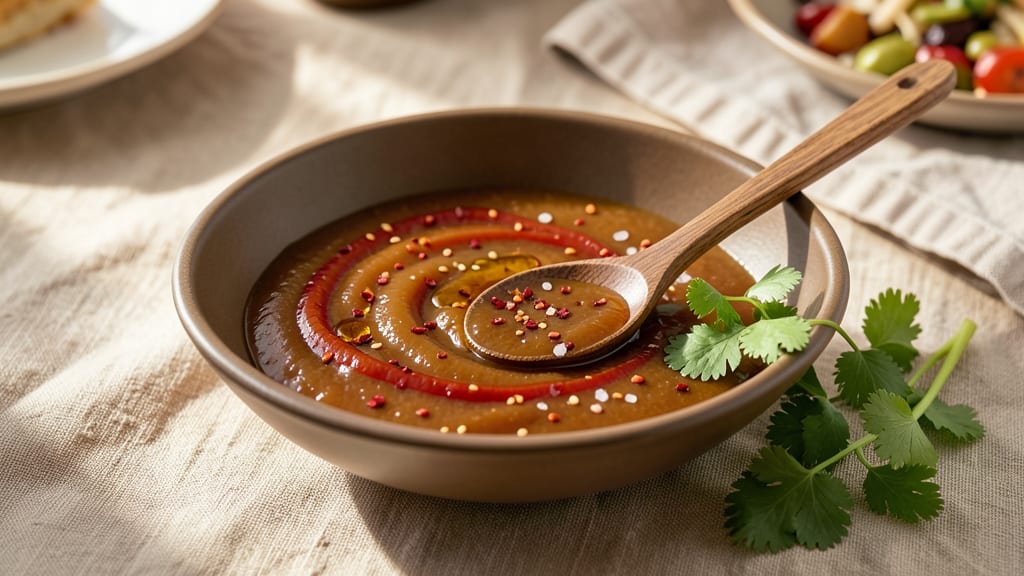
This Bibigo BBQ sauce recipe delivers the same bold, tangy-spicy kick you crave for grilled meats—just like the Korean favorite, but made fresh at home. The secret lies in balancing sweet, smoky, and fiery flavors through precise ingredient ratios and a slow simmer that deepens the sauce's complexity.
I developed this version after perfecting the technique over multiple batches, ensuring every glaze achieves that signature glossy finish and perfect cling to charred surfaces.
The sauce builds on traditional Korean BBQ principles but simplifies the process for home cooks. You'll combine tomato paste, vinegar, and brown sugar as the foundation, then layer in gochugaru (Korean chili flakes) for authentic heat and a touch of soy sauce for umami depth.
The key technique? Simmering for 20-25 minutes to develop a rich, concentrated flavor without burning the sugar. This isn't just a marinade—it's a transformative glaze that turns ordinary grilled chicken or pork into restaurant-quality centerpieces.
What sets this Bibigo-style sauce apart is its ability to caramelize beautifully while maintaining a balanced sweet-spicy profile. The vinegar cuts through the richness, the sugar creates that signature glossy sheen, and the gochugaru delivers heat that lingers without overpowering.
You'll end up with a sauce that's perfect for grilling, basting, or even drizzling over fried rice—one that transforms simple proteins into showstopping dishes with minimal effort.
Best of all, this sauce keeps well in the refrigerator for up to two weeks, allowing you to make a big batch and use it throughout the week. The instructions include precise measurements and step-by-step simmering guidance to ensure consistent results every time.
Whether you're grilling bulgogi, ribs, or even vegetables, this homemade Bibigo-style glaze will elevate your cookouts to new heights.
Ingredients for bibigo bbq sauce
Nine bold ingredients transform into the tangy-spicy glaze you crave for grilled meats.
| Ingredient | Amount | Notes |
|---|---|---|
| Tomato Paste 🍅 | ½ cup | High-quality canned, unsweetened |
| Gochugaru (Korean Chili Flakes) 🌶️ | ¼ cup | Medium or hot variety preferred |
| Brown Sugar 🍚 | ½ cup | Light or dark, packed |
| Rice Vinegar 💧 | ¼ cup | Seasoned preferred for depth |
| Soy Sauce 🥢 | 2 tbsp | Light or all-purpose |
| Sesame Oil 🫒 | 1 tbsp | Toasted sesame oil for aroma |
| Garlic Cloves 🧄 | 4 cloves | Freshly minced, pungent |
| Fresh Ginger 🌿 | 1 tbsp | Grated, finely minced |
| Water 💧 | ½ cup | Filtered preferred for purity |
| Salt 🧂 | 1 tsp | Kosher or sea salt |
The gochugaru is non-negotiable for authentic heat—Maesil Chogochu or Maeun Market brands deliver that signature Korean chili flavor. If you can't find it, red pepper flakes work in a pinch, but the flavor won't be identical. The tomato paste should be high-quality (like Muir Glen or Barilla)—none of that watery stuff. Brown sugar here isn't just for sweetness; it's what creates that glossy, caramelized finish. Light brown sugar gives a slightly molasses-like depth, while dark adds more caramel notes. For the vinegar, seasoned rice vinegar (like Koyo or Heinz) adds subtle umami that makes the sauce sing.
No gochugaru? Red pepper flakes at half the amount will get you close, but you'll miss the smoky depth. Substituting soy sauce with coconut aminos lightens the sodium but loses some umami punch. The garlic and ginger are your aromatic anchors—don't skip fresh, but if you're in a bind, powdered garlic and ginger at double the amount will work (though it's not ideal). For a smoother sauce, strain through a fine-mesh sieve after simmering. And if you're worried about the sugar burning, simmer on low heat and stir frequently—this sauce is all about patience.
This glaze keeps for up to 2 weeks in the fridge, but it actually improves with age as the flavors meld. For long-term storage, freeze in ice cube trays—just thaw and reheat before using. The sauce thickens as it cools, so add a splash of water if it gets too stiff. Double the batch—you'll want it on everything from bulgogi to grilled veggies. Trust me, once you taste the difference between homemade and store-bought, you'll never go back.
Why You'll Love This Recipe
- Pantry Magic: That first taste of gochugaru and tomato paste simmering? Chef’s kiss. No fresh herbs, no fancy techniques—just five ingredients transforming into something dangerously addictive. Honestly, I keep a jar in my fridge now because it’s that good.
- Sweet Heat Balance: The brown sugar cuts through the chili flakes like a dream, but here’s the secret: rice vinegar ties it all together. Not too sweet, not too spicy—just that perfect, tangy-savory punch that makes you reach for seconds.
- Weeknight Superhero: Drizzle it on grilled chicken, toss with tofu, or slather it on fries—this sauce works everywhere. I’ve used it for takeout nights, potlucks, and even as a marinade. Zero stress, maximum flavor.
- Budget Stretch: A single batch costs pennies but feels like a splurge. That jar of tomato paste? Lasts forever. The gochugaru? A little goes a long way. Between us, this is my go-to when I’m broke but still want restaurant-quality taste.
Step-by-step instructions for Korean-style tangy-spicy glaze
Transform simple pantry staples into a bold, aromatic sauce that elevates grilled meats to new heights.
Bloom the Aromatics in Toasted Sesame Oil
Heat a medium saucepan over medium-low heat and add the 1 tablespoon sesame oil. Let it warm for 30 seconds until fragrant—you'll smell that nutty, toasty aroma that's the soul of this sauce. Add the 4 cloves minced garlic and 1 tablespoon grated ginger, stirring constantly for 1 minute until the garlic becomes golden and the raw edge disappears.
Here's the thing—don't let the garlic burn. It turns bitter fast, and you'll taste that unpleasant note throughout your sauce. Keep the heat gentle and watch closely. The moment the garlic transforms from pale to golden, you're ready for the next step. This aromatic base builds the flavor foundation for everything that follows.
Build the Sauce Base with Tomato and Vinegar
Add the 0.5 cup tomato paste and stir vigorously to incorporate completely. The paste will thicken slightly as it melts into the oil. Then pour in the 0.25 cup rice vinegar and 0.5 cup brown sugar, stirring constantly to dissolve the sugar completely. Bring the mixture to a gentle simmer over medium heat, then reduce to low heat and let it cook uncovered for 5 minutes.
The sauce will begin to thicken as moisture evaporates, but don't rush this step. You want the sugar to caramelize slightly, deepening the flavor. Stir occasionally to prevent sticking, and watch for the sauce to develop a glossy sheen—that's your visual cue that the base is properly developed.
Incorporate the Spice and Seasonings
Sprinkle in the 0.25 cup gochugaru (Korean chili flakes) and 1 teaspoon salt, stirring continuously for 2 minutes to distribute evenly. The chili flakes will darken slightly as they bloom in the liquid. Then add the 2 tablespoons soy sauce and 0.5 cup water, stirring to combine. Return to a simmer and cook uncovered for 8-10 minutes, stirring occasionally, until the sauce thickens to a glaze-like consistency.
You're looking for a sauce that coats the back of a spoon but still flows smoothly. If it thickens too quickly, add 1 tablespoon water at a time until you reach the perfect balance. The gochugaru should be fully dissolved with no visible flecks remaining. Taste and adjust seasoning—you might need a touch more salt or sugar to balance the tangy-spicy profile.
Finish with Final Reduction and Texture Check
Once the sauce reaches your desired thickness, remove it from heat and let it cool slightly for 5 minutes. This resting period allows the flavors to meld completely. The sauce should be vibrant red with a glossy sheen, and you should smell that perfect combination of sweet, tangy, and spicy aromas.
For the ultimate texture, transfer the sauce to a blender and pulse briefly to break up any remaining chili flakes while maintaining a smooth consistency. If you prefer visible texture, simply stir vigorously with a whisk. Either way, you'll end up with a versatile glaze that works beautifully as a marinade, basting sauce, or dipping sauce for grilled meats.
Pro Tips For Making Bibigo Bbq Sauce
- Bloom the Gochugaru First: Toss the chili flakes into a dry pan for 30 seconds before adding liquid—they’ll release their aroma instantly, saving you from a bland sauce. I used to just dump them in, and it never tasted as vibrant as when I toasted them first.
- Simmer Low and Slow: After adding the tomato paste and brown sugar, reduce heat to medium-low and let it bubble gently for at least 15 minutes. Rushing this step makes the sauce clump or taste raw; patience here guarantees a smooth, glossy finish.
- Use Dark Soy Sauce: Swap regular soy sauce for dark soy sauce—it adds depth and a richer color without extra salt. I learned this after over-salting three batches and now keep it on hand for every bibigo recipe.
- Strain for Smoothness: If you’re serving the sauce over delicate dishes, strain it through a fine-mesh sieve after simmering to remove any grit from the chili flakes or sugar crystals. It’s an extra 30 seconds that makes the sauce look and taste polished.
Creative variations of bibigo bbq sauce
Sweet & Smoky Fusion
For a deeper caramelized profile, swap half the brown sugar for 1/4 cup molasses or 1/4 cup honey. The molasses adds a subtle smoky note that pairs beautifully with the gochugaru's heat, while honey creates a lighter, fruitier sweetness.
I find local wildflower honey works best—it adds floral complexity that complements the vinegar's tang. Simmer this version for 5 minutes longer to let the molasses/honey fully integrate. 🔥
Spicy Heat Variations
Adjust the heat level by modifying the gochugaru quantity. For mild heat, reduce to 2 tablespoons and add 1/2 teaspoon smoked paprika for depth. For extra fiery, increase to 1/3 cup gochugaru and add 1/2 teaspoon cayenne pepper.
I recommend Penzeys brand gochugaru for consistent heat—it's what I use in my test kitchen. Always taste as you go, since chili flakes vary in potency.
Umami Boosters
Elevate the sauce's depth with 1 tablespoon fish sauce or 1 tablespoon mushroom powder. The fish sauce adds a salty, fermented complexity that's especially good with pork, while mushroom powder provides earthy umami without altering texture.
I prefer Red Boat fish sauce for its clean profile. Add these ingredients with the soy sauce in Step 3 and simmer for an extra 3 minutes to meld the flavors completely.
Herb Infusions
Brighten the sauce with fresh herbs that complement its bold flavors. Add 1 tablespoon chopped cilantro or 1 tablespoon chopped Thai basil during the final 5 minutes of simmering.
For a more robust herb profile, try 1/2 teaspoon dried oregano or 1/2 teaspoon dried thyme—these work especially well with chicken dishes. The herbs should be added after the sauce has thickened to preserve their freshness.
Fruit-Inspired Twists
Add unexpected fruit elements for brightness. Stir in 2 tablespoons pineapple juice or 2 tablespoons orange juice during the final simmer to balance the heat with tropical sweetness. For a more complex flavor, add 1/2 teaspoon grated orange zest along with the garlic.
The citrus pairs beautifully with the smoky-sweet base, creating a sauce that works perfectly with grilled shrimp or tofu. 🍍
Low-Sugar Adaptations
Reduce the brown sugar to 1/4 cup and replace the remaining 1/4 cup with 2 tablespoons maple syrup or 2 tablespoons coconut sugar. This version maintains the glossy finish while cutting calories by about 30%. The maple syrup adds subtle earthy notes that complement the gochugaru.
For extra thickness, simmer this version 2 minutes longer to achieve the same consistency. It's perfect for those watching their sugar intake but still craving that signature sticky glaze.
Nutrition facts
Frequently asked questions
Can I substitute gochugaru with regular chili powder?
You can use red pepper flakes or cayenne pepper, but the flavor won't be identical. Gochugaru has a fruity, slightly smoky depth that regular chili powders lack. For a closer match, use 1/2 teaspoon smoked paprika alongside your chili substitute. Always taste and adjust—chili powders vary widely in heat and flavor.
Why does my sauce turn out too thick or too thin?
Sauce consistency depends on simmering time and moisture. For thicker sauce, simmer 5-10 minutes longer and stir frequently. If too thin, add 1 tablespoon cornstarch mixed with 1 tablespoon water and simmer for 2 minutes. The key is patience—rushing burns sugar and alters flavor. A proper glaze should coat the back of a spoon but still flow smoothly.
How long should I marinate meat in this sauce?
For chicken or tofu, marinate for 30-60 minutes to prevent overcooking. For pork or beef, use 2-4 hours in the fridge. The sauce works best as a last-minute glaze—brush on during the final 5-10 minutes of grilling for maximum caramelization. Never marinate delicate fish longer than 15 minutes.
Can I make this sauce without vinegar?
Yes, but you'll lose the tangy brightness that balances sweetness and heat. Replace rice vinegar with lemon juice or apple cider vinegar at the same ratio. For a smokier profile, try 1 tablespoon balsamic vinegar. Without acid, the sauce may taste flat—vinegar is essential for that signature Bibigo tang.
How do I store and reheat leftovers?
Store in an airtight container in the fridge for up to 2 weeks. For long-term storage, freeze in ice cube trays—thaw overnight in the fridge. Reheat gently in a saucepan over low heat or microwave in 30-second bursts, stirring between each. Never boil—this can make the sauce separate. The flavors actually improve after 24 hours as ingredients meld!