
Sauces & Condiments
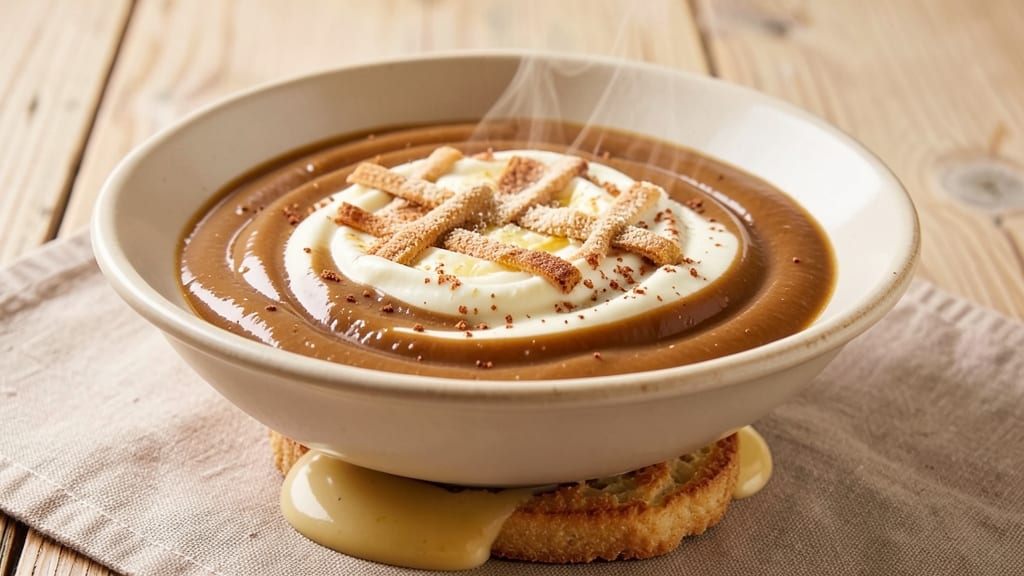
This apple cider cream sauce recipe transforms ordinary meals into cozy, fall-inspired feasts with just a few simple ingredients. The warm spices and velvety texture elevate roasted meats, mashed potatoes, or even desserts—making it a versatile pantry staple.
I developed this recipe after realizing how much richer homemade sauces taste compared to store-bought versions, and it’s become a holiday favorite in my kitchen.
The secret lies in balancing sweet apple cider with rich cream and butter, then gently thickening it to achieve that perfect, clingy consistency. A pinch of cinnamon and nutmeg adds depth without overpowering, while a splash of vanilla rounds out the flavors.
Unlike many sauces, this one stays smooth even after reheating, so you can make it ahead and keep it on hand for last-minute gatherings.
What makes this sauce truly special is its ability to adapt—drizzle it over roasted pork tenderloin for a restaurant-worthy finish, stir it into mashed potatoes for extra richness, or even use it as a glaze for baked apples.
The aroma alone will fill your home with the comforting scent of autumn, while the taste delivers a perfect harmony of sweet, spiced, and creamy notes.
Best of all, it comes together in under 20 minutes with minimal effort, making it ideal for busy weeknights or special occasions. Once you try this version, you’ll never settle for anything less than homemade again. Let’s get cooking!
Ingredients for apple cider cream sauce
Nine ingredients transform into a cozy, fall-inspired sauce that feels like a hug in a bowl.
| Ingredient | Amount | Notes |
|---|---|---|
| Unsalted Butter 🧈 | ½ cup | Cold, cubed for even melting |
| Apple Cider 🍎 | 1 ½ cups | Unpasteurized for richer flavor |
| Heavy Cream 🥛 | 1 cup | Full-fat for velvety texture |
| All-Purpose Flour 🌾 | 2 tbsp | For smooth thickening |
| Granulated Sugar 🍚 | 1 tbsp | Balances tartness |
| Ground Cinnamon 🌿 | 1 tsp | Freshly ground preferred |
| Ground Nutmeg 🌿 | ¼ tsp | Freshly grated for warmth |
| Pure Vanilla Extract 🍯 | ½ tsp | High-quality for depth |
| Salt 🧂 | ¼ tsp | Kosher or sea salt |
| Fresh Apple Pieces 🍏 | ½ cup | Optional for extra texture |
The apple cider is the heart of this sauce—unpasteurized makes all the difference (the good stuff, not the shelf-stable kind). Trader Joe's and Whole Foods carry great options, but any local orchard cider works too. The butter should be cold when you add it—this keeps the sauce from breaking. For the spices, Penzeys or bulk bins at natural markets give you the freshest, most aromatic ground cinnamon and nutmeg. I always double-check the vanilla extract too—Nielsen-Massey is my go-to for that pure, rich flavor. If you're feeling fancy, toss in those fresh apple pieces at the end for a little crunch.
No apple cider? Unsweetened apple juice works in a pinch, but it won't have the same depth of flavor. Heavy cream too expensive? Half-and-half gives you a lighter texture, though it won't be quite as rich. The flour is non-negotiable here—it's what gives the sauce that perfect clingy consistency. No vanilla extract? Vanilla bean paste or even a scraped vanilla bean pod will work. Want to make it dairy-free? Swap the butter for coconut oil and use coconut cream instead of heavy cream. The apple pieces are totally optional, but they add a lovely texture contrast that makes the sauce feel extra special.
This sauce reheats like a dream—just warm it gently on the stove with a splash of milk or cream. Keeps in the fridge for 5 days in an airtight container, and freezes beautifully for 3 months. I like to make a big batch and portion it into small jars so I always have it on hand for last-minute roasts or mashed potatoes. The flavor actually improves after sitting overnight, so don't hesitate to make it ahead. If you're using it as a glaze for baked apples, brush it on just before serving so it doesn't burn.
Why You'll Love This Recipe
- Five-Ingredient Magic: I swear by this—just butter, cider, cream, flour, and sugar. That’s it. No fancy substitutions, no hunting for obscure spices. The sauce practically makes itself while you stir.
- Warm & Tangy: The apple cider brings this sauce to life—bright, spiced, and just sweet enough. That creamy finish? It’s the kind of rich you’ll want to lick off your spoon (no shame).
- Dinner Party Ready: Slather it over roasted chicken, drizzle it on mashed potatoes, or toss it with pasta. It’s the star of Thanksgiving leftovers and a lazy Tuesday night. Honestly, I’ve used it for all three.
- Leftover Goldmine: Make a double batch—it reheats like a dream. The texture stays silky, not grainy, and the flavor only deepens. My freezer’s got three jars of this stuff right now.
Step-by-step instructions for apple cider cream sauce
This velvety sauce comes together faster than you'd think—warm spices and rich cream create the perfect complement for holiday roasts.
Melt Butter and Bloom the Flour
In a medium saucepan over medium heat, melt the 0.5 cup unsalted butter until it's completely liquid but not browned. This should take about 2-3 minutes. Watch closely—you want the butter to foam gently without turning golden. Real talk: if it starts to bubble too vigorously, reduce the heat slightly to prevent burning.
Once the butter is melted, immediately whisk in the 2 tablespoons all-purpose flour and cook for 1-2 minutes, stirring constantly. This step, called "blooming the flour," removes the raw flour taste and creates a smooth base for your sauce. You'll notice the mixture thicken slightly and develop a nutty aroma—this is your signal that it's ready for the next ingredients.
Add Apple Cider and Sugar
Slowly pour in the 1.5 cups apple cider while whisking continuously to prevent lumps from forming. The mixture will look curdled at first, but keep whisking—it will smooth out in about 30 seconds. Add the 1 tablespoon granulated sugar and bring the entire mixture to a gentle simmer over medium-low heat.
Let it simmer for 5-6 minutes, stirring occasionally, until it thickens enough to coat the back of a spoon. You're looking for a consistency similar to heavy cream—it should leave a noticeable trail when you run your finger through it. Here's where the magic happens: the apple cider's natural sweetness and acidity start to meld with the butterfat, creating that signature depth of flavor.
Incorporate Spices and Cream
Reduce the heat to low and stir in the 1 teaspoon ground cinnamon, 0.25 teaspoon ground nutmeg, 0.5 teaspoon pure vanilla extract, and 0.25 teaspoon salt. Let the mixture simmer for another 2-3 minutes to allow the spices to bloom and infuse their flavors. You'll smell that warm, comforting aroma of freshly ground spices—this is the moment that makes the sauce truly special.
Next, gradually whisk in the 1 cup heavy cream until fully incorporated. The sauce should become noticeably richer and more velvety in texture. If you added the 0.5 cup fresh apple pieces, now's the time to stir them in gently. They'll soften slightly but maintain their texture, adding a pleasant contrast to the smooth sauce.
Simmer to Perfection
Continue simmering on low heat for 5-7 minutes, stirring occasionally, until the sauce reaches your desired consistency. For a thicker sauce (great for drizzling over mashed potatoes), simmer for the full 7 minutes. For a lighter, more pourable sauce (ideal for roasts), aim for the 5-minute mark. Taste and adjust seasoning if needed—you might want to add a pinch more salt or sugar to balance the flavors.
Remove the pan from heat and let the sauce rest for 2-3 minutes. This resting period allows the flavors to fully meld together. If you're using the sauce immediately, give it one final stir before serving. The sauce should be smooth, glossy, and have that irresistible spiced apple aroma that makes it perfect for any holiday meal.
Pro Tips For Making Apple Cider Cream Sauce
- Simmer the cider first: Reduce the apple cider by half before adding it to the roux—this concentrates the flavor and cuts down on thinning your sauce later. I used to just toss in cold cider and wondered why it tasted watery; now it’s rich and caramelized.
- Use cold butter: Cut the unsalted butter into small cubes and chill them for 20 minutes before cooking—this prevents the roux from breaking and ensures a smoother sauce. Warm butter melts too fast, and you’ll end up with lumps instead of a velvety texture.
- Whisk like your sauce depends on it: When combining the flour and butter, whisk vigorously over medium heat until it’s a uniform, golden paste—no streaks allowed. I learned this the hard way when my sauce turned out grainy and uneven; constant motion is non-negotiable.
- Balance the cream with sugar: Taste the heavy cream before adding it—if it’s too tangy, sweeten it slightly with extra sugar (about 1 teaspoon per cup) to balance the acidity from the cider. Unsweetened cream can make the sauce taste sharp, and you’ll regret it when it’s too late.
Pro cooking tips for apple cider cream sauce
Temperature Control Secrets
Start with medium heat when melting the butter—this prevents burning while ensuring even melting. Once the apple cider enters, immediately reduce to medium-low to avoid curdling.
I swear by using a thermometer (like the OXO Good Grips) to monitor the sauce temperature—keep it between 180-190°F for perfect thickening without scorching. 🌡️
Whisking Like a Pro
Never rush the whisking step when combining flour and butter—this is where the sauce’s foundation forms. Use a balloon whisk for maximum aeration, and stir constantly for 1-2 minutes to fully bloom the flour.
The moment the mixture smells nutty and thickens slightly, you’re golden. Pro tip: If lumps form when adding apple cider, strain the sauce through a fine-mesh sieve for silky smoothness.
Spice Infusion Tricks
Ground spices lose potency quickly, so toast them briefly in the saucepan for 30 seconds before adding cream to unlock their full aroma. For extra depth, I like to add a pinch of cayenne (just ¼ tsp) if I want a subtle kick.
Freshly grated nutmeg makes a world of difference—pre-grind your own using a microplane for the best flavor. 🌶️
Consistency Mastery
Want a thicker sauce? Simmer longer (7 minutes) and reduce the heat to low in the final stages. For a lighter version, add 2 tbsp cold heavy cream at the end to temper the heat.
The sauce should coat the back of a spoon but still flow easily—this is the perfect drizzling consistency for roasts or mashed potatoes.
Flavor Balancing
Taste as you go! The apple cider’s tartness needs balancing—adjust with ½ tsp more sugar if needed. If the sauce tastes too rich, stir in 1 tsp lemon juice to brighten it.
For a dairy-free twist, replace butter with coconut oil and use coconut cream, but reduce simmering time by 2 minutes to avoid separation.
Make-Ahead Magic
This sauce reheats beautifully—simmer on low heat with 1 tbsp milk or cream to prevent drying out. For freezer storage, cool completely, then portion into silicone molds (like Stasher bags) for easy thawing.
Reheat gently in the microwave (50% power for 1 minute) or on the stovetop—never boil, or it’ll curdle. 💫
Nutrition facts
Frequently asked questions
Can I use apple juice instead of apple cider in this sauce?
Yes, but expect a less complex flavor. Apple cider adds depth with its natural sweetness and subtle tartness, while apple juice lacks those nuanced notes. For best results, use unpasteurized apple cider—it contains sediment that enhances the sauce's richness. If using juice, add ½ teaspoon extra cinnamon to compensate for the missing depth.
How do I prevent the sauce from curdling when reheating?
Always reheat the sauce gently over low heat and add 1 tablespoon milk or cream per cup of sauce to stabilize it. Never bring it to a boil—keep it below 180°F. For microwave reheating, use 50% power for 45-60 seconds, then stir well. The sauce should warm through without separating.
What's the best way to store leftovers?
Store in an airtight container in the fridge for up to 5 days, or freeze for 3 months in silicone molds. For freezing, cool the sauce completely first to prevent ice crystals. Thaw overnight in the fridge—never at room temperature—and reheat gently. The flavor actually improves after refrigeration!
Can I make this sauce without flour?
Yes! For a gluten-free version, replace the flour with 2 tablespoons cornstarch mixed with 1 tablespoon cold water. Whisk this slurry into the sauce after the apple cider simmers for 3 minutes, then continue cooking until thickened. The texture will be slightly different but still delicious—just avoid overcooking or it may become grainy.
What are the best dishes to serve with this sauce?
This sauce pairs perfectly with roasted pork tenderloin, herb-crusted chicken, or mashed potatoes. For dessert, drizzle over vanilla ice cream, baked apples, or cinnamon toast. The warm spices also complement turkey breast or stuffed acorn squash beautifully. Don't be afraid to get creative!