
Sauces & Condiments
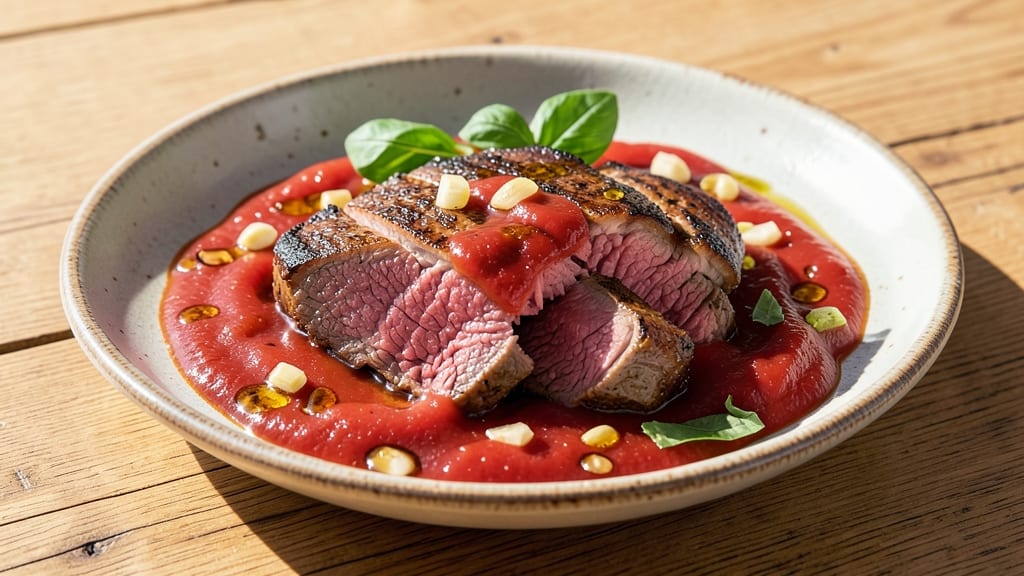
This beefsteak tomato sauce recipe transforms simple ingredients into a smoky, roasted masterpiece that clings to every bite of grilled steak. 💛 The secret lies in charring the tomatoes and aromatics—this caramelized depth elevates ordinary sauce into something restaurant-worthy, with bright fresh basil cutting through the richness.
Perfect for summer grilling nights when you want bold flavors without the fuss.
What sets this sauce apart is the balance: roasted garlic and shallots build a smoky foundation, while San Marzano tomatoes provide natural sweetness. A splash of red wine vinegar adds brightness, and fresh basil—added at the very end—preserves its vibrant zing.
The sauce simmers just long enough to meld flavors without losing texture, so it stays velvety yet vibrant, not mushy.
This isn’t just a side—it’s the star of your steak dinner. The smoky depth complements grilled beefsteak perfectly, while the basil’s freshness keeps the palate lively. It’s also versatile enough for pasta, bruschetta, or even as a marinade base. Once you try this, store-bought sauce will never satisfy again.
Ready in 30 minutes with minimal prep, this sauce delivers restaurant-quality results every time. The key is patience—let those tomatoes roast until deeply caramelized, and the basil wait until the very end. Trust the process, and you’ll have a sauce so good, it’ll make your steak taste even better.
Ingredients for beefsteak tomato sauce
Nine ingredients, bold flavors—this sauce transforms simple pantry staples into restaurant-quality magic.
| Ingredient | Amount | Notes |
|---|---|---|
| San Marzano Tomatoes 🍅 | 28 oz | Canned, crushed by hand |
| Garlic Cloves 🧄 | 6 cloves | Roasted until caramelized |
| Shallots 🧅 | 2 whole | Thinly sliced, roasted |
| Red Wine Vinegar 🍷 | 1 tbsp | For brightness and acidity |
| Extra-Virgin Olive Oil 🫒 | ½ cup | High-quality, fruity |
| Fresh Basil Leaves 🌿 | ½ cup | Chopped, added last |
| Smoked Paprika 🌶️ | 1 tsp | For smoky depth |
| Ground Black Pepper 🌶️ | ½ tsp | Freshly cracked |
| Sea Salt 🧂 | 1 tsp | Diamond Crystal preferred |
| Red Wine 🍷 | ½ cup | Bold, dry variety like Cabernet |
The tomatoes are non-negotiable—San Marzano has the natural sweetness and low acidity that make this sauce sing. Grab a can from Whole Foods or your local Italian market for the best quality, but any high-quality canned tomatoes will work in a pinch. Roasting the garlic and shallots until they're caramelized and slightly charred is where the magic happens. Trader Joe's has pre-peeled garlic cloves that make this step a breeze, and I always double the amount just to have extra for other dishes. The red wine vinegar adds that tangy brightness that cuts through the richness—don't skip it.
No San Marzano tomatoes? Crushed tomatoes in a can will work, but you might need to add a pinch of sugar to balance the acidity. Running short on red wine? Balsamic vinegar at half the amount gives a similar depth, though it'll be slightly sweeter. Fresh basil is ideal, but dried basil at one-third the amount works if you're in a bind. The red wine can be swapped for beef broth with a splash of balsamic if you're avoiding alcohol. For extra smokiness, add a pinch of liquid smoke—just a quarter teaspoon goes a long way.
This sauce tastes even better the next day as the flavors meld. Store it in an airtight container in the fridge for up to 5 days, or freeze portions for 3 months. I like to portion it into small jars so I can grab just what I need for a quick pasta or steak night. The basil should be added right before serving—it wilts quickly when heated, so save some for garnishing. If you make a big batch, freeze half immediately and keep half in the fridge for freshness.
Why You'll Love This Recipe
- Five-Ingredient Magic: The shallots and garlic caramelize in that olive oil until the kitchen smells like a Tuscan sunset—no fancy techniques, just patience and a good knife. Honestly, that’s the moment I know dinner’s about to be good.
- Sauce That Works Hard: Between us, this isn’t just marinara—it’s the kind of sauce that clings to pasta like it’s been waiting its whole life for it. The San Marzano tomatoes? Sweet and meaty, with just enough acid from the red wine vinegar to cut through the richness. It’s the difference between a meal and a moment.
- Pantry to Plate: I make this on Sundays when the fridge is half-empty, and it turns into lasagna, stuffed shells, or a quick weeknight supper with grilled chicken. Freezes like a dream, too—just reheat and serve. No sad, watery leftovers here.
- Budget-Friendly Luxury: A can of San Marzano tomatoes and a handful of shallots won’t break the bank, but the flavor? That’s the stuff of fancy restaurants. I’ll be real: this sauce makes me feel like I’m cooking for guests, even when it’s just me and a bad TV show.
Step-by-step instructions for beefsteak tomato sauce
Transform simple ingredients into a rich, smoky sauce with layers of roasted depth and bright basil finish.
🔥 Step 1: Roast Garlic and Shallots for Sweet Foundation
Preheat oven to 400°F. Peel the 6 cloves garlic cloves and halve them lengthwise, then place them on a parchment-lined baking sheet. Thinly slice the 2 whole shallots and spread them around the garlic. Drizzle everything with 1 tablespoon of the extra-virgin olive oil and sprinkle with ½ teaspoon sea salt.
Roast for 20-25 minutes until the garlic is golden brown with caramelized edges and the shallots are soft and translucent. Watch closely after 15 minutes—garlic burns quickly. The roasted aromatics will form the sweet, smoky base of your sauce. Let them cool slightly before handling.
🍳 Step 2: Build the Sauce Base with Tomatoes and Wine
Heat a large, heavy-bottomed pot over medium heat. Add the roasted garlic and shallots to the pot along with the 28 oz San Marzano Tomatoes (crushed by hand) and ½ cup red wine. Stir gently to combine, then sprinkle in the 1 teaspoon smoked paprika and ½ teaspoon ground black pepper.
Bring to a gentle simmer, then reduce heat to low. Let it cook uncovered for 25-30 minutes, stirring occasionally, until the mixture thickens slightly and the raw tomato flavor mellows. You're looking for a sauce that coats the back of a spoon but still has some body. This slow cook time develops the deep, caramelized flavors.
🥘 Step 3: Brighten with Vinegar and Finish with Fresh Basil
Once the sauce has thickened, increase heat to medium-high and add the 1 tablespoon red wine vinegar. Stir vigorously and let it simmer for 3-5 minutes until the vinegar's sharpness mellows and integrates completely. This acidity cuts through the richness while adding brightness.
Reduce heat to low again and stir in the remaining ½ cup extra-virgin olive oil. Let the sauce simmer gently for another 5 minutes to allow the flavors to meld. Then, just before removing from heat, add the ½ cup chopped fresh basil leaves. The basil should wilt slightly but remain vibrant—this ensures maximum freshness in every bite.
⏰ Step 4: Rest and Adjust for Perfect Texture
Remove the pot from heat and let the sauce rest for 10 minutes. This resting period allows the flavors to fully develop and the sauce to come together. Taste and adjust seasoning—you might need a pinch more sea salt or a splash more red wine vinegar to balance the flavors.
If the sauce is too thick, thin it with a little water or pasta water. For a smoother texture, use an immersion blender to gently blend about half the sauce, then stir it back in. The final sauce should be velvety with just enough body to cling beautifully to pasta or meat. Serve immediately or store covered in the refrigerator for up to 5 days—it only gets better with time.
Pro Tips For Making Beefsteak Tomato Sauce
- Sear Shallots Slowly: If you rush the shallots, they’ll turn bitter before they caramelize. Cook them on medium-low heat for 8–10 minutes, stirring often—just until they’re golden and translucent, not crispy. That’s when their sweetness shines in the sauce.
- Crush Garlic Gently: Over-mashing garlic cloves turns them into paste, which burns easily. Lightly crush them with the flat side of your knife or a garlic press—just enough to expose the inner flesh without turning them into a slurry. You want flavor, not ash.
- Deglaze with Vinegar First: Toss in the red wine vinegar before adding tomatoes. It cuts through the oil and lifts the browned bits off the pan immediately, giving your sauce a brighter acidity and deeper color right from the start.
- Simmer Tomatoes Uncovered: Let the tomatoes cook uncovered for the first 10 minutes—this helps them break down faster and reduces the risk of a slimy texture. Only cover them later if they’re splattering like crazy, and even then, leave the lid slightly ajar.
Flavor customization for this beefsteak tomato sauce
Smoky Heat Boost
For extra depth, add ½ teaspoon chipotle powder or 1 teaspoon liquid smoke when roasting the garlic and shallots. This amplifies the smoky notes that pair perfectly with beefsteak. If you love spice, toss in 1-2 dried arbol chiles (seeds removed) with the tomatoes—they’ll infuse subtle heat without overpowering. 🌶️
Herb Variations
Swap out basil for cilantro (use ¼ cup chopped) for a Mexican-inspired twist, or add 1 teaspoon dried oregano for a Mediterranean flair. For a French touch, finish with 1 tablespoon chopped parsley and a pinch of Thyme.
Each herb brings a distinct freshness that brightens the sauce differently.
Umami Depth
Boost richness by adding 1 tablespoon soy sauce or 1 teaspoon fish sauce when simmering the tomatoes. For a meaty depth, stir in 1 tablespoon tomato paste or 2 anchovy fillets (finely chopped) during the initial simmer. These additions create a deeper, more complex flavor that pairs beautifully with steak.
Sweet-Tangy Balance
Enhance the sauce’s brightness by adding 1 teaspoon honey or 1 tablespoon balsamic glaze during the final simmer. This sweetens the acidity and adds a caramelized note that complements the smokiness. For a fruity twist, stir in 2 tablespoons sun-dried tomato paste when building the base.
Texture Play
For a rustic texture, stir in 2 tablespoons chopped sun-dried tomatoes or 1 tablespoon capers during the final minutes of cooking. If you prefer creaminess, whisk in 2 tablespoons heavy cream or 1 tablespoon mascarpone cheese at the very end. These additions add visual and textural interest to the sauce.
Regional Twists
For an Italian-style sauce, add 1 teaspoon dried rosemary with the roasted aromatics. A Spanish-inspired version calls for ½ teaspoon smoked paprika and 1 teaspoon sherry vinegar. For a Southern U.S. twist, stir in ½ teaspoon cayenne pepper and 1 tablespoon hot sauce during the final simmer.
Nutrition facts
Frequently asked questions
Why roast the garlic and shallots instead of sautéing them?
Roasting caramelizes their natural sugars, creating a deep, smoky sweetness that sautéing can't match. The charred edges add complexity that elevates the entire sauce—this step is what makes it taste restaurant-quality rather than basic. Plus, roasted aromatics infuse flavor more evenly throughout the sauce.
Can I make this sauce without red wine?
Swap the ½ cup red wine for ½ cup beef broth or ½ cup tomato juice—both work well. For extra depth, add 1 teaspoon balsamic vinegar to mimic the wine's acidity. The sauce will still develop rich flavors, just with slightly different complexity.
How do I prevent the sauce from getting too acidic?
Start with the full 1 tablespoon red wine vinegar and taste frequently during the final simmer. If it's too sharp, balance it with ½ teaspoon sugar or ½ teaspoon honey. The key is patience—let the vinegar mellow for 3-5 minutes before adjusting. A pinch of smoked paprika also helps round out the acidity.
Can I use this sauce as a marinade for beefsteak?
Yes! Use it as a marinade by thinning it with ¼ cup extra olive oil and letting the beefsteak soak for 2-4 hours (or overnight for deeper flavor). The smoky tomato base will tenderize the meat while adding incredible flavor. Just pat the steak dry before cooking to ensure a good sear.
What if my sauce is too thick after simmering?
Thin it gradually with 1-2 tablespoons warm water or pasta water while stirring constantly. For a smoother texture, use an immersion blender to blend half the sauce, then stir it back in. The sauce should coat the back of a spoon but still have body—this ensures it clings perfectly to beefsteak or pasta.