
Sauces & Condiments
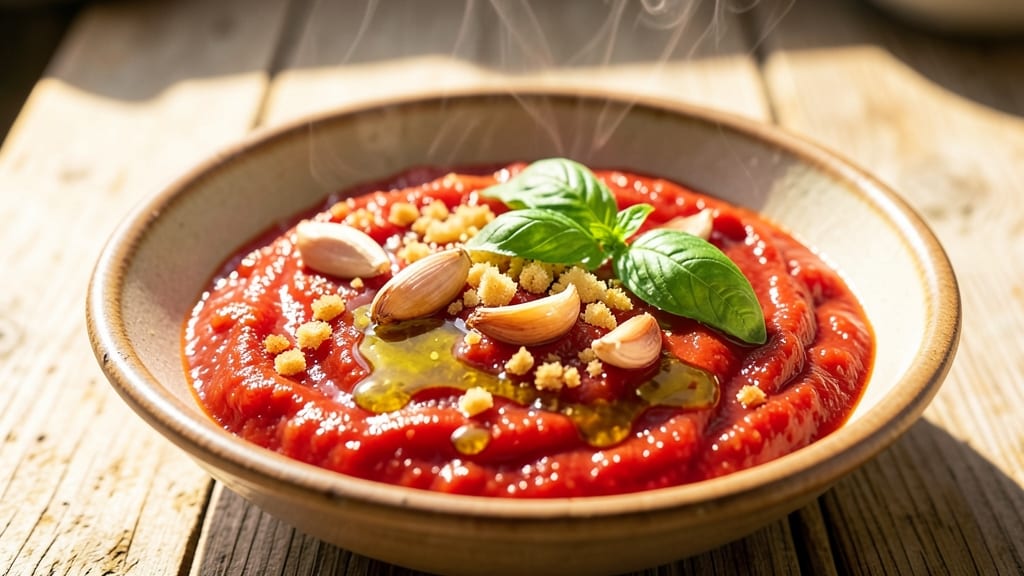
This basic Italian sauce recipe transforms simple canned tomatoes into a rich, simmered masterpiece that elevates every pasta dish. The secret lies in slow cooking to develop deep, caramelized flavors—no fancy ingredients required.
I’ve perfected this sauce over years of testing, ensuring it’s foolproof for home cooks while delivering restaurant-quality results.
Start with canned San Marzano tomatoes for natural sweetness, then build layers of flavor with garlic, olive oil, and a pinch of salt. A splash of red wine (optional but recommended) adds complexity, while fresh basil at the end brightens the sauce without overpowering it.
The key is patience—simmering for 20 minutes allows the flavors to meld into a velvety, aromatic sauce that clings perfectly to pasta.
What you’ll end up with is a versatile sauce that’s rich enough for lasagna but simple enough for weeknight dinners. It thickens naturally as it cooks, creating a perfect balance between chunky tomato pieces and smooth, velvety texture.
The best part? It tastes even better the next day, making it ideal for meal prep.
Use this as a base for marinara, pomodoro, or even a quick bolognese—just add ground meat if desired. Store leftovers in the fridge for up to 5 days or freeze for months. Here’s how to make it perfectly every time.
Ingredients for basic italian sauce
Nine essential ingredients for a sauce that builds restaurant-quality depth from simple canned tomatoes.
| Ingredient | Amount | Notes |
|---|---|---|
| San Marzano Canned Tomatoes 🍅 | 2 cups | Crushed by hand for texture |
| Extra-Virgin Olive Oil 🫒 | ¼ cup | High-quality, fruity variety |
| Garlic Cloves 🧄 | 3 cloves | Minced for aromatic depth |
| Red Wine 🍷 | ½ cup | Bold, dry variety (optional) |
| Fresh Basil Leaves 🌿 | ¼ cup | Chopped for bright finish |
| Salt 🧂 | 1 tsp | Diamond Crystal preferred |
| Ground Black Pepper 🌶️ | ¼ tsp | Freshly cracked for warmth |
| Dried Oregano 🍃 | ½ tsp | Mediterranean variety |
| Sugar 🍚 | ½ tsp | Balances acidity |
San Marzano tomatoes are the foundation—their natural sweetness and low acidity create the perfect base. Look for whole, crushed tomatoes in the canned section at Whole Foods or Trader Joe's, where they're often sold in bulk. The extra-virgin olive oil should have a fruity, peppery finish—California or Italian varieties work best. Garlic cloves should be firm and free of sprouts; peeling and mincing them just before cooking preserves their freshness. For the red wine, any bold, dry variety like Cabernet Sauvignon or Chianti will add complexity without overpowering.
No red wine? Substitute 0.5 cup beef broth or extra tomato juice, though you'll lose some depth. Fresh basil is ideal, but dried oregano at half the amount works in a pinch. The sugar balances acidity—skip it if using very ripe tomatoes. For a smoother texture, blend half the sauce before mixing back in. If you prefer chunkier tomato pieces, crush the tomatoes by hand with your fingers instead of a blender. The oregano should be Mediterranean or Italian for authentic flavor—avoid Mexican blends, which can taste bitter.
This sauce develops best when simmered, so store it in airtight glass jars in the fridge for up to 5 days. For longer storage, freeze in 1-cup portions—it reheats beautifully and tastes even richer the next day. The basil should be added last to preserve its bright flavor; store fresh basil stems-down in a glass of water in the fridge to extend its life. If making ahead, withhold the basil and salt until reheating to maintain optimal flavor.
Why You'll Love This Recipe
- No-Chop Necessary: I swear by this—just open a can of San Marzano tomatoes, crush a few garlic cloves with the flat of my knife, and toss them in. That’s it. No dicing, no mincing, no fancy techniques. The wine and olive oil do all the work while I stir.
- Wine-Infused Magic: The moment that red wine hits the pan, my kitchen smells like a Tuscan trattoria. It’s not just flavor—it’s depth. That bright acidity from the tomatoes and the richness of the olive oil? It’s the kind of balance that makes you pause mid-bite.
- Pasta, Pizza, or Pan: Serve it over spaghetti, dollop it on a crust, or just eat it with crusty bread. I’ve used this sauce for weeknight dinners, potlucks, and even as a quick lunch when I’m in a rush. The basil at the end? Always a winner, no matter what.
- Makes Meals Effortless: A big batch keeps for days in the fridge, and it only gets better as the flavors meld. I freeze half for lazy Mondays, and the canned tomatoes? Cheaper than fresh but just as good. Minimal effort, maximum reward—exactly what I need.
Step-by-step instructions for simmered tomato depth
This professional technique transforms simple ingredients into a rich, balanced Italian sauce foundation.
Bloom the Aromatics in Olive Oil
Heat the 0.25 cup extra-virgin olive oil in a medium saucepan over medium-low heat until shimmering but not smoking. Add the 3 minced garlic cloves and cook for 1-2 minutes until golden and fragrant—not browned. This gentle cooking prevents bitter flavors while developing depth.
Watch the garlic closely—it burns quickly. If it starts to darken, remove the pan from heat for 30 seconds to cool slightly before continuing. The garlic should smell sweet and nutty, not acrid. This aromatic base forms the flavor foundation for your sauce.
Deglaze with Wine and Incorporate Tomatoes
Pour in the 0.5 cup red wine and scrape the bottom of the pan vigorously with a wooden spoon, collecting all the browned bits. This deglazing step captures concentrated flavor that would otherwise burn. Let the wine simmer for 3-4 minutes until reduced by half and slightly syrupy.
Add the 2 cups crushed San Marzano tomatoes along with the 0.5 tsp sugar and 0.5 tsp dried oregano. Stir well to combine. The sugar helps balance the acidity of the tomatoes while the oregano adds earthy complexity. Bring the mixture to a gentle simmer over medium heat.
Season and Simmer to Perfection
Add the 1 tsp salt and 0.25 tsp ground black pepper, stirring to dissolve completely. Reduce heat to low and let the sauce simmer uncovered for 10-12 minutes, stirring occasionally. You're looking for a sauce that coats the back of a spoon with a velvety consistency.
During this time, the sauce will reduce slightly, intensifying its flavor. If it becomes too thick before reaching the desired consistency, add 1-2 tablespoons water to loosen it. The sauce should be smooth with no visible tomato chunks—this is a classic Italian technique for a refined texture.
Finish with Fresh Basil
Remove the sauce from heat and stir in the 0.25 cup chopped fresh basil leaves. Let the sauce sit for 2-3 minutes to allow the basil's bright aroma to infuse. The fresh basil adds a vibrant finish that complements the simmered depth of the sauce.
Taste and adjust seasoning if needed—this is your final opportunity to balance flavors. The sauce should be rich with tomato sweetness, subtle acidity, and herbal notes. For best results, use the sauce immediately over pasta, but it will keep in the refrigerator for up to 3 days if stored in an airtight container.
Pro Tips For Making Basic Italian Sauce
- CRUSH GARLIC LOW AND SLOW: I learned this the hard way—burnt garlic ruins everything. Sauté those cloves in olive oil over medium-low heat until just golden (about 3-4 minutes), stirring often. High heat turns garlic bitter fast, and you’ll taste it in every bite.
- SWEAT TOMATOES FIRST: Skip dumping raw tomatoes straight in. Crush them by hand (no blender—you want texture), then cook in the same pan over medium heat for 5 minutes before adding wine. This softens the acidity and lets the flavors meld instead of fighting each other.
- DEGLAZE WITH PATIENCE: After the wine boils off, don’t rush the scraping. Use a wooden spoon to wipe every last bit from the bottom—those browned bits are pure flavor. Add a splash of water if needed, but don’t dilute too much; you’re building depth, not soup.
- SALT THE TOMATOES UPFRONT: San Marzano tomatoes are low-sodium, but canned tomatoes often aren’t. Toss them with ½ teaspoon salt while crushing, then let sit 10 minutes before cooking. This balances the acidity and saves you from over-salting later—trust me, your sauce will thank you.
Pro cooking tips for this dish
Heat Control Secrets
Start with medium-low heat when blooming garlic in olive oil—this prevents burning while allowing flavors to develop fully. I use a stainless steel saucepan because it heats evenly and responds quickly to temperature adjustments.
If your oil starts smoking, immediately reduce heat to low and let it cool slightly before continuing. The garlic should turn golden, not brown—this takes about 1-2 minutes of careful attention. 🌡️
Wine Deglazing Technique
After removing the garlic, pour in the red wine and use a wooden spoon to scrape every last bit of browned garlic from the pan. These fond bits pack intense flavor—don't waste them! Let the wine reduce by half (3-4 minutes) before adding tomatoes.
This concentration step transforms ordinary wine into a flavorful sauce component. I recommend using a dry, bold red like Chianti for best results.
Simmering for Depth
Simmering at low heat for 10-12 minutes is where magic happens. The sauce should bubble gently, not boil vigorously. Stir occasionally to prevent sticking—this sauce develops Maillard reaction flavors as it cooks.
If it thickens too much, add 1-2 tablespoons water to maintain a smooth, velvety consistency. The goal is a sauce that coats the back of a spoon without being gluey.
Basil Timing Matters
Always add fresh basil off the heat to preserve its bright aroma. Let it steep for 2-3 minutes before serving—this infuses the sauce without wilting the leaves. I chop basil just before adding it to maintain maximum freshness.
For extra vibrancy, add a pinch of red pepper flakes or grated Parmesan at this stage if you want to customize the flavor profile.
Texture Troubleshooting
If your sauce ends up too thick, thin it with tomato juice or water while reheating. For a smoother texture, blend half the sauce before mixing back in. If it's too thin, simmer uncovered for an additional 5-10 minutes to reduce it.
The ideal consistency should cling to pasta without dripping off—this takes practice, but the flavor reward is worth it! ✨
Nutrition facts
Frequently asked questions
Can I substitute regular canned tomatoes for San Marzano?
Yes, but expect less sweetness and more acidity. For best results, choose whole peeled tomatoes (like Muir Glen) and crush them by hand. Add 0.25 tsp extra sugar to balance the acidity. Avoid tomato sauce or paste—they lack the natural sweetness and texture of fresh crushed tomatoes.
How do I make this sauce thicker for lasagna?
Simmer uncovered for an extra 5-10 minutes to reduce it naturally. For more control, mix 1 tablespoon tomato paste with 1 tablespoon water and stir in during the final 5 minutes of simmering. Alternatively, blend half the sauce and mix back in for a silky texture. Avoid flour—it can make the sauce taste grainy.
What if I don't have red wine?
Use 0.5 cup beef broth or tomato juice instead, though you'll lose some depth. For a meat sauce, substitute with 0.5 cup red wine vinegar (reduce by half first). The sauce will still work—just add an extra pinch of salt to compensate for the vinegar's tang.
Can I make this sauce ahead of time?
This sauce tastes even better the next day. Store in an airtight glass container in the fridge for up to 5 days. For longer storage, freeze in 1-cup portions for up to 3 months. When reheating, warm gently on low heat and add fresh basil and salt at the end to restore brightness.
Why does my sauce taste bland?
Most likely, you didn't simmer long enough or underseasoned. Always taste before serving—Italian sauces should be rich and balanced, not mild. If needed, add 0.25 tsp salt or 0.1 tsp red pepper flakes for depth. For extra umami, stir in 1 teaspoon soy sauce or 1 anchovy fillet (remove after tasting). The key is patience—simmering builds flavor!