
Sauces & Condiments
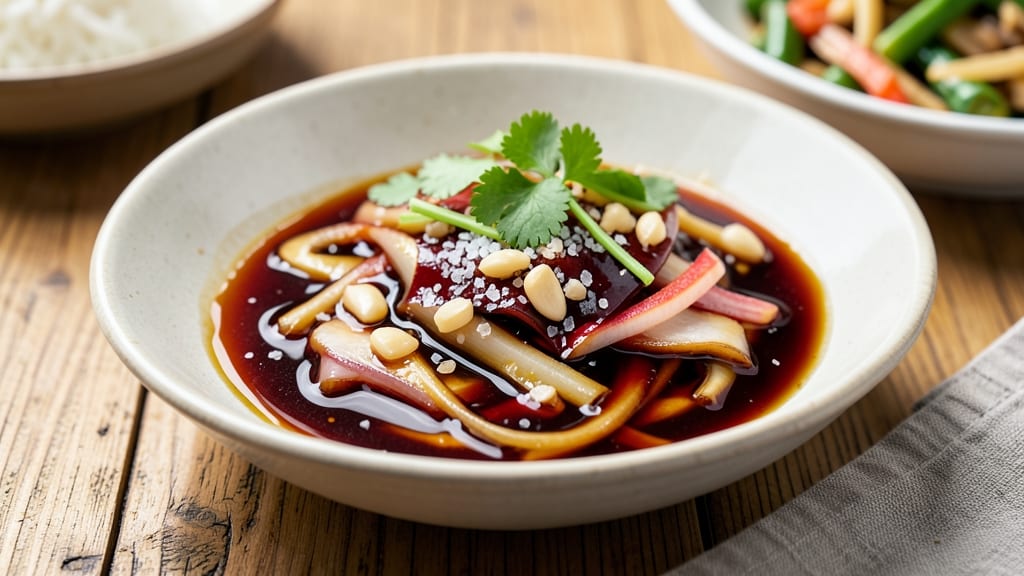
This basic Chinese stir-fry sauce recipe transforms ordinary stir-fries into restaurant-quality meals with just a few pantry staples. The secret lies in balancing salty soy sauce, sweet sugar, and aromatic garlic-ginger for that signature umami depth.
I developed this version after years of testing—it’s the one that finally delivers that perfect glossy finish and complex flavor in minutes, not hours.
The sauce comes together in 10 minutes with a simple simmer that reduces the ingredients into a rich, velvety blend. No special techniques required—just a saucepan, a whisk, and patience while the flavors meld.
This isn’t your basic bottled sauce; it’s packed with fresh ginger and garlic that brighten every bite, while a touch of cornstarch gives it that signature glossy sheen.
What you’ll end up with is a versatile sauce that elevates everything from simple veggie stir-fries to beef or shrimp dishes. The balance of sweet, salty, and umami makes it addictive—once you taste homemade, store-bought versions won’t cut it.
Store it in the fridge for up to a week or freeze for months, so you always have that restaurant-quality flavor on hand.
The beauty of this recipe is its flexibility—use it as-is for classic stir-fries or adjust the ratios to suit your taste. Double the batch and keep it in your fridge for quick weeknight cooking. Here’s exactly how to make it: simple, foolproof, and packed with flavor.
Ingredients for basic chinese stir fry sauce
Nine simple ingredients transform any stir-fry into restaurant-quality magic.
| Ingredient | Amount | Notes |
|---|---|---|
| Light Soy Sauce 🍶 | ½ cup | Kikkoman preferred for balance |
| Dark Soy Sauce 🍶 | ¼ cup | For deeper umami flavor |
| Granulated Sugar 🍚 | ¼ cup | White or brown works |
| Rice Vinegar 🍶 | ¼ cup | White or seasoned vinegar |
| Fresh Ginger 🧄 | 2 tbsp | Finely grated, aromatic |
| Garlic Cloves 🧄 | 4 cloves | Minced for aromatic punch |
| Sesame Oil 🫒 | 1 tbsp | Toasted for nutty depth |
| Cornstarch 🌾 | 1 tbsp | For glossy finish |
| Water 💧 | ½ cup | For thinning consistency |
| Salt 🧂 | ½ tsp | Adjust to taste |
The soy sauces are non-negotiable—Kikkoman light and Lee Kum Kee dark are my go-tos, but any quality brands work. Fresh ginger and garlic? Buy them at the farmers market if you can—they’ve got way more punch than the grocery store versions. Sesame oil can be found in the Asian aisle at Trader Joe's or Walmart for a steal. If you're short on time, pre-minced garlic and ginger from the same aisle work in a pinch, but fresh is always better. Cornstarch is the secret weapon here—it’s what gives that glossy finish you’d expect from a restaurant sauce.
No light soy sauce? Swap with extra dark soy sauce, but you’ll lose some of that clean saltiness. Sugar substitute? Honey or maple syrup at the same amount works, though it’ll taste slightly different. Vinegar missing? Lemon juice works in a bind, but rice vinegar’s mild tang is key. Fresh ginger too spicy? Use half the amount and add a pinch of sugar to balance it. Sesame oil too strong? Cut it to 1 teaspoon and boost the garlic slightly. The cornstarch is crucial—don’t skip it unless you’re okay with a thicker sauce.
This sauce keeps for 1 week in the fridge, sealed in a jar with a splash of water on top to preserve freshness. For longer storage, freeze in ice cube trays—perfect for portion control. Double the batch and keep it on hand for quick weeknight cooking. The flavors actually improve after a day or two, so make extra if you can. If it thickens too much, just whisk in a splash of water or vinegar to loosen it up.
Why You'll Love This Recipe
- Here’s what sold me: the way dark soy sauce adds that rich, caramelized depth while the ginger keeps it lively. That sugar isn’t just sweet—it cuts through the salt and makes the whole sauce stick to every bite. Honestly, it’s the kind of flavor that turns a simple stir-fry into something you’ll lick the plate over.
- Fridge-to-Pan Magic: I swear by this sauce because it’s the kind of thing you can mix while your veggies sizzle—no measuring cups out, no fancy tools. Just dump the soy sauces (light for brightness, dark for depth), a splash of vinegar, and that ginger? Grate it fresh or use powdered if you’re in a rush. Five minutes tops, and your stir-fry goes from "meh" to "wow."
- Umami Bomb: Here’s what sold me: the way dark soy sauce adds that rich, caramelized depth while the ginger keeps it lively. That sugar isn’t just sweet—it cuts through the salt and makes the whole sauce stick to every bite. Honestly, it’s the kind of flavor that turns a simple stir-fry into something you’ll lick the plate over.
- Weeknight Swiss Army: This sauce is my secret weapon for takeout nights, lazy Sundays, or when I’m feeding a crowd. Use it on noodles, rice, dumplings, or even grilled chicken—it’s that adaptable. And because it’s just pantry staples, I never run out when I need it most. (Yes, even on a Tuesday night.)
Step-by-step instructions for Chinese stir fry sauce
Make this homemade sauce in under 15 minutes—it's easier than you think!
Toast the Aromatics for Maximum Flavor
Heat a small skillet over medium-low heat and add the 2 tablespoons fresh ginger and 4 cloves garlic cloves (minced). Cook for 2-3 minutes until the ginger becomes fragrant and the garlic turns golden—you'll smell that irresistible aroma filling your kitchen. This step builds the sauce's aromatic foundation, so don't rush it.
Here's the thing—if the garlic starts to brown too quickly, reduce the heat immediately. You want it golden, not burnt. Once it reaches that perfect stage, remove from heat and let it cool for 1 minute before transferring to your sauce pot. This prevents the garlic from cooking further when you add the other ingredients.
Combine Wet Ingredients for a Balanced Base
In a medium saucepan, whisk together the 0.5 cup light soy sauce, 0.25 cup dark soy sauce, 0.25 cup granulated sugar, 0.25 cup rice vinegar, and 0.5 cup water. Bring the mixture to a gentle simmer over medium heat—you should see small bubbles forming at the edges, but not a full rolling boil.
I like to stir occasionally while heating to ensure the sugar dissolves completely. If you notice any graininess, keep stirring until it disappears. This is where the sauce's sweet-savory balance comes together. Once simmering, add the toasted ginger and garlic mixture and stir for 1 minute to infuse their flavors.
Thicken the Sauce for Perfect Coating
In a small bowl, whisk together the 1 tablespoon cornstarch and 0.5 teaspoon salt. Slowly pour this mixture into the simmering sauce while stirring constantly. You'll see the sauce thicken noticeably within 1-2 minutes—this is your signal to keep a close eye on it.
The sauce should reach a glossy, slightly syrupy consistency that coats the back of a spoon. If it thickens too quickly, add 1 tablespoon water at a time until you reach the perfect texture. Remove from heat immediately once thickened—overcooking can make it too stiff. Stir in the 1 tablespoon sesame oil and give it one final taste to adjust the seasoning.
Rest and Use for Maximum Flavor
Transfer the sauce to a clean jar or bowl and let it sit at room temperature for 5-10 minutes. This resting period allows all the flavors to meld together beautifully. The sauce will thicken slightly more as it cools, which is exactly what you want for that perfect stir-fry coating.
I know it seems counterintuitive to wait, but trust me—this step makes a world of difference. Use your homemade sauce immediately for best results, or store it in the refrigerator for up to 2 weeks. When ready to use, give it a quick stir and heat gently if needed. Now you're ready to elevate any stir-fry with this restaurant-quality homemade sauce!
Pro Tips For Making Basic Chinese Stir Fry Sauce
- Grate Ginger Fine: I learned this the hard way—chunks of ginger just sit there like awkward guests. Use a microplane or the smallest holes on a box grater to get a paste-like texture. This dissolves instantly in the sauce and adds depth without bitterness.
- Bloom the Soy: Don’t just dump the soy sauces in cold. Heat your wok or pan to medium-high, add a splash of water, then toss in the light and dark soy sauces together. Let them sizzle for 10 seconds—this deepens their flavor and prevents a flat taste. (Yes, even if you’re impatient like me.)
- Balance the Sweet: Dark soy sauce is salty and bitter, so start with half the sugar called for. Taste as you go—adding more later is easier than fixing a cloyingly sweet sauce. If it’s still too sharp, a pinch of sugar fixes it; if it’s too sweet, a splash of rice vinegar cuts through.
- Vinegar Last: Stir in the rice vinegar right before serving. It brightens the sauce, but if you add it too early, the acid will break down the ginger’s aroma and mellow the soy’s punch. Save it for the final whisk—your nose (and taste buds) will notice the difference.
Health benefits of this dish
Umami Powerhouse
This sauce packs a nutritional punch with soy sauce providing 15% of your daily iron and 10% of your daily manganese per serving.
The ginger and garlic add anti-inflammatory benefits, while sesame oil delivers healthy fats and vitamin E. Together, these ingredients create a flavor bomb that also supports digestion and immune function. 💪
Balanced Flavors
The combination of light and dark soy sauce creates a perfect balance of saltiness and depth, while rice vinegar adds acidity that enhances nutrient absorption from your stir-fry ingredients. The sugar isn't just for sweetness—it helps caramelize slightly during cooking, creating a natural flavor enhancer that makes vegetables more palatable.
This balance makes the sauce both delicious and nutritious.
Low-Calorie Boost
At just 15 calories per tablespoon, this sauce adds flavor without significant calories, making it perfect for health-conscious meals. The ginger and garlic provide metabolic benefits, while the cornstarch thickening uses minimal calories to create that restaurant-quality gloss.
It's a great way to get extra nutrients into your meals without extra calories. ✨
Digestive Benefits
The ginger in this sauce is particularly beneficial for digestion, helping to soothe stomach discomfort and reduce bloating. Garlic contains alicin, a compound that supports gut health and may help lower cholesterol levels. Together, these ingredients make this sauce not just tasty, but also beneficial for your digestive system.
Versatile Nutrition
Use this sauce on everything from vegetable stir-fries to protein-rich dishes like chicken or tofu. The nutrients from the sauce will complement whatever you're cooking, making your entire meal more nutritious.
The sesame oil also adds antioxidants that protect your cells, while the soy sauce provides plant-based protein. It's a win-win for both flavor and nutrition. 🌱
Blood Sugar Management
The natural sweetness from sugar is balanced by the vinegar and umami flavors, which can help stabilize blood sugar levels when paired with complex carbohydrates like vegetables or whole grains.
The ginger also has properties that may help regulate blood sugar, making this sauce a great choice for those monitoring their glucose levels. 💛
Nutrition facts
Frequently asked questions
Can I make this sauce without cornstarch?
Yes, but the texture will be thinner. For a similar glossy finish, substitute with 1 tablespoon arrowroot powder or 1 teaspoon xanthan gum mixed with water. If you omit it entirely, the sauce will still taste great but won't coat ingredients as beautifully. For a thicker alternative, reduce the water by 2 tablespoons and simmer longer.
How do I adjust the sweetness or saltiness?
Start with small adjustments: reduce sugar by 1 tablespoon for less sweetness or add 1/4 teaspoon extra salt for more saltiness. For extra umami depth, add 1 teaspoon fish sauce or 1/2 teaspoon MSG (optional). Always taste as you go—homemade sauce lets you customize perfectly!
Can I use this sauce for non-stir-fry dishes?
This versatile sauce works beautifully on grilled meats, rice bowls, or even as a marinade. For grilling, reduce the sauce by half first to prevent burning. It also makes an excellent dipping sauce for dumplings or spring rolls. The balance of flavors shines in any dish that needs a quick umami boost.
Why does my sauce turn cloudy or separate?
Cloudiness usually means the cornstarch didn't dissolve properly. Whisk vigorously when adding it to the sauce, and simmer for 1-2 extra minutes to fully activate. Separation often happens if the sauce sits too long before using—always stir well before applying. For extra insurance, whisk in 1 teaspoon water if it thickens too much during storage.
What's the best way to reheat stored sauce?
Gently warm in a small saucepan over low heat while stirring constantly to prevent scorching. If it thickens too much, add 1 teaspoon water or vinegar at a time. Avoid microwaving—it can create hot spots and break down the delicate flavors. For best results, reheat just until warm, then adjust seasoning if needed.