
Sauces & Condiments
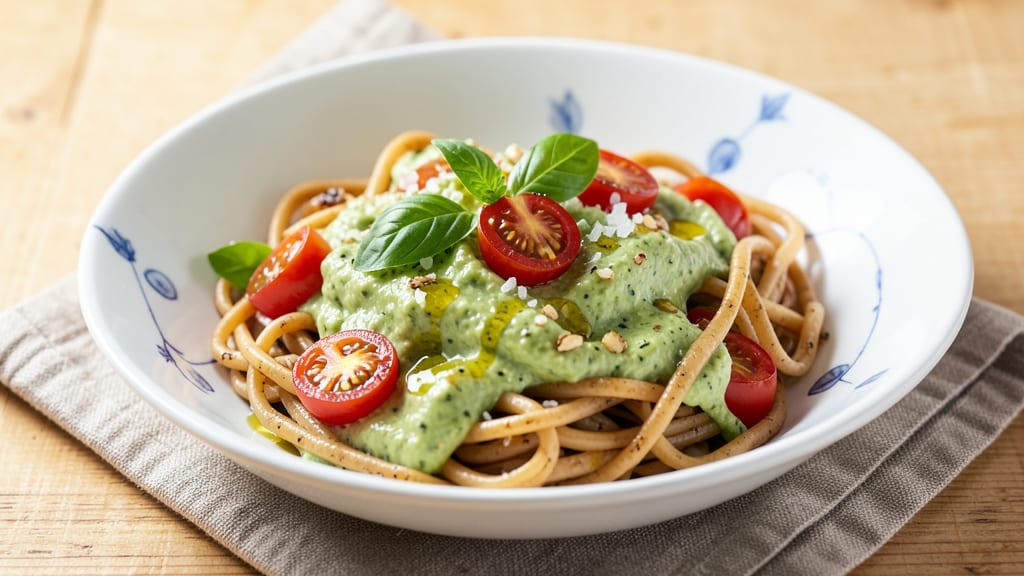
This avocado cream pasta sauce recipe transforms simple ingredients into a velvety, restaurant-quality sauce without a single minute of cooking. ✨ The secret lies in blending ripe avocados with fresh basil, garlic, and lemon juice until silky smooth—no stovetop required.
Perfect for busy weeknights or when you crave creamy pasta without the fuss, this sauce delivers rich, tangy flavor with every twist of the fork.
The beauty of this recipe is its simplicity: just five core ingredients create a sauce that clings perfectly to pasta, blending creamy avocado with bright lemon and aromatic basil. Unlike traditional cream sauces, this version stays fresh longer and offers a lighter, plant-based option that still satisfies cravings.
The texture is lusely smooth with just the right bite, making it ideal for fettuccine, penne, or even as a dip for crusty bread.
What sets this sauce apart is its versatility—it works as a quick weeknight dinner or an elegant addition to special meals. The avocado provides healthy fats, while the lemon and garlic add depth without overpowering.
Best of all, preparation takes less than five minutes, and the sauce keeps well for up to three days in the refrigerator, ready to elevate any pasta dish.
Whether you're vegetarian, plant-based, or simply looking for a lighter alternative, this sauce delivers bold flavor without compromise. Pair it with sautéed garlic shrimp, grilled chicken, or roasted vegetables for a complete meal. Let’s make this creamy, no-cook wonder your new go-to pasta sauce.
Ingredients for avocado cream pasta sauce
Five fresh ingredients blend into velvety pasta sauce without a single minute of cooking.
| Ingredient | Amount | Notes |
|---|---|---|
| Ripe Avocados 🥑 | 2 whole | Pitted, flesh scooped clean |
| Fresh Basil Leaves 🌿 | 1 cup | Packed, stems removed |
| Garlic Cloves 🧄 | 3 cloves | Peeled, roughly chopped |
| Extra-Virgin Olive Oil 🫒 | ½ cup | High-quality, fruity variety |
| Lemon Juice 🍋 | 2 tbsp | Freshly squeezed |
| Sea Salt 🧂 | ½ tsp | Fine grain preferred |
| Black Pepper 🌶️ | ¼ tsp | Freshly ground preferred |
| Vegetable Broth 💧 | ¼ cup | Low-sodium for balance |
Avocados are the star—pick ones that yield slightly to gentle pressure (the riper, the creamier). Whole Foods or local markets often carry the best quality, but any grocery store avocados work if they're ripe. Fresh basil matters too; Trader Joe's sells pre-washed packs that save time, but the vibrant green leaves at farmers markets have more flavor. Garlic should be firm with no green sprouts—Costco sells great bulk cloves at a discount. For olive oil, California brands like Corto or Olea add that fruity depth that makes this sauce sing.
No fresh basil? Dried basil at one-third the amount works in a pinch, though texture will differ. Short on avocados? Mashed white beans can replace half the amount for a lighter texture. The vegetable broth adds body without overpowering—Imagine or Pacific Foods brands are low-sodium and reliable. For extra richness, stir in 1 tbsp nutritional yeast after blending. Lemon juice can be substituted with lime juice at the same amount, but flavor shifts slightly. The salt and pepper are non-negotiable for balance—Diamond Crystal kosher salt dissolves perfectly.
This sauce thrives fresh but keeps beautifully for 3 days in the fridge. To preserve color, pour a thin layer of olive oil on top before sealing. Freezes for 3 months in airtight containers—perfect for meal prep. For best texture, blend just before serving. Pairs perfectly with whole wheat pasta or as a dip for garlic bread. Double the batch and freeze half for future lazy weeknights.
Why You'll Love This Recipe
- No Blender Needed: I’ll admit—this sauce starts with just a fork and a bowl. Mash those avocados right in the pot with warm pasta water, and let the starchy magic do half the work. No pulsing, no straining, no cleanup. That creamy texture? Pure alchemy from the pan.
- Taste Like Summer: The second you mix in that bright lemon juice and fresh basil, it’s like a Mediterranean breeze landed on your plate. The garlic adds a little bite, but the avocado keeps it lush—no heavy cream, no weird aftertaste. It’s the kind of flavor that makes you pause mid-bite.
- Lunch or Dinner: Throw it over spaghetti for a quick weeknight meal, or pile it onto crusty bread with cherry tomatoes for a no-fuss lunch. Even my picky teenage nephew devours it—no complaints, just seconds. (Yes, even on a Tuesday night.)
- Leftovers That Don’t Suck: This sauce actually improves the next day. The flavors meld, the texture stays rich, and it reheats like a dream. I’ve packed it for work, frozen it for lazy days, and it’s never let me down. Budget-friendly? Absolutely. Waste-free? Even better.
Step-by-step instructions for avocado cream pasta sauce
This no-cook sauce comes together in minutes—creamy, vibrant, and packed with fresh flavors.
👨🍳 Step 1: Prepare the Avocado Base
Cut the 2 whole ripe avocados in half, remove the pits, and scoop the flesh directly into a food processor or high-powered blender. The avocados should be completely ripe—when gently pressed, they should yield slightly without being mushy. This ensures a smooth, creamy texture without any graininess.
Add the 3 peeled garlic cloves and 2 tablespoons lemon juice to the processor. The lemon juice brightens the flavor and helps prevent browning. Pulse these ingredients together for 10-15 seconds until the garlic is finely minced but not fully blended. You want visible texture here—it adds depth to the sauce.
👨🍳 Step 2: Blend the Fresh Herbs and Liquids
Add the 1 cup packed fresh basil leaves and ½ cup extra-virgin olive oil to the processor. The basil should be tightly packed—this ensures you get that signature fresh flavor without overpowering the dish. Pulse the mixture again for 10-15 seconds to combine everything roughly.
Now add the ½ teaspoon sea salt and ¼ teaspoon black pepper. These seasonings should be finely ground—coarse salt or pepper can create an unpleasant texture in the sauce. With the processor running on low speed, slowly drizzle in the ¼ cup vegetable broth through the feed tube. This gradual addition prevents the sauce from becoming too thick or oily.
🍳 Step 3: Create a Silky, Balanced Sauce
Blend the mixture on high speed for 30-45 seconds until completely smooth and creamy. Scrape down the sides with a spatula to ensure even blending. The sauce should have a velvety consistency—if it's too thick, add 1 teaspoon water or broth at a time until it reaches a pourable yet clingy texture. For extra richness, you can add 1-2 tablespoons more olive oil if needed.
Taste the sauce and adjust the seasoning if necessary. The lemon juice should brighten the avocado flavor, while the basil adds a fresh, aromatic note. The vegetable broth balances the richness, preventing the sauce from being too heavy. Let the sauce sit at room temperature for 5 minutes before using—this allows the flavors to meld together perfectly.
🥘 Step 4: Combine with Cooked Pasta
Cook your pasta according to package instructions until al dente, then drain and return it to the pot. Add the avocado sauce to the pasta, tossing gently to coat each strand evenly. The residual heat from the pasta will help the sauce cling better, creating a silky coating.
For extra flavor, you can toss in a handful of fresh basil leaves or a sprinkle of red pepper flakes. Serve immediately while the pasta is hot—this sauce doesn't reheat well, so enjoy it fresh. The result is a creamy, vibrant pasta dish that's light yet satisfying, perfect for any meal.
Pro Tips For Making Avocado Cream Pasta Sauce
- STORE AVOCADOS RIGHT: Mash them with a fork right before mixing—no need to prep hours ahead. If you must store the sauce, keep it airtight with plastic wrap pressed directly on the surface to prevent browning, but honestly, fresh is always better.
- PULSE NOT MASH BASIL: Use a food processor or blender to pulse basil leaves briefly—just until you see tiny specks, not a smooth paste. Over-blending turns it into a bitter sludge, and you’ll lose that bright, herby punch the sauce needs.
- COOK GARLIC LOW AND SLOW: Sauté minced garlic in olive oil over medium-low heat until it’s golden, not browned. I’ve burned it twice—once it tasted acrid, the second time it ruined the whole dish. Keep an eye on it; it’s ready when it smells sweet, not sharp.
- LEMON JUICE LAST: Add lemon juice right before serving, not while blending. The acid breaks down the avocado’s texture over time, making the sauce grainy. A quick squeeze at the end keeps it silky and bright.
Creative variations of these flavors
Spicy Avocado-Lime Twist
For a zesty kick, add 1-2 teaspoons of lime zest and ½ teaspoon of Tajín seasoning (or mix ¼ teaspoon cayenne with ¼ teaspoon smoked paprika) to the blender with the avocados.
The lime zest brightens the sauce while Tajín adds a tangy, slightly spicy finish that pairs perfectly with chipotle or chorizo. I love this version with penne pasta and black beans for a Tex-Mex-inspired dish. 🌶️
Creamy Sun-Dried Tomato
Blend in ¼ cup sun-dried tomatoes (oil-packed, drained) with the basil for a deeper, umami-rich flavor. The tomatoes add a subtle sweetness that balances the avocado’s creaminess.
For extra richness, stir in 1 tablespoon of almond butter after blending—it adds a nutty depth that works beautifully with whole wheat spaghetti. Store-bought sun-dried tomatoes from Trader Joe’s are my go-to for convenience and flavor. ✨
Nutty Walnut & Sage
Toast ¼ cup walnut halves in a dry skillet over medium heat for 3-4 minutes until fragrant, then pulse them in the food processor with the avocado. Add 1 teaspoon of fresh sage leaves for an earthy, autumnal twist.
This variation is perfect for fettuccine and pairs wonderfully with roasted mushrooms or crispy prosciutto. The walnuts add a satisfying crunch and healthy fats, while the sage brings a sophisticated herbal note. 🌰
Smoky Chipotle Version
Infuse the olive oil with 1 chipotle pepper in adobo sauce (minced) by heating it gently for 1 minute before adding to the blender. The smoky heat complements the avocado’s richness beautifully. For extra depth, stir in 1 teaspoon of honey or maple syrup to balance the spice.
This version shines with orecchiette pasta and grilled shrimp, creating a restaurant-worthy dish in minutes. 🔥
Lighter Greek-Inspired
Swap the basil for ¼ cup fresh dill and add 1 teaspoon of lemon zest along with 2 tablespoons of crumbled feta cheese (optional). The dill gives a bright, citrusy lift, while the feta adds a salty tang.
This version works wonderfully with orzo or couscous for a lighter, Mediterranean-inspired meal. Serve with grilled chicken skewers or roasted zucchini for a complete dish. 🌿
Vegan Protein Boost
Blend in ½ cup cooked lentils or white beans (rinsed) for added protein and thickness. The lentils absorb the flavors beautifully while keeping the sauce creamy. For extra richness, stir in 1 tablespoon of tahini after blending.
This version is perfect for vegan diets and pairs well with chickpea pasta or whole wheat penne. The lentils add a subtle earthiness that complements the avocado’s buttery texture. 💚
Nutrition facts
Frequently asked questions
Can I make this sauce without fresh basil?
Yes! Use 1 tablespoon dried basil instead, but reduce the amount by one-third since dried herbs are more concentrated. For extra flavor, add ½ teaspoon dried oregano or 1 teaspoon lemon thyme as alternatives. Fresh basil gives the brightest taste, but dried works in a pinch.
How do I prevent the sauce from turning brown?
Lemon juice is your best friend—it contains citric acid that slows oxidation. Add it immediately when blending, and store the sauce in an airtight container with a thin layer of olive oil on top. For longer storage, squeeze a little extra lemon juice over the surface before sealing.
Can I use this sauce on other dishes besides pasta?
It works perfectly as a dip for garlic bread, a spread for tortilla chips, or a creamy topping for tacos. Try it with grilled chicken or fish tacos for a fresh twist. The sauce also adds richness to grain bowls or stuffed peppers.
Why does my sauce taste too thick or grainy?
If it's too thick, add 1 teaspoon of water or broth at a time until smooth. For graininess, ensure your avocados are fully ripe and blend longer on high speed. If using a regular blender, let it run for 60 seconds total to break down all textures. Chilling the sauce for 10 minutes before serving also helps emulsify it better.
Is this sauce suitable for meal prep?
Yes, but with a few tips. Store it in an airtight container for up to 3 days in the fridge. For longer storage, freeze in ice cube trays—thaw overnight in the fridge before using. Reheat gently in a saucepan over low heat (never microwave) to preserve texture. The sauce works best fresh but reheats well for leftovers.