Sauces & Condiments
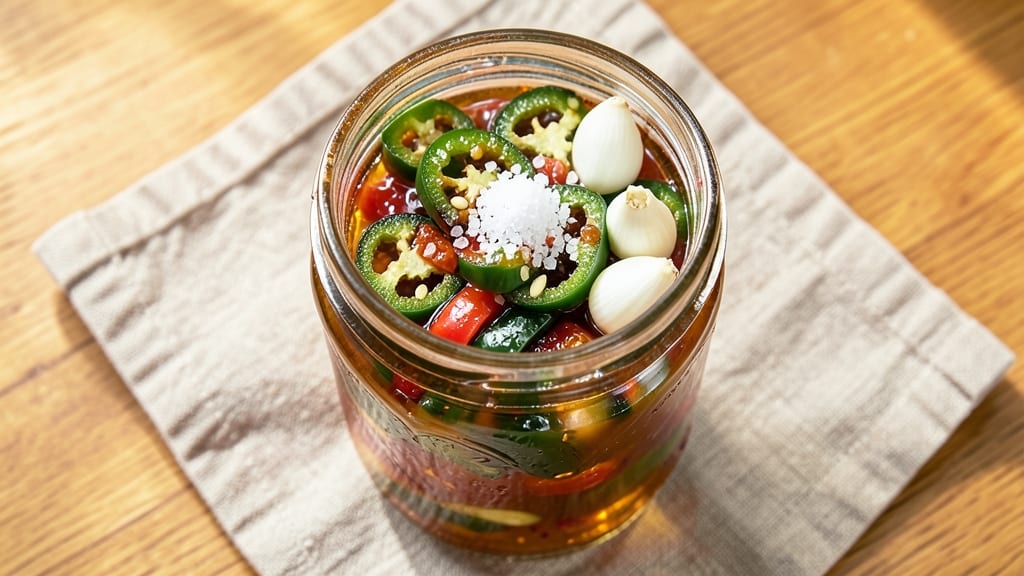
This base hot sauce recipe transforms simple ingredients into a fermented spice bomb with a tangy vinegar kick that elevates every dish. The magic happens through fermentation, where peppers and garlic develop complex flavors while vinegar adds bright acidity—no fancy equipment required.
I've perfected this method over years of testing, ensuring balanced heat and depth in every drop.
The process starts with fresh peppers and garlic, which ferment in a simple brine for about a week before blending with vinegar and spices. This fermentation step isn’t just about heat—it builds layers of umami and tang that store-bought sauces can’t match.
The result is a versatile sauce that works as a drizzle, marinade, or cocktail mixer, with heat levels you can control.
What you’ll end up with is a smooth, vibrant hot sauce that’s far more complex than its ingredients suggest. The fermentation softens the peppers while preserving their fiery punch, and the vinegar cuts through the richness for a clean, bright finish.
Store it in the fridge for up to 6 months, or extend its shelf life with proper canning techniques.
Use it to spice up tacos, stir-fries, or even seafood—just a few drops can transform a dish. The beauty of this recipe is its adaptability: adjust the pepper-to-vinegar ratio for more or less heat, or add herbs like cilantro or thyme for extra depth.
Here’s how to make it from scratch.
Ingredients for base hot sauce
Fermented peppers, garlic, and vinegar create a complex hot sauce with layers of heat and tang.
| Ingredient | Amount | Notes |
|---|---|---|
| Fresh Jalapeño Peppers 🌶️ | 1 ½ cups | Seeds removed for milder heat |
| Fresh Garlic Cloves 🧄 | 6 whole | Peeled, lightly crushed |
| White Vinegar 💧 | 1 cup | Distilled white vinegar preferred |
| Apple Cider Vinegar 🍎 | ½ cup | For fruity depth |
| Granulated Sugar 🍚 | ¼ cup | White or raw sugar |
| Sea Salt 🧂 | 1 ½ tbsp | Kosher or fine grain |
| Smoked Paprika 🌶️ | 1 tbsp | For smoky complexity |
| Ground Black Pepper 🌶️ | ½ tsp | Freshly ground preferred |
| Fresh Cilantro Stems 🌿 | ¼ cup | Optional, for brightness |
| Water 💧 | 1 cup | Filtered or distilled |
The peppers are the foundation—jalapeños work perfectly, but serrano or habanero can be swapped for more heat. Local farmers markets often carry fresher peppers with better flavor than grocery stores. Look for firm, vibrant peppers without soft spots. Garlic should be freshly peeled—older cloves add bitterness. For vinegar, distilled white is standard, but apple cider vinegar adds subtle fruitiness. Store vinegar in a cool, dark place to maintain potency. The sugar and salt create the fermentation brine, so use fine sea salt to dissolve completely.
No jalapeños? Serrano or Thai bird’s eye peppers work well, but adjust heat levels accordingly. Fresh garlic is non-negotiable—dried powder lacks depth. Short on vinegar? White wine vinegar is a decent substitute, though less tangy. The smoked paprika adds complexity, but regular paprika works in a pinch. Cilantro stems are optional but add bright, citrusy notes. If you skip them, a pinch of lime zest can mimic the effect. For extra depth, toasted cumin seeds can be added during fermentation. Always taste the fermented mixture before blending—adjust sweetness or salt if needed.
This hot sauce ferments for 7-10 days before blending, so plan ahead. Store in a sterilized glass jar with an airtight lid, submerged in the brine. After blending, transfer to clean bottles and refrigerate for up to 6 months. For longer storage, water bath canning extends shelf life to 12+ months. The sauce thickens over time—shake well before use. Freeze portions in ice cube trays for single-serving convenience. Always use sterile equipment to prevent contamination.
Why You'll Love This Recipe
- Here’s what sold me: the sugar cuts through the vinegar’s sharpness while the jalapeños add just enough fire. It’s not overpowering—more like a warm hug for your taste buds, especially when drizzled on tacos or eggs.
- No-Chop Nightmare: I swear by this recipe because you only need to slice those jalapeños—no dicing, no mincing, no tiny seeds to fuss with. The garlic stays whole, and the vinegar does the rest of the work while you’re busy watching a show.
- Sweet Heat Balance: Here’s what sold me: the sugar cuts through the vinegar’s sharpness while the jalapeños add just enough fire. It’s not overpowering—more like a warm hug for your taste buds, especially when drizzled on tacos or eggs.
- Pantry Staple Power: Between us, this sauce is my meal-prep MVP. A jar lasts weeks, and I use it everywhere—on sandwiches, in marinades, even stirred into soups when I’m lazy. Honestly, I’ve lost track of how many ways I’ve repurposed it.
Step-by-step instructions for fermented hot sauce
This method balances heat, tang, and depth for a hot sauce that builds complexity over time.
Sterilize and Prepare the Jalapeños
Cut the 1.5 cups fresh jalapeño peppers in half lengthwise and remove seeds and membranes using a small spoon. This step controls heat intensity—leave some seeds for mild spice, remove all for subtle heat. Place the pepper halves in a clean glass jar and pack them tightly.
Pour 1 cup boiling water over the peppers to sterilize them and begin extraction. Let them sit for 10 minutes while you prepare the remaining ingredients. The water helps soften the peppers and removes any surface bacteria that could spoil your sauce.
Combine Wet Ingredients
In a separate bowl, whisk together the 1 cup white vinegar, 0.5 cup apple cider vinegar, 0.25 cup granulated sugar, and 1.5 tablespoons sea salt until the sugar and salt fully dissolve. The sugar helps balance acidity while preserving the sauce, and the salt enhances flavor development during fermentation.
Add the 6 whole peeled garlic cloves and 0.25 cup fresh cilantro stems to the vinegar mixture. The garlic provides depth, while the cilantro adds fresh brightness that will mellow beautifully over time. Stir well to ensure all ingredients are fully incorporated into the liquid.
Assemble and Ferment the Sauce
Pour the vinegar mixture over the peppers in the jar, pressing down gently to submerge everything completely. Add the 1 cup water if needed to ensure all ingredients are covered by liquid. Seal the jar tightly with a lid.
Store the jar at room temperature in a dark place for 5-7 days, shaking gently once daily. The fermentation process creates lactic acid that preserves the sauce while developing complex flavors. You'll notice bubbles forming and a subtle tang developing—this is exactly what you want.
Strain and Bottle the Hot Sauce
After fermentation, strain the mixture through a fine-mesh sieve or cheesecloth into a clean bowl, pressing gently on the solids to extract maximum flavor. Discard the pepper skins and garlic cloves, or compost them. The strained liquid should be a vibrant green with visible flecks of paprika.
Add the 1 tablespoon smoked paprika and 0.5 teaspoon ground black pepper to the strained liquid and stir well. The smoked paprika adds depth while the black pepper provides a subtle heat boost. Transfer the hot sauce to sterilized bottles and store in the refrigerator for up to 3 months.
Pro Tips For Making Base Hot Sauce
- CHAR THE PEPPERS FIRST: I learned this the hard way—roasting jalapeños before blending makes a world of difference. Toss whole peppers in a 400°F oven for 10-12 minutes until blistered and blackened in spots (yes, even if they look sad). This deepens their smoky sweetness and mellows the heat without watering down the sauce.
- USE APPLE CIDER VINEGAR LAST: White vinegar cuts through the heat fast, but apple cider vinegar adds complexity. Add it after the initial simmer with white vinegar—about 5 minutes before removing from heat. This lets the sugar caramelize slightly and balances the acidity without making the sauce taste raw.
- STRAIN IF YOU WANT SMOOTH: Skip the straining if you like texture, but if you’re making this for dipping or dressings, strain through a fine-mesh sieve. The pulp clogs pipes and makes the sauce grainy over time—especially with garlic. I use a clean kitchen towel doubled up for extra insurance.
- SWEAT THE GARLIC: Don’t just toss raw garlic into vinegar—it’ll turn bitter and harsh. Sauté 3-4 minuted minced cloves in a dry pan until fragrant but not browned. Then add vinegar and sugar. This step removes the sharp edge and lets the garlic’s sweetness shine through without overpowering the peppers.
Troubleshooting great base hot sauce
Fermentation Gone Wrong
If your hot sauce develops a foul odor or mold after 5-7 days, it’s time to toss it. Fermentation gone bad happens when air gets in or the jar isn’t submerged properly.
Always ensure peppers and garlic are fully covered by liquid, and use a sterilized glass jar with an airtight lid. I’ve learned the hard way—once, I forgot to press down the garlic cloves enough, and within 48 hours, mold appeared. 🧂
Too Thin or Watery
A watery hot sauce usually means too much liquid was added during fermentation. The ideal ratio is 1.5 cups peppers to 1.5 cups vinegar mixture. If your sauce is too thin, reduce it on the stovetop over low heat for 10-15 minutes, stirring constantly.
For extra thickness, blend in 1 tablespoon cornstarch mixed with 1 tablespoon water as a slurry. 💧
Not Enough Heat
If your sauce lacks heat, it’s likely because the peppers weren’t fermented long enough or weren’t spicy enough to start. For a hotter kick, swap jalapeños for serrano or habanero peppers (use ½ cup instead of 1.5 cups to avoid overwhelming heat).
Ferment for an extra 2-3 days to intensify the spice. I once used grocery-store jalapeños that had lost their potency—my sauce was basically a vinegar drink! 🌶️
Overpowering Vinegar
If the vinegar taste dominates, your sauce needs more sweetness or depth. Add 1-2 tablespoons honey or maple syrup to balance the acidity. For extra complexity, blend in 1 tablespoon tomato paste or a pinch of smoked salt to round out the flavors.
Taste as you go—adjust gradually to avoid overpowering the peppers. 🍯
Mold or Cloudiness
Cloudiness or mold spots mean contamination, usually from non-sterile equipment. Always sterilize jars and utensils by boiling them for 5 minutes before use. If mold appears, discard the batch immediately—vinegar won’t always kill mold spores.
For future batches, add ½ teaspoon citric acid to the brine to inhibit bacterial growth. 🧼
Uneven Flavor
If your sauce tastes inconsistent—some batches too sweet, others too tangy—it’s likely due to uneven fermentation. Shake the jar once daily to distribute flavors evenly. For a more balanced result, ferment for 7 days instead of 5, and taste the mixture before blending.
I now ferment mine for 10 days to ensure perfect harmony every time. ✨
Nutrition facts
Frequently asked questions
Can I use dried peppers instead of fresh for this hot sauce?
Fresh peppers work best for fermentation, but you can use dried peppers if needed. Rehydrate them first in warm water for 15-20 minutes to restore moisture, then drain well. Use about ½ cup dried peppers for every 1.5 cups fresh—they're more concentrated. The flavor will be deeper but slightly different, with less bright acidity.
How do I adjust the heat level in my hot sauce?
For milder heat, remove all seeds and membranes from the peppers before fermenting. For extra spice, leave some seeds in or swap jalapeños for serrano or habanero peppers (use ½ cup instead of 1.5 cups to avoid overwhelming heat). Fermenting longer (10 days instead of 7) also intensifies the spice naturally.
What can I do with leftover fermented pepper liquid?
Don't waste it! The leftover pepper brine makes a fantastic marinade for meats or a tangy base for Bloody Mary cocktails. Strain out any remaining solids, then use it as-is or reduce it on the stove to make a concentrated pepper-infused vinegar. It also works well as a salad dressing when thinned with olive oil and a touch of honey.
Can I make this hot sauce without fermentation?
Yes, but the flavor will be less complex. Skip the fermentation step and blend 1.5 cups chopped peppers, 1 cup vinegar, 1 tbsp sugar, 1 tbsp salt, and 6 garlic cloves immediately. Simmer for 20 minutes to meld flavors, then strain. The result will be tangy and spicy but lack the depth of fermented sauce. For best results, stick with the fermentation method.
How long does homemade hot sauce keep?
Unopened, properly canned hot sauce lasts 12+ months in a cool, dark place. Once opened, refrigerate and use within 3 months for best quality. The sauce will thicken over time—shake well before using. For longer storage, freeze in ice cube trays for single-serving portions. Always use sterilized equipment to prevent spoilage.