
Sauces & Condiments
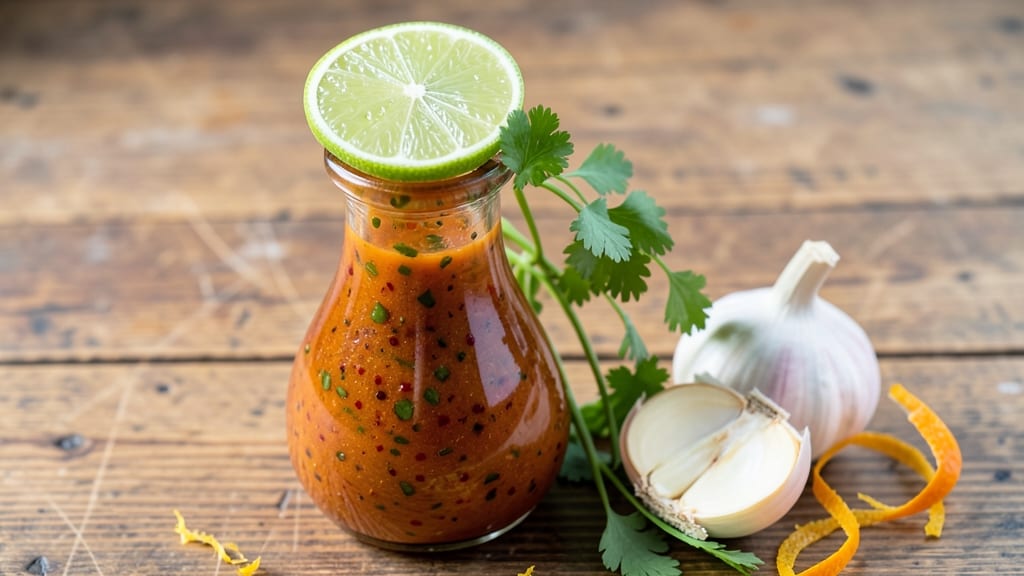
This amazing hot sauce recipe delivers a perfect balance of fiery fermented heat and bright citrus zing that'll transform every bite. 🔥 The secret lies in fermenting fresh peppers with garlic and citrus, then blending them into a smooth, complex sauce that lingers on your tongue.
I've been perfecting this recipe for years, and it's become my go-to for adding depth to everything from tacos to grilled meats.
What makes this hot sauce truly special is the fermentation process—it develops rich, umami flavors that store-bought versions can't match. We'll start with fresh jalapeños and serranos, but you can adjust the heat level by adding more peppers or a dash of cayenne.
The citrus kick comes from fresh lime juice and orange zest, which brightens the sauce and cuts through the heat beautifully.
By the time you're done, you'll have a vibrant, medium-hot sauce with layers of flavor that build with each use. The fermentation gives it a depth that's impossible to replicate with quick methods, while the citrus keeps it fresh and complex.
This isn't just hot sauce—it's a flavor booster that elevates any dish it touches.
The best part? This sauce keeps improving in the fridge for up to six months, so you can make a big batch and enjoy it all season long. Let's get started on creating your own fiery, citrusy hot sauce masterpiece!
Ingredients for amazing hot sauce
Fresh peppers, garlic, and citrus—just a few ingredients for bold, fermented flavor.
| Ingredient | Amount | Notes |
|---|---|---|
| Fresh Jalapeño Peppers 🌶️ | 1 lb | Seeds removed for milder heat |
| Serrano Peppers 🌶️ | ½ lb | Seeds removed for medium heat |
| Garlic Cloves 🧄 | 10 cloves | Peeled, smashed slightly |
| Fresh Lime Juice 🍋 | ½ cup | Strained, no pulp |
| Orange Zest 🍊 | 1 tbsp | Freshly grated |
| Apple Cider Vinegar 🍎 | ½ cup | Raw, unfiltered preferred |
| Sea Salt 🧂 | 1 ½ tbsp | Diamond Crystal preferred |
| Cayenne Pepper 🔥 | 1 tsp | Adjust for heat preference |
| Extra-Virgin Olive Oil 🫒 | ¼ cup | High-quality, fruity |
| Water 💧 | 1 cup | Filtered preferred |
The peppers are the heart of this sauce. Local farmers markets often have fresher jalapeños and serranos than grocery stores, but any firm, vibrant peppers will work. Remove seeds for milder heat—keep them for extra kick. Trader Joe's carries excellent organic peppers if you're shopping there. Garlic should smell pungent and fresh, not musty. The lime juice needs to be freshly squeezed—bottled juice lacks the bright acidity that cuts through the heat beautifully. For the orange zest, grab a Microplane grater—it makes quick work of getting that aromatic orange flavor without the bitter pith.
No fresh peppers? Pickled jalapeños or serranos work in a pinch—just drain and chop them. Short on lime? Key lime juice or lemon juice will do, though the flavor shifts slightly. The vinegar is non-negotiable—apple cider gives the best depth, but white vinegar or rice vinegar can substitute. Want more heat? Add a pinch of red pepper flakes or a dash of hot sauce to the final blend. The olive oil matters here—use something you'd drizzle on bread, not the cheap cooking oil. If you're worried about fermentation, add an extra teaspoon of salt to help preserve the sauce.
Ferment the peppers for 5-7 days in the fridge before blending—this develops the rich umami flavor. The sauce will keep improving for up to 6 months in the fridge, so make a big batch. Store in a clean glass jar with a tight seal. For single servings, freeze in ice cube trays—just pop out what you need. If the sauce separates, give it a quick shake before using. The flavor only gets better with age, so don't rush it.
Why You'll Love This Recipe
- Here’s what sold me: that citrus punch from the lime and orange zest cuts through the heat like a cool breeze. It’s not just spicy—it’s complex, with a fresh finish that makes you reach for seconds.
- I’ll be real: I make a big batch and it’s still going strong after three weeks. The acidity from the lime preserves it, and the peppers mellow out just enough to keep it vibrant—not bitter or sad. Budget-friendly? Absolutely.
Step-by-step instructions for fermented hot sauce
Here's how to create a vibrant, complex hot sauce that balances fiery heat with bright citrus notes.
👨🍳 Step 1: Prep and Ferment the Peppers
Start by removing seeds and membranes from all 1 lb fresh jalapeño peppers and 0.5 lb serrano peppers—this controls the heat level while keeping flavor. Chop them into ¼-inch pieces and transfer to a clean, sterilized quart-sized mason jar. Add the 10 cloves garlic cloves (smashed slightly to release flavor) and 1.5 tbsp sea salt. The salt helps draw out moisture and begins the fermentation process.
Leave a 1-inch headspace at the top of the jar. Cover loosely with a clean cloth or paper towel secured with a rubber band—this allows gases to escape while keeping bugs out. Store at room temperature (around 70°F) for 5-7 days, stirring once daily. You'll know fermentation is working when you see bubbles and smell a tangy aroma. This step develops deep, complex flavors that store-bought sauces can't match.
🍳 Step 2: Blend the Fermented Mixture
After fermentation, transfer the pepper-garlic mixture to a blender along with the 0.5 cup apple cider vinegar, 0.5 cup fresh lime juice (strained), and 1 tbsp orange zest. Blend until completely smooth—you want a fine, homogeneous texture without any chunks. The acidity from the vinegar and lime juice helps preserve the sauce while brightening the flavors.
Taste at this stage and adjust heat if needed. If it's too mild, add up to ½ tsp more cayenne pepper. For extra depth, you can strain the mixture through a fine-mesh sieve to remove any remaining solids, though I like keeping some texture for complexity. The sauce should be vibrant red-orange with a slightly thick, syrupy consistency.
🥘 Step 3: Emulsify with Oil and Water
Return the blended sauce to the blender and add the 0.25 cup extra-virgin olive oil and 1 cup water. Blend again until fully emulsified—this creates that signature silky texture that makes hot sauces so satisfying. If the mixture separates, simply blend for another 30 seconds. The oil adds richness while the water helps balance the acidity and heat.
Real talk: This is where the magic happens. The olive oil carries the capsaicin (the compound that makes it hot) while the water keeps it drinkable. I like to taste again now—you should notice the heat mellow slightly from the dilution, but the citrus and garlic should still shine through. If it's too thin, simmer uncovered for 5-10 minutes to reduce slightly.
⏰ Step 4: Bottle and Rest for Maximum Flavor
Transfer the finished sauce to clean, sterilized bottles or jars. Seal tightly and let it rest at room temperature for 24 hours before refrigerating. This resting period allows all the flavors to meld together beautifully. The sauce will continue developing complexity over the next 3-5 days—that's when it truly becomes "amazing."
Once refrigerated, your hot sauce will keep for up to 3 months. The flavors actually improve with age, so don't be afraid to make a big batch. I always double the recipe because this sauce disappears faster than you'd think—perfect for drizzling on tacos, eggs, or even mixing into cocktails. The balance of heat, acidity, and umami makes it irresistibly versatile.
Pro Tips For Making Amazing Hot Sauce
- CHAR THE PEPPERS FIRST: Toss whole jalapeños and serranos in a dry skillet over medium-high heat for 2-3 minutes per side until blackened in spots. This caramelizes their sugars before blending, giving your sauce depth that raw peppers just can’t match—trust me, I’ve made both versions.
- REMOVE PEPPER SEEDS LAST: Cut the peppers open after charring while they’re still hot, but don’t scoop out seeds until you’re ready to blend. The residual heat makes the flesh easier to work with, and you’ll get more of that smoky goodness into your sauce.
- ZEST ORANGE BEFORE JUICING: Use a microplane to zest the orange before juicing—this way, you get fine, aromatic zest without the risk of bitter pith sneaking into your sauce. Save the juice for later, but the zest belongs in the blend from the start.
- BLEND IN STAGES: Pulse the peppers and garlic first, then add lime juice and orange zest in small batches while tasting. This lets you control the heat and brightness—adding everything at once usually means either too sharp or too mild, and neither is ideal.
Best sauces and condiments for this dish
Citrus Brighteners
Fresh lime juice is non-negotiable for that signature tang—bottled juice lacks the bright acidity that cuts through the heat. I squeeze about 0.5 cup from 4-5 limes (Stark brand works best for me).
For extra zing, add 1 tbsp orange zest—use a Microplane grater to avoid bitter pith. The zest adds aromatic depth that makes this sauce stand out from store-bought versions. 🍋
Fermented Depth
Fermentation transforms this from a simple pepper sauce into something complex. After 5-7 days of fermenting with garlic and salt, the peppers develop rich umami notes. I use a quart-sized mason jar with a loose cloth cover to allow gases to escape.
The tangy aroma signals it's ready—this step is what makes homemade sauce taste like it came from a specialty shop.
Heat Control
Adjust heat by keeping or removing pepper seeds. For medium heat, remove seeds from both jalapeños and serranos. Want extra kick? Add ½ tsp cayenne pepper or keep serrano seeds intact.
I've tested this with Tabasco for reference—this sauce clocks in at medium-hot, perfect for everyday use. For spicy versions, add 1-2 habanero peppers (seeds included) to the ferment.
Vinegar Choices
Apple cider vinegar gives the best depth, but white vinegar works in a pinch. I prefer raw, unfiltered varieties like Bragg's for extra flavor complexity. The acidity helps preserve the sauce while balancing the heat.
For a smoky twist, substitute ½ cup apple cider vinegar with ½ cup chipotle vinegar—just be warned, this will make your sauce taste like it's been kissed by a campfire. 🔥
Oil Emulsification
The 0.25 cup extra-virgin olive oil creates that silky texture we all love. I use California Avocado Ranch brand—it's fruity enough to complement the peppers. For a lighter version, substitute with avocado oil.
Blend the oil in last to create a stable emulsion. If your sauce separates, just blend again for 30 seconds—it'll come together every time.
Storage Secrets
This sauce keeps improving in the fridge for up to 6 months. I store mine in amber glass bottles to protect from light. For single servings, freeze in ice cube trays—just pop out what you need.
The flavor actually gets better with age, so don't rush it. If you notice mold after 3 months, it's time to toss it—better safe than sorry with fermented foods. ❄️
Nutrition facts
Frequently asked questions
Why ferment the peppers instead of cooking them right away?
Fermentation develops deep, complex flavors that cooking can't replicate. The 5-7 day process creates rich umami notes and a tangy aroma that makes this sauce taste like it came from a specialty shop. Plus, fermentation naturally preserves the sauce, so you can enjoy it for months without additives. Think of it as a flavor multiplier!
Can I make this hot sauce without fresh peppers?
Use pickled jalapeños or serranos instead—just drain and chop them. For extra heat, add ½ tsp red pepper flakes or 1 tsp cayenne pepper to compensate for the lack of freshness. The fermentation step will still work, though the flavor will be slightly different.
How do I adjust the heat level?
Start by removing all seeds and membranes for medium heat. For more kick, keep serrano seeds or add ½ tsp cayenne pepper during blending. Want extreme heat? Add 1-2 habanero peppers (seeds included) to the ferment. Always taste before bottling—you can't remove heat once it's in!
What if my sauce separates after blending?
This is normal! Simply blend again for 30 seconds to re-emulsify. The oil and water will recombine perfectly. For extra stability, add 1 tsp xanthan gum to the final blend. If it still separates, stir vigorously before using—it won't affect the flavor.
How long should I ferment the peppers?
Ferment for 5-7 days at room temperature. You'll know it's ready when you see bubbles and smell a tangy aroma. Longer fermentation (up to 10 days) creates more depth, but don't exceed 2 weeks or the sauce may become too sour. The fridge slows fermentation, so move it there after 7 days if needed.