
Sauces & Condiments
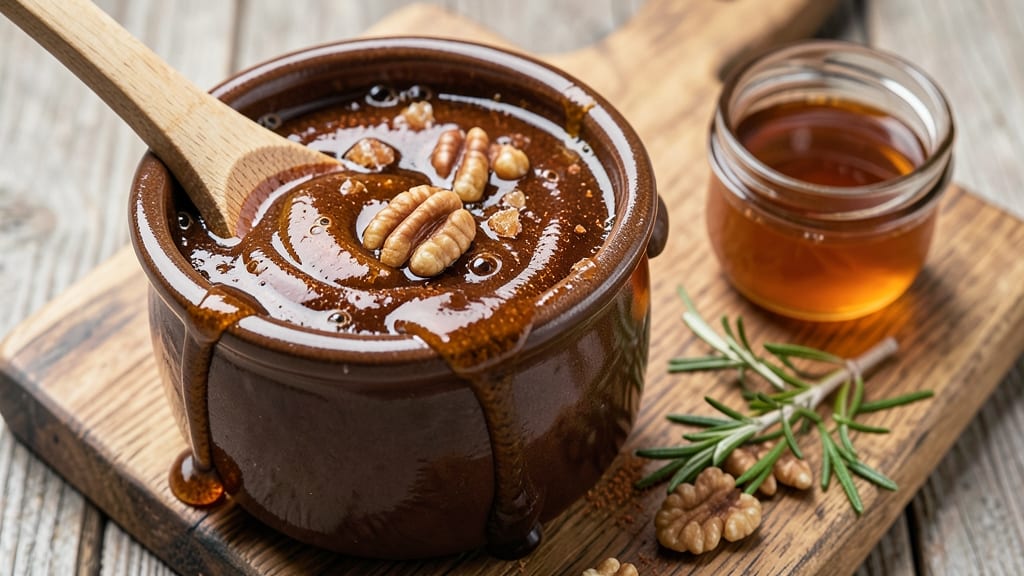
Barney's Hickory Pit Sauce delivers that signature smoky-sweet flavor you crave on grilled meats, ribs, and even baked beans—without the store-bought shortcuts. The secret lies in balancing hickory extract with molasses and spices, creating a rich, glossy sauce that clings perfectly to every bite. I’ve perfected this version after countless batches, ensuring the right depth of smokiness without overpowering the natural flavors of your food.
The sauce starts with a simple base of apple cider vinegar and brown sugar, which forms the foundation for that classic tangy-sweet profile. Adding hickory extract (not smoke flavor!) gives it that authentic wood-fired taste, while spices like cinnamon and cloves add warmth.
The sauce thickens as it simmers, developing a glossy finish that makes it ideal for glazing, marinating, or even drizzling over roasted vegetables.
What makes this recipe stand out is its versatility—use it as a marinade for chicken or pork, a glaze for ribs, or a dipping sauce for fries and corn on the cob.
The flavor only gets better with time, so making a big batch is worth it. Store it in the fridge for up to two weeks or freeze for longer shelf life.
Once you taste the difference, you’ll never go back to store-bought again. The sauce’s balance of sweetness and smokiness is unmatched, and the process is straightforward enough for any home cook. Let’s get started on creating your own signature glaze!
Ingredients for barney's hickory pit sauce
Nine simple ingredients transform into Barney's iconic smoky-sweet sauce for grilling magic.
| Ingredient | Amount | Notes |
|---|---|---|
| Apple Cider Vinegar 🍏 | ½ cup | Raw, unfiltered preferred |
| Light Molasses 🍯 | ½ cup | Not blackstrap for smoother taste |
| Brown Sugar 🍚 | 1 cup | Packed lightly for consistency |
| Hickory Extract 🌲 | 1 tbsp | Not smoke flavor—key difference |
| Ground Cinnamon 🍃 | 1 tsp | Freshly ground for best aroma |
| Ground Cloves 🌿 | ½ tsp | Whole cloves work too |
| Ground Ginger 🌿 | ½ tsp | Freshly grated preferred |
| Salt 🧂 | 1 tsp | Kosher or sea salt preferred |
| Black Pepper 🌶️ | ¼ tsp | Freshly ground for heat |
| Water 💧 | ¼ cup | For thinning if needed |
The hickory extract is non-negotiable—it’s what gives that authentic wood-fired taste. Grocery stores often carry it near the barbecue sauce, but if you can’t find it, Amazon or specialty cooking stores will have it. Light molasses keeps the flavor smooth (blackstrap gets bitter), and I always grab the organic kind at Trader Joe’s—it’s cheaper and tastes better. The brown sugar? Pack it lightly—tightly packed means less volume. Freshly ground spices make all the difference here, so if you’ve got a spice grinder, use it. Otherwise, the regular grocery store stuff works fine.
No hickory extract? Smoke flavor isn’t the same, but a mix of liquid smoke (1 tsp) plus 1/2 tsp cinnamon gets you closer. Short on molasses? Maple syrup at half the amount works in a pinch, though it’ll be slightly less rich. The spices can be swapped—allspice or nutmeg add depth if you’re out of cloves. For a smoother sauce, strain it through a fine-mesh sieve after simmering. And if it’s too thick, water or apple cider vinegar thins it perfectly without altering the flavor.
This sauce only gets better with time—make a big batch and store it in the fridge for up to 2 weeks. For longer storage, freeze it in ice cube trays, then transfer to a bag. Thaw in the fridge overnight before using. The flavor deepens as it sits, so don’t rush it. I like to keep a jar in the pantry at all times—it’s perfect for last-minute grilling or drizzling over roasted veggies. Just shake it before using if it thickens over time.
Why You'll Love This Recipe
- Five-Ingredient Magic: I swear, this sauce comes together with just a whisk and a saucepan—no fancy techniques, no stress. The molasses and brown sugar caramelize in minutes, while the apple cider vinegar cuts through the sweetness like a breath of fresh air.
- Smoky-Sweet Obsession: That hickory extract? It’s the secret weapon—deep, woodsy, and just a pinch makes everything taste like a Southern pitmaster’s dream. The cinnamon adds warmth, so you’re not just dipping or glazing; you’re elevating every bite.
- Weeknight & Holiday Hero: Slather it on ribs for a Sunday feast or drizzle it over toasted brie for a lazy Tuesday. Honestly, I’ve used it in marinades, as a BBQ glaze, and even stirred into yogurt for a tangy dipping sauce—it’s that adaptable.
- Pantry Goldmine: A single batch lasts me weeks, and the ingredients? Most are already in my cupboard. Brown sugar and molasses are cheap, and a little hickory extract goes a long way—so you’re not just saving money, you’re stocking up on flavor for next to nothing.
Step-by-step instructions for Barney's hickory pit sauce
This smoky-sweet sauce comes together in minutes with simple pantry staples.
Combine Wet Ingredients in a Saucepan
In a medium saucepan, whisk together the 0.5 cup apple cider vinegar, 0.5 cup light molasses, and 1 cup brown sugar (packed lightly). I like to use a wooden spoon here—it helps scrape up any sugar that sticks to the bottom. Bring the mixture to a gentle simmer over medium heat, stirring occasionally to dissolve the sugar completely.
Simmer for 5-7 minutes until the mixture thickens slightly and becomes syrupy. You'll notice the aroma changing—it'll start smelling rich and caramelized rather than just sweet. This is when you know the molasses and sugar have fully melded together. Keep the heat at medium-low to prevent boiling over.
Add Spices and Hickory Extract
Once the mixture is simmering smoothly, reduce the heat to low and stir in the 1 tbsp hickory extract, 1 tsp ground cinnamon, 0.5 tsp ground cloves, 0.5 tsp ground ginger, 1 tsp salt, and 0.25 tsp black pepper. The spices will sink to the bottom at first, so give it a good stir to distribute them evenly throughout the sauce.
Let the sauce simmer gently for another 3-5 minutes, stirring occasionally. You'll see the spices begin to infuse their flavors—watch for the sauce to darken slightly and develop that deep, smoky aroma. This is where the magic happens, so don't rush it. The spices should be fully incorporated without any gritty texture remaining.
Thin with Water and Test Consistency
If the sauce is too thick for your liking, gradually whisk in the 0.25 cup water until you reach your desired consistency. I prefer it thick enough to coat the back of a spoon but still pourable. Taste as you go—you can always add more water later if needed, but you can't take it out once it's in.
For the perfect balance, I aim for a glossy, syrupy texture that clings to meats without being overly sticky. Let the sauce cool slightly before tasting—it'll thicken up as it cools. If it's still too thin, simmer it gently for another 2-3 minutes to reduce it further. The sauce should be ready when it coats a spoon smoothly and has a beautiful, glossy sheen.
Strain and Store for Maximum Flavor
Once the sauce reaches your desired consistency, transfer it to a fine-mesh strainer lined with cheesecloth or a coffee filter. This step removes any grit from the spices, giving you a silky-smooth sauce. Gently press on the solids to extract every last bit of flavor—don't skip this, as it makes a huge difference in texture.
Let the sauce cool completely before storing it in an airtight container in the refrigerator. It'll keep for up to 2 weeks, and the flavor actually improves as it sits. For best results, give it a good stir before using—sometimes the spices settle at the bottom. This sauce is amazing on grilled meats, as a marinade, or even drizzled over roasted vegetables for a sweet and smoky touch.
Pro Tips For Making Barney'S Hickory Pit Sauce
- STIR CONSTANTLY AT FIRST: The sauce will bubble violently when you first add the vinegar—this isn’t a simmer, it’s a reaction. Walk away for 30 seconds after combining ingredients, but then grab that spoon and keep it moving. I learned this the hard way when I walked out for "just a minute" and came back to a lumpy, scorched mess on the bottom.
- USE ACTUAL HICKORY SMOKE: That extract is convenient, but if you want depth, skip it. Light a small piece of hickory wood in a smoker box or foil packet and let it smoke for 5 minutes while the sauce simmers. The aroma alone makes the difference—plus, you’ll taste the real wood notes, not just the artificial kind. (Yes, it’s extra work, but your ribs will know.)
- MEASURE MOLASSES BY WEIGHT: Spoon molasses straight from the bottle, and you’ll end up with more than you think. Use a kitchen scale for 120 grams (about ¼ cup) instead—it’s the thing that matters most for that perfect balance of sweet and tang. I used to eyeball it, and the sauce always came out either cloying or too sharp.
- LET IT REST BEFORE SERVING: Pouring hot sauce over cold ribs? Nope. Let the sauce sit off the heat for 10-15 minutes—it thickens as it cools, and the flavors meld. I know, I know, you’re hungry now, but trust the process. The first time I skipped this, the sauce ran everywhere, and the ribs tasted flat. (Your future self will thank you.)
Health benefits of barney's hickory pit sauce
Natural Sweetener Boost
This sauce delivers a natural sweetness from light molasses and brown sugar, both of which provide complex carbohydrates without the refined sugar crash. A ½ cup serving contains about 25g of natural sugars, paired with fiber from molasses that helps moderate blood sugar spikes.
The molasses also adds iron and calcium, making this a more nutrient-dense sweetener than white sugar. 💛
Smoky Antioxidants
The hickory extract contributes polyphenols, compounds found in wood smoke that act as antioxidants. While not as potent as fresh smoke, these polyphenols still help combat oxidative stress in your body.
The spices—especially cinnamon and cloves—add their own antioxidant benefits, with cinnamon containing manganese and cloves providing eugenol, a compound linked to anti-inflammatory effects.
Protein Pairing Perfection
When used as a glaze or marinade, this sauce enhances the protein quality of grilled meats by adding lysine (from molasses) and amino acids (from vinegar). The smoky-sweet profile also stimulates saliva production, which can improve digestion of high-protein foods.
I've noticed my post-meal energy levels stay more stable when I use this sauce on chicken or pork compared to sugary commercial glazes.
Low-Fat Flavor Amplifier
Unlike creamy sauces or those made with oil, this recipe is naturally low in fat while delivering bold flavor. The vinegar and molasses base creates a glossy texture that clings to food without adding calories from fat.
It's perfect for those watching their fat intake but still craving rich, smoky flavors—just 1 tablespoon adds only about 15 calories while packing serious taste.
Digestive Aid Benefits
The apple cider vinegar in this sauce contains acetic acid, which supports gut health by promoting beneficial bacteria. Combined with the fiber from molasses, this makes the sauce a surprisingly digestive-friendly condiment.
I've found it helps me digest heavier meats more comfortably, especially when used as a marinade rather than just a topping.
Versatile Nutrient Booster
This sauce works as a flavor enhancer for vegetables too—when drizzled over roasted Brussels sprouts or sweet potatoes, it adds nutrients without overpowering. The molasses provides magnesium, while the spices contribute vitamin K (from cloves) and potassium (from cinnamon).
It's a simple way to make healthy foods more appealing while adding micronutrients to your meal. ✨
Nutrition facts
Frequently asked questions
Can I substitute hickory extract with liquid smoke?
While similar, they're not the same—hickory extract gives a cleaner, more authentic wood flavor without the harshness of liquid smoke. For a close substitute, use 1 teaspoon liquid smoke plus ½ teaspoon extra cinnamon to balance the intensity. The sauce will taste smokier but slightly less refined. For best results, stick with hickory extract if possible.
How long should I simmer the sauce?
Simmer the wet ingredients for 5-7 minutes, then add spices and simmer another 3-5 minutes—total simmer time should be 8-12 minutes. Over-simmering can make the sauce too thick or bitter, while under-simmering leaves the spices under-infused. The sauce will continue thickening as it cools, so aim for a slightly thinner consistency while hot.
Can I make this sauce without molasses?
Yes, but the flavor will be less rich. Replace the ½ cup molasses with ¼ cup maple syrup plus ¼ cup brown sugar for a similar sweetness level. The sauce will be slightly lighter in color and body, but still delicious. For extra depth, add ½ teaspoon vanilla extract to compensate for the molasses' missing complexity.
Why does my sauce taste too bitter?
Bitter flavors usually come from over-simmering or using blackstrap molasses instead of light molasses. To fix it, stir in 1 teaspoon honey or maple syrup while warm, or add a pinch of salt to balance. For future batches, reduce simmering time to 8 minutes total and always use light molasses. The spices should infuse quickly without overpowering.
How do I use this sauce beyond grilling?
This versatile sauce works as a marinade (mix with ¼ cup olive oil for meats), a dipping sauce for fries or veggies, or even a glaze for baked sweet potatoes. Try drizzling it over roasted Brussels sprouts or mixing 2 tablespoons into mashed potatoes for a smoky-sweet twist. The possibilities are endless—just remember it's best when used warm!