
Sauces & Condiments
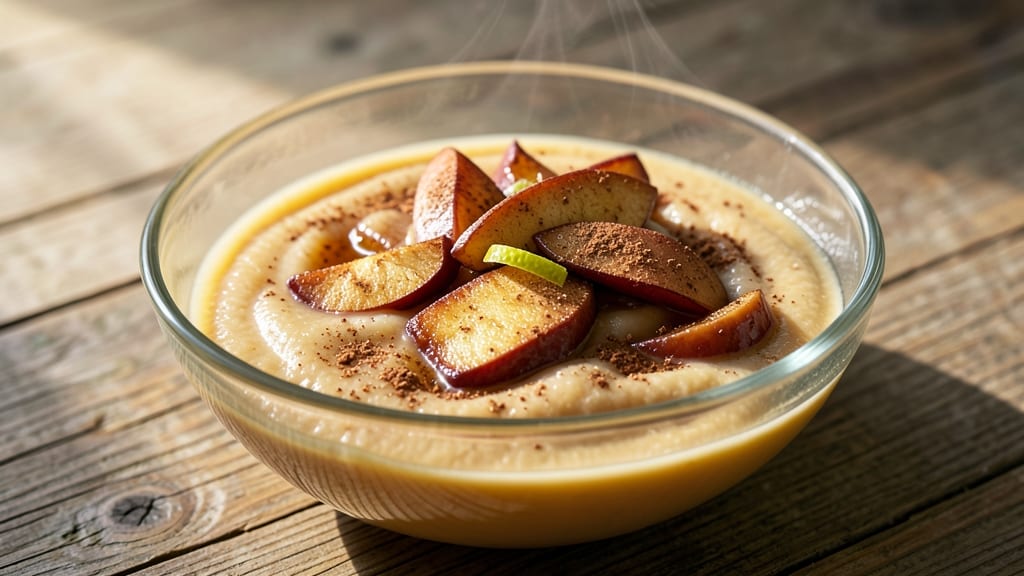
This applesauce recipe with apple cider transforms simple apples into a fragrant, naturally sweetened condiment that’s perfect for topping pancakes, pairing with pork, or enjoying spoonful by spoonful.
The apple cider adds depth and a subtle tang, while cinnamon and a touch of brown sugar enhance the warm, spiced flavor without overpowering the natural sweetness of the fruit.
What makes this version special is how quickly it comes together—just 20 minutes on the stove—while still delivering restaurant-quality texture and taste.
The process is straightforward: peeled and chopped apples simmer gently with apple cider until tender, then blend until smooth. A sprinkle of cinnamon and a pinch of salt during cooking elevates the flavor, creating a sauce that’s rich yet balanced.
Unlike store-bought versions, this recipe avoids added sugars or preservatives, relying instead on the natural sweetness of the apples and the bright acidity of the cider. The result is a velvety, aromatic applesauce that’s versatile enough for breakfast, desserts, or even savory dishes.
Once cooled, this applesauce keeps beautifully in the refrigerator for up to 5 days or can be frozen for longer storage, making it a perfect make-ahead condiment.
Whether you prefer it slightly chunky or completely smooth, the addition of apple cider gives it a complexity that sets it apart from traditional recipes. The spices can also be adjusted—add a dash of nutmeg for extra warmth or a pinch of cardamom for a unique twist.
This isn’t just applesauce; it’s a flavorful, multi-purpose sauce that deserves a spot in your kitchen.
Use it as a topping for oatmeal, a spread for toast, or a glaze for roasted meats. The possibilities are endless, and the process is so simple that even beginners will feel confident making it.
Let’s get started on creating this warm, spiced applesauce that’s sure to become a staple in your home.
Ingredients for applesauce recipe with apple cider
Eight simple ingredients for velvety applesauce with that perfect apple cider tang.
| Ingredient | Amount | Notes |
|---|---|---|
| Apples (mix of sweet and tart) 🍎 | 4 medium | Peeled and chopped into chunks |
| Apple Cider 🍏 | 1 cup | Unfiltered for best flavor |
| Brown Sugar 🍚 | ¼ cup | Lightly packed |
| Ground Cinnamon 🌿 | 1 ½ tsp | Freshly ground preferred |
| Salt 🧂 | ½ tsp | Kosher or sea salt |
| Lemon Juice 🍋 | 1 tbsp | Freshly squeezed |
| Water 💧 | ¼ cup | For thinning if needed |
| Granulated Sugar (optional) 🍬 | 1 tbsp | Adjust to taste |
The apples are everything here. Grab a mix of sweet (like Gala or Fuji) and tart (Granny Smith) at Whole Foods or your local market—they’re usually labeled. Organic is nice, but not required. The apple cider? Unfiltered makes all the difference—it’s got more flavor and texture. I buy mine in the refrigerated section at Trader Joe's or Costco—just make sure it’s 100% apple cider, no added sugar. Skip the pre-made stuff from the juice aisle; it’s usually just concentrate. Brown sugar adds depth, but if you’re watching sugar, you can reduce to a tablespoon or use maple syrup instead.
No apple cider? Apple juice works in a pinch, but it won’t have that same bright acidity. Short on brown sugar? Maple syrup or honey (if you’re not avoiding it) are great swaps—just reduce the amount by half. The cinnamon is non-negotiable, but if you’re feeling fancy, add a pinch of nutmeg or cardamom for extra warmth. Want it chunkier? Skip the blending step and just mash it with a fork. The lemon juice is key—it brightens everything up, so don’t skip it. And if your applesauce ends up too thick, just add a splash of water or more cider until it reaches your desired consistency.
This keeps beautifully in the fridge for up to 5 days—just store it in an airtight container. For longer storage, portion it into ice cube trays, freeze, and then transfer to a bag. It’ll last for 6 months that way. Reheat gently on the stove or microwave until warm. The texture changes slightly when reheated, but it’s still delicious. I always make a double batch—half for breakfast toppings, half to freeze for later. And if you’re using it as a glaze for roasted meats, let it cool completely before brushing on—it’ll stick better.
Why You'll Love This Recipe
- One-Pot Magic: I swear by this recipe—just toss chopped apples, apple cider, and spices into a pot, simmer until tender, and boom. No fancy gadgets, no extra bowls, just 20 minutes of hands-off cooking while the flavors meld into something rich and warm.
- Cider-Kissed Sweetness: That apple cider? It’s the secret weapon—deepens the flavor without overpowering, and the brown sugar balances the tart apples like a hug. Honestly, the first time I made it, I kept sneaking bites straight from the pot.
- Breakfast to Dessert: Serve it warm over oatmeal for a cozy morning, drizzle it over pancakes for a grown-up twist, or let the kids slurp it straight from a jar. Between us, I’ve even used it as a pie filling substitute—no one ever questions it.
- Fridge-Friendly Goldmine: Makes enough for leftovers that taste just as good cold the next day. Plus, it’s cheap—apples and cider stretch farther than you’d think, and the spices cost pennies. My go-to when I need a pantry staple that won’t break the bank.
Step-by-step instructions for homemade apple cider applesauce
This method delivers silky, spiced applesauce with perfect balance—no gummy texture or cloying sweetness.
Peel and Chop the Apples
Start by peeling the 4 medium apples using a vegetable peeler or paring knife. I like to work with a sharp knife and cut off the core first, then slice each apple into ½-inch chunks. The mix of sweet and tart varieties gives that perfect balance of flavors.
As you chop, keep the pieces fairly even in size—this ensures they cook uniformly. If you're using particularly hard apples, a mandoline works great for consistent slices. Place the chopped apples in a large mixing bowl as you go to keep everything organized.
Combine Ingredients in a Saucepan
Transfer the chopped apples to a medium saucepan and add the 1 cup apple cider, 0.25 cup brown sugar, 1.5 teaspoons ground cinnamon, and 0.5 teaspoon salt. Stir everything together gently with a wooden spoon to distribute the spices evenly throughout the apple mixture.
Here's the thing—don't skip the cinnamon. It's what transforms basic applesauce into something special. I like to use freshly ground cinnamon if possible, as it has more vibrant flavor than pre-ground. The apple cider adds depth and prevents the sauce from being too sweet.
Simmer Until Soft and Tender
Place the saucepan over medium-high heat and bring the mixture to a boil. Once boiling, reduce the heat to medium-low and let it simmer uncovered for 15-20 minutes. You'll know it's ready when the apples are fork-tender and easily pierced with a knife.
I stir occasionally but not constantly—just enough to keep things from sticking. If the mixture gets too thick before the apples are soft, add the 0.25 cup water to thin it out. The sauce should coat the back of a spoon but still be spreadable. Don't walk away during this time—you want to catch it at exactly the right moment.
Finish with Lemon and Optional Sugar
Once the apples are tender, remove the pan from heat and stir in the 1 tablespoon lemon juice. This brightens the flavors and balances all that sweetness. If you want a touch more sweetness, add the 1 tablespoon granulated sugar now and taste. Remember, you can always add more sugar later if needed.
Let the applesauce sit off the heat for 5 minutes. This resting period allows the flavors to meld together completely. The texture will thicken slightly as it cools, which is perfect. The lemon juice also helps preserve the vibrant color of the applesauce.
Serve Warm or Store for Later
Transfer the applesauce to a serving bowl or airtight container. If serving immediately, I like to sprinkle a pinch of extra cinnamon on top for presentation. For storage, let it cool completely before refrigerating—it'll keep for up to 5 days in the fridge or can be frozen for up to 3 months.
This applesauce is fantastic warm with breakfast, over pancakes, or even as a topping for yogurt. The apple cider gives it a subtle depth that store-bought versions just can't match. And the perfect spice balance makes it something special—trust me, you'll want to make this again and again.
Pro Tips For Making Applesauce Recipe With Apple Cider
- Peel Apples After Cooking: I used to peel them raw—what a waste of time. Cook the apples whole (peels add depth), then slip off skins with a spoon after simmering. The flesh pulls away cleanly, and you save 10 minutes of scrubbing.
- Use Cold Cider First: Dumping room-temperature cider into the pot just dilutes the heat. Start with cold cider—it’ll warm up faster and caramelize the apples’ edges better. Trust me, the texture’s smoother when you do this.
- Taste Before Sweetening: Brown sugar’s sweetness changes as it cooks. Simmer the apples and cider until soft, then taste before adding sugar. You’ll need less if the apples are tart, and more if they’re borderline bland—no guessing.
- Strain for Silky Sauce: Skip the food mill if you’re impatient, but don’t skip straining. Press the cooked apples through a fine-mesh sieve to remove skins and seeds—it makes the sauce velvety. (Yes, even if you’re lazy, this step matters.)
Perfect pairings for this dish
Breakfast Toppings
This spiced applesauce is a game-changer for breakfast—try it warm over oatmeal or pancakes for instant coziness. I love spooning it onto Greek yogurt with a sprinkle of granola and a few walnuts for crunch.
For a fancy touch, drizzle with a little honey or maple syrup after serving. The apple cider’s tang cuts through the richness perfectly, balancing sweetness without overpowering. 🍯
Savory Pairings
Don’t think applesauce is just for dessert! Use it as a glaze for roasted pork chops or brisket—simmer it with a splash of apple cider vinegar before brushing on.
It also works as a dipping sauce for fried chicken or fish and chips, especially when mixed with a pinch of black pepper. The warmth of the cinnamon pairs surprisingly well with savory dishes, adding depth without sweetness. 🍗
Dessert Applications
Elevate apple crisp or pie by using this applesauce as a filling—just fold it into crushed graham crackers or oatmeal streusel before baking. It’s also fantastic as a dipping sauce for biscuits or scones, especially when chilled.
For a no-bake dessert, layer it with whipped cream and cinnamon toast in a jar for a parfait. The apple cider’s brightness keeps it from feeling too heavy. 🍰
Baking Booster
Use it to moisten cakes or muffins—replace up to ½ cup of liquid in your recipe with this applesauce for natural sweetness and moisture. I love adding it to carrot cake or zucchini bread for extra flavor.
For cookies, mix it into the dough before baking—it keeps them soft and adds a subtle apple aroma. Just reduce other liquids in the recipe by the same amount to maintain texture. 🍪
Drink Pairings
Serve this applesauce warm alongside hot toddies or mulled wine for a cozy fall pairing. The cinnamon and apple cider flavors complement the spices in apple cider cocktails beautifully.
For a non-alcoholic option, stir it into warm apple cider with a cinnamon stick for a spiced cider float—it’s like a grown-up hot chocolate! 🍷
Storage Hacks
Store leftovers in airtight containers in the fridge for up to 5 days or freeze in ice cube trays for easy portioning. When reheating, add a splash of water or apple cider to restore smoothness.
I like freezing it in silicone molds for single-serving portions—just pop one out and microwave for 20 seconds when ready to use. The texture stays perfect! ❄️
Nutrition facts
Frequently asked questions
Can I use apple juice instead of apple cider?
Apple juice works in a pinch, but it won't give you that same rich, tangy depth. The cider adds subtle complexity and acidity that brightens the flavor. If you must substitute, use ½ cup apple juice + ½ cup water to mimic the liquid ratio, but add an extra ½ teaspoon lemon juice to compensate for the missing acidity.
How do I adjust this recipe for a sugar-free version?
Skip the brown sugar and granulated sugar completely, then add 1 extra tablespoon lemon juice to enhance natural sweetness. For extra flavor, stir in ½ teaspoon vanilla extract or 1 teaspoon maple syrup (if you're okay with a tiny amount). The apple cider's natural sweetness will still shine through with these adjustments.
Why did my applesauce turn out too thick?
This usually happens if the apples weren't fully cooked or if you didn't add enough liquid. For next time, simmer 5 minutes longer and stir in 1-2 tablespoons water or apple cider while heating. If it's already thick, thin it with 1 tablespoon water per cup of sauce while reheating. The texture should be smooth but still spreadable.
What's the best way to reheat stored applesauce?
For smooth texture, reheat in a saucepan over low heat with 1 tablespoon water or apple cider per cup. Stir constantly to prevent scorching. If microwaving, use 30-second intervals on medium power, stirring between each. For frozen portions, thaw in the fridge overnight first for best results.
Can I make this with frozen apples?
Yes! Use 4 cups frozen apple chunks (no need to thaw first). Add 1 extra tablespoon lemon juice to compensate for the lack of fresh apple brightness. The cooking time will be slightly longer—simmer for 25-30 minutes instead of 15-20, stirring occasionally to prevent sticking.