
Sauces & Condiments
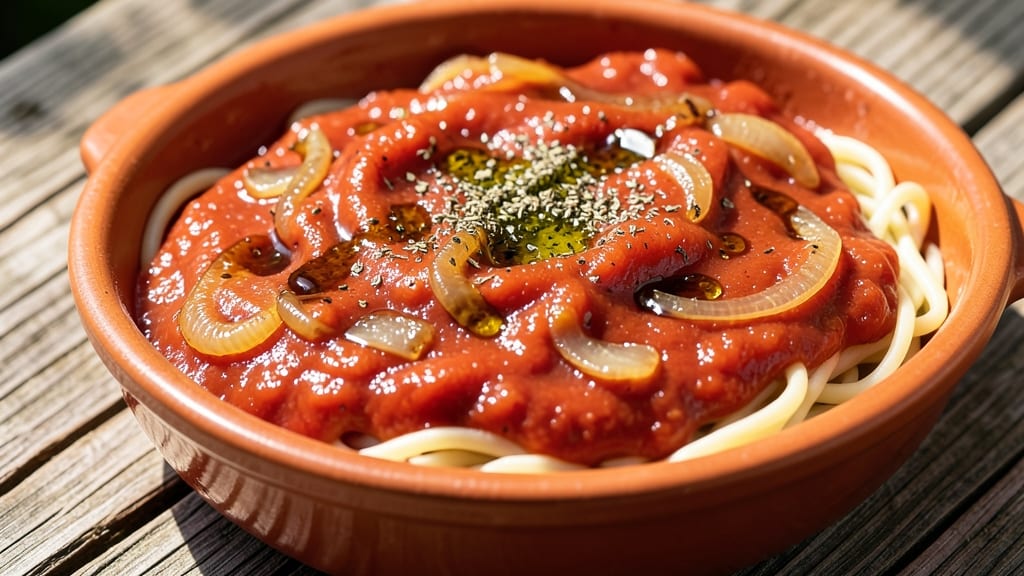
This Barilla spaghetti sauce recipe delivers the rich, simmered tomato depth that transforms simple pasta into a restaurant-worthy meal. The secret lies in balancing canned tomatoes with fresh aromatics—garlic, onions, and herbs—to create a sauce that's both vibrant and deeply flavorful.
Professional chefs rely on this technique for its foolproof results, whether you're feeding a crowd or prepping for the week ahead.
The beauty of this sauce is its versatility—build it with ground beef for heartiness or keep it vegetarian for a lighter option. A 30-minute simmer on the stove unlocks layers of caramelized sweetness, while blending creates that signature smooth texture.
No fancy equipment needed, just a pot and patience to let the flavors meld together perfectly.
What you'll end up with is a sauce that's rich enough to coat every strand of Barilla spaghetti while remaining bright and tangy. The aroma alone will have everyone anticipating dinner, and the taste delivers on that promise—deep, complex, and satisfying.
This is the kind of sauce that turns weeknight dinners into memorable meals.
Store leftovers in the fridge for up to 5 days or freeze for 3 months, making it perfect for meal prep. The flavors actually improve over time, developing even more depth as the ingredients settle. Let's get started on creating this essential pantry staple.
Ingredients for barilla spaghetti sauce
Italian pantry staples and fresh aromatics create a sauce that elevates Barilla spaghetti to restaurant quality.
| Ingredient | Amount | Notes |
|---|---|---|
| Extra-Virgin Olive Oil 🫒 | ½ cup | High-quality, fruity variety for richness |
| Yellow Onion 🧅 | 1 whole | Finely diced, sweet variety preferred |
| Garlic Cloves 🧄 | 4 cloves | Peeled and minced for aromatic depth |
| Canned San Marzano Tomatoes 🍅 | 28 oz | Crushed or whole, no salt added |
| Tomato Paste 🍅 | 2 tbsp | Smooth, no sugar added preferred |
| Dried Oregano 🌿 | 1 tbsp | Mexican oregano for authentic flavor |
| Dried Basil 🌿 | 1 tbsp | Or 0.25 cup fresh basil leaves |
| Ground Black Pepper 🌶️ | ½ tsp | Freshly ground for optimal flavor |
| Kosher Salt 🧂 | 1 ½ tsp | Diamond Crystal preferred for balance |
| Red Wine 🍷 | ½ cup | Dry, bold variety like Chianti |
| Ground Beef (optional) 🥩 | 1 lb | 80% lean, finely chopped for texture |
The tomatoes are the foundation—San Marzano delivers the sweet, rich flavor that defines authentic Italian sauces. Whole Foods or specialty Italian markets carry them in cans, but any high-quality no-salt-added brand works. For the herbs, dried oregano and basil are essential, but fresh basil leaves (if available) add a vibrant dimension. The olive oil should be extra-virgin, with a peppery finish—California Olive Ranch is a reliable choice. Pre-minced garlic from the jar is convenient, but freshly minced cloves release more flavor. Balance is key: too much salt upfront will overpower the delicate tomato notes, so taste as you go.
No red wine? Substitute with beef broth and a splash of balsamic vinegar for depth. Skipping the beef? Mushrooms or lentils add heartiness without meat. The tomato paste can be replaced with an additional 4 oz of crushed tomatoes if unavailable, though it will be slightly less concentrated. For a smoother texture, blend half the sauce before adding it back—this creates that signature velvety finish. If using fresh basil, pack the leaves tightly when measuring to ensure enough volume. The optional beef should be finely chopped for even distribution throughout the sauce.
This sauce develops richer flavors over time, so reheat gently on the stove with a splash of water or broth to restore moisture. It keeps for 5 days in the fridge, sealed tightly to prevent oxidation. For freezing, portion into airtight containers leaving 1-inch headspace—3 months in the freezer maintains quality. The sauce thickens as it cools, so thin with water or broth if needed before serving. Always taste before serving and adjust salt or herbs as necessary.
Why You'll Love This Recipe
- No-Chop Night: I swear by this sauce because it’s the only one I make when I’m too tired to even look at a cutting board. One onion, diced in 90 seconds while the oil heats—no tears, no mess.
- San Marzano Magic: That single can of San Marzano tomatoes changes everything. The sweetness lingers, the acidity balances, and the texture? Chef’s kiss. The paste deepens it all into something restaurant-quality without extra effort.
- Weeknight Workhorse: Between us, this sauce is my meal-prep MVP. Simmer it Sunday, reheat it Wednesday, freeze half—it’s the same rich flavor every time. My kids eat it over pasta, toast, or even eggs. (Yes, even on a Tuesday night.)
- Pantry Staple Power: Honestly, I keep this recipe pinned because it’s the only one where I don’t feel guilty about using the last of the olive oil or the lone garlic bulb. The ingredients are cheap, the results are bold, and my wallet stays happy.
Step-by-step instructions for simmered tomato depth with Italian pantry staples
This method builds rich tomato flavor through slow reduction and aromatic development.
Develop the Aromatic Base
Heat the 0.5 cup Extra-Virgin Olive Oil in a heavy-bottomed saucepan over medium heat. Add the 1 whole Yellow Onion, finely diced, and cook for 8-10 minutes until softened and translucent, stirring occasionally. The onion should release its natural sweetness without browning.
Reduce heat to medium-low and add the 4 cloves Garlic Cloves, minced. Cook for 1-2 minutes until fragrant—this is where the garlic transforms from raw to sweet and mellow. Be careful not to let it brown, as that can create bitterness. The base should smell like a sun-drenched Italian kitchen at this point.
Build Depth with Tomato Paste and Wine
Increase heat to medium and stir in the 2 tbsp Tomato Paste, cooking for 2-3 minutes until it darkens slightly and releases its concentrated tomato flavor. This step is crucial for developing the sauce's depth and preventing a watery final product.
Deglaze the pan with the 0.5 cup Red Wine, scraping up any browned bits from the bottom. Let it simmer for 3-4 minutes until reduced by half. The wine's acidity brightens the sauce and cuts through the richness of the olive oil, creating the perfect foundation for the tomatoes.
Incorporate Tomatoes and Seasonings
Add the 28 oz Canned San Marzano Tomatoes, crushed by hand if using whole tomatoes. Stir in the 1.5 tsp Kosher Salt, 1 tbsp Dried Oregano, 1 tbsp Dried Basil, and 0.5 tsp Ground Black Pepper. If using the 1 lb Ground Beef, add it now and cook for 5-6 minutes until browned, breaking it apart with a wooden spoon.
Bring the mixture to a gentle simmer, then reduce heat to low. Partially cover and let it cook for 45-60 minutes, stirring occasionally. This slow reduction allows the flavors to meld and the sauce to thicken naturally. You're looking for a sauce that coats the back of a spoon but isn't gluey.
Refine and Finish the Sauce
After simmering, taste and adjust seasoning if needed. The sauce should be balanced—bright from the tomatoes, rich from the olive oil, and well-seasoned. If it's too thick, add 1-2 tablespoons of water or pasta water to reach your desired consistency.
For extra richness, stir in 1 tablespoon of the reserved pasta water from cooked Barilla spaghetti. This not only adjusts the texture but also infuses the sauce with starchy goodness that clings beautifully to each strand. Remove from heat and let it rest for 10 minutes before serving—this final step ensures all the flavors come together perfectly.
Pro Tips For Making Barilla Spaghetti Sauce
- SWEAT THE ONION LOW: I learned this the hard way—ditch the high heat when cooking the onion. A gentle simmer for 8-10 minutes until it’s translucent (not browned) keeps the sauce from tasting bitter later. Trust me, your nose will thank you when the garlic hits.
- CRUSH GARLIC LIKE IT’S 1950: Skip the mincer—smash those cloves with the flat side of your knife first, then finely chop. This releases more flavor without burning, and you won’t end up with garlic paste that turns the sauce into a science experiment. (Yes, I’ve done it.)
- PASTE IT THICK: Don’t just stir in the tomato paste—cook it dry in the oil for 2-3 minutes first. This deepens the flavor and prevents a watery sauce when the tomatoes go in. Think of it as a flavor bomb, not just a thickener.
- SIMMER NOT BOIL: After adding the tomatoes, keep the heat at a bare simmer (tiny bubbles, occasional stir). Boiling turns the sauce into tomato soup, and you’ll lose that rich, concentrated flavor. Cover loosely and let it work—patience here makes all the difference.
Serving suggestions for barilla spaghetti sauce
Classic Pasta Pairings
Barilla spaghetti is the obvious choice, but this sauce also shines with rigatoni or penne pasta—their ridges and tubes trap the sauce beautifully. For a lighter option, try angel hair pasta or linguine if you prefer delicate strands.
I always keep a box of Barilla #5 spaghetti on hand because its perfect thickness holds up to the sauce without becoming mushy. 🍝
For a heartier meal, serve over baked ziti or lasagna noodles—the sauce becomes the star in layered dishes. If you're feeling adventurous, toss it with farfalle (bowtie pasta) for a fun, family-friendly twist.
The key is to use al dente pasta so it doesn't overcook when tossed with the warm sauce.
Protein Additions
Add grilled chicken breast or shrimp for a lighter protein option—simply toss them with the sauce after cooking. I love searing chicken tenders in olive oil first, then adding them to the sauce for extra flavor.
For a vegetarian option, white beans or lentils add protein and heartiness without meat. 🍗
If you included the optional ground beef, consider topping with crispy pancetta or prosciutto for added richness. For a seafood twist, try calamari or scallops—just cook them separately and add them to the sauce at the very end to keep them tender.
The sauce's acidity balances the sweetness of seafood perfectly.
Cheese Finishes
A sprinkle of grated Parmesan cheese (about 2 tbsp) is a must—it adds umami depth and a salty finish. For extra indulgence, stir in mozzarella while the sauce simmers, letting it melt into creamy ribbons. I also love a dollop of ricotta for a lighter, creamier texture. 🧀
For a tangy kick, add freshly grated Pecorino Romano—it's sharper than Parmesan and pairs wonderfully with the tomato base. If you prefer a smoother finish, blend in ½ cup heavy cream at the end for a velvety texture. Always taste before serving to balance flavors.
Bread and Sides
Serve with garlic bread or focaccia to soak up any extra sauce—it's a crowd-pleaser at dinner parties. For a fresh contrast, add a simple arugula salad with lemon vinaigrette. The peppery greens cut through the richness beautifully. 🥖
Roasted baby potatoes or zucchini make great sides—their caramelized edges complement the sauce's depth. If you're serving a crowd, include warm crusty bread for dipping. The sauce's versatility makes it perfect for a full Italian feast.
Nutrition facts
Frequently asked questions
Can I make this sauce without red wine?
For a wine-free version, substitute with ½ cup beef broth plus 1 tablespoon balsamic vinegar to maintain depth and acidity. The broth adds umami while the vinegar brightens the tomatoes. For extra richness, add 1 teaspoon soy sauce—it enhances the savory notes without overpowering.
How do I adjust the thickness of the sauce?
If your sauce is too thick, thin it with 1-2 tablespoons of water, pasta water, or broth while simmering. For extra thickness, simmer uncovered for 10-15 additional minutes to reduce moisture. Pro tip: The sauce will thicken further as it cools, so aim for a slightly looser consistency when hot.
Can I use fresh tomatoes instead of canned?
Yes, but you'll need 4-5 large ripe tomatoes (peeled, seeded, and chopped) to match the volume of canned tomatoes. Fresh tomatoes add vibrant acidity but require 10-15 minutes longer simmering to break down and thicken properly. For best results, blend half the sauce before adding it back—this creates that signature smooth texture.
Why does my sauce taste bland after simmering?
Blandness often comes from insufficient seasoning or over-simmering. Boost flavor by adding 1 teaspoon sugar (to balance acidity), ½ teaspoon smoked paprika (for depth), or a pinch of red pepper flakes. If the sauce tastes flat, it may need more time—simmer uncovered for 10-15 minutes longer to concentrate flavors. Taste frequently as you go!