
Sauces & Condiments
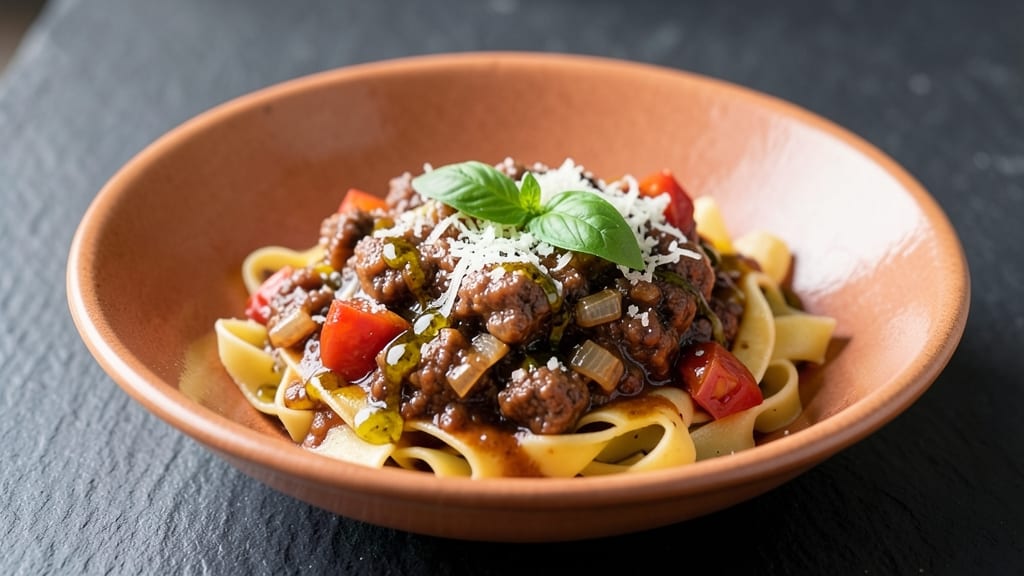
This Barilla Bolognese sauce recipe delivers the deep, slow-simmered richness that makes Italian cuisine unforgettable. The secret lies in caramelizing ground meat, reducing wine, and letting flavors meld over time—transforming simple ingredients into a sauce that coats pasta perfectly.
Every spoonful carries layers of umami from tomatoes, herbs, and Barilla's signature quality, balanced by a bright fresh basil finish that elevates this classic.
The process begins with browning the meat in batches to develop a deep, meaty foundation, then deglazing with wine to dissolve those flavorful browned bits. Aromatics like onions and garlic form the base, while crushed tomatoes and Barilla's rich tomato paste create the sauce's velvety texture.
The key is patience—letting the sauce simmer gently until it thickens into a luscious, clinging consistency that clings to every strand of pasta.
What makes this sauce exceptional is its versatility. Serve it over Barilla pasta for an authentic Italian meal, spoon it over grilled meats, or use it as a hearty dip for crusty bread.
The slow simmering process deepens the flavors, while the fresh basil added at the end brings a bright, aromatic finish that cuts through the richness. This isn't just a sauce—it's the soul of Italian comfort food.
For those who prefer plant-based options, a simple swap of mushrooms or lentils for the meat preserves the sauce's depth and texture. The technique remains the same, proving that this recipe adapts beautifully while keeping its signature richness.
Ready in about 2 hours (mostly hands-off time), this sauce transforms a simple meal into something extraordinary.
Ingredients for barilla bolognese sauce
Twelve ingredients, two hours of simmering—this sauce transforms Barilla pasta into a restaurant-quality experience.
| Ingredient | Amount | Notes |
|---|---|---|
| Ground Beef (80/20) 🥩 | 1 ½ lb | Finely ground for even cooking |
| Yellow Onion 🧅 | 1 whole | Finely diced, about 1.5 cups |
| Garlic Cloves 🧄 | 4 cloves | Minced, not pressed |
| Dry Red Wine 🍷 | ½ cup | Bold variety like Cabernet Sauvignon |
| Barilla Tomato Paste 🍅 | 2 tbsp | High-quality, no added salt |
| Crushed Tomatoes (San Marzano) 🍅 | 2 cups | High-acid, no salt added |
| Beef Broth 💧 | 1 cup | Homemade or quality store-bought |
| Fresh Basil Leaves 🌿 | ¼ cup | Packed, stems removed |
| Extra-Virgin Olive Oil 🫒 | ¼ cup | For deglazing and finishing |
| Diamond Crystal Kosher Salt 🧂 | 1 tsp | Adjust to taste |
| Freshly Ground Black Pepper 🌶️ | ½ tsp | Freshly cracked for best flavor |
| Dried Oregano 🍃 | ½ tsp | Italian blend preferred |
The ground beef is non-negotiable for authentic flavor—80/20 fat ratio ensures richness without greasiness. Costco or Whole Foods carry finely ground chuck, which caramelizes beautifully. If you're concerned about fat content, trimming excess after browning helps. The onions and garlic should be diced uniformly for even cooking, while the San Marzano tomatoes provide that signature Italian acidity. For the wine, any bold red works—Cabernet Sauvignon or Merlot are classic choices, but whatever's open in your fridge will do. The Barilla tomato paste is the secret weapon here—its concentrated flavor forms the sauce's velvety base.
No red wine? Beef broth with a splash of balsamic vinegar mimics the acidity and depth. Fresh basil is ideal, but dried oregano at one-third the amount works in a pinch. The crushed tomatoes can be swapped for whole peeled tomatoes (crushed by hand), though they'll add slightly more liquid. For a vegetarian version, mushrooms or lentils replace the beef—sauté them until deeply browned to replicate the meaty flavor. If you're using pre-minced garlic, toast it in olive oil first to deepen its flavor. The kosher salt is crucial—Diamond Crystal dissolves completely, unlike table salt which can leave graininess.
This sauce tastes even better the next day as flavors meld. Store in an airtight container in the fridge for up to 5 days, or freeze in portions for 3 months. For freezing, cool completely first to prevent ice crystals. The sauce thickens as it cools, so add a splash of broth before reheating if needed. Portion into containers with a thin layer of olive oil on top to preserve freshness. When reheating, stir gently over low heat—never boil or the texture will break down.
Why You'll Love This Recipe
- One-Pot Magic: I swear by this—just brown the beef, toss in the onions and garlic, deglaze with wine, then stir in that Barilla paste. No extra pans, no fuss, and the sauce thickens right in the pot like it’s been simmering for hours.
- Wine-Up Flavor: That splash of dry red wine? It’s the secret. It cuts through the richness of the beef and lets the Barilla paste shine—deep, savory, with just enough brightness to make every bite feel like a little Italian escape.
- Leftover Goldmine: Make a double batch and thank me later. This sauce only gets better the next day, perfect for tossing with pasta, stuffing into manicotti, or even slathering on toast with a sprinkle of Parmesan. (Yes, even on a Tuesday night.)
- Budget-Friendly Luxury: Ground beef and canned tomatoes don’t get much more affordable, but the result? Rich, hearty, and way more impressive than takeout. I’ll be real: my wallet and my dinner guests both approve.
Step-by-step instructions for Barilla Bolognese sauce
Here's the method for crafting a deeply flavorful Bolognese that balances rich meatiness with bright acidity.
Brown the Ground Beef Thoroughly
Heat the 0.25 cup extra-virgin olive oil in a heavy Dutch oven over medium-high heat until shimmering. Add the 1.5 lb ground beef (80/20) and break it apart with a wooden spoon, working it into the oil. Let it cook undisturbed for 3-4 minutes until the meat loses its raw color and begins to brown deeply.
This initial browning creates the Maillard reaction that builds the sauce's foundational umami. Avoid stirring constantly—let the meat develop a crust in patches. Once well-browned, use a slotted spoon to transfer the beef to a plate, leaving all the rendered fat in the pot. This fat will serve as the base for your sauce.
Develop the Flavor Base with Aromatics
Reduce the heat to medium and add the finely diced yellow onion to the Dutch oven. Cook for 5-6 minutes until softened and translucent, stirring occasionally. Add the minced garlic cloves and cook for another 30 seconds until fragrant—don't let it brown or it will turn bitter.
Stir in the 2 tbsp Barilla tomato paste and cook for 1 minute, allowing it to darken slightly. This paste forms the backbone of your sauce, thickening it and deepening its color. The reason we cook it first is that raw tomato paste can make the sauce taste flat and one-dimensional.
Deglaze and Simmer the Sauce
Pour in the 0.5 cup dry red wine and scrape up any browned bits from the bottom of the pot with a wooden spoon. This deglazing step captures all the meaty flavor that would otherwise stick to the pan. Let the wine simmer for 2-3 minutes until it reduces by half and the alcohol aroma dissipates.
Add the 2 cups crushed San Marzano tomatoes, 1 cup beef broth, 1 tsp Diamond Crystal kosher salt, 0.5 tsp freshly ground black pepper, and 0.5 tsp dried oregano. Stir well to combine, then bring the mixture to a gentle simmer. Partially cover the pot and cook for 45-50 minutes, stirring occasionally, until the sauce thickens and the liquid reduces by about half.
Finish with Fresh Basil and Adjust Seasoning
Remove the pot from heat and stir in the 0.25 cup fresh basil leaves. The basil adds a bright, aromatic finish that cuts through the richness of the meat. Let the sauce sit off the heat for 5 minutes to allow the flavors to meld together.
Taste and adjust the seasoning if needed. The sauce should be rich but not overly salty, with balanced acidity from the tomatoes and depth from the meat. If it's too thick, add a splash of water or broth to reach your desired consistency. Serve immediately over al dente pasta or let it cool slightly before refrigerating for up to 3 days.
Pro Tips For Making Barilla Bolognese Sauce
- CRACK THE PASTE FIRST: Don’t just toss Barilla tomato paste into the pot raw—it’ll clump like cement. Instead, heat 1 tablespoon of olive oil in your pot, add the paste, and stir like you’re stirring up trouble for 2-3 minutes until it darkens and smells deep. This isn’t just about flavor; it’s the foundation for everything else.
- SWEAT THE ONIONS LOW: I used to rush the onions, and they’d turn to mush before the beef even hit the pan. For this sauce, cook them on medium-low with a pinch of salt until they’re translucent and just starting to caramelize—about 8-10 minutes. That’s when the beef will actually taste like beef, not shoe leather.
- DEGLAZE WITH WINE, NOT WATER: After browning the beef, pour in that red wine and let it bubble for 2-3 minutes before adding anything else. Skimping here means your sauce will taste thin and one-dimensional. The alcohol burns off, but the lingering depth? That’s what makes Bolognese sing.
- REST THE MEAT UNDER FOIL: Once the beef is cooked, turn off the heat and tent it with foil for 5 minutes. I know, I know—you want to keep going. But this step locks in juices and prevents the sauce from turning greasy later. Trust me, your future pasta will thank you.
Perfect pairings for barilla bolognese sauce
Pasta Pairings
This Bolognese sauce shines best with Barilla's own pasta shapes that hold sauce well—think fettuccine, rigatoni, or pappardelle. The wide, flat surfaces of tagliatelle or pappardelle create a perfect surface area for the sauce to cling to, while the ridges of rigatoni trap every rich bite.
For a lighter option, whole wheat spaghetti from Barilla adds nutty depth that balances the sauce's richness. 🍝
Meat Complements
Serve your Bolognese over grilled chicken breast or pan-seared pork chops for a hearty main course. The sauce's deep umami complements the smoky char of grilled meats beautifully. For a classic Italian pairing, try it with braised short ribs—the tender, slow-cooked meat absorbs the sauce like a sponge.
I love adding a sprinkle of grated Parmigiano-Reggiano on top for extra richness. 🍖
Bread and Dipping
Transform leftovers into a cozy meal by serving the sauce as a dipping sauce for garlic bread or crusty ciabatta. The sauce's velvety texture makes it perfect for dipping—just warm it gently before serving.
For a quick appetizer, spread it thinly on toasted baguette slices and top with mozzarella for a mini Bolognese panini. 🥖
Vegetable Sides
Balance the richness with roasted Brussels sprouts or sautéed green beans—both stand up to the sauce's bold flavors. For a fresher contrast, serve with a simple arugula salad tossed in lemon vinaigrette.
The peppery bite of arugula cuts through the sauce's richness, while the acidity of the dressing refreshes your palate. 🥦
Cheese Boards
Elevate your sauce into a cheese board centerpiece by pairing it with aged pecorino, creamy burrata, and sharp provolone. The salty, tangy cheeses complement the sauce's depth, while prosciutto adds a savory crunch.
Serve with grilled breadsticks for dipping—this makes for an impressive appetizer or casual dinner. 🧀
Wine and Beer Pairings
For wine lovers, a bold Chianti or Barolo enhances the sauce's meaty depth, while a crisp Pinot Grigio balances its richness. If you prefer beer, a malty amber ale or Italian lager like Peroni cleanses the palate without overpowering.
For a non-alcoholic option, sparkling blood orange soda adds a refreshing contrast. 🍷
Nutrition facts
Frequently asked questions
Can I make this Bolognese sauce without red wine?
Replace the 0.5 cup dry red wine with 0.5 cup beef broth plus 1 tablespoon balsamic vinegar to mimic the acidity and depth. The balsamic adds a subtle sweetness that complements the meaty flavors beautifully. For even more richness, add 1 teaspoon soy sauce—it enhances umami without overpowering.
How do I fix a Bolognese sauce that's too thick or too thin?
For a thick sauce, stir in 1-2 tablespoons warm water or broth while simmering until smooth. If it's too thin, simmer uncovered for 10-15 minutes longer to reduce the liquid—stir occasionally to prevent sticking. For an emergency fix, mix 1 teaspoon cornstarch with 1 tablespoon cold water, stir into the sauce, and cook for 2 minutes until thickened.
What's the best way to store and reheat leftovers?
Let the sauce cool completely, then transfer to an airtight container and refrigerate for up to 5 days. For freezing, portion into containers with a thin layer of olive oil on top—this prevents ice crystals. Thaw overnight in the fridge, then reheat gently on low heat with a splash of broth or water. Never microwave directly from frozen, as it can make the sauce watery.
Can I make this vegetarian?
Yes! Replace the 1.5 lb ground beef with 1.5 lb finely chopped mushrooms (cremini or portobello) or 1 cup cooked lentils. Sauté the mushrooms until deeply browned to mimic meatiness, and add 1 teaspoon smoked paprika for depth. For extra protein, stir in 1 cup crumbled tempeh or 1 cup walnuts at the end. The sauce's richness will still shine!
Why does my Bolognese taste bland?
Blandness usually comes from skipping the browning step or not reducing the wine/tomatoes enough. Always brown the meat thoroughly (until deeply caramelized) and simmer uncovered for at least 45 minutes to concentrate flavors. Boost umami with 1 teaspoon fish sauce or 1 tablespoon Worcestershire sauce—they add depth without overpowering. A pinch of black pepper and salt at the end also makes a difference!