
Sauces & Condiments
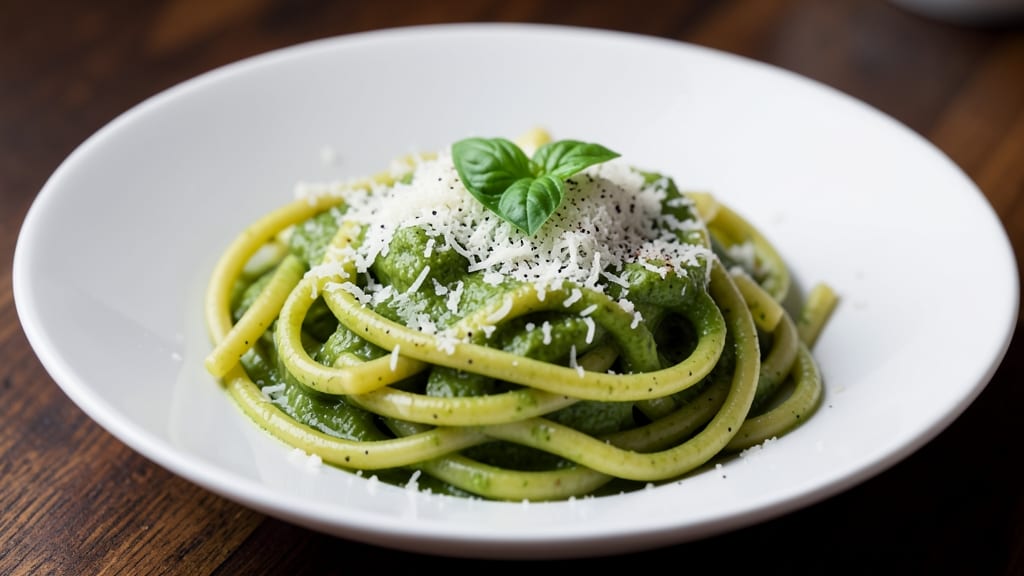
Barilla Basilico sauce transforms ordinary pasta into restaurant-quality dining with its vibrant green hue and perfect balance of fresh basil, garlic, and olive oil. This emulsion-style sauce clings beautifully to noodles while delivering bright, herby flavor that's impossible to replicate with jarred versions. The secret lies in blending fresh ingredients into a silky texture that enhances rather than overpowers your pasta.
What makes this sauce truly special is its versatility—it elevates everything from spaghetti to grilled chicken, but the technique is surprisingly simple. You'll need just 10 minutes of prep and 5 basic ingredients to create a sauce that tastes like it came from a Tuscan trattoria.
The key is using high-quality olive oil and fresh basil at its peak, which makes all the difference in achieving that authentic flavor.
Once you've blended everything together, you'll have a sauce that's rich enough to coat each noodle perfectly while remaining light enough to let the pasta's natural flavor shine through. The emulsion technique creates a velvety texture that's far superior to traditional pesto—no lumps, no separation, just smooth, vibrant goodness.
This sauce keeps beautifully in the refrigerator for up to 5 days or can be frozen for longer storage, making it perfect for meal prep. For a vegan version, simply omit the Parmesan and use nutritional yeast instead.
The possibilities for customization are endless while maintaining that perfect balance of flavors.
Ingredients for barilla basilico sauce
Five ingredients transform ordinary pasta into Tuscan trattoria perfection with vibrant green hue and velvety texture.
| Ingredient | Amount | Notes |
|---|---|---|
| Fresh Basil Leaves 🌿 | 2 cups | Packed, stems removed, vibrant green |
| Extra-Virgin Olive Oil 🫒 | ¾ cup | High-quality, fruity, cold-pressed |
| Garlic Cloves 🧄 | 4 cloves | Fresh, peeled, roughly chopped |
| Parmesan Cheese 🧀 | ½ cup | Freshly grated, fine texture |
| Lemon Juice 🍋 | 1 tbsp | Freshly squeezed, strained |
| Diamond Crystal Kosher Salt 🧂 | ½ tsp | Fine grain, no additives |
| Freshly Ground Black Pepper 🌶️ | ¼ tsp | Freshly cracked, coarse grind |
The basil is non-negotiable—farmers' market bunches have the most vibrant leaves, but grocery store containers work too if they're bright green and not wilted. Trader Joe's and Whole Foods carry excellent quality, but any fresh basil will do as long as it's at peak ripeness. For the olive oil, California olive oils like Corto or Lucini are perfect—their fruity notes elevate the sauce. If you're using a pre-grated Parmesan, grate it yourself for that authentic texture; pre-shredded has anti-caking agents that ruin the sauce's silky quality. The garlic should smell pungent, not musty—Italian varieties like Chioggia or Silverskin are ideal.
No fresh basil? Dried basil at one-third the amount works in a pinch, but it won't give that same bright, herby punch. Short on Parmesan? Pecorino Romano is a fantastic substitute—it's sharper and adds a different depth. The olive oil can be swapped for avocado oil if you're avoiding olive oil, though the flavor will differ slightly. For extra richness, add a tablespoon of heavy cream (though this makes it non-vegan). The lemon juice can be omitted if you prefer a milder sauce, but it's essential for balancing the flavors and preventing the sauce from turning bitter during storage.
This sauce is a meal prep dream—it keeps beautifully in an airtight container in the fridge for 5 days or freezes for 3 months without losing its vibrant color. To store, press a piece of parchment paper directly on the sauce's surface before sealing to prevent oxidation. For freezing, portion into ice cube trays and transfer to a bag—perfect for adding to pasta later. The emulsion will separate slightly when refrigerated, but a quick blend restores its silky perfection. Leftovers taste even better the next day as the flavors meld together.
Why You'll Love This Recipe
- Five-Ingredient Magic: I swear by this—just basil, olive oil, garlic, Parmesan, and a squeeze of lemon. That’s it. No overcomplicating, no hunting for obscure spices. The sauce practically makes itself while you chop one garlic clove and tear basil leaves.
- Bright & Bright: The lemon juice cuts through the richness of the olive oil, while the garlic and Parmesan add depth. Honestly, it’s the kind of flavor that makes you pause mid-bite—like a little burst of Italian sunshine in every spoonful.
- Pasta’s Best Friend: Drizzle it over spaghetti, toss it with grilled chicken, or use it as a marinade for shrimp. I’ve even slathered it on toast with a sprinkle of salt—it works everywhere, and I’m not kidding when I say it elevates whatever it touches.
- Leftovers That Last: Make a big batch and store it in the fridge for up to five days. The flavors only get better as it sits, and since it’s mostly oil and cheese, it’s cheap to stretch across multiple meals. My lunchbox has never been happier.
Step-by-step instructions for Barilla Basilico sauce
Here's how to create a silky, vibrant basil emulsion that clings beautifully to pasta.
Blanch and Prepare the Basil
Bring a small pot of water to a gentle boil and add the 2 cups fresh basil leaves. Blanch for 10-15 seconds—just enough to soften the leaves slightly while preserving their vibrant green color. Immediately drain and plunge them into ice water for 30 seconds to stop the cooking process.
Drain thoroughly and squeeze out any excess water using a clean kitchen towel. This step is crucial—moisture disrupts the emulsion later. I like to work in batches if needed, but never let the basil sit in water longer than necessary. The leaves should be cool to the touch but still bright green, not wilted.
Create the Herb Paste
Transfer the blanched basil to a food processor or high-powered blender. Add the 4 cloves garlic cloves and pulse until everything forms a smooth, vibrant green paste. Scrape down the sides as needed to ensure even blending.
This paste is the flavor foundation of your sauce. The basil's oils and garlic's intensity will infuse into the olive oil, creating that signature Barilla flavor. If using a blender, work in short pulses to avoid overheating the motor. The mixture should be completely smooth with no visible chunks—this ensures a silky emulsion.
Emulsify with Olive Oil
With the food processor running on low speed, slowly drizzle in the 0.75 cup extra-virgin olive oil through the feed tube. This gradual addition prevents the oil from separating. Process for 1-2 minutes until the mixture becomes thick and creamy, resembling pesto.
Here's the thing—patience is key. If the mixture looks too thick, add 1 teaspoon of water at a time until it reaches a smooth, spreadable consistency. The emulsion should coat the back of a spoon and hold its shape when drizzled. I've found that high-quality olive oil with good fruity notes works best for this step—cheap oil will create a bland sauce.
Incorporate Acid and Cheese
Transfer the basil emulsion to a mixing bowl and stir in the 1 tablespoon lemon juice, 0.5 cup freshly grated Parmesan cheese, 0.5 teaspoon Diamond Crystal kosher salt, and 0.25 teaspoon freshly ground black pepper. Mix thoroughly until completely combined and smooth.
The lemon juice brightens the flavors and helps stabilize the emulsion. I always use freshly grated Parmesan—pre-shredded cheese contains anti-caking agents that can make the sauce grainy. The salt and pepper should be distributed evenly throughout. Taste and adjust seasoning if needed—this is your chance to perfect the balance before serving.
Adjust Consistency and Serve
If the sauce is too thick, thin it with 1-2 teaspoons of warm pasta water at a time until it reaches a pourable consistency. The sauce should coat the back of a spoon but still flow smoothly. For best results, use it immediately with freshly cooked pasta.
This sauce is at its peak when served fresh—it won't keep well due to the high oil content. I like to toss it with hot pasta right before serving, letting the residual heat from the pasta help distribute the sauce evenly. The vibrant green color and aromatic basil flavor will make your pasta dish unforgettable—just like authentic Italian trattorias serve it.
Pro Tips For Making Barilla Basilico Sauce
- TOAST THE GARLIC LOW: I learned this the hard way—crisping garlic in olive oil too fast turns it bitter. Instead, heat the oil over low heat until it shimmers, then add the minced cloves. Let them sizzle gently for 2-3 minutes until golden, not brown. This keeps the flavor sweet and mellow, not burnt.
- STACK THE BASIL LAST: Fresh basil wilts fast in heat, so toss it in after the sauce is off the stove. If you’re blending, pulse the basil in last—just until combined—so it stays bright and vibrant. No need to cook it; it’ll soften from the residual heat.
- GRATE PARMESAN FRESH: Pre-shredded cheese has anti-caking agents that dull the sauce’s richness. Use a fine grater and zest the Parmesan right before adding it to the sauce. A tablespoon or two is enough—it’s potent stuff, and you’re not making soup.
- SALT THE OIL FIRST: Season the olive oil with a pinch of salt before adding garlic and lemon. This balances the flavors from the start, so you’re not chasing seasoning later. Trust me, your sauce will taste more cohesive—no afterthought adjustments needed.
Perfect pairings for barilla basilico sauce
Pasta Pairings
This vibrant sauce shines brightest with al dente pasta shapes that have ridges or hollows to trap the emulsion. Try fettuccine or linguine for classic Italian dishes, or farfalle for a fun twist. I also love it with troubled pasta like cavatappi or penne—the sauce clings beautifully to every crevice.
For a lighter option, toss it with spaghetti squash ribbons to cut calories while keeping the same rich flavor. 🍝
Protein Complements
Elevate your meal by pairing this sauce with grilled chicken breast or seared scallops—the lemony brightness cuts through the richness of the protein. I often serve it with pan-seared shrimp for a seafood-focused dish, or with crispy polenta squares as a gluten-free alternative to pasta.
The sauce also works beautifully with roasted eggplant or grilled zucchini for a vegetarian option.
Bread and Dipping
Don't limit this sauce to pasta—it's perfect for dipping! Serve with garlic bread or crusty Italian bread for a shareable appetizer. I also love spreading it on toasted baguette slices with a sprinkle of flaky sea salt for a quick antipasto.
The sauce pairs wonderfully with fresh mozzarella balls or cherry tomatoes on a platter for a Caprese-inspired dish.
Cheese Board Fusion
Take your cheese board to the next level by adding this sauce as a drizzle. The bright flavors complement creamy burrata, aged pecorino, and provolone cheese beautifully. I like to serve it alongside cured meats like prosciutto or salami, where the sauce's acidity balances the saltiness.
For a sweet-savory twist, pair it with honey-drizzled goat cheese and fresh figs.
Dessert Surprises
Yes, this sauce can even shine in desserts! Drizzle it over vanilla ice cream for a refreshing contrast, or mix it into mascarpone cheese for a basil-infused dip with strawberries or biscotti.
I've also used it as a glaze for baked apples or grilled peaches—the herby notes pair surprisingly well with fruit. Just reduce the sauce slightly to thicken it for dessert applications. 🍓
Nutrition facts
Frequently asked questions
Why does my homemade basil sauce separate after blending?
The emulsion can break if moisture remains in the basil or if you add oil too quickly. Always squeeze out excess water from blanched leaves and drizzle oil slowly while blending on low speed. A splash of lemon juice also helps stabilize the mixture—it's the secret to that perfect creamy texture!
Can I make this sauce without a food processor?
Yes! Use a mortar and pestle for a rustic version—pound the basil, garlic, and Parmesan into a paste first, then gradually mix in olive oil with a fork. It'll be slightly chunkier but still delicious. For a smoother result, blend the herb paste first, then whisk in the oil by hand with a wire whisk.
How do I store leftovers to keep the vibrant green color?
Press plastic wrap directly on the sauce's surface before sealing in an airtight container to prevent oxidation. Store in the fridge for 5 days or freeze in ice cube trays for 3 months. The color may darken slightly when refrigerated, but blending briefly before use restores that bright green hue.
What's the best pasta shape for this sauce?
Ridged or hollow pasta shapes work best—try fettuccine, penne, or farfalle to trap the sauce. For a lighter option, use spaghetti squash ribbons or zucchini noodles. The sauce also pairs beautifully with polenta or crispy bread for dipping!
Can I make this sauce vegan?
Omit the Parmesan and replace it with 2 tablespoons nutritional yeast plus 1 tablespoon lemon zest for that umami depth. The sauce will still be rich and flavorful—just add a splash of plant-based milk if it needs thinning. The vegan version keeps beautifully for 4 days in the fridge.