
Sauces & Condiments
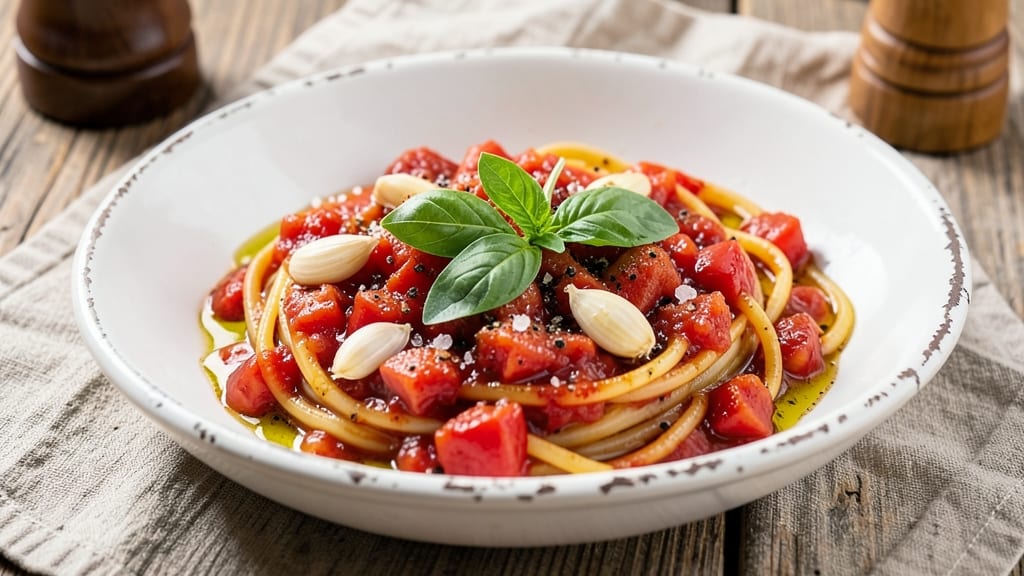
This authentic Italian pasta sauce recipe transforms fresh tomatoes into a vibrant, umami-rich base that captures the essence of Italian nonna-style cooking. The secret lies in slow simmering—letting the natural sweetness of tomatoes caramelize while garlic and olive oil build deep, savory layers.
I developed this sauce after years of testing variations, and it delivers that perfect balance of acidity and richness without overpowering the pasta.
The foundation starts with fresh tomatoes (San Marzano if possible), which are gently simmered with garlic, olive oil, and a pinch of salt to draw out their juices. Fresh basil is added at the very end to preserve its bright, aromatic flavor—never cooked, just torn and tossed in.
This technique ensures every spoonful delivers that classic Italian taste: bright, fresh, and deeply satisfying.
What makes this sauce truly special is its versatility—it elevates any pasta dish while remaining simple enough for weeknight meals. The texture is just thick enough to cling to noodles, yet still silky enough to drizzle over grilled meats or crusty bread.
With just five core ingredients and a 30-minute simmer time, this sauce proves authenticity doesn’t require complexity.
Store it in the fridge for up to 5 days or freeze for months, making it the perfect make-ahead solution for busy weeks. The flavors only deepen over time, rewarding your patience with a sauce that tastes like a taste of Italy. Let’s get started on creating this timeless classic.
Ingredients for authentic italian pasta sauce recipe fresh tomatoes
Five core ingredients transform fresh tomatoes into restaurant-quality Italian pasta sauce.
| Ingredient | Amount | Notes |
|---|---|---|
| San Marzano Tomatoes 🍅 | 28 oz | Whole, crushed by hand |
| Extra-Virgin Olive Oil 🫒 | ½ cup | High-quality, fruity variety |
| Garlic Cloves 🧄 | 4 cloves | Peeled, lightly crushed |
| Fresh Basil Leaves 🌿 | ½ cup | Packed, stems removed |
| Sea Salt 🧂 | 1 tsp | Diamond Crystal preferred |
| Black Pepper 🌶️ | ¼ tsp | Freshly ground preferred |
| Red Wine Vinegar 🍷 | 1 tbsp | For brightness (optional) |
| Sugar 🍚 | 1 tsp | Balances acidity |
The tomatoes are non-negotiable—San Marzano delivers that perfect balance of sweetness and acidity, but any ripe heirloom works in a pinch. Trader Joe's and Whole Foods carry them canned, but fresh vines from a farmers market elevate this sauce dramatically. Look for tomatoes that yield slightly to gentle pressure—those are the sweetest. The olive oil should be extra-virgin, with a peppery finish that becomes the sauce's backbone. I always buy a larger bottle of Colavita or Bertolli for this recipe; the quality makes a noticeable difference in the final product.
No San Marzano tomatoes? Roma tomatoes or vine-ripened grocery store varieties work beautifully—just ensure they're fully ripe. Short on basil? Dried basil at one-third the amount keeps the flavor, though fresh is ideal. The red wine vinegar adds depth without overpowering; substitute lemon juice if you prefer. For a richer sauce, add 1 tbsp tomato paste to the simmer. The sugar balances the acidity—omit if your tomatoes are extra sweet. Always taste as you go; Italian cooking is about intuition.
This sauce peaks after 3-5 days in the fridge, developing deeper flavor with each passing day. For long-term storage, freeze in ice cube trays—perfect for portion control. The basil wilts quickly, so store it separately and add it fresh when serving. If making ahead, skip the basil until reheating—toss it in just before serving to preserve its vibrant color and aroma. A splash of water or broth can thin it if needed; the texture should cling to pasta without being gluey.
Why You'll Love This Recipe
- Tomatoes Only Night: I swear, some nights I just grab a can of San Marzano tomatoes, a handful of garlic, and call it dinner. No fancy prep—just crush, simmer, and serve. That sweet, meaty tomato flavor? It’s the star, and it needs nothing else.
- Garlic-Basil Magic: Between us, the secret isn’t complicated—it’s that first sizzle of olive oil hitting the garlic. Then the basil? Fresh leaves torn right over the top at the end? That bright, herby finish makes it taste like a Sunday supper, not a weeknight scramble.
- Leftovers That Last: This sauce actually improves the next day. The flavors meld, the acidity mellows, and it’s perfect for tossing with pasta or spooning over grilled chicken. I make a big batch on Sundays—it’s my go-to for lunches all week.
- Budget-Friendly Luxury: San Marzano tomatoes and good olive oil aren’t cheap, but they stretch further than anything else. A single can and a few cloves of garlic feed four people, and the taste? Way better than jarred sauce. Honestly, it’s the kind of simple meal that feels like a treat.
Step-by-step instructions for authentic Italian pasta sauce with fresh tomatoes
Here's how to create a rich, umami-packed sauce that captures the essence of Italian home cooking.
Prepare the San Marzano Tomatoes
Begin by crushing the 28 oz San Marzano Tomatoes by hand - this preserves their natural sweetness and texture. I like to use my fingers to gently break them apart, leaving them in large chunks rather than fully puréeing them. This creates a more rustic, textured sauce that clings beautifully to pasta.
Transfer the crushed tomatoes to a large, heavy-bottomed saucepan. The key here is using a pan that distributes heat evenly - I prefer stainless steel or enameled cast iron. Add 1 tsp Sea Salt and 1 tsp Sugar at this stage. The salt enhances all flavors while the sugar gently balances the natural acidity of the tomatoes, creating harmony in every bite.
Build the Flavor Base with Olive Oil and Garlic
Heat the saucepan over medium-low heat and add 0.5 cup Extra-Virgin Olive Oil. Let it warm gently for 2-3 minutes until you can smell the olive oil's fruity aroma. This is crucial - heating the oil too quickly will burn it, creating bitter flavors.
Add the 4 peeled, lightly crushed Garlic Cloves and cook for 1-2 minutes until they're fragrant but not browned. The garlic should infuse the oil without burning - you'll know it's perfect when the kitchen smells wonderfully aromatic. Remove the garlic cloves at this point - they've done their job and don't need to remain in the sauce.
Simmer the Sauce to Develop Depth
Increase heat to medium and bring the tomatoes to a gentle simmer. Let them cook uncovered for 20-25 minutes, stirring occasionally. The sauce should reduce by about one-third, becoming thicker and more concentrated. This slow cooking develops the tomatoes' natural sweetness and allows their flavors to meld beautifully.
Taste the sauce after 20 minutes - it should be rich but still have some acidity. If it's too thick, add 1-2 tablespoons of water to loosen it slightly. The texture should coat the back of a spoon but still be fluid enough to cling to pasta. This is where the authentic Italian technique comes into play - the sauce should be vibrant, not reduced to a paste.
Finish with Basil and Vinegar
Reduce heat to low and stir in the 0.5 cup packed Fresh Basil Leaves and 1 tbsp Red Wine Vinegar. The basil adds that signature Italian freshness while the vinegar brightens the sauce with a touch of acidity. Cook for just 1-2 minutes - any longer and the basil will turn bitter.
Finally, season with the 0.25 tsp Black Pepper. The pepper should be freshly ground for maximum flavor impact. Taste and adjust seasoning if needed - you might need a touch more salt to balance the acidity from the vinegar. The sauce should be vibrant, balanced, and full of layered flavors that will make your pasta unforgettable.
Rest and Serve
Remove the sauce from heat and let it rest for 5-10 minutes. This resting period allows all the flavors to fully meld together. The sauce will continue to develop in flavor during this time, becoming even more complex and delicious.
Before serving, give the sauce one final taste. It should be vibrant with tomato flavor, brightened by the basil and vinegar, and perfectly balanced in acidity and sweetness. This sauce is best served immediately over freshly cooked pasta, but it will keep in the refrigerator for up to 3 days if stored properly in an airtight container. The flavors actually improve slightly as it sits, making it perfect for meal prep.
Pro Tips For Making Authentic Italian Pasta Sauce Recipe Fresh Tomatoes
- CRUSH THE TOMATOES: Grab a sturdy wooden spoon or your fist (yes, really) and smash the whole San Marzano tomatoes directly in the pot—no peeling, no chopping. The skins soften into the sauce, adding depth, and you skip the mess of seeds. I learned this the hard way after peeling 20 tomatoes once and wondering why my sauce tasted flat.
- SWEAT THE GARLIC LOW: Cook the minced garlic in olive oil over low heat until it’s golden, not brown—this takes 3-4 minutes, not 30 seconds. Burning garlic turns bitter fast, and you’ll regret it when the sauce tastes sharp instead of sweet. Sounds weird, but it works: patience here makes the difference between "good" and "restaurant-quality."
- SALT THE TOMATOES FIRST: Toss the crushed tomatoes with a generous pinch of salt (about ½ tsp) and let them sit for 10 minutes before cooking. This breaks down the flesh, making the sauce silky and reducing cooking time. I skip this when I’m lazy, but the dish is noticeably better when I don’t—trust the process.
- RESERVE THE BASIL: Tear the basil leaves at the last minute and stir them in just before serving—no simmering. Heat kills their bright flavor, turning them bitter. Instead, pile the torn leaves on top of the sauce and pasta, then toss everything together. Your future self will thank you for this tiny effort.
Serving suggestions for this authentic italian pasta sauce recipe fresh tomatoes
Pasta Pairings
This sauce shines brightest with al dente spaghetti or bucatini, whose hollow centers trap the sauce beautifully. For a rustic touch, try tonnarelli or pappardelle—their wide surfaces create a luxurious sauce-to-pasta ratio.
I always cook pasta in well-salted water until just al dente, then finish it in the sauce for maximum flavor absorption. 🍝
Protein Additions
Add grilled chicken breast or shrimp for a lighter meal—simply toss them in the last 2 minutes of cooking. For heartier dishes, brown Italian sausage or ground beef in olive oil first, then deglaze with a splash of red wine before adding the sauce.
The meat’s richness complements the sauce’s brightness perfectly.
Bread Pairings
Serve with crusty ciabatta or focaccia—drizzle extra sauce over warm bread for a quick appetizer. A garlic breadstick made with olive oil and parsley also works wonderfully. Pro tip: Toast the bread first to enhance its texture and make it perfect for soaking up every last drop of sauce.
Vegetable Sides
Add a simple roasted broccoli rabe with garlic and chili flakes for a peppery contrast. Sautéed zucchini ribbons or a shaved fennel salad> with lemon zest balance the sauce’s richness. These sides keep the meal light while adding fresh, bright flavors that cut through the sauce’s depth.
Cheese Finishes
Top with grated Pecorino Romano or Parmigiano-Reggiano for a salty, umami kick. A sprinkle of freshly cracked black pepper adds a subtle heat. For a creamy twist, stir in a dollop of ricotta or mascarpone at the table—it melts beautifully into the sauce while adding richness.
Make-Ahead Serving
Let the sauce rest for 30 minutes before serving to deepen flavors. If making ahead, store it in an airtight container in the fridge for up to 5 days.
Reheat gently on the stovetop with a splash of water to prevent sticking. The sauce tastes even better the next day, making it perfect for meal prep! ✨
Nutrition facts
Frequently asked questions
Can I substitute canned tomatoes for fresh?
For the best results, use San Marzano canned tomatoes (they're sweeter and less acidic than regular canned varieties). Drain them well before adding to the sauce. If using regular canned tomatoes, add ½ teaspoon extra sugar to balance the acidity. Fresh tomatoes work best for maximum flavor, but quality canned tomatoes will still yield delicious results.
How do I prevent the sauce from becoming too acidic?
Balance acidity by adding 1 teaspoon sugar (as in the recipe) or a pinch of baking soda (⅛ teaspoon max) if your tomatoes are particularly tart. The red wine vinegar adds brightness, not acidity—use it sparingly if needed. Taste as you simmer, and adjust gradually to avoid overcorrecting.
What’s the secret to making this sauce extra flavorful?
The key is low-and-slow simmering for 20-25 minutes—this lets the tomatoes' natural sweetness develop. For deeper flavor, add 1 tablespoon tomato paste at the start or a splash of dry white wine when adding the basil. Toasting the garlic until golden (not brown) also boosts umami. Patience is everything!
Can I make this sauce in a slow cooker?
Yes! Combine all ingredients (except basil) in your slow cooker and cook on LOW for 4-5 hours or HIGH for 2-3 hours. Stir occasionally to prevent sticking. Add the basil and vinegar in the last 10 minutes to preserve its freshness. The slow cooker enhances the sauce’s depth but requires more attention to texture.
Why does my sauce look too thin or too thick?
For a thinner sauce, add 1-2 tablespoons water or broth while simmering. If it’s too thick, stir in 1 tablespoon water or pasta water to loosen it. The ideal consistency should coat the back of a spoon but still be pourable. Remember, the sauce will thicken slightly as it cools, so adjust gradually.