
Sauces & Condiments
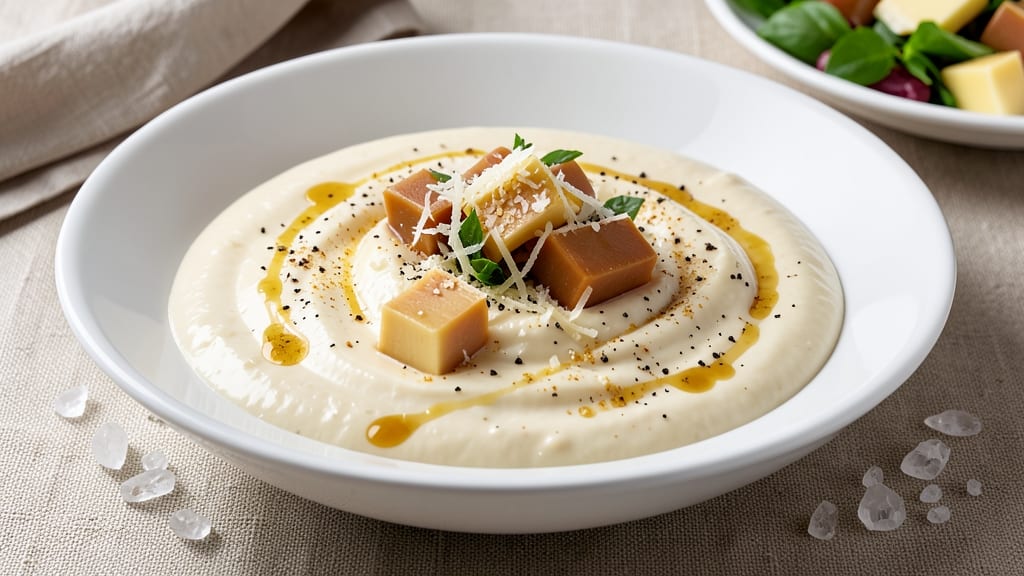
This Alfredo sauce mix recipe transforms basic pantry staples into velvety, restaurant-worthy sauce in minutes—no clumps, no lumps, just pure creamy perfection. The secret lies in blending cold butter and Parmesan first, then gradually whisking in warm cream to create a silky texture that coats pasta like a dream.
I developed this mix after years of battling clumpy store-bought versions, and it's now my go-to for everything from fettuccine to chicken dishes.
The beauty of this recipe is its simplicity: just four ingredients—butter, heavy cream, Parmesan, and a touch of garlic powder—that come together in a foolproof method.
Unlike traditional Alfredo recipes that require constant stirring over heat, this mix stays smooth and clump-free when refrigerated, ready to be heated and used whenever you crave that rich, cheesy flavor. It's the kind of sauce that elevates any dish without the fuss.
What you'll end up with is a creamy, ultra-smooth sauce that clings to pasta like it was made in a professional kitchen. The Parmesan adds depth, the garlic powder brings warmth, and the heavy cream ensures that luxurious texture.
This isn't just a sauce—it's a game-changer for weeknight dinners, potlucks, or impressing guests with minimal effort.
Scalable for any portion, this mix keeps well in the fridge for up to a week, making it perfect for meal prep. Whether you're tossing it with fettuccine or drizzling it over grilled chicken, the results are consistently rich, velvety, and foolproof.
Let's get started on creating your own creamy magic.
Ingredients for alfredo sauce mix
Four simple ingredients create velvety perfection—no clumps, just restaurant-worthy Alfredo magic.
| Ingredient | Amount | Notes |
|---|---|---|
| Unsalted Butter 🧈 | 1 cup | Cold, cubed for even blending |
| Heavy Cream 🥛 | 2 cups | Full-fat for richest texture |
| Parmesan Cheese 🧀 | 1 cup | Freshly grated from block |
| Garlic Powder 🧄 | 1 tsp | For subtle aromatic warmth |
| Diamond Crystal Kosher Salt 🧂 | ¼ tsp | Enhances all flavors |
| Freshly Ground Black Pepper 🌶️ | ¼ tsp | Freshly cracked for brightness |
| Extra-Virgin Olive Oil 🫒 | 1 tbsp | For smooth texture finish |
The butter and Parmesan are your power duo. Use European-style butter—it has higher fat content for that ultra-creamy texture. The Parmesan should be freshly grated from a block (pre-grated gets clumpy), and Whole Foods or specialty cheese shops often have the best quality. I always grab the Parmigiano-Reggiano wedge—the flavor difference is night and day. For the heavy cream, full-fat is non-negotiable here (the good stuff, not the light version). If you're worried about clumps, chill the butter cubes first—they'll blend smoother into the cream later.
No butter? Coconut oil or vegan butter works in a pinch, though the flavor will differ slightly. Short on Parmesan? Pecorino Romano or Grana Padano are great substitutes. The garlic powder can be swapped for fresh minced garlic at half the amount (about 1/2 tsp), but I prefer the powder for convenience and consistent flavor. For the olive oil, avoid cheap brands—look for something fruity and peppery that won't overpower the sauce. The salt and pepper are just for balance, but don't skip them—they make all the difference in bringing out the richness.
This mix keeps beautifully in an airtight container in the fridge for up to 1 week. For longer storage, portion into ice cube trays and freeze—perfect for single servings. When ready to use, simply whisk with warm water or milk until smooth. The sauce thickens as it cools, so if it seems too thick when reheated, just add a splash of warm water or cream. Leftovers? Toss with pasta or drizzle over grilled chicken—they'll disappear just as fast as the first batch.
Why You'll Love This Recipe
- Five-Ingredient Magic: I swear, this sauce comes together with just butter, cream, cheese, and two pantry staples—no fancy techniques. Honestly, I’ve made it while waiting for water to boil, and it still tastes like I spent hours.
- Creamy Without Clinging: That heavy cream and butter combo gives it a velvety texture, but it doesn’t coat your frying pan like a glue trap. Between us, my husband’s picky about sauces that turn into paste—this one stays smooth and stays on the noodles.
- Leftovers That Still Shine: Make a double batch, freeze half, and reheat it later—it thaws like a dream. I’ll be real: my freezer’s full of these, and they taste just as good on day three as day one. (Yes, even on a Tuesday night.)
- Pasta Party Ready: Slap it on fettuccine for date night, toss it with chicken for a quick lunch, or drizzle it over roasted veggies for a vegetarian win. My daughter’s even asked for it on her “no-pasta” days—proof it’s that versatile.
Step-by-step instructions for creamy Alfredo sauce mix
Here's how to blend rich, velvety sauce in minutes without lumps or separation.
Melt the Cold Butter for a Silky Base
In a medium saucepan, combine the 1 cup unsalted butter (cubed) over medium-low heat. Let it melt completely while stirring occasionally—this gentle approach prevents the butter from browning or developing a nutty flavor that can overpower the delicate sauce. You'll know it's ready when the butter transforms into a smooth, glossy liquid with no visible solids.
Here's the thing—using cold, cubed butter rather than melted butter creates tiny fat droplets that emulsify beautifully with the cream later. If you use melted butter straight from the fridge, the sauce might curdle when you add the cold cream. Keep the heat steady and avoid letting it foam or bubble vigorously.
Warm the Heavy Cream Gradually
Once the butter is fully melted, reduce the heat to low and slowly pour in the 2 cups heavy cream. Stir gently to distribute the butter evenly throughout the cream. Let the mixture warm through for 3-4 minutes, stirring occasionally, until it reaches 160°F—just below a simmer. This gradual warming prevents the cream from curdling from sudden temperature shocks.
Watch for tiny bubbles forming around the edges of the pan—this indicates the cream is heating evenly. If you see any signs of curdling (thickening or graininess), immediately reduce the heat to the lowest setting and continue stirring until it smooths out. The goal is a uniform, silky texture without any separation.
Incorporate the Parmesan Cheese
Remove the saucepan from heat and add the 1 cup freshly grated Parmesan cheese along with the 1 tsp garlic powder, 0.25 tsp Diamond Crystal kosher salt, and 0.25 tsp freshly ground black pepper. Stir vigorously with a whisk or wooden spoon for 2-3 minutes until the cheese melts completely and the mixture becomes smooth and glossy.
This is where the magic happens—the residual heat from the cream will melt the cheese without cooking it, which preserves its rich, nutty flavor. If you notice any cheese clumps forming, strain the sauce through a fine-mesh sieve to achieve that perfectly smooth texture. The sauce should now have a velvety consistency with no visible cheese particles.
Finish with Olive Oil for Stability
Return the sauce to low heat and stir in the 1 tbsp extra-virgin olive oil. Let it warm through for an additional 1-2 minutes, stirring constantly. The olive oil acts as an emulsifier, helping to stabilize the sauce and prevent separation when you add it to hot pasta later. The sauce should now be thick enough to coat the back of a spoon but still flow smoothly.
Taste and adjust the seasoning if needed—you might want to add a pinch more salt or pepper to suit your preference. The sauce should have a rich, cheesy flavor with a subtle garlic warmth. For best results, use the sauce immediately over freshly cooked pasta, but if you need to store it, let it cool completely before refrigerating in an airtight container for up to 3 days.
Pro Tips For Making Alfredo Sauce Mix
- Melt Butter Slowly: I learned this the hard way—dumping cold butter into the pan and ending up with a greasy, grainy mess. Instead, cut the unsalted butter into small cubes and let them melt gradually over medium-low heat, stirring constantly. You want it smooth and fully incorporated before adding the cream, or you’ll fight lumps later.
- Grind Your Own Parmesan: Pre-shredded Parmesan is coated with anti-caking agents that turn your sauce into a clumpy disaster. Grab a microplane or food processor and freshly grate your own—just enough for the recipe, since it loses flavor fast once exposed to air. (Yes, it’s a pain, but your sauce will taste like it belongs in an Italian restaurant.)
- Temper the Cream: Cold heavy cream straight from the fridge will shock your butter and curdle your sauce faster than you can say "ruined dinner." Warm the cream in a separate saucepan until it’s just steaming (not boiling), then whisk it into the melted butter. This keeps everything silky instead of separating like a sad, broken emulsion.
- Season in Layers: Taste as you go—this isn’t optional. Start with the garlic powder and a pinch of salt before adding the Parmesan, since cheese can overpower flavors if dumped in all at once. Then adjust the salt again at the end, because Diamond Crystal kosher salt is way less intense than table salt. (Trust me, you’ll need it.)
Wine and beer pairings for these flavors
White Wine Pairings
For this creamy Alfredo sauce, I always reach for a dry Italian white wine like Pinot Grigio from Alto Adige or Vermentino from Sardinia. Their crisp acidity cuts through the richness beautifully, cleansing your palate between bites of fettuccine.
A chilled glass at 45-50°F enhances the sauce's buttery notes while keeping the meal light. 🍷
Crisp Lager Complements
A light Italian lager such as Peroni or Moretti is my go-to beer pairing—its subtle malt sweetness and effervescence balance the sauce's creaminess without overpowering it. Serve it well-chilled (38-42°F) to highlight the sauce's garlic and Parmesan flavors.
For a craft option, try a Belgian witbier like Hoegaarden for citrusy contrast.
Rich Red for Heartier Dishes
If serving Alfredo over grilled chicken or steak, a medium-bodied red like Chianti or Sangiovese works surprisingly well. The wine's bright acidity and earthy notes complement the sauce's richness while standing up to heartier proteins. Let it breathe for 15-20 minutes before serving to soften its tannins.
Non-Alcoholic Alternatives
For a refreshing non-alcoholic option, I mix sparkling apple cider with a splash of lemon juice—the bubbles mirror the sauce's creaminess while the acidity refreshes. Chill it thoroughly (35-40°F) for the best experience. A cucumber-mint infused water with ice also pairs beautifully, especially on warm days. 💧
Dessert Wine Surprise
Believe it or not, a dry Moscato d'Asti can be a delightful after-dinner pairing with Alfredo. Its delicate sweetness and effervescence echo the sauce's creaminess without clashing. Serve it slightly chilled (40-45°F) to let its floral notes shine alongside the Parmesan's umami depth.
Nutrition facts
Frequently asked questions
Why does this Alfredo sauce stay smooth and clump-free?
The secret is blending cold butter cubes and freshly grated Parmesan first, then gradually warming the heavy cream to 160°F. The olive oil at the end acts as an emulsifier, preventing separation when reheated. Most store-bought sauces use pre-shredded cheese or melted butter, which causes clumping.
Can I make this sauce dairy-free?
Yes! Swap the butter for coconut oil or vegan butter, use full-fat coconut cream instead of heavy cream, and replace Parmesan with nutritional yeast or vegan Parmesan. The texture will be slightly different but still creamy. The olive oil helps maintain stability in the dairy-free version too.
How do I fix curdled Alfredo sauce?
If your sauce curdles, immediately remove from heat and whisk in 1 tablespoon cold water or milk per ½ cup sauce. For stubborn clumps, strain through a fine-mesh sieve. The key is preventing sudden temperature changes—always warm cream gradually over low heat. Most curdling happens when heat is too high or cream is added too quickly.
What's the best pasta to use with this sauce?
Fettuccine, tagliatelle, or pappardelle are classic choices—their wide, flat surfaces catch the sauce beautifully. For extra texture, try fresh egg pasta or gluten-free fettuccine. Avoid thin noodles like angel hair, as they can get lost in the rich sauce. Cook pasta al dente (1 minute less than package instructions) for the best texture.
Can I make this sauce ahead of time?
Store the cooled sauce in an airtight container in the fridge for up to 1 week or freeze in ice cube trays for single servings. When reheating, warm gently over low heat and whisk in 1 tablespoon warm water or milk if it thickens too much. The flavor actually improves after resting overnight.