
Sauces & Condiments
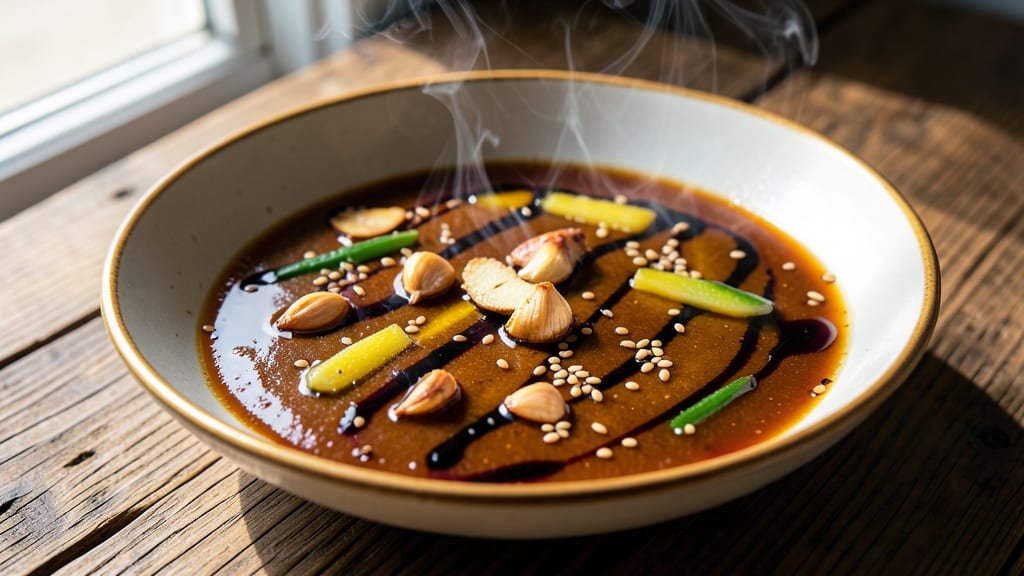
This barbecue stir-fry sauce transforms wok nights into smoky-sweet masterpieces in under 15 minutes. 🔥 As a pitmaster who's spent years balancing fire and flavor, I've perfected this sauce to deliver that perfect harmony of sweetness, tang, and smoky depth—without needing a grill.
The secret lies in the caramelized brown sugar and a touch of liquid smoke that mimics the charred flavors of a smoker.
What sets this sauce apart is its versatility. It's not just for stir-fries—it elevates grilled meats, tofu, or even roasted vegetables with that signature glossy finish.
The combination of soy sauce, vinegar, and garlic creates a balanced umami kick, while the brown sugar adds a caramelized richness that lingers on the tongue.
I developed this recipe during a particularly busy week when I needed a sauce that could handle the heat of the wok and still deliver restaurant-quality flavor.
By the time you're done, you'll have a sauce that's sticky, glossy, and packed with layers of flavor—ready to transform any dish. The best part?
It keeps well in the fridge for up to two weeks, so you can make a big batch and have it on hand for spontaneous weeknight dinners. This is the kind of sauce that turns simple ingredients into something extraordinary.
Pair it with your favorite proteins or vegetables, and let the smoky-sweet magic unfold. Here's everything you need to make it—simple, quick, and impossible to resist.
Ingredients for barbecue stir fry sauce
Nine pantry staples blend into a smoky-sweet sauce that transforms any stir-fry in minutes.
| Ingredient | Amount | Notes |
|---|---|---|
| Brown Sugar 🍯 | ½ cup | Packed, light brown preferred |
| Soy Sauce 🍶 | ½ cup | Low-sodium preferred for balance |
| Rice Vinegar 🍶 | ¼ cup | White or seasoned variety |
| Liquid Smoke 🔥 | 1 tbsp | Smoky depth without grill |
| Garlic Cloves 🧄 | 4 cloves | Minced for smooth texture |
| Fresh Ginger 🌿 | 1 tbsp | Finely grated, fresh preferred |
| Sesame Oil 🫒 | 1 tbsp | Toasted for nutty aroma |
| Extra-Virgin Olive Oil 🫒 | 1 tbsp | For glossy finish |
| Cornstarch 🌾 | 1 tbsp | For thickening consistency |
| Red Pepper Flakes 🌶️ | ½ tsp | Adjust for heat preference |
The brown sugar is non-negotiable here—it caramelizes beautifully when heated, adding that signature depth. Trader Joe's has the best-priced light brown sugar in bulk, but any grocery store's packed variety works. Liquid smoke is the secret weapon; Columbus Craft is my go-to brand, but any quality brand will do. Fresh ginger is ideal, but if you're using dried, double the amount—it's way more concentrated. The garlic and ginger should be finely minced or grated for a smooth sauce, not chopped. I always toast my sesame oil in the saucepan first—just a minute on low heat—to wake up those nutty flavors.
No liquid smoke? Smoked paprika at half the amount adds a milder smokiness, but you'll lose that authentic barbecue depth. Low-sodium soy sauce is key—Kikkoman or San-J are reliable choices, but any brand works if you reduce it slightly after adding. Cornstarch is your thickening agent; if you're gluten-free, swap for arrowroot powder. The red pepper flakes can be omitted entirely if you're sensitive to heat, or increase to 1 teaspoon for a spicier kick. For a tangier sauce, add 1 extra tablespoon of rice vinegar—it balances the sweetness beautifully.
This sauce is a pantry staple once you make it—it keeps for 2 weeks in the fridge, covered tightly. I double the batch every time because it disappears fast. For leftovers, simply reheat in a saucepan with 1 tablespoon of water to restore that glossy texture. Freezes beautifully for up to 3 months—just thaw in the fridge overnight. The sauce thickens as it cools, so don't worry if it looks too thick right after making it. A quick stir with a splash of water brings it back to perfection.
Why You'll Love This Recipe
- Five-Ingredient Magic: I swear, this sauce comes together with what’s already in your pantry—no fancy shopping required. Brown sugar caramelizes in minutes, soy sauce adds depth, and a splash of rice vinegar cuts through the richness like a breath of fresh air.
- Smoky-Sweet Addiction: That liquid smoke? It’s the secret weapon—deep, campfire-like flavor without the grill. The garlic cloves hit you right in the nostalgia, while the brown sugar keeps it balanced. Honestly, I’ve caught myself pouring extra just to taste it straight from the jar.
- Game for Any Meal: Drizzle it over stir-fried veggies, toss it with grilled chicken, or even slather it on a burger. It’s my go-to for weeknight dinners, potlucks, or when I’m craving something that tastes homemade but takes zero effort. (Yes, even on a Tuesday night.)
- Leftovers That Don’t Let You Down: This sauce keeps for weeks in the fridge, and it only gets better as the flavors meld. I make a big batch, freeze half, and still reach for it when I’m too tired to cook. Budget-friendly? Absolutely. Versatile? You bet. My secret weapon for lazy days.
Step-by-step instructions for smoky-sweet stir fry sauce
This sauce comes together faster than you can say "wok hei" - let's make it shine.
🍳 Step 1: Bloom the Aromatics in Oil
Heat a small saucepan over medium heat and add the 1 tablespoon extra-virgin olive oil. Once the oil shimmers, add the 4 cloves minced garlic cloves and 1 tablespoon finely grated fresh ginger. Cook for 30-45 seconds until fragrant - you'll smell that fresh, zesty aroma that signals they're ready. Be careful not to let them brown, or you'll get bitter flavors instead of bright, aromatic ones.
Here's the thing - fresh ginger and garlic release their oils when cooked, but they burn quickly. I like to stir constantly during this step to prevent any burning. If your pan gets too hot, reduce the heat slightly. The goal is to wake up these flavors without cooking them dry.
🍳 Step 2: Combine Wet Ingredients
Add the 0.5 cup brown sugar, 0.5 cup soy sauce, and 0.25 cup rice vinegar to the pan. Stir well to dissolve the brown sugar completely - you should see it melt into the liquid. Increase heat to medium-high and let the mixture simmer for 3-4 minutes until it starts to thicken slightly and the sugar caramelizes just a bit.
This is where the magic happens - the sugar starts to break down and create those beautiful caramel notes that will make your stir fry irresistible. You'll see the mixture reduce slightly and develop a glossy sheen. If it looks like it's sticking, add 1-2 tablespoons of water to help it come together smoothly.
🔥 Step 3: Infuse with Smoky Depth
Reduce heat to medium-low and stir in the 1 tablespoon liquid smoke and 0.5 teaspoon red pepper flakes. Let the sauce simmer gently for another 2 minutes, stirring occasionally. The liquid smoke will disperse throughout, giving you that authentic barbecue flavor without needing a grill. The red pepper flakes will add just a hint of heat that balances the sweetness perfectly.
This is the moment that matters: the smoke infuses into the sauce, creating that unmistakable barbecue aroma. You'll smell it building in the kitchen - that smoky-sweet combination that makes this sauce so special. If you're sensitive to heat, you can reduce the red pepper flakes to ¼ teaspoon, but I find this amount gives just the right kick.
🥘 Step 4: Thicken to Glossy Perfection
In a small bowl, whisk together the 1 tablespoon cornstarch with 2 tablespoons cold water until smooth. Slowly pour this slurry into the simmering sauce while stirring constantly. The sauce will thicken dramatically within 1-2 minutes - you're looking for a glossy, coatable consistency that will cling beautifully to your stir fry.
Here's where it gets fun - toss in the 1 tablespoon toasted sesame oil and stir one last time. This adds that nutty aroma and rich flavor that takes the sauce from good to extraordinary. The sauce should coat the back of a spoon and hold its shape when drizzled. If it's too thick, add 1 teaspoon water at a time until you reach the perfect consistency.
⏰ Step 5: Rest and Use Immediately
Remove the sauce from heat and let it rest for 5 minutes - this allows all the flavors to meld together completely. The sauce will continue to thicken slightly as it cools, so don't worry if it looks a bit runny while it's hot. Give it one final taste and adjust seasoning if needed - you might want to add a touch more soy sauce for saltiness or a bit more rice vinegar for acidity.
This sauce is best used immediately, but it will keep in the refrigerator for up to 1 week in an airtight container. When you're ready to use it, simply reheat gently over low heat, stirring occasionally until warmed through. The quick cook time and versatile flavor make this the perfect sauce for everything from stir fries to grilled meats and even as a dipping sauce.
Pro Tips For Making Barbecue Stir Fry Sauce
- SIMMER THE SUGAR FIRST: I learned this the hard way—dumping brown sugar straight into the sauce makes it clump like glue. Melt it in a dry pan for 30 seconds until it turns golden and fragrant, then whisk it into the vinegar and soy sauce. That caramelized depth is what turns a basic stir-fry sauce into something smoky and complex.
- MINCE GARLIC FINE: No, "chopped" isn’t good enough. Use a knife or garlic press to get it as close to paste as possible—this sauce isn’t forgiving if you leave chunks. I was skeptical until I tried it: the flavor blends in evenly, and you won’t spend the next 5 minutes picking out garlic bits from your stir-fry.
- BALANCE THE SMOKE: Liquid smoke is potent—start with half the amount listed in the recipe, taste, then add more if needed. Too much and your sauce tastes like a campfire mishap; too little and you’ve wasted a key ingredient. My first batch ended up tasting like a BBQ rub, so now I treat it like salt: a little at a time.
- STRAIN THE VINEGAR: Cheap rice vinegar often has sediment that turns your sauce cloudy. Pour it through a fine-mesh strainer into the saucepan before combining with other ingredients. It’s an extra 10 seconds that makes the sauce look—and taste—polished. (Yes, even if you’re impatient like me.)
Common mistakes when making great barbecue stir fry sauce
Overcooking the Aromatics
I’ve seen too many cooks let their garlic and ginger burn, turning that bright, fresh aroma into bitter, acrid smoke. These ingredients should dance in the oil for just 30-45 seconds—no longer!
The moment they turn golden, you’ve crossed the line. Keep your heat at medium and stir constantly. Trust me, your sauce will thank you with layers of flavor instead of ash. 🔥
Skipping the Cornstarch Slurry
Some folks try to thicken this sauce by adding cornstarch directly to the pot, but that’s a recipe for lumps. The key is a smooth slurry—1 tablespoon cornstarch whisked with 2 tablespoons cold water.
Pour it in slowly while stirring constantly. If you rush this, you’ll end up with a gluey mess instead of a glossy, coatable sauce. Patience here makes all the difference.
Ignoring the Resting Time
You must let the sauce rest for 5 minutes after cooking. This isn’t optional—it’s when the flavors truly meld. Skipping this step means your sauce might taste disjointed or overly sharp.
I know it’s tempting to dive right in, but trust the process. The wait pays off with a sauce that’s cohesive and rich. ⏰
Using Low-Quality Liquid Smoke
Not all liquid smoke is created equal. Cheap brands can taste artificial or overly harsh. I swear by Columbus Craft—it’s smoky without being overpowering. If you’re using a budget brand, add it gradually and taste as you go.
Too much smoke can make your sauce taste like a campfire instead of a balanced stir-fry sauce. Start with ½ tablespoon, taste, then adjust.
Forgetting to Toast Sesame Oil
Sesame oil is magical, but only if you toast it first. Heat it for 30 seconds on low to wake up those nutty notes before adding it to the sauce. Skipping this step leaves the oil tasting raw and flat.
I like to add it at the very end—just before serving—to keep its aroma vibrant. A little goes a long way, so don’t overdo it.
Not Adjusting Seasoning Before Storing
Sauces taste different cold, so always taste and adjust before storing. If it’s too sweet, add a splash of rice vinegar. Too salty? A pinch of sugar balances it out. I’ve ruined batches by storing them unadjusted, only to find them off-balance later. Take that final taste—it’s non-negotiable. ✨
Nutrition facts
Frequently asked questions
Can I make this sauce without liquid smoke?
For a milder smoky flavor, substitute 1 teaspoon smoked paprika or ½ teaspoon chipotle powder (adjust to taste). The sauce will still have depth, though the smoky character will be more subtle. If you want a stronger barbecue taste, try adding ½ teaspoon of hickory bark extract—it's a concentrated smoke flavor without the liquid smoke.
How can I use this sauce beyond stir-fries?
This versatile sauce works beautifully on grilled chicken, pork chops, or tofu—just brush it on before cooking. It also makes an amazing dipping sauce for spring rolls or dumplings. For extra richness, drizzle it over roasted vegetables like Brussels sprouts or sweet potatoes. The smoky-sweet balance elevates almost any protein or veggie dish!
Why does my sauce turn out too thick or too thin?
If it's too thick, stir in 1 teaspoon water at a time until smooth. Too thin? Mix ½ teaspoon cornstarch with 1 teaspoon water, whisk into the sauce, and simmer for 1 minute. Remember, the sauce thickens as it cools—always adjust when warm. For a glossier finish, add ½ teaspoon extra-virgin olive oil while reheating.
Can I make this sauce spicier?
For extra heat, increase the red pepper flakes to 1 teaspoon or add ½ teaspoon cayenne pepper. For a fruity kick, stir in 1 teaspoon sriracha or ½ teaspoon gochujang at the end. If you love heat, try adding ½ teaspoon of fresh chili paste (like sambal oelek) for a deeper, spicier flavor profile.
How long will this sauce keep, and can I freeze it?
Store in an airtight container in the fridge for up to 2 weeks. For longer storage, freeze for up to 3 months. Thaw overnight in the fridge—never microwave directly from frozen. To reheat, warm gently over low heat, stirring occasionally until smooth. The sauce may thicken slightly when refrigerated, so thin with a splash of water if needed.