
Sauces & Condiments
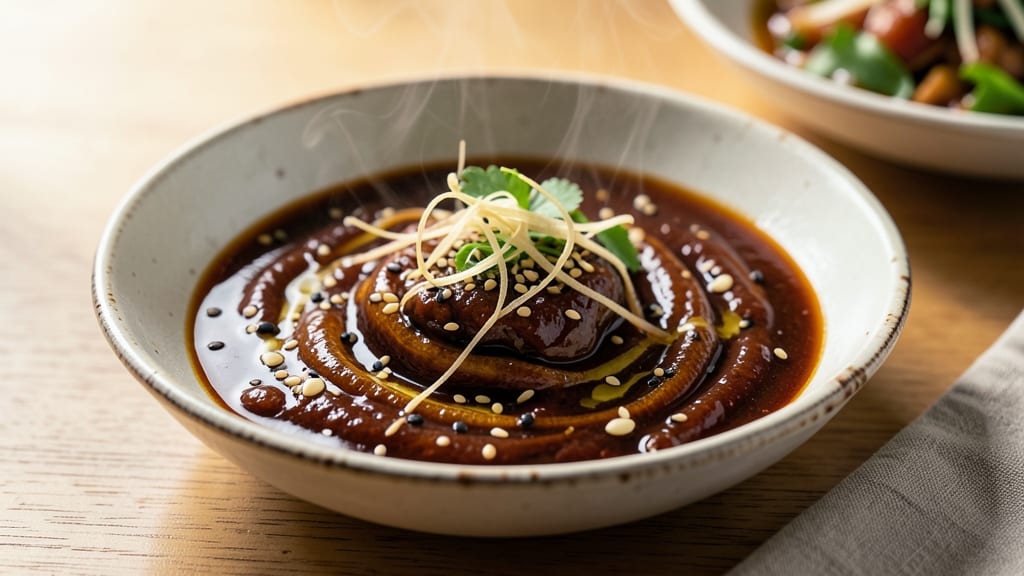
This amazing stir fry sauce recipe transforms ordinary wok nights into flavor-packed feasts with just 10 minutes of prep. The secret lies in balancing sweet, salty, umami, and a touch of heat—creating a glossy sauce that clings to every noodle and bite.
I developed this after years of testing restaurant-style sauces at home, and it never fails to impress, whether you're cooking stir-fries, noodles, or rice bowls.
What makes this sauce extraordinary is its versatility—adjust the spice level to your taste, swap soy sauce for coconut aminos for gluten-free, or add a splash of sesame oil for extra depth.
The ingredients are simple: soy sauce, brown sugar, garlic, ginger, and a splash of rice vinegar for brightness. It's the perfect blend of familiar flavors with a restaurant-quality finish.
The result is a glossy, aromatic sauce that's rich with umami from soy and garlic, balanced by the caramelized sweetness of brown sugar. It coats everything beautifully, turning simple ingredients into a dish that tastes like it came from a wok house.
Best of all, it keeps well in the fridge for up to two weeks, so you can always have that perfect stir-fry sauce on hand.
Use it as a dipping sauce, toss it with fresh or cooked noodles, or drizzle it over steamed rice and veggies. The possibilities are endless, and the flavor is always amazing. Let's make this sauce—the one that'll have everyone asking for seconds.
Ingredients for amazing stir fry sauce
Nine simple ingredients transform into an umami-packed sauce that elevates every wok night.
| Ingredient | Amount | Notes |
|---|---|---|
| Soy Sauce 🥢 | ½ cup | High-quality, preferably Japanese style |
| Brown Sugar 🍯 | ¼ cup | Packed, light or dark variety |
| Garlic Cloves 🧄 | 4 cloves | Freshly minced for maximum flavor |
| Fresh Ginger 🌿 | 1 ½ tbsp | Finely grated, peel on |
| Rice Vinegar 🍶 | 1 tbsp | For brightness and balance |
| Sesame Oil 🫒 | 1 tbsp | Toasted sesame oil for aroma |
| Red Pepper Flakes 🌶️ | ½ tsp | Adjust for heat preference |
| Cornstarch 🌾 | ½ tbsp | For glossy texture |
| Water 💧 | ¼ cup | To adjust consistency |
The soy sauce is the umami backbone—Kikkoman or La Choy are my go-tos, but any good-quality brand works. Brown sugar? Light or dark doesn't matter here—just make sure it's packed in the measuring cup. Fresh garlic and ginger are non-negotiable for that restaurant-quality depth. I always grab ginger from the Asian market—it's fresher and more aromatic. Toasted sesame oil adds that signature wok-house aroma, so don't skip it unless you're avoiding sesame allergies. For the cornstarch, Bob's Red Mill is my favorite—it dissolves smoothly without clumping.
No soy sauce? Coconut aminos works for gluten-free, though the flavor will be slightly different. Short on brown sugar? Maple syrup or agave in a pinch, but the caramelized depth won't be identical. Fresh garlic too pungent? Garlic powder at half the amount gets you close. Want more heat? Double the red pepper flakes or add a dash of sriracha. The cornstarch is key for that glossy finish—if you're out, arrowroot powder works too. And if your sauce is too thick, just add a splash of water or rice vinegar to loosen it up.
This sauce keeps beautifully—2 weeks in the fridge sealed tightly in a jar. The flavors actually deepen over time, so make extra. For leftovers, I portion into small containers so I can grab just what I need. Freezes for 3 months if you want to stock up. Pro tip: If you're using it for dipping, thin it slightly with water before serving—it clings better to noodles that way.
Why You'll Love This Recipe
- Pantry Magic: I swear by this sauce because it uses stuff I already have—no special trips to the store. The brown sugar caramelizes just enough to cut through the sharpness of fresh ginger, and that garlic? Oh, it’s the secret weapon that makes everything taste like it’s been simmering for hours.
- Umami Bomb: Between us, this sauce delivers next-level depth. The soy and vinegar create this perfect balance—salty, tangy, and just sweet enough—while the ginger and garlic add layers that make even the simplest veggies taste like they’ve been slow-cooked. (Yes, even on a Tuesday night.)
- Meal Prep MVP: I make a big batch on Sundays and keep it in the fridge. It’s the base for stir-fries, marinades, or even a quick noodle bowl—no waste, no fuss. Honestly, it’s the only sauce I need for half my weekly meals.
- Budget-Friendly Powerhouse: This recipe costs pennies but tastes like a fancy takeout menu. A little goes a long way, and since it’s mostly pantry staples, I never stress about grocery bills. Plus, the leftovers? They’re just as good the second time around—if there are any.
Step-by-step instructions for umami-packed stir fry sauce
This sauce delivers restaurant-quality flavor with just 10 minutes of active time—let's make it shine!
Mince Aromatics for Maximum Flavor
Start by finely mincing the 4 cloves garlic cloves and grating the 1.5 tablespoons fresh ginger (peel on) using a microplane or fine grater. The finer you get these, the more flavor they'll release into the sauce. I like to press the garlic through a garlic press for even distribution—this prevents any large chunks that might remain uneaten.
Place both in a small bowl and set aside. Fresh ginger and garlic are the flavor anchors of this sauce, so don't skip the zest—it adds bright, citrusy notes that balance the richness. If you're using pre-minced garlic, drain it well to remove any excess liquid that could dilute your sauce later.
Combine Wet Ingredients for Even Distribution
In a medium saucepan, whisk together the 0.5 cup soy sauce, 0.25 cup brown sugar, 1 tablespoon rice vinegar, and 1 tablespoon sesame oil. Bring to a gentle simmer over medium heat—you should see small bubbles forming at the edges but no vigorous boiling yet. This step ensures all ingredients meld together before we add the aromatics.
I always stir clockwise first, then counterclockwise, to prevent any ingredients from sticking to the bottom. The brown sugar will dissolve completely at this stage, creating a smooth base. If you're using light brown sugar, it'll dissolve faster than dark brown sugar, so keep an eye on it to prevent scorching.
Add Aromatics and Simmer Until Fragrant
Add the minced garlic and ginger to the simmering sauce. Stir constantly for 2-3 minutes until the raw aroma disappears and you can smell that beautiful garlic-ginger perfume filling your kitchen. This is where the magic happens—the aromatics soften just enough to release their oils without losing their bright flavor.
Here's the thing—don't walk away. Garlic burns in seconds, and once it does, it turns bitter. You'll know it's ready when the mixture smells like a warm wok house and the garlic is no longer visible as distinct pieces. The sauce should be slightly thickened but still pourable at this stage.
Thicken and Finish with Cornstarch Slurry
In a small bowl, whisk together the 0.5 tablespoons cornstarch and 0.25 cup water until completely dissolved. This is your thickening agent, and it needs to be smooth to prevent lumps in your sauce. Pour the slurry into the saucepan and stir vigorously for 1-2 minutes until the sauce reaches your desired consistency—it should coat the back of a spoon with a glossy sheen.
Taste and adjust seasoning if needed. I like to add the 0.5 teaspoons red pepper flakes now for a subtle heat that lingers. If the sauce is too thick after simmering, add 1 tablespoon water at a time until it reaches that perfect wok sauce consistency—thick enough to cling to noodles or meat but still pourable.
Rest and Use Immediately for Best Results
Remove the sauce from heat and let it sit for 5 minutes while you finish cooking your stir fry. This resting period allows all the flavors to fully meld together. The sauce will thicken slightly more as it cools, so don't worry if it looks perfect right after you take it off the heat.
This sauce is incredibly versatile—use it immediately on chicken, beef, shrimp, or vegetables, or store it in an airtight container in the fridge for up to 1 week. When reheating, add 1 tablespoon water and warm gently over low heat to restore its glossy texture. The secret to amazing stir fry sauce is in the balance of sweet, salty, umami, and a touch of heat—now you've got it!
Pro Tips For Making Amazing Stir Fry Sauce
- Mince That Ginger Fine: I learned this the hard way—chunky ginger just sits there like a stubborn guest. Use a microplane or the smallest blade of your food processor to turn it into a paste. It dissolves completely into the sauce, giving you that warm, aromatic depth without any texture surprises.
- Bloom the Garlic First: Don’t just toss minced garlic into the sauce—give it a quick head start. Heat a dry pan over medium-low for 30 seconds, add the garlic, and let it sizzle until fragrant (about 30 seconds). This stops it from turning bitter and makes the whole sauce sing.
- Dissolve the Sugar Slowly: Brown sugar loves to clump, and if you dump it in all at once, you’ll end up with grainy bits in your sauce. Instead, mix it with a splash of warm water or vinegar first, then stir it into the simmering sauce. Smooth every time.
- Taste Before the Vinegar: Rice vinegar is the flavor balancer, but if you add it too early, you might overdo it. Simmer the soy, sugar, and aromatics until they’re cohesive, then taste—you’ll know exactly how much vinegar the sauce needs. Adjust in ½-teaspoon increments.
Regional styles of this amazing stir fry sauce
Chinese Wok House Style
This sauce mirrors the classic Chinese wok sauce you'd find in dim sum restaurants, where the balance of soy sauce and brown sugar creates that signature sweet-salty umami profile. The key difference is the addition of toasted sesame oil, which gives it that authentic wok-house aroma.
In China, this sauce is often called ya cai jiang (芽菜酱), and it's used for everything from dumplings to stir-fried greens. 🥢
For extra authenticity, add 1 teaspoon oyster sauce (like Lee Kum Kee) to deepen the umami. I also like to finish with a sprinkle of toasted sesame seeds right before serving—it adds texture and visual appeal. This version works perfectly with lo mein noodles or chop suey-style veggies.
Japanese Teriyaki Twist
The Japanese take on stir-fry sauce leans into mirin and sake for a sweeter, glossier finish. Swap the rice vinegar for 1 tablespoon mirin and add ½ tablespoon dry sake to the simmering base.
This creates a sauce perfect for teriyaki chicken or salmon. I recommend Kikkoman teriyaki sauce as a shortcut if you're short on time—just reduce it with a splash of water to thicken.
For a true teriyaki experience, brush the sauce onto grilled fish or beef before cooking, then finish with a drizzle after. The Japanese version also often includes a touch of grated daikon radish for freshness—add 1 tablespoon to the finished sauce if you want that extra crunch.
Thai Peanut Fusion
Bring bold Thai flavors into your stir-fry by blending 2 tablespoons creamy peanut butter and 1 tablespoon fish sauce into the finished sauce. This creates a nutty, savory-sweet profile that pairs beautifully with Thai basil and cashews.
For heat, add 1 teaspoon sambal oelek instead of red pepper flakes. This fusion works amazingly with pad thai noodles or grilled tofu.
Garnish with crushed peanuts and Thai basil leaves for an authentic touch. The peanut butter adds richness, while the fish sauce brings that signature umami punch. Serve with steamed jasmine rice for a complete meal that feels like a trip to Bangkok. 🌶️
Korean Gochujang Version
For a Korean-inspired kick, stir in 1 tablespoon gochujang (Korean red pepper paste) at the end of cooking. This adds a deep, fermented heat that's less spicy than you'd expect but incredibly complex.
Pair it with bulgogi beef or spicy pork belly for a restaurant-quality dish. I like to add 1 teaspoon honey to balance the fermented heat of the gochujang.
The gochujang also adds a natural thickness, so you might need to reduce the cornstarch to ¼ teaspoon to avoid over-thickening. Finish with a sprinkle of toasted sesame seeds and serve with steamed rice and kimchi for a full Korean meal experience.
Vietnamese Nuoc Cham Adaptation
Transform this sauce into a Vietnamese-inspired dipping sauce by reducing the brown sugar to 1 tablespoon and adding 1 tablespoon fish sauce and 1 tablespoon lime juice.
This creates a tangy, salty-sweet sauce perfect for spring rolls or grilled shrimp. The lime juice adds brightness that cuts through the richness of fried foods.
For extra authenticity, top with fresh cilantro, mint leaves, and sliced shallots. This version is lighter than the original but equally versatile—use it as a dipping sauce or toss it with rice noodles for a quick pho-inspired bowl.
Nutrition facts
Frequently asked questions
Can I make this sauce without cornstarch?
Yes! If you're avoiding cornstarch, use ¼ cup arrowroot powder or 1 tablespoon xanthan gum mixed with ¼ cup water instead. For a corn-free option, simmer the sauce longer (about 5-7 minutes) to reduce it naturally until it thickens to your desired consistency. The sauce will be slightly less glossy but still delicious.
How do I adjust the spice level?
Start with the ½ teaspoon red pepper flakes as written for mild heat. For medium heat, double it to 1 teaspoon. For spicy kick, add 1 teaspoon sriracha or 1 tablespoon chili garlic sauce at the end. If you love heat, try ½ teaspoon cayenne pepper or a dash of gochugaru (Korean chili flakes).
Can I use this sauce on raw proteins like shrimp?
This sauce works beautifully as a marinade for shrimp, chicken, or beef. For best results, marinate proteins for 15-30 minutes before cooking, then finish with a fresh drizzle after cooking. For shrimp, toss them in the sauce and let sit for 10 minutes before cooking to prevent overcooking from the acidity.
Why did my sauce turn out too thick?
This usually happens if you simmered too long or didn't add enough water. Thin it with 1 teaspoon water at a time while stirring constantly. If it's still too thick, add 1 teaspoon rice vinegar to help break it down. For next time, reduce the cornstarch by ¼ teaspoon or add 1 extra tablespoon water to the slurry.
What's the best way to store leftovers?
Store in an airtight container in the fridge for up to 2 weeks. For freezing, portion into ice cube trays, freeze, then transfer to a bag. Thaw overnight in the fridge. When reheating, add 1 tablespoon water and warm gently over low heat. The sauce thickens as it cools, so thin with water if needed before using.