
Sauces & Condiments
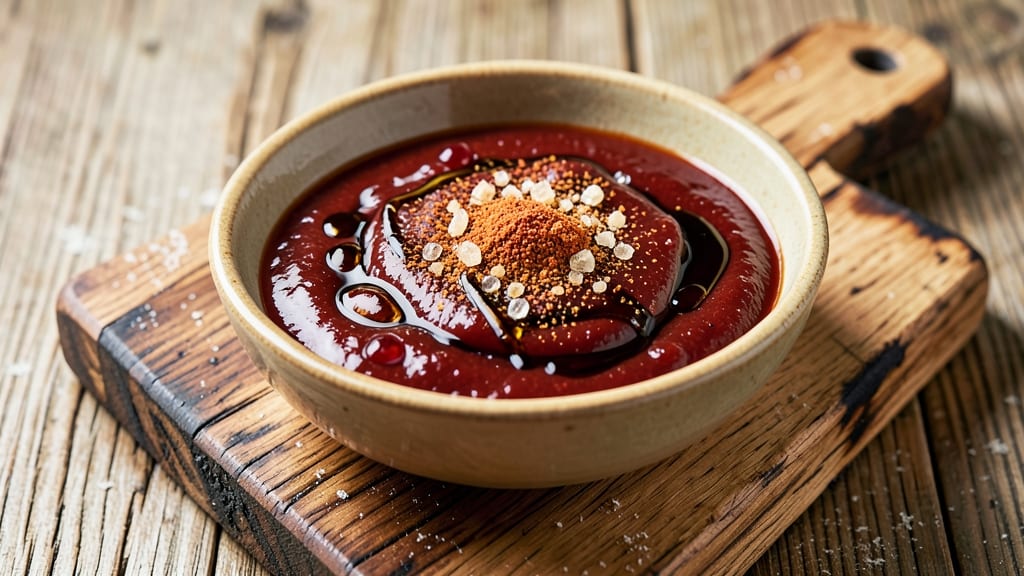
This barbecue basting sauce recipe transforms grilling into a flavor experience—where every brush creates a caramelized crust that locks in juices and amplifies smoky depth. The secret lies in balancing sweet molasses, tangy vinegar, and rich tomato paste, creating a sauce that's both versatile and irresistible.
I developed this after years of experimenting with commercial sauces that never quite delivered the perfect harmony of flavors.
What sets this sauce apart is its ability to enhance any protein while maintaining a perfect consistency—thick enough to cling but light enough to brush effortlessly. The blend of spices and a touch of Worcestershire sauce adds layers of complexity that elevate even the simplest grill.
Unlike store-bought versions, this recipe delivers a sauce that improves with each use, developing richer flavors over time.
The result is a glaze that caramelizes beautifully as you brush it onto meats, creating a sticky, flavorful crust that's impossible to resist. It works equally well on ribs, chicken, or even vegetables, making it a must-have for any grilling session.
Once you try this, you'll never go back to bottled sauces again.
Best of all, it keeps well in the refrigerator for up to two weeks, allowing you to make a big batch and have it ready for your next cookout.
The instructions include tips for reheating and adjusting consistency, so you can customize it to your exact preference. Let's get started on this game-changing sauce!
Ingredients for barbecue basting sauce
Ten ingredients that transform grilling into a flavor masterpiece—where every brush creates magic.
| Ingredient | Amount | Notes |
|---|---|---|
| Tomato Paste 🍅 | ½ cup | High-quality, unsweetened preferred |
| Blackstrap Molasses 🍯 | ¼ cup | For deep, smoky sweetness |
| Apple Cider Vinegar 🍏 | ¼ cup | For tangy brightness |
| Worcestershire Sauce 🍶 | 2 tbsp | For umami depth |
| Brown Sugar 🍚 | ¼ cup | Light or dark works |
| Smoked Paprika 🌶️ | 1 tbsp | For authentic smoky flavor |
| Garlic Powder 🧄 | 1 tbsp | Freshly ground preferred |
| Onion Powder 🧅 | 1 tbsp | For aromatic base |
| Ground Black Pepper 🌶️ | ½ tsp | Freshly cracked for heat |
| Kosher Salt 🧂 | 1 tsp | Diamond Crystal preferred |
The molasses is non-negotiable—it's the soul of this sauce. Goya or Whittard of Chelsea brands deliver that deep, smoky richness, but any quality blackstrap will work. For the tomato paste, Mueller's or Barilla are my go-tos—they're unsweetened and pack serious flavor. The vinegar? Bragg apple cider vinegar has that perfect balance of tang, but any organic brand works. Pro tip: Toast the spices (paprika, onion powder, garlic powder) in a dry pan for 30 seconds before adding—they'll sing with flavor. I always double-check the Worcestershire sauce label for anchovies if you're avoiding them, though traditional versions are fine here.
No molasses? Dark corn syrup at half the amount gets you close, but you'll lose that deep caramelized depth. Short on tomato paste? Crushed tomatoes at 1:1 ratio work in a pinch, but reduce them first. The brown sugar can be swapped for maple syrup if you're avoiding refined sugar—just reduce the molasses slightly. For extra heat, add a dash of cayenne or a pinch of crushed red pepper flakes. And if you're grilling vegetables, bump the garlic powder to 2 tbsp—it makes the charred flavors pop even more. The Worcestershire sauce is the secret weapon here; don't skip it unless you're strictly vegan.
This sauce improves with age—make a big batch and store it in a glass jar in the fridge for up to 2 weeks. For longer storage, freeze it in ice cube trays—perfect for thawing just what you need. Reheat gently on the stove, stirring constantly, or microwave in 20-second bursts until warmed through. The consistency will thicken as it cools, so thin with a splash of water or vinegar if needed. Trust me, the first time you brush this on ribs or chicken and see that caramelized crust form, you'll be hooked—it's worth making ahead.
Why You'll Love This Recipe
- Pantry Magic: Just five ingredients—no fancy shopping required. I keep this combo in my cabinet year-round because it’s the secret to turning dry meat into sticky, caramelized perfection without extra trips to the store.
- Deep Umami Crunch: That molasses and Worcestershire? They’re the flavor bombs. The vinegar cuts through the sweetness while the tomato paste gives it this smoky-sweet depth that clings to ribs or chicken like a second skin.
- Game for Any Grill: Slather it on brisket for Sunday supper, toss it with grilled veggies for a weeknight dinner, or even drizzle it over baked beans. It’s my go-to for anything that needs that just-cooked restaurant vibe at home.
- Leftover Goldmine: Make a double batch—it keeps for weeks in the fridge. I use the first jar for ribs, then the second for pork chops or even as a marinade. Honestly, I’m always glad I made extra.
Step-by-step instructions for smoky-sweet barbecue basting sauce
This sauce delivers deep, complex flavor that clings to every surface of your meat—let's build it layer by layer.
Bloom the Spices in a Heavy Saucepan
Place a heavy saucepan over medium heat and add the 0.5 cup tomato paste. Let it warm for 2 minutes while you prepare the remaining ingredients. This step develops the sauce's foundation—don't rush it, or you'll miss the deep caramelized flavor that forms at the bottom of the pan.
Once the tomato paste begins to bubble gently, sprinkle in the 1 tbsp smoked paprika, 1 tbsp garlic powder, 1 tbsp onion powder, 1 tsp kosher salt, and 0.5 tsp ground black pepper. Stir constantly for 1-2 minutes until the spices are fragrant and the mixture becomes slightly darker in color. You'll smell that smoky, aromatic depth right away—this is where the sauce's character begins to emerge. Let the spices bloom fully before adding any liquids, or they'll cook unevenly and create bitter notes.
Combine Wet Ingredients and Simmer
Pour in the 0.25 cup apple cider vinegar and 2 tbsp Worcestershire sauce, stirring vigorously to deglaze the pan and lift up all those flavorful browned bits. The mixture will bubble vigorously—this is normal, but don't walk away. Let it simmer for 3-4 minutes until the liquid reduces by about half and thickens slightly. You want to cook off some of the acidity from the vinegar to balance the sweetness we're about to add.
Now add the 0.25 cup brown sugar and 0.25 cup blackstrap molasses, stirring constantly. The molasses will darken the sauce immediately—this is where the deep, smoky sweetness develops. Let the mixture simmer for another 5-6 minutes, stirring occasionally, until it reaches a thick, syrupy consistency. The sauce should coat the back of a spoon and leave a slight sheen when drizzled. If it thickens too quickly, add 1-2 tablespoons of water to maintain the right texture for basting.
Strain and Test for Perfection
Remove the sauce from heat and let it cool for 5 minutes. Then, pour it through a fine-mesh strainer into a clean bowl or jar, pressing gently on the solids with a spoon to extract every last drop of flavor. This step ensures a silky-smooth sauce without any grainy texture. Taste it now—it should be a perfect balance of sweet, smoky, tangy, and umami flavors, with just a hint of heat from the black pepper.
If you find it needs more depth, add another ½ teaspoon of Worcestershire sauce or a pinch of salt. For extra smokiness, you could even add a ¼ teaspoon of liquid smoke (though I prefer to let the smoked paprika shine). The sauce should be thick enough to cling to meat but still flow freely when brushed on. Let it cool completely before storing—this allows the flavors to meld even further, resulting in a sauce that's even more complex and delicious.
Store and Use for Maximum Flavor
Transfer the cooled sauce to an airtight container and store it in the refrigerator for up to 2 weeks or in the freezer for up to 6 months. The flavors actually improve over time, developing even more depth as the ingredients marry together. When you're ready to use it, give it a good stir—it may thicken slightly when refrigerated, so you can thin it with a splash of water or apple cider vinegar if needed.
For best results, use this sauce as a basting glaze during the last 30-45 minutes of cooking your meat. The high heat will caramelize the sugars and create that beautiful, glossy bark while locking in all those smoky, sweet flavors. Brush it on generously, letting it drip and sizzle against the hot surface—this is where the magic happens, transforming your barbecue into something truly extraordinary.
Pro Tips For Making Barbecue Basting Sauce
- Simmer Slow and Low: This sauce isn’t a race—keep it at a gentle boil for at least 15 minutes. I used to crank the heat and end up with a gloppy mess; now I let it bubble quietly and get that thick, glossy finish every time.
- Whisk the Molasses: Blackstrap molasses is thick—don’t just dump it in. Whisk it into the warm sauce first to break up clumps, or you’ll end up with gritty bits. (Yes, even if you’re impatient like me.)
- Balance the Vinegar: Apple cider vinegar cuts through sweetness, but too much makes the sauce taste harsh. Start with 1 tablespoon, taste, then add more sparingly. I learned this the hard way after overdoing it on ribs.
- Sweeten Gradually: Brown sugar burns fast—add it last, then simmer for just 2-3 minutes. Stir constantly, or you’ll end up with a bitter, caramelized disaster. (Your future self will thank you.)
Common mistakes when making this dish
Over-Sweetening the Sauce
One of the biggest mistakes is going heavy on the sugar—especially when using both brown sugar and molasses. The molasses alone provides deep sweetness, so I often reduce the brown sugar to 2 tbsp instead of the full ¼ cup if I want to keep things balanced.
Taste as you go! The sauce should complement the meat, not overpower it. If it tastes like a candy glaze, add a splash of apple cider vinegar (just 1 tsp) to cut through the sweetness. 🌶️
Skipping the Spice Bloom
Rushing the spice bloom step is a game-changer for flavor. Those 1-2 minutes of dry toasting the spices in the tomato paste let them release their oils and aromas fully. If you add liquids too soon, you’ll end up with bitter, underdeveloped flavors.
I’ve seen people skip this step entirely—don’t make that mistake! The smoky depth from the smoked paprika and the warmth from the garlic powder need time to meld. Pro tip: Use a heavy-bottomed saucepan to prevent scorching.
Ignoring Consistency Checks
The perfect basting sauce should coat the back of a spoon but still flow freely when brushed. If it’s too thick, it’ll clog your brush; if too thin, it’ll pool on the grill instead of sticking to the meat.
I’ve had sauces thicken too much because I didn’t adjust while simmering. If it starts looking like syrup, add 1 tbsp water or vinegar to loosen it up. Conversely, if it’s too runny, simmer uncovered for another 2-3 minutes to reduce.
Test it on a small piece of meat—if it drips off, it’s too thin.
Using Low-Quality Ingredients
Not all molasses or tomato paste is created equal. Cheap molasses can taste bitter or overly sulfurous, while low-quality tomato paste lacks depth. I always reach for Goya blackstrap molasses and Mueller’s tomato paste—they’re worth the investment.
The same goes for vinegar: Bragg apple cider vinegar has a cleaner, brighter tang than generic brands. Skimping here means your sauce will taste flat or one-dimensional. Trust me, your taste buds will notice the difference.
Basting Too Early or Too Late
Applying this sauce at the wrong stage ruins all the hard work. If you baste too early, the sugars will burn before the meat is cooked through, creating a bitter, charred mess. If you wait too long, the meat might dry out.
The sweet spot? The last 30-45 minutes of cooking, when the meat is close to your target temperature. Brush it on generously, then let it sit for 5-10 minutes before basting again—this gives the sugars time to caramelize without scorching.
Not Straining the Sauce
Straining might seem like a small step, but it makes a huge difference in texture. Without it, you’ll end up with tiny specks of spices floating in your sauce, which can feel gritty when brushing onto meat.
I always use a fine-mesh strainer and press gently with a spoon to extract every last bit of flavor. If you’re in a rush, a cheesecloth works even better. The result? A silky-smooth sauce that glides on effortlessly and leaves no residue. 💫
Nutrition facts
Frequently asked questions
Can I make this sauce without molasses?
Yes, but you'll lose that deep, smoky sweetness that makes this sauce special. For a substitute, use 2 tbsp dark corn syrup plus 1 tbsp maple syrup—it won't be identical, but it'll still deliver great flavor. The sauce will taste more caramel-like than molasses-based, so adjust the brown sugar to 1 tbsp instead of ¼ cup to balance the sweetness.
How do I adjust the heat level in this sauce?
For extra heat, add ¼ tsp cayenne pepper or ½ tsp crushed red pepper flakes when blooming the spices. If you prefer mild heat, reduce the black pepper to ¼ tsp and skip the cayenne. The Worcestershire sauce already adds a subtle umami warmth, so go easy with additional spices. Taste as you go—you can always add more, but you can't remove excess heat once it's in!
Can I use this sauce for vegetables instead of meat?
This sauce works beautifully on grilled vegetables like portobello mushrooms, eggplant, or bell peppers. For vegetables, you may want to increase the garlic powder to 2 tbsp to enhance their natural flavors. Brush it on during the last 10-15 minutes of cooking, as vegetables cook faster than meat and need less time for caramelization.
Why did my sauce turn out too thin?
Thin sauce usually happens when you didn't simmer long enough to reduce the liquids. To fix it, return the sauce to medium-low heat and simmer uncovered for 5-10 minutes, stirring occasionally, until it thickens. If it's still too runny, mix 1 tbsp cornstarch with 2 tbsp cold water, stir it into the sauce, and simmer for another 2 minutes. For future batches, taste and adjust consistency during the last 2 minutes of simmering.
How do I prevent burning when basting?
Burning happens when you apply the sauce too early or when the grill is too hot. Wait until the last 30-45 minutes of cooking, when your meat is nearly done. Brush it on, then let it sit for 5-10 minutes before basting again—this gives the sugars time to caramelize safely. If you notice smoke or burning, reduce the grill heat slightly or move the meat to a cooler part of the grill for the final basting.