
Sauces & Condiments
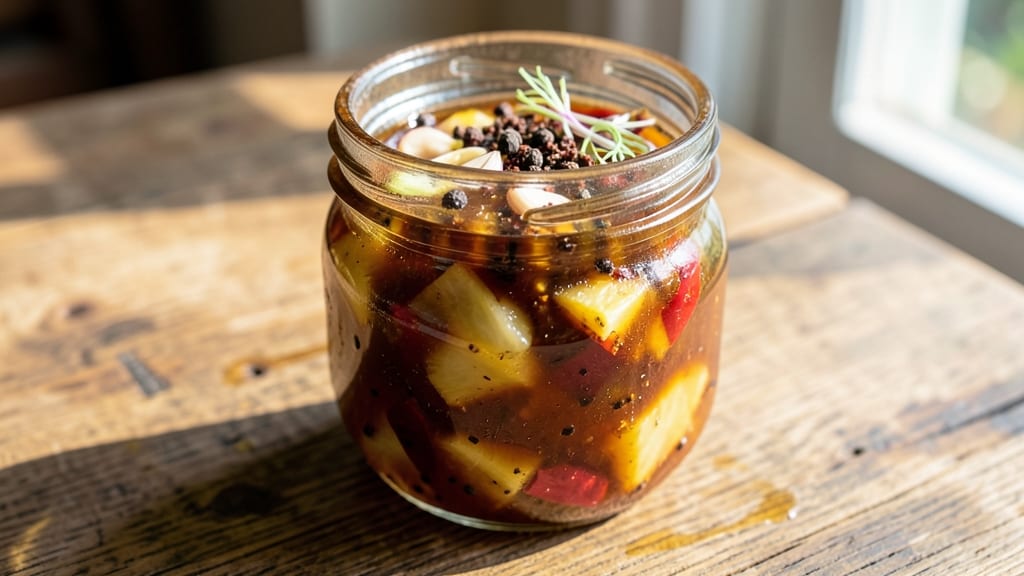
This Barbados hot sauce recipe brings the fiery, fruity punch of the Caribbean straight to your kitchen—where Scotch bonnet peppers and pineapple create a bold, tangy condiment that’s as versatile as it is intense.
The secret lies in balancing heat with sweetness, using traditional vinegar and garlic to deepen the flavor profile while preserving that signature Caribbean kick. Unlike store-bought versions, this recipe delivers a complex, layered heat that builds with every drop.
The process is straightforward but precise: fresh Scotch bonnet peppers (the key to authentic heat) are blended with ripe pineapple, garlic, and a splash of white vinegar, then simmered just enough to meld the flavors without losing their vibrancy.
A quick fermentation step—if you choose to include it—adds depth, though this version keeps it simple for beginners while still delivering restaurant-quality results. The sauce thickens naturally as it cools, creating a glossy, ready-to-use condiment that’s perfect for drizzling, dipping, or marinating.
What you’ll end up with is a scorching yet balanced hot sauce—sweet, tangy, and packed with heat—that elevates everything from grilled meats to fried plantains. The pineapple’s natural acidity cuts through the pepper’s intensity, while the vinegar ensures a clean, bright finish.
Store it in a sterilized jar in the refrigerator for up to 3 months, where the flavors will only deepen over time.
Whether you’re a hot sauce enthusiast or a first-timer, this recipe delivers a foolproof method that respects tradition while making it accessible. The best part? You’ll have a bottle of homemade heat that’s far more vibrant—and far less processed—than anything you’d find on a store shelf. Let’s get started.
Ingredients for barbados hot sauce
Nine ingredients, bold flavors—this Caribbean heat brings the tropics to your table.
| Ingredient | Amount | Notes |
|---|---|---|
| Scotch Bonnet Peppers 🌶️ | 4 whole | Seeds removed for milder heat |
| Fresh Pineapple 🍍 | 1 cup | Chopped, ripe and juicy |
| White Vinegar 💧 | ½ cup | Distilled for clean acidity |
| Garlic Cloves 🧄 | 4 cloves | Peeled and lightly crushed |
| Fresh Ginger 🌿 | 1 tbsp | Grated, for depth of flavor |
| Allspice Berries 🌶️ | ½ tsp | Crushed, for Caribbean warmth |
| Salt 🧂 | 1 tsp | Kosher or sea salt preferred |
| Brown Sugar 🍚 | 1 tbsp | For subtle sweetness balance |
| Water 💧 | ¼ cup | For thinning consistency |
| Extra-Virgin Olive Oil 🫒 | 1 tbsp | For glossy finish |
Scotch bonnet peppers are the heart of this sauce—fresh is non-negotiable. Look for vibrant red or yellow peppers at Latin markets or specialty grocers like Whole Foods or Trader Joe's. If you can't find them, habanero peppers work in a pinch, but reduce the amount to half for similar heat. Ripe pineapple is key too—overripe with juicy flesh gives the best balance of sweetness and acidity. For the allspice, Penzeys or bulk spice bins offer the freshest berries, but ground allspice in a pinch works too.
No Scotch bonnet? Habanero or Thai bird's eye peppers bring similar heat, though you'll need less—start with 2 peppers and adjust to taste. Fresh ginger can be swapped for 1/2 teaspoon ground ginger, but fresh has more punch. The brown sugar adds subtle balance—white sugar works too, but the molasses notes in brown deepen the Caribbean profile. For a smoother sauce, strain out the allspice berries after simmering. If you want extra depth, a 1/4 cup pineapple juice reduction before blending intensifies the flavor.
This sauce thickens as it cools—stir in extra olive oil if it's too thick for your taste. Store in a sterilized glass jar in the fridge, where it'll keep for 3 months. The flavors actually improve over time, so make a big batch. For gifting, transfer to smaller jars—label clearly with the heat level (medium-hot) and date. Freeze for up to 6 months if you won't use it all.
Why You'll Love This Recipe
- No Burn, All Flavor: I’ll be real—Scotch Bonnets pack serious heat, but this sauce balances it so well. The pineapple’s sweetness cools the fire while the ginger and garlic add this deep, funky backbone that makes it taste like a Caribbean vacation in every drop.
- Pantry Magic: Honestly, you’re probably already halfway there. Vinegar, garlic, and ginger? Basic staples. The only thing you might need to track down is that Scotch Bonnet, and even then, one pepper stretches this recipe for months—I’ve got jars from last summer still kicking.
- Weeknight Wingman: This sauce turns anything into a showstopper. Drizzle it on grilled chicken for instant dinner-party vibes, toss it with rice for a lunch that feels fancy, or even mix it into marinades. (Yes, even on a Tuesday night.)
- Heat That Lasts: Between us, this sauce improves with time. The flavors meld into something richer, and the heat mellows into this addictive, smoky-sweet punch. I make a big batch, and by the time I’m done using it, I’m already planning the next round—no sad leftovers here.
Step-by-step instructions for Barbados hot sauce
Here's how to craft this fiery Caribbean treasure with perfect balance and depth.
Sterilize and Prepare the Peppers
Begin by washing your hands thoroughly—Scotch bonnet peppers pack serious heat! Cut each of the 4 whole Scotch bonnet peppers in half lengthwise and carefully remove the seeds and membranes using a small spoon. This step reduces the heat while preserving the fruity complexity. Place the pepper halves in a clean glass jar.
Pour the 0.5 cup white vinegar over the peppers in the jar, ensuring they're completely submerged. Seal the jar and let it sit for 10 minutes. This sterilization process prevents mold growth and helps extract the peppers' vibrant flavors. The vinegar will also begin breaking down the pepper's natural oils, which carry the heat and aroma.
Blend the Base Ingredients
In a blender, combine the 1 cup chopped fresh pineapple, 4 peeled and lightly crushed garlic cloves, 1 tablespoon freshly grated ginger, and 0.5 teaspoon crushed allspice berries. Pulse until smooth but still slightly textured—you want to preserve some of the pineapple's natural juices and fiber. This base creates the sauce's sweet-tangy foundation that balances the heat.
Transfer the blended mixture to a small saucepan and add the 1 tablespoon brown sugar. Stir over medium heat for 2 minutes until the sugar dissolves completely. This step enhances the sauce's complexity by caramelizing the natural sugars in the pineapple and ginger. Keep the heat low to prevent burning the delicate spices.
Simmer and Infuse the Sauce
Return the sterilized peppers and their vinegar to the saucepan with the blended mixture. Add the 0.25 cup water and bring to a gentle simmer over medium-low heat. Let it cook uncovered for 15 minutes, stirring occasionally. You'll notice the sauce reduce slightly and develop a rich, aromatic steam—the vinegar's acidity is mellowing while the peppers infuse their signature heat.
After 15 minutes, remove from heat and let the mixture steep for 10 minutes. This resting period allows the flavors to meld completely. The peppers should be tender enough to mash against the side of the pot with a wooden spoon. If they're not yet tender, return the pan to low heat for another 5 minutes.
Strain and Finish
Strain the mixture through a fine-mesh sieve into a clean bowl, pressing gently on the solids to extract all the liquid. Discard the pepper skins and any remaining solids. Return the strained sauce to the clean saucepan and add the 1 tablespoon extra-virgin olive oil. Stir in the 1 teaspoon salt and bring to a gentle simmer again.
Simmer for 5 minutes to reduce the sauce slightly and develop its final consistency. The sauce should coat the back of a spoon but still flow freely. Taste and adjust the seasoning—you may need a touch more salt or sugar to balance the heat. The final product should sing with tropical sweetness, garlicky depth, and a lingering, fiery finish that builds gradually.
Bottle and Rest
Ladle the hot sauce into sterilized glass bottles or jars, leaving about 1/2 inch of headspace at the top. Seal tightly and let cool completely at room temperature. This resting period allows flavors to mature and intensify. For best results, refrigerate the sauce and let it sit for at least 24 hours before using—this gives the heat and flavors time to fully integrate.
Your Barbados hot sauce will keep refrigerated for up to 3 months. The color should be vibrant amber with red flecks, the aroma should be complex with notes of tropical fruit, garlic, and warm spices, and each drop should deliver a perfect balance of sweet, tangy, and fiery flavors that build in intensity. Use it sparingly at first—the heat from Scotch bonnet peppers is no joke!
Pro Tips For Making Barbados Hot Sauce
- CHAR THE PEPPERS RIGHT: Don’t just toss them in—sear whole Scotch Bonnets in a dry pan for 30 seconds per side until they blacken slightly. The caramelized edges add depth, and the smoke mellows the raw heat before they hit the vinegar. (Yes, even if it looks like you’re burning them.)
- PEEL THE GINGER THIN: Skip the thick chunks—grate or julienne ginger so it dissolves completely into the sauce. Thick slices stay stubborn and turn to mush, leaving you with a gritty texture. A microplane works fastest, and you’ll use half the amount.
- STRAIN TWICE FOR SMOOTHNESS: After blending, strain through a fine-mesh sieve, then a cheesecloth. The second strain removes those stubborn fiber bits that sneak through, giving you a silky sauce. (Trust me, your jaw will thank you after the third bite.)
- VINEGAR FIRST, THEN FRUIT: Add the white vinegar to the hot pan before the pineapple—it cooks off faster and cuts the sweetness early. Dump in the fruit last, let it simmer 2 minutes, then blend. This keeps the pineapple from turning to mush while preserving its bright acidity.
Pro cooking tips for this recipe
Peppers First
Always sterilize your Scotch bonnet peppers before blending—this prevents mold and extracts maximum flavor. I soak the halved peppers in 0.5 cup white vinegar for 10 minutes before using them. This step is non-negotiable for safety, especially since these peppers pack 2-3 times the heat of jalapeños. 🌶️
Balance the Heat
The key to great Barbados hot sauce is balancing that fiery pepper heat with sweetness and acidity. Start with 1 cup pineapple and 1 tbsp brown sugar to tame the burn, but taste as you go—some batches need more sweetness than others.
I like to simmer the mixture for 15 minutes to let the flavors meld before straining.
Simmer Low and Slow
Never rush the simmering process—medium-low heat for 15 minutes builds depth without burning the delicate spices. I use a small saucepan to maintain precise temperature control. The sauce should reduce slightly but remain glossy.
If it gets too thick, add 1 tbsp water at a time until you reach the perfect drizzling consistency.
Strain for Smoothness
For a silky-smooth sauce, strain through a fine-mesh sieve after simmering. Press gently on the pepper skins to extract all the flavorful liquid. I find that a nut milk bag works wonders for this step—it catches even the finest particles while letting the sauce flow freely.
Discard the solids completely for the cleanest finish.
Rest Before Using
Patience is key—let your sauce rest for at least 24 hours before using. This resting period allows the flavors to fully develop and the heat to mellow slightly.
I store mine in sterilized glass jars in the fridge, and the longer it sits, the more complex the flavor becomes. Trust the process!
Adjust Heat Levels
Want milder heat? Reduce the pepper quantity to 2 whole Scotch bonnets instead of 4. For extra spice, add 1/2 tsp cayenne powder at the end. I always make a small test batch first to gauge the heat—this sauce is no joke!
The pineapple's natural sweetness helps balance the burn, but start conservative if you're sensitive to heat. 🔥
Nutrition facts
Frequently asked questions
Can I substitute Scotch bonnet peppers if I can't find them?
Yes, but use caution! Habanero peppers work best—start with 2 whole peppers (instead of 4 Scotch bonnets) since they're slightly milder. For even gentler heat, try Thai bird's eye peppers (1-2 peppers) or jalapeños (3-4 peppers), but the flavor will be less authentic. Always remove seeds and membranes to reduce heat.
How do I know when the sauce is ready to bottle?
The sauce is ready when it coats the back of a spoon but still flows freely (about 5 minutes after final simmer). It should be vibrant amber with red flecks, smell aromatic with tropical fruit and spice notes, and taste balanced—sweet, tangy, and fiery. Let it cool completely before bottling to prevent mold growth.
Why does my homemade hot sauce look cloudy or separate?
Cloudiness often means unsterilized equipment or improper storage. Always sterilize jars and utensils by boiling for 10 minutes. For separation, stir gently and let it rest—some natural settling occurs. If mold appears (fuzzy spots), discard immediately. Properly stored sauce in a sealed jar should stay clear and glossy for 3 months.
Can I make this sauce without vinegar?
Vinegar is essential for sterilization and acidity, but you can try lemon juice (1/4 cup) as a substitute—though it lacks the same preservation properties. The sauce will be less tangy and may not keep as long (use within 10 days). For best results, stick with vinegar or apple cider vinegar for that authentic Caribbean kick.
What's the best way to use this hot sauce?
Drizzle over grilled meats, fried plantains, or jerk chicken for instant Caribbean flair! It also elevates tacos, seafood, or even deviled eggs. Start with 1/4 teaspoon per serving—this sauce packs serious heat. For cocktails, add 1/2 teaspoon to mojitos or piña coladas. The pineapple base makes it surprisingly versatile for both savory and sweet dishes.