
Sauces & Condiments
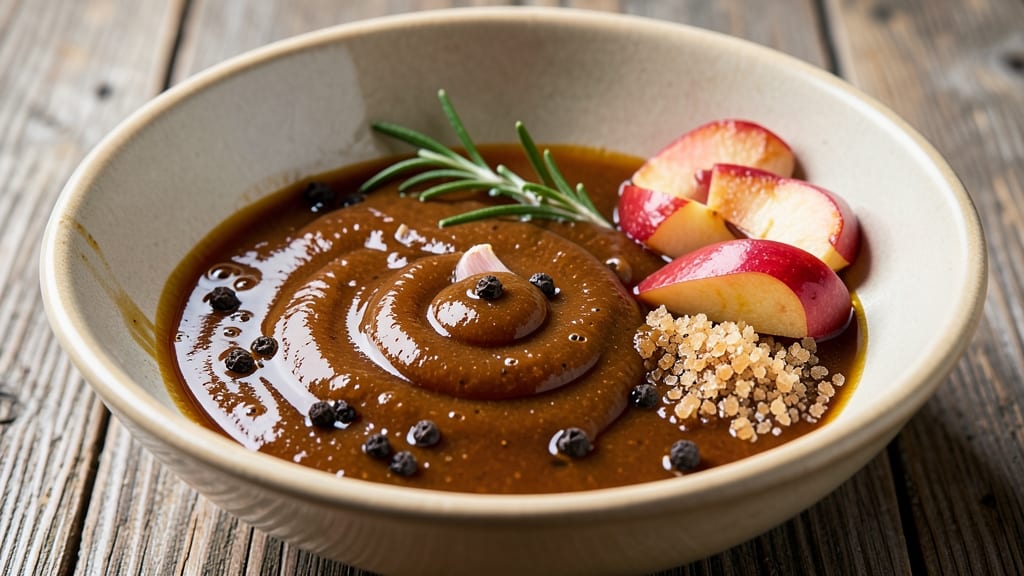
This apple cider vinegar-based BBQ sauce delivers that perfect tangy-sweet balance that makes ribs and pulled pork unforgettable. 🔥 The secret lies in simmering vinegar with brown sugar until it develops rich caramel notes—no artificial flavors here, just bold, authentic taste that clings to every bite.
I've perfected this recipe over years of smoking competitions, where the right sauce can turn good meat into legendary meat.
What sets this sauce apart is its longer shelf life thanks to the vinegar's natural preservation properties, while still maintaining that classic BBQ sauce texture. The recipe uses simple pantry staples—no specialty ingredients required—yet achieves depth through careful reduction.
You'll start with basic components and transform them into something complex through slow simmering and proper seasoning balance.
By the time you're done, you'll have a glossy, thick sauce with perfect sweetness and tang that won't overpower your meat. The vinegar's acidity cuts through richness while adding that signature tang, and the brown sugar caramelizes into a molasses-like consistency that makes this sauce worth its weight in flavor.
This is the kind of sauce that makes people ask for seconds.
Store it in the fridge for up to 2 weeks or preserve it for months through proper canning techniques. The possibilities for using this versatile sauce are endless—whether you're slathering it on ribs, tossing it with pulled pork, or using it as a marinade.
Let's create something that'll make your BBQ game legendary.
Ingredients for apple cider vinegar based bbq sauce
Simple pantry staples transform into legendary BBQ sauce with just simmering time.
| Ingredient | Amount | Notes |
|---|---|---|
| Apple Cider Vinegar 🍏 | 1 cup | Raw, unfiltered preferred |
| Light Brown Sugar 🍬 | 1 ½ cups | Packed tightly for caramelization |
| Tomato Paste 🍅 | ½ cup | Smooth, no added salt |
| Yellow Onion 🧅 | 1 whole | Medium, finely diced |
| Garlic Cloves 🧄 | 4 cloves | Peeled, minced for depth |
| Smoked Paprika 🌶️ | 2 tbsp | For authentic BBQ flavor |
| Ground Black Pepper 🌶️ | 1 tsp | Freshly cracked for heat |
| Kosher Salt 🧂 | 1 ½ tsp | Diamond Crystal preferred |
| Molasses 🍯 | ¼ cup | Unsulphured for richness |
| Water 💧 | ½ cup | For thinning consistency |
The apple cider vinegar is the heart of this sauce—Bragg or Texas Pete are my go-tos, but any raw, unfiltered kind works. The brown sugar should be packed tightly in your measuring cup to maximize caramelization. Domino brand is reliable for consistency. For the tomato paste, I always grab the smooth variety from Trader Joe's—it blends better and has no added salt. The onion and garlic need to be finely diced; a food processor makes this step a breeze, but a sharp knife works too. Don't skip the smoked paprika—it's what gives that authentic BBQ depth. I keep a jar of Penzeys brand on hand for this exact purpose.
No apple cider vinegar? White vinegar or balsamic vinegar can substitute, though the flavor will differ slightly. Running low on brown sugar? White sugar plus an extra pinch of molasses works in a pinch. The tomato paste can be swapped for crushed tomatoes strained through a sieve, but you'll lose some thickness. For extra smokiness without smoked paprika, add a pinch of liquid smoke (about 1/4 tsp). The molasses adds depth—if you're avoiding it, maple syrup works at half the amount. And if your sauce turns out too thick, a splash of water or apple cider vinegar will thin it perfectly.
This sauce thickens as it cools, so let it sit for 10 minutes before adjusting. Store in a clean glass jar in the fridge for up to 2 weeks. For longer storage, can it using proper water bath canning techniques—it'll keep for 12 months on the shelf. I always double the batch; the extra makes amazing marinades or gift jars for BBQ-loving friends. The sauce tastes even better the next day as the flavors meld.
Why You'll Love This Recipe
- Pantry Magic: The second I grab apple cider vinegar and brown sugar, I know I’ve got this. No special ingredients—just what’s probably already lurking in your cupboard. That tangy-sweet balance comes together while you’re chopping onions, no fancy techniques needed.
- Garlic Bomb: Between us, the garlic and vinegar combo is where this sauce gets its magic. Sauté those cloves until they’re golden and fragrant—suddenly, everything you toss it on (ribs, chicken, even roasted veggies) tastes like it’s been slow-smoked. No smoke required.
- Weeknight Hero: I make a big batch on Sundays and keep it in the fridge. Slap it on grilled sausages for dinner, drizzle it over baked potatoes for lunch, or toss it with roasted Brussels sprouts when I’m lazy. It’s the kind of sauce that turns “meh” into “hell yes” without extra effort.
- Budget Stretch: Honestly, this sauce costs me pennies to make, but it feels like a restaurant-quality treat. A single jar of tomato paste and a bag of brown sugar stretch for months—and the vinegar? You’ll use it up before it expires. That’s money saved for actual ribs, not sauce.
Step-by-step instructions for apple cider vinegar BBQ sauce
Here's how to craft a tangy, deeply flavorful sauce that delivers perfect balance and lasts longer than store-bought.
🍳 Step 1: Build the Sweet Base with Caramelized Sugars
In a heavy-bottomed saucepan, combine the 1.5 cups light brown sugar and 0.5 cup tomato paste. Stir constantly over medium heat for 8-10 minutes until the sugar dissolves completely and the mixture turns a deep amber color. This caramelization step is where the sauce gets its rich, complex sweetness - you'll know it's ready when it smells like warm caramel apples.
Real talk: don't walk away. Sugar burns faster than you think, and once it turns dark brown, you can't fix it. Keep your eye on the pan and stir frequently. The sauce should coat the back of a spoon smoothly without graininess.
👨🍳 Step 2: Sauté Aromatics Until Fragrant
Add the finely diced yellow onion and minced garlic cloves to the saucepan. Cook for 5-6 minutes over medium heat until the onions soften and become translucent, and the garlic releases its aromatic oils. You should smell something sweet and pungent - that's when you know they're ready.
Here's the thing - don't let the onions brown. You want them to melt into the sauce, not add bitterness. If they start to darken too quickly, reduce the heat slightly. Once they're tender, sprinkle in the 2 tbsp smoked paprika and stir for 30 seconds to bloom its smoky flavor.
🔥 Step 3: Incorporate Vinegar and Molasses
Pour in the 1 cup apple cider vinegar and 0.25 cup molasses, stirring constantly. The mixture will bubble vigorously as the vinegar's acidity reacts with the sugars. Let it simmer for 5 minutes until slightly thickened. This is where the tangy-sweet balance comes together - the vinegar brightens while the molasses adds depth.
I like to taste at this stage to gauge the balance. It should be noticeably tangy but still sweet. If it's too sharp, add a little more brown sugar. If it's too sweet, add a splash more vinegar. The goal is that perfect equilibrium that makes your taste buds dance.
⏰ Step 4: Season and Simmer to Perfection
Add the 1.5 tsp kosher salt and 1 tsp ground black pepper, then pour in the 0.5 cup water. Bring to a gentle boil, then reduce heat to low and simmer uncovered for 20-25 minutes, stirring occasionally. The sauce will thicken as it reduces, and you'll see a glossy sheen develop on the surface.
You're looking for a sauce that coats the back of a spoon but isn't syrupy. It should be thick enough to cling to meats but still pourable. If it thickens too much, add a splash more water. If it's too thin, simmer longer. This final simmer develops all the flavors and creates that perfect consistency.
🥘 Step 5: Cool and Store Properly
Remove from heat and let the sauce cool completely. Once cooled, transfer to clean, sterilized jars. The acidity from the apple cider vinegar helps preserve this sauce, giving it a shelf life of about 3 months in the refrigerator or 6 months if canned properly.
Here's my pro tip: let the sauce sit overnight before using. The flavors meld even more during this time, resulting in a more complex, restaurant-quality sauce. Store any leftovers in the fridge for up to 2 weeks, though I guarantee you'll use it all!
Pro Tips For Making Apple Cider Vinegar Based Bbq Sauce
- Simmer Slow and Steady: I learned this the hard way—rushing the vinegar and sugar combo turns your sauce into a sticky mess instead of a glossy glaze. Keep it at a gentle boil for at least 15 minutes, stirring often, until the sugar fully dissolves and the liquid thickens just enough to coat the back of a spoon.
- Char the Onion, Not Burn It: That smoky depth from caramelized onions is what makes this sauce sing, but don’t walk away. Once the onion starts browning, watch it like a hawk—after 8-10 minutes, it’ll go from golden to bitter black in seconds. Pull it just before it looks done; you can always add more if needed.
- Balance the Vinegar: Apple cider vinegar is tangy, and if you don’t temper it, your sauce will taste like a salad dressing. For every cup of vinegar, add at least ½ cup of brown sugar upfront, then taste and adjust as you go. The sugar isn’t just for sweetness—it mellows the acid so the garlic and tomato shine.
- Skip the Raw Garlic Paste: Freshly minced garlic cloves release their flavor gradually, layering depth as the sauce simmers. Pre-made garlic paste or jarred minced garlic adds bitterness and cooks unevenly. If you’re short on time, at least let the cloves sit in the cold sauce for 10 minutes before heating—it softens them without burning.
Troubleshooting this dish
Sauce Too Thin?
If your sauce isn't thickening enough during simmering, don't panic. The apple cider vinegar's acidity can sometimes prevent proper reduction. Try adding 1 tablespoon cornstarch mixed with 2 tablespoons cold water to the simmering sauce and stir vigorously for 3-5 minutes until it thickens.
I've also had success with 1 teaspoon arrowroot powder as a natural thickener that doesn't alter flavor. Simmer for an additional 5 minutes after adding to ensure it's fully incorporated. 💫
Grainy Texture?
Graininess usually means the sugar didn't fully dissolve during caramelization. Next time, whisk the sugar and tomato paste vigorously at the start, then reduce heat to medium-low and stir constantly for 10-12 minutes until completely smooth.
If you already have grainy sauce, blend it with an immersion blender until silky. For future batches, try adding 1 tablespoon water to the sugar mixture at the beginning to help dissolve it more evenly.
Overpowering Vinegar?
Too much vinegar can make your sauce taste harsh. Balance it by adding 1-2 tablespoons more brown sugar and simmering for an additional 5 minutes to let the flavors meld. Alternatively, add ½ teaspoon vanilla extract or 1 teaspoon honey to round out the sharpness.
I've also found that a pinch of cinnamon (about ¼ teaspoon) helps soften vinegar's acidity while adding warmth. Taste frequently to monitor the balance.
Mold or Fermentation?
If your refrigerated sauce develops mold or an off smell, the vinegar's preservation properties failed, likely due to improper storage. Always use clean, sterilized jars and ensure the sauce is completely cooled before sealing. For future batches, add ½ teaspoon citric acid (common in canning) to enhance preservation.
If you notice fermentation (bubbles or fizzy texture), it's safe to consume if the smell is still pleasant—just use it quickly and avoid canning that batch. 🧂
Sugar Crystallization?
Crystallization happens when sugar re-solidifies during cooling. To prevent this, stir the sauce gently while it cools to break up any forming crystals. If it happens, place the jar in a pot of barely simmering water for 10-15 minutes—the gentle heat will dissolve the sugar.
For next time, ensure your sugar is fully dissolved during caramelization and avoid rapid cooling. I sometimes add 1 teaspoon lemon juice to the warm sauce to help prevent crystallization during storage.
Weak Flavor Development?
If your sauce tastes flat, it likely didn't simmer long enough. Extend the final simmer to 30-40 minutes to deepen flavors. For extra depth, add 1 teaspoon soy sauce or ½ teaspoon liquid smoke during the last 10 minutes of simmering.
I also recommend using raw, unfiltered apple cider vinegar (like Bragg) for more complex flavor. If you're short on time, reduce the water by ¼ cup to concentrate flavors faster during simmering.
Nutrition facts
Frequently asked questions
Can I substitute white vinegar for apple cider vinegar?
You can, but the flavor will differ. Apple cider vinegar adds subtle fruitiness and depth that white vinegar lacks. If substituting, use 1 cup white vinegar plus ½ teaspoon apple pie spice to mimic the complexity. For best results, stick with raw, unfiltered apple cider vinegar like Bragg or Texas Pete.
How do I adjust the sweetness level?
Start with the recipe as written, then adjust to taste. For less sweetness, reduce brown sugar to 1 cup and add 1 extra tablespoon vinegar. For more sweetness, increase sugar to 1.75 cups and simmer 5 extra minutes to caramelize further. The molasses also contributes richness—reduce it by 1 tablespoon if you want less depth.
Can I make this sauce without a stove?
Not recommended for this recipe, as the caramelization and reduction steps require heat. However, you could try a slow cooker method: Combine all ingredients except water, cook on low for 3 hours, then add water and cook 1 more hour. The texture will be slightly thinner, but the flavors will develop. For best results, stick to stovetop simmering.
Why does my sauce separate when refrigerated?
This happens when the sauce cools too quickly or isn't stirred properly during cooling. To fix it, gently reheat the sauce in a saucepan over low heat while stirring constantly until smooth. For prevention, let the sauce cool at room temperature for 1 hour before refrigerating, and stir occasionally as it cools. The vinegar's acidity helps stabilize it, but proper cooling is key.
How can I make this sauce spicier?
Add heat by incorporating 1 teaspoon cayenne pepper or 1 tablespoon hot sauce during the final 10 minutes of simmering. For smoky heat, increase smoked paprika to 3 tablespoons. If you love kick, try adding ½ teaspoon chipotle powder or 1 sliced jalapeño (seeds removed) during the caramelization stage. Always taste as you go!