
Sauces & Condiments
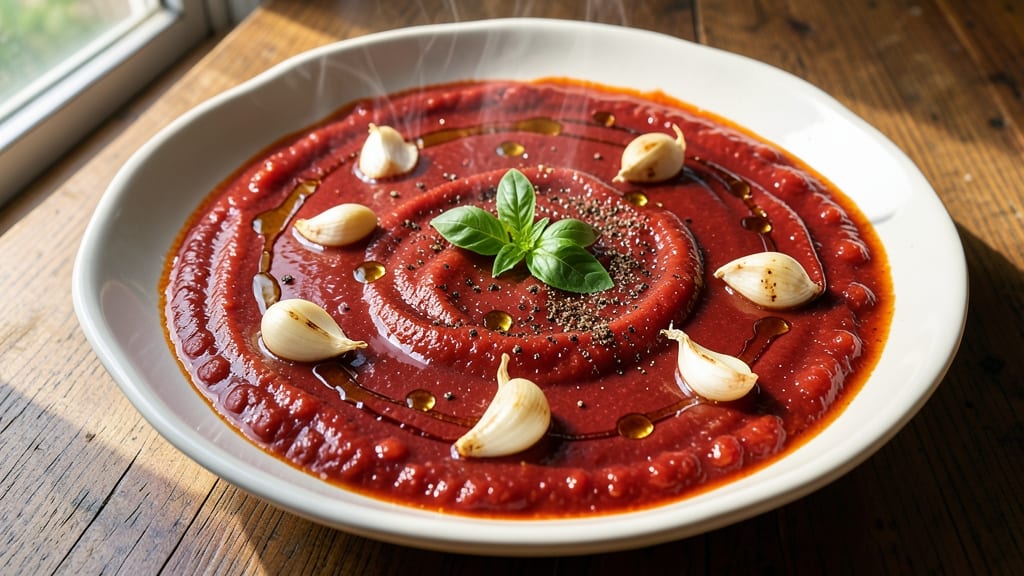
This bar pizza sauce recipe delivers restaurant-quality depth with a slow-simmered technique that transforms ordinary canned tomatoes into a rich, umami-packed sauce perfect for any pie crust. The key lies in balancing sweetness, acidity, and savory notes—no artificial flavors, just concentrated tomato goodness that clings to dough without overwhelming toppings.
I developed this after years of testing bar-style sauces, where thickness and complexity matter most.
The secret weapon is a two-stage reduction that develops layers of flavor while maintaining a spreadable consistency.
Unlike quick sauces that rely on sugar or salt, this version builds depth through tomato paste, garlic, and herbs, creating a sauce that's versatile enough for thin-crust, deep-dish, or even as a marinade. The result?
A sauce that's perfectly balanced—not too sweet, not too acidic, with just enough tang to cut through cheese and meats.
What sets this apart is its bar-style thickness—thick enough to stay put on pizza but still spreadable when thinned with water or broth. It keeps well in the fridge for up to 2 weeks or freezes for 3 months, making it ideal for batch cooking.
Whether you're prepping for game day or stocking your freezer, this sauce delivers professional results without the fuss.
Use it as-is for a bold, concentrated flavor, or thin with water for a more traditional spread. The possibilities are endless—from classic pepperoni pies to gourmet toppings like prosciutto and arugula. Here's how to make it.
Ingredients for bar pizza sauce
Nine simple ingredients transform into a sauce that rivals any bar-style pizza joint.
| Ingredient | Amount | Notes |
|---|---|---|
| San Marzano Crushed Tomatoes 🍅 | 28 oz | High-quality, no salt added |
| Tomato Paste 🍅 | ½ cup | Squeeze tube preferred |
| Garlic Cloves 🧄 | 6 cloves | Freshly minced for depth |
| Extra-Virgin Olive Oil 🫒 | ¼ cup | Peppery variety for richness |
| Red Wine Vinegar 🍷 | 1 tbsp | For balanced acidity |
| Brown Sugar 🍯 | 1 tbsp | Lightly packed |
| Dried Oregano 🍃 | 1 tbsp | Mexican oregano preferred |
| Dried Basil 🌿 | 1 tbsp | Crushed between fingers |
| Salt 🧂 | 1 tsp | Diamond Crystal preferred |
| Black Pepper 🌶️ | ½ tsp | Freshly cracked |
The tomatoes are non-negotiable here. San Marzano is the gold standard—sweeter, less acidic, and packed with flavor. I always grab the 28-oz cans from Trader Joe's or Whole Foods; they crush beautifully and deliver consistent quality. For tomato paste, squeeze tubes save time and waste—no measuring, no mess. The garlic? Freshly minced makes all the difference, but if you're short on time, jarred minced garlic works in a pinch (just add a pinch extra salt). The olive oil should be peppery—California Early Harvest or Colavita are my go-tos for that bright, fruity kick.
No red wine vinegar? Balsamic vinegar at half the amount works, but it'll add a slightly sweeter note. The brown sugar is purely for balance—it rounds out the acidity without making the sauce cloying. Mexican oregano has a deeper, earthier flavor than Italian; if you can't find it, regular dried oregano is fine, but you might want to add an extra pinch. For the basil, crushing the leaves between your fingers releases more oils than just chopping. No fresh herbs? Dried thyme at half the amount adds another layer of complexity. The sauce thickens as it cools, so if it feels too thick right after simmering, just add a splash of water or broth later.
This sauce keeps beautifully—2 weeks in the fridge, 3 months frozen. For freezing, portion into ice cube trays or small jars for easy use later. The flavor actually improves after a few days as the ingredients meld. Double the batch if you're prepping for game day or holiday gatherings—it disappears fast. And if you end up with extra? It's perfect for marinades, braising, or even a quick pasta sauce. Just thin with water or broth if needed for your preferred consistency.
Why You'll Love This Recipe
- No-Fuss Simplicity: I swear by this sauce because it’s three steps—sauté garlic in olive oil, stir in paste, then dump in tomatoes and vinegar. No peeling cans, no straining seeds, just done. Even my college-dorm self could’ve pulled it off.
- Umami Bomb: That little splash of red wine vinegar? It cuts through the sweetness of the San Marzano tomatoes and makes the garlic sing—bright, tangy, and just a little funky. It’s the kind of flavor that sticks with you, like a good song on repeat.
- Weeknight Workhorse: Use it on pizza night, toss it with pasta, or slather it on grilled cheese. I’ve even used it as a marinade for chicken. The tomato paste gives it body, so it doesn’t water down—perfect for whatever you’re craving.
- Budget Magic: A single jar of San Marzano tomatoes and a tube of paste stretch across four batches of sauce. Freeze extras in ice cube trays for later—no waste, all flavor. My wallet and my taste buds thank me.
Step-by-step instructions for slow-simmered umami pizza sauce
Here's how to build a sauce with deep flavor and perfect texture for your pie.
Bloom the Aromatics in Olive Oil
Heat the 0.25 cup extra-virgin olive oil in a medium saucepan over medium-low heat. Add the 6 cloves freshly minced garlic cloves and let them cook gently for 2-3 minutes until fragrant but not browned. This step develops the foundation of your sauce—garlic should smell inviting but never bitter.
I like to stir occasionally with a wooden spoon, making sure the garlic releases its oils without burning. If you see any pieces starting to color, immediately reduce heat to low or remove the pan from heat for 30 seconds to prevent bitterness. The oil should shimmer gently, indicating it's ready for the next ingredient.
Add Tomato Paste and Cook Until Deepened
Increase heat to medium and stir in the 0.5 cup tomato paste, spreading it evenly across the bottom of the pan. Cook for 3-4 minutes, stirring constantly, until the paste darkens to a rich mahogany color. This caramelization step creates complex flavors that elevate the entire sauce.
Don't rush this process—the paste needs time to develop its deep, concentrated flavor. You'll know it's ready when it looks almost like melted chocolate rather than raw tomato paste. If it sticks to the bottom, add 1 tablespoon water to help it release, but keep stirring to prevent burning.
Combine Tomatoes and Simmer for Depth
Pour in the 28 oz San Marzano crushed tomatoes, scraping up any browned bits from the bottom of the pan. Add the 1 tbsp red wine vinegar, 1 tbsp brown sugar, 1 tbsp dried oregano, and 1 tbsp dried basil. Stir well to combine, then increase heat to medium-high and bring to a gentle boil.
Once boiling, reduce heat to low and let the sauce simmer uncovered for 30-40 minutes. You're looking for a thick, syrupy consistency that coats the back of a spoon. Stir occasionally to prevent skin formation, and taste after 20 minutes—this is when the flavors start to meld beautifully.
Season and Refine the Sauce
After simmering, stir in the 1 tsp salt and 0.5 tsp black pepper. Taste and adjust seasoning—you might need a touch more salt or vinegar to balance the sweetness from the brown sugar. The sauce should be rich, slightly sweet, and tangy with bright acidity.
For the perfect texture, let the sauce cool slightly (about 10 minutes) before blending it with an immersion blender until smooth. If you prefer some texture, skip blending and simply stir vigorously. The sauce should be thick enough to cling to a spoon but still spread easily on pizza dough.
Rest and Use for Maximum Flavor
Transfer the sauce to a clean jar or container and let it rest at room temperature for at least 1 hour before using. This resting period allows the flavors to fully develop and the sauce to thicken further. When ready to use, reheat gently over low heat for 5-10 minutes, stirring occasionally, until warmed through.
The sauce should be vibrant red with a glossy sheen—this indicates proper acidity and oil emulsion. Spread it generously on your pizza crust before adding toppings, and you'll get that perfect balance of sweet, tangy, and umami richness that makes a great pizza sauce unforgettable.
Pro Tips For Making Bar Pizza Sauce
- Bloom the Garlic First: Heat the olive oil until shimmering—just until garlic sizzles but doesn’t brown. I learned this the hard way: rushing it turns the sauce bitter. Let those cloves cook low and slow for 2-3 minutes, stirring often, until they’re fragrant but still pale. That’s when the flavor actually releases.
- Deglaze with Vinegar: After browning the tomato paste (yes, do that first), splash in the red wine vinegar and let it bubble for 30 seconds. It cuts through the richness and brightens the whole sauce. Skip this, and you’ll end up with a heavy, one-note tomato flavor—trust me, it’s worth the 30-second wait.
- Crush the Tomatoes by Hand: Ditch the can opener’s rough edges—use your fingers to break up the San Marzano tomatoes into rough chunks. It keeps the sauce chunkier and prevents a mushy texture. (And no, a blender isn’t cheating—just don’t overdo it.)
- Simmer Low and Long: Reduce heat to a bare simmer after adding the tomatoes and let it cook uncovered for at least 45 minutes. The sauce thickens and deepens as moisture evaporates—rushing it leaves you with a watery, underdeveloped mess. Set a timer and walk away; this isn’t the step to hover over.
Serving suggestions for this bar pizza sauce
Pizza Pairings
This sauce shines on thin-crust Neapolitan-style pizza where its concentrated flavor penetrates every bite. For a New York slice, thin it slightly with water to achieve that classic saucy balance.
I love using it on white pizza too—just reduce the amount by half and mix with a dollop of ricotta for a creamy contrast. 🍕
Cheese Combinations
Pair with sharp cheddar for a tangy kick or fresh mozzarella for a classic melty texture. For gourmet pizzas, try buratta or fontina—both complement the sauce's umami depth beautifully.
Avoid pre-shredded cheese; freshly grated melts better and tastes fresher. A sprinkle of Parmigiano-Reggiano at the end adds a nutty finish.
Topping Ideas
For meat lovers, try spicy soppressata or crispy pancetta—both enhance the sauce's richness. Vegetarians will adore roasted eggplant and caramelized onions with a drizzle of balsamic glaze. I also recommend charred zucchini or grilled mushrooms for an earthy contrast. 🌿
Side Dish Pairings
Serve with garlic knots or fresh mozzarella salad to cleanse the palate between bites. A simple arugula salad with lemon vinaigrette balances the sauce's boldness. For a heartier meal, pair with creamy polenta or crispy Brussels sprouts. The sauce's depth makes it versatile for any pizza night spread.
Drink Recommendations
A crisp Italian lager like Peroni or Moretti cuts through the sauce's richness perfectly. For wine lovers, a Chianti or Pinot Noir complements the tomato and garlic notes beautifully.
Sparkling water with a squeeze of lemon is my go-to for a refreshing contrast. Avoid heavy beers or sweet wines—they'll overpower the sauce's bright acidity. 🍷
Nutrition facts
Frequently asked questions
Why does this sauce taste different from store-bought pizza sauce?
This recipe uses a slow-simmered technique and high-quality ingredients like San Marzano tomatoes and fresh garlic to develop deep, complex flavors. Store-bought sauces often rely on sugar, salt, and artificial flavors to mask lower-quality ingredients. The two-stage reduction and balanced acidity create a more refined taste perfect for bar-style pizza.
Can I make this sauce without tomato paste?
Yes, but the sauce will be thinner and less concentrated. Replace the 0.5 cup tomato paste with an extra 8 oz crushed tomatoes and simmer for 5-10 extra minutes to thicken naturally. The flavor will still be good, but you'll lose that rich, umami depth from the caramelized paste.
How do I adjust the thickness for different pizza styles?
For thin-crust pizza, use the sauce as-is—it's already concentrated. For New York-style slices, thin with 1-2 tablespoons water or broth per 1 cup sauce until it reaches a pourable consistency. For deep-dish, spread a thin layer first, then add toppings and a second layer on top.
What if my sauce tastes too acidic or sweet?
If it's too acidic, add 1 tsp brown sugar and simmer for 5 minutes to balance. If it's too sweet, stir in 1 tsp red wine vinegar or lemon juice and taste again. The sauce should have a bright tang with just a hint of sweetness—not cloying. Adjust gradually to avoid overpowering the flavor.
Can I use this sauce for other dishes besides pizza?
This sauce works perfectly as a pasta sauce (thin with broth), braising liquid for meats, or even a marinade for chicken or shrimp. The concentrated flavor adds depth to soups, stews, or even as a dipping sauce for garlic bread. Just adjust the thickness as needed for your dish.