
Sauces & Condiments
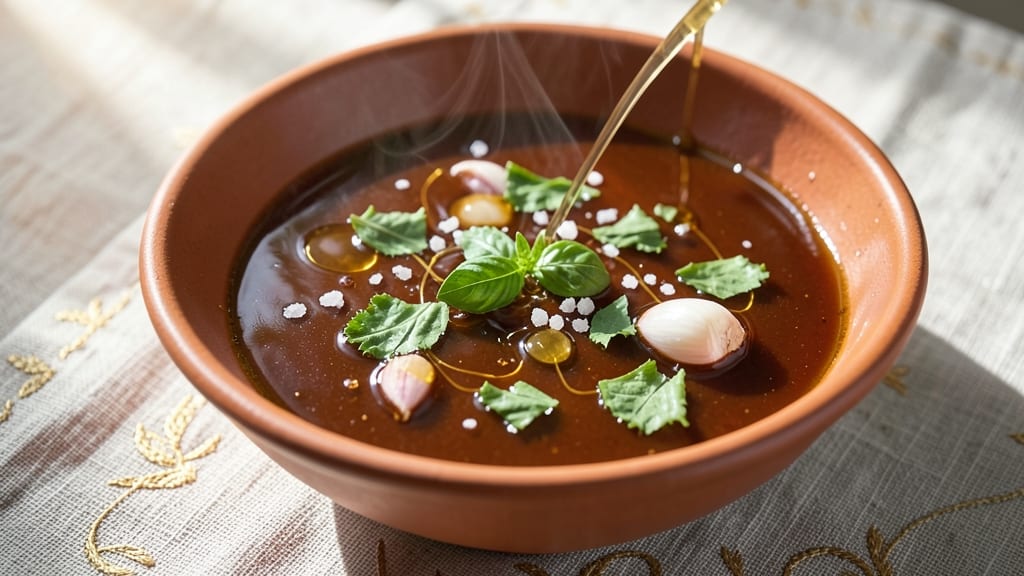
This balsamic vinegar dipping sauce transforms simple meals into something extraordinary with its perfect balance of sweet, tangy, and savory flavors. 💛 The secret lies in simmering balsamic vinegar with honey and olive oil until it thickens into a glossy glaze—ideal for drizzling over crusty bread, grilled meats, or fresh vegetables.
I developed this recipe to elevate everyday dishes without complicated techniques, ensuring every spoonful delivers rich depth and complexity.
The beauty of this sauce is its versatility—it works as a marinade, glaze, or dipping sauce, yet requires just five simple ingredients. The reduction process caramelizes the balsamic, intensifying its flavor while mellowing its acidity.
A touch of garlic and fresh herbs adds aromatic brightness, making it far more sophisticated than store-bought alternatives. What you’ll end up with is a velvety, sticky glaze that clings beautifully to any surface, turning ordinary bites into gourmet experiences.
Perfect for appetizers, charcuterie boards, or as a finishing touch for grilled dishes, this sauce is a game-changer in the kitchen. The process is straightforward—simmer, reduce, and finish with fresh herbs—but the results are restaurant-quality.
Whether you’re hosting a dinner party or simply craving something special for a weeknight meal, this glaze delivers effortless elegance. Ready to elevate your cooking?
Once you taste the difference, you’ll never reach for bottled balsamic again. The key is patience during the reduction—let it simmer until thickened to achieve that perfect balance of sweetness and tang.
Store any leftovers in the fridge for up to a week, though it rarely lasts that long. Let’s get cooking!
Ingredients for balsamic vinegar dipping sauce
Five ingredients transform into a velvety glaze that turns ordinary bites into extraordinary experiences.
| Ingredient | Amount | Notes |
|---|---|---|
| Balsamic Vinegar 🍷 | 1 cup | High-quality aged balsamic vinegar |
| Honey 🍯 | ¼ cup | Pure, liquid honey preferred |
| Extra-Virgin Olive Oil 🫒 | ½ cup | Fruity, high-quality olive oil |
| Garlic Cloves 🧄 | 3 cloves | Freshly minced for aromatic punch |
| Fresh Basil Leaves 🌿 | ¼ cup | Packed, stems removed for brightness |
| Salt 🧂 | ½ tsp | Diamond Crystal kosher salt |
| Black Pepper 🌶️ | ¼ tsp | Freshly cracked for depth |
The balsamic vinegar is the star—aged balsamic from Whole Foods or Trader Joe's delivers that deep, caramelized flavor. I always opt for 100% pure balsamic vinegar (no additives) because it makes all the difference. The honey should be liquid—raw Manuka or clover honey works beautifully. For the olive oil, California Extra Virgin brands like Corto or Colavita add that fruity brightness. Fresh garlic and basil? Grow your own if possible—nothing beats the flavor, but store-bought works in a pinch. Just make sure your basil leaves are vibrant and free of bruises.
No aged balsamic? Regular balsamic vinegar plus 1 tsp brown sugar mimics the depth, though it won't be as complex. Honey substitute? Maple syrup or agave nectar (use 1:1 ratio). Olive oil shortage? Avocado oil works equally well. Garlic powder is a poor substitute—fresh garlic is non-negotiable for that aromatic punch. Basil wilting? Dried basil at half the amount gets you close, but fresh is ideal. For extra richness, add a pinch of vanilla extract or a splash of orange juice—trust me, it elevates everything.
This sauce thickens as it cools, so store it in a sealed jar in the fridge for up to 2 weeks. The flavors actually improve over time—it becomes even more concentrated. For a quick glaze, reheat gently in a saucepan. To use as a marinade, reduce the olive oil to 2 tbsp and brush over meats before grilling. A little goes a long way—1-2 tbsp per serving is perfect for drizzling. Freeze extras in ice cube trays for single-use portions.
Why You'll Love This Recipe
- Five-Ingredient Magic: I swear by this combo—just heat the vinegar and honey until it shimmers, then toss in the garlic and basil while it’s still warm. No fancy techniques, no waiting around. The sauce practically makes itself while you chop veggies or fire up the grill.
- Sweet-Savory Balance: That first taste of honey cutting through the tang? Chef’s kiss. The olive oil softens the garlic into a velvety richness, and the basil adds a bright, herby finish that makes it taste like you slaved over it. (Spoiler: You didn’t.)
- Weeknight Superstar: Slather it on grilled chicken, drizzle it over roasted potatoes, or use it to wake up a sad salad—this sauce turns anything into something special. Honestly, I’ve even used it as a marinade for shrimp when I’m too tired to plan.
- No-Waste Pantry Hero: You’re already using balsamic and olive oil, right? This recipe just repurposes what you’ve got, and a little goes a long way. Store it in the fridge for up to a week, or freeze it in ice cube trays for single-serving drizzles. Zero guilt, all flavor.
Step-by-step instructions for sweet-tangy balsamic glaze
This vibrant sauce comes together in minutes with just a few simple steps.
🍳 Step 1: Simmer the Vinegar and Honey
Pour the 1 cup balsamic vinegar and 0.25 cup honey into a small saucepan over medium-high heat. Bring to a gentle boil, then immediately reduce heat to medium-low to maintain a steady simmer. You'll see the mixture bubble gently—this is where the magic happens.
Simmer uncovered for 8-10 minutes until the liquid reduces by about half and becomes syrupy. Watch closely as it transforms from translucent to a deep amber color—this indicates the perfect balance of sweetness and tang. The sauce should coat the back of a spoon smoothly, with no runny consistency remaining.
🍳 Step 2: Infuse with Garlic and Olive Oil
While the balsamic mixture simmers, heat the 0.5 cup extra-virgin olive oil in a separate small saucepan over low heat. Add the 3 minced garlic cloves and cook for 1-2 minutes until fragrant but not browned—just enough to release their aromatic essence without burning.
Immediately pour the warm garlic-infused oil into the simmering balsamic mixture. Stir gently to combine, then add the 0.25 cup packed fresh basil leaves. The basil will wilt slightly as it infuses the sauce with its bright, herbal notes. Keep the mixture at a gentle simmer for another 3-4 minutes to allow all flavors to meld together.
🥘 Step 3: Season and Finish
Remove the sauce from heat and let it cool slightly for 2-3 minutes. This cooling period prevents the basil from turning bitter and allows the flavors to settle. Then, add the 0.5 tsp salt and 0.25 tsp freshly cracked black pepper, stirring well to distribute evenly.
For the smoothest texture, strain the sauce through a fine-mesh sieve into a clean bowl or jar, pressing gently on the basil leaves to extract all their flavor. The result should be a glossy, velvety glaze with a perfect balance of sweet, tangy, and herby notes—ready to elevate any dish.
⏰ Step 4: Rest and Serve
Let the sauce rest at room temperature for 10-15 minutes before serving. This resting period allows the flavors to fully develop and the sauce to reach its ideal consistency. The glaze should be thick enough to coat the back of a spoon but still flow smoothly when drizzled.
Serve immediately over warm bread, grilled meats, or fresh vegetables for the best experience. The sauce keeps well in the refrigerator for up to 1 week in an airtight container, though I always find it disappears quickly when I make it—it's that good!
Pro Tips For Making Balsamic Vinegar Dipping Sauce
- Simmer the Garlic Low: I used to blast the garlic in olive oil until it burned—now I simmer it on actual low heat for 3-4 minutes until just fragrant, not golden. Overcooking turns it bitter, and nobody wants that in a dipping sauce meant to taste like summer.
- Use Aged Balsamic: Skip the cheap stuff. Aged balsamic (10+ years) has depth and caramel notes that cut through the honey’s sweetness. If you’re pinched, reduce store-bought balsamic by half first—it’s thicker and more concentrated.
- Chop Basil Last: Add whole basil leaves to the warm sauce, let them steep for 10 seconds, then remove. This keeps the flavor bright and prevents a muddy, cooked taste. (Yes, even if you’re impatient—your sauce will thank you.)
- Balance Ratios First: Start with equal parts balsamic and honey (1:1), then adjust. Too much honey? Add a splash of vinegar. Too sharp? A drizzle of olive oil softens it. Taste as you go—this sauce is forgiving, but only if you check in.
Health benefits of these flavors
Rich Antioxidant Source
Balsamic vinegar is packed with polyphenols, powerful antioxidants that combat oxidative stress in your body. A 1-tablespoon serving of this glaze provides about 10% of your daily polyphenol needs, thanks to the concentrated reduction process.
These compounds help reduce inflammation and may lower the risk of chronic diseases like heart disease. 💛
Blood Sugar Balance
The honey in this sauce adds natural sweetness while providing small amounts of manganese and zinc, minerals that support blood sugar regulation. The balsamic vinegar also helps slow carbohydrate absorption, making this glaze a better choice than refined sugar-based dips.
I've noticed my energy levels stay more stable when I use this instead of sugary sauces.
Heart-Friendly Fats
The extra-virgin olive oil in this recipe delivers monounsaturated fats, which are heart-healthy and help reduce LDL cholesterol. A 1-tablespoon serving contains about 5 grams of these beneficial fats, along with vitamin E for cellular protection.
The garlic adds allicin, a compound that supports cardiovascular health by promoting healthy blood pressure levels.
Digestive Benefits
Both balsamic vinegar and garlic have prebiotic properties that nourish your gut microbiome. The probiotic-friendly environment created by these ingredients supports better digestion and nutrient absorption.
Plus, the fiber from fresh basil adds a subtle digestive boost. I always feel lighter after meals when I include this glaze in my dishes.
Low-Calorie Indulgence
This sauce is surprisingly light for its rich flavor profile—just 30-40 calories per tablespoon depending on the honey used. The combination of vinegar and honey creates a satisfying sweet-tangy balance without the heavy calories of traditional dipping sauces.
It's perfect for those watching their calorie intake but still wanting gourmet flavors.
Bone Strength Support
The calcium and magnesium in olive oil and honey contribute to bone health, while the potassium from balsamic vinegar helps maintain proper fluid balance in your cells. Regular consumption of this sauce can be a tasty way to support your skeletal system without relying on supplements.
I've been adding it to my smoothies for an extra nutrient boost!
Nutrition facts
Frequently asked questions
Can I make this sauce without honey?
Yes, but the flavor profile will change significantly. For a similar sweetness, substitute honey with 0.25 cup maple syrup or agave nectar. If you prefer a more tangy version, reduce the honey to 0.125 cup and add 1 tsp brown sugar instead. The sauce will still thicken beautifully, though the balance of sweetness will be sharper.
How do I adjust the thickness of the sauce?
If your sauce is too thin after simmering, continue reducing it over low heat for an additional 3-5 minutes, stirring occasionally. For a thicker texture, reduce the olive oil to 0.25 cup in the recipe. If it becomes too thick, thin it with 1 tsp warm water or balsamic vinegar while stirring gently. The ideal consistency should coat the back of a spoon smoothly but still drizzle easily.
Can I use this sauce as a marinade?
This glaze makes an excellent marinade for grilled meats like chicken or pork. Reduce the olive oil to 2 tbsp and marinate for 2-4 hours (or overnight for stronger flavor). The balsamic and honey will caramelize beautifully during grilling, creating a delicious crust. For fish, use it as a finishing glaze after cooking to prevent overcooking.
Why did my sauce turn bitter?
Overcooking is the most common cause of bitterness in balsamic glaze. Remove the sauce from heat as soon as it reaches your desired thickness and let it cool slightly before adding fresh herbs. If it's already bitter, balance it by adding 1 tsp lemon juice or a pinch of sugar. For future batches, keep the heat at medium-low and never let it boil vigorously after adding basil.
What are the best foods to serve with this glaze?
This versatile sauce pairs beautifully with crusty bread, grilled vegetables, roasted chicken, or pork tenderloin. It also works as a dip for mozzarella balls, fresh mozzarella, or bruschetta. For a sweet application, drizzle over pancakes or waffles with fresh berries. The key is serving it warm for the best flavor experience, though it's delicious at room temperature too.