
Sauces & Condiments
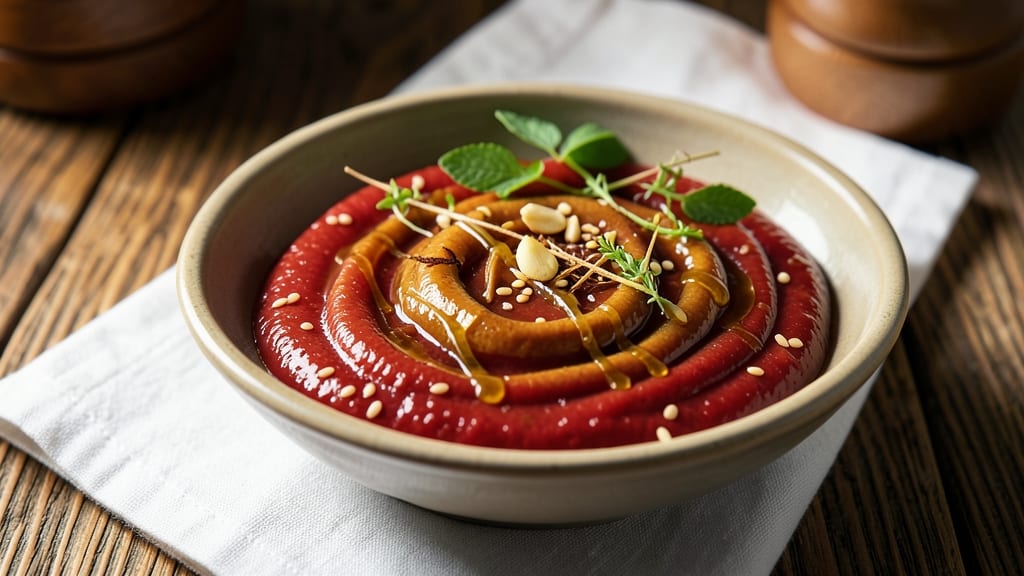
This banzai sauce recipe transforms simple stir-fries into bold, umami-packed masterpieces with just a few pantry staples. The perfect balance of soy, ginger, and tomato creates a rich, slightly sweet glaze that clings to every bite—ideal for noodles, meats, or vegetables.
I developed this version after craving that restaurant-quality depth without complicated techniques, and it delivers in under 15 minutes.
The sauce’s magic lies in its simplicity: a velvety blend of soy sauce, ginger, and tomato paste simmered until thick and fragrant. Unlike store-bought versions, this homemade recipe lets you control the saltiness and sweetness, making it adaptable for any dish.
The ginger adds a subtle kick, while the tomato paste deepens the umami, creating a sauce that’s both familiar and exciting.
What you’ll end up with is a glossy, aromatic sauce that elevates stir-fries, marinades, or even dipping sauces for dumplings. The texture is smooth yet clings perfectly, ensuring every bite is packed with flavor.
This is the kind of sauce that turns a simple weeknight meal into something restaurant-worthy without the fuss.
Use it to glaze chicken, toss with noodles, or drizzle over grilled vegetables—its versatility makes it a must-have in your kitchen. Ready to make it? Let’s get started with the ingredients and steps.
Ingredients for banzai sauce
Nine simple ingredients create the restaurant-worthy sauce you've been craving.
| Ingredient | Amount | Notes |
|---|---|---|
| Soy Sauce 🥢 | ½ cup | High-quality Japanese soy sauce preferred |
| Fresh Ginger 🧅 | ¼ cup | Finely grated, peel removed |
| Tomato Paste 🍅 | ¼ cup | Smooth, not chunky |
| Rice Vinegar 🍶 | 2 tbsp | White vinegar works too |
| Sesame Oil 🫒 | 1 tbsp | Toasted sesame oil for aroma |
| Honey 🍯 | 1 tbsp | Or agave for vegan option |
| Garlic Cloves 🧄 | 3 cloves | Minced for smooth texture |
| Water 💧 | ½ cup | Or vegetable broth for depth |
| Cornstarch 🌾 | 1 tsp | For thickening consistency |
| Red Pepper Flakes 🌶️ | ½ tsp | Adjust for heat preference |
The soy sauce is non-negotiable—Japanese brands like Kikkoman or Yamasa give that authentic depth. Fresh ginger is a game-changer (the good stuff, not the jarred kind), so grab a 2-inch knob from the produce section. Tomato paste? San Marzano is ideal, but any smooth paste works. For the vinegar, Mushroom or seasoned rice vinegar adds complexity, but plain white vinegar keeps it simple. The sesame oil should smell nutty and toasty—La Choy or Kadoya are reliable choices.
No sesame oil? Toasted peanut oil works in a pinch, though it’ll taste different. Skip the honey? Maple syrup or agave makes it vegan-friendly. The garlic can be pre-minced (from a jar), but fresh is always better—roast it first for a sweeter flavor. Running low on cornstarch? Arrowroot powder thickens just as well. For extra umami, swap half the water for vegetable or mushroom broth. The red pepper flakes? Crush them lightly to release more heat.
This sauce keeps for 1 week in the fridge, but it actually tastes better after a day as flavors meld. Freeze extras in ice cube trays for single-use portions. For restaurant-quality results, simmer it 10-15 minutes until syrupy—don’t rush it. Double the batch and store it; you’ll want it on hand for stir-fries, marinades, and even as a dipping sauce for dumplings.
Why You'll Love This Recipe
- Pantry Magic: I swear by this sauce—no fancy shopping required. Just reach for soy sauce, ginger from the root cellar, and tomato paste you already have. The sesame oil adds that chef’s touch without costing a fortune.
- Umami Bomb: That first spoonful? Chef’s kiss. The ginger hits fresh, the tomato paste deepens it into something rich, and the rice vinegar cuts through like a bright little surprise. It’s the kind of flavor that makes you pause mid-bite.
- Dress-Up Anything: Slather it on grilled chicken, toss it with noodles, or drizzle it over steamed veggies—it’s my secret weapon for weeknights. Even my picky teenager asks for it now. (Yes, even on a Tuesday night.)
- Make-Ahead MVP: Double the batch and stash it in the fridge for up to a week. No waste, no last-minute stress. Just pull it out, heat it, and—boom—dinner’s saved. Honestly, I make it every other Sunday just to have it ready.
Step-by-step instructions for banzai sauce
This umami-packed sauce comes together in minutes—perfect for stir-fries, marinades, or dipping.
Bloom the Ginger and Garlic
Heat a small saucepan over medium-low heat and add the 1 tablespoon sesame oil. Once the oil shimmers gently, add the 3 minced garlic cloves and 0.25 cup finely grated fresh ginger. Cook for 2-3 minutes until the ginger becomes fragrant and the garlic turns golden—don’t let it brown or it’ll turn bitter.
Here’s the thing—ginger releases its flavor best when cooked gently. If it looks dry, add 1 tablespoon water to keep it from sticking. Stir constantly so nothing burns, and you’ll know it’s ready when the mixture smells like a warm spice market.
Build the Sauce Base
Reduce the heat to low and stir in the 0.5 cup soy sauce, 2 tablespoons rice vinegar, and 1 tablespoon honey. Let the mixture simmer for 3-4 minutes until it begins to thicken slightly. This step develops the sauce’s balance of salty, tangy, and sweet notes—taste it now and adjust if needed.
Next, add the 0.25 cup tomato paste and stir until fully dissolved. The paste will give the sauce its signature depth and glossy finish. If the mixture looks too thick, add 1 tablespoon water to loosen it. The goal is a smooth, pourable consistency that coats the back of a spoon.
Thicken and Season
In a small bowl, whisk together the 1 teaspoon cornstarch with 2 tablespoons water to create a slurry. Slowly pour this into the sauce while stirring constantly over medium heat. Keep stirring for 1-2 minutes until the sauce thickens to a glossy, syrupy texture—it should coat the back of a spoon but still flow freely.
Finally, stir in the 0.5 cup water and 0.5 teaspoon red pepper flakes. Simmer for another 1 minute to let the heat distribute evenly. Taste and adjust seasoning—you might want to add a pinch more soy sauce for saltiness or a splash of vinegar for tang.
Finish and Rest
Remove the sauce from heat and let it cool for 5 minutes. This resting period allows the flavors to meld and the sauce to thicken slightly as it sits. If you’re using it immediately, give it a quick stir before serving—it’ll be silky and vibrant.
For best results, store any leftovers in an airtight container in the fridge for up to 5 days. The sauce actually improves over time as the flavors deepen. When reheating, warm it gently over low heat and stir until smooth—no need to add water unless it thickens too much.
Pro Tips For Making Banzai Sauce
- Simmer Low and Slow: Banzai sauce needs time to marry flavors—don’t rush it. Once the tomato paste and ginger hit the pan, drop the heat to medium-low and let it bubble gently for at least 10 minutes. I used to crank the heat, and the sauce would taste sharp and unbalanced. Patience here makes all the difference.
- Grate Ginger Fine: Skip the food processor—your fingers will thank you. Fresh ginger needs to dissolve completely, and a microplane or fine grater ensures it blends smoothly without clumping. I learned this the hard way when I used pre-grated ginger from a jar (texture disaster).
- Balance the Vinegar: Rice vinegar is acidic, so taste as you go. Start with half the amount listed, then add more in small bursts—you can always fix too little, but too much will make your sauce taste like a pickled mistake. I now keep a squeeze bottle nearby for precision.
- Toast the Tomato Paste: Bloom the tomato paste in sesame oil first—just 1-2 minutes until it darkens slightly. This deepens the flavor and cuts through the soy’s saltiness. I was skeptical until I tried it; now I won’t skip it. (Yes, even if you’re impatient like me.)
Troubleshooting this dish
Too Thin or Watery
If your sauce ends up too thin, don’t panic—simmering longer is the easiest fix. Increase heat to medium and let it reduce for an extra 5-10 minutes, stirring occasionally.
For an instant thickener, whisk ½ teaspoon cornstarch with 1 tablespoon cold water and stir it in while simmering until it reaches your desired consistency.
If you’re short on time, a splash of tomato paste (about 1 tablespoon) can also help bind the sauce without altering flavor too much. 💡
Too Thick or Gluey
Over-thickening happens when cornstarch is added too quickly or heat is too high. Thin it out by gradually whisking in 1-2 tablespoons of warm water while stirring constantly over low heat. If it’s still too stiff, add ½ teaspoon rice vinegar to cut through the thickness while balancing flavors.
For future batches, reduce the cornstarch to ½ teaspoon and simmer longer instead. Remember, the sauce should coat the back of a spoon but still flow smoothly. ✨
Bitter or Harsh Taste
Bitterness usually means the garlic or ginger burned during cooking. Next time, keep heat at medium-low and stir constantly—never let it sit unattended. To fix a bitter batch, add ½ teaspoon honey or 1 teaspoon maple syrup to mellow the harshness.
A splash of rice vinegar (about 1 teaspoon) also helps brighten the flavor. For prevention, use fresh ginger (not jarred) and minced garlic (not pre-browned). 🌶️
Grainy or Chunky Texture
Uneven textures often come from undissolved tomato paste or improperly blended ingredients. For a smoother sauce, blend the finished mixture in a small blender or immersion blender for 10-15 seconds. If the paste is the issue, mix it with 1 tablespoon water before adding it to the pan.
Stirring vigorously while heating also helps prevent clumping. For extra silkiness, strain the sauce through a fine-mesh sieve before serving. 🥄
Lacks Umami Depth
If your sauce tastes flat, it might need more umami-rich ingredients. Boost it with 1 teaspoon fish sauce (for authenticity) or ½ teaspoon MSG (for a subtle boost). A splash of mushroom broth (about 2 tablespoons) or an extra ½ teaspoon soy sauce can also deepen the flavor.
For a smoky twist, add ¼ teaspoon smoked paprika or a pinch of liquid smoke. Taste as you go—umami builds gradually! 💪
Separates or Curdles
Sauce separation usually happens when oil and water components don’t emulsify properly. To fix it, whisk in 1 teaspoon cornstarch mixed with 1 tablespoon cold water while heating gently. For prevention, add the sesame oil last (after thickening) and stir vigorously.
If curdling occurs, blend the sauce briefly to re-emulsify. A splash of vinegar (about ½ teaspoon) can also help stabilize the mixture. 🔥
Nutrition facts
Frequently asked questions
What’s the best way to use this ginger-soy sauce?
This rich sauce works as a stir-fry glaze, dipping sauce for dumplings or spring rolls, or even a marinade for chicken or tofu. Try brushing it on grilled salmon or tossing it with ramen noodles for instant restaurant flavor. The tomato paste gives it a glossy finish that clings beautifully to proteins and veggies.
Can I make this sauce without fresh ginger?
Yes, but the flavor will be less vibrant. Use 2 teaspoons ground ginger or 1 tablespoon ginger juice (from jarred ginger) as a substitute. For deeper flavor, add ½ teaspoon ginger powder after cooking. Fresh ginger’s zing is hard to replicate, but these options work in a pinch.
How do I adjust the heat level?
Start with ½ teaspoon red pepper flakes for mild heat. For medium spice, use 1 teaspoon, and for fiery kick, add 1-2 teaspoons. Remove seeds from the flakes first if you prefer less heat. For extra depth, add a pinch of cayenne powder or Sichuan peppercorns (lightly toasted and ground).
Will this sauce work in slow cookers or Instant Pots?
For a slow cooker, combine all ingredients (except cornstarch) and cook on low for 2-3 hours, stirring occasionally. For Instant Pot, use the sauté function to bloom ginger/garlic, then add remaining ingredients and cook on high pressure for 3 minutes. Quick-release and stir in cornstarch slurry. The pressure method creates a thicker texture.
Can I make this sauce vegan?
Easily! Swap honey for agave or maple syrup (same amount) and use tamari or coconut aminos instead of soy sauce. For extra umami, add 1 teaspoon miso paste (dissolved in the water). The sauce will still be rich and flavorful without animal products.