
Sauces & Condiments
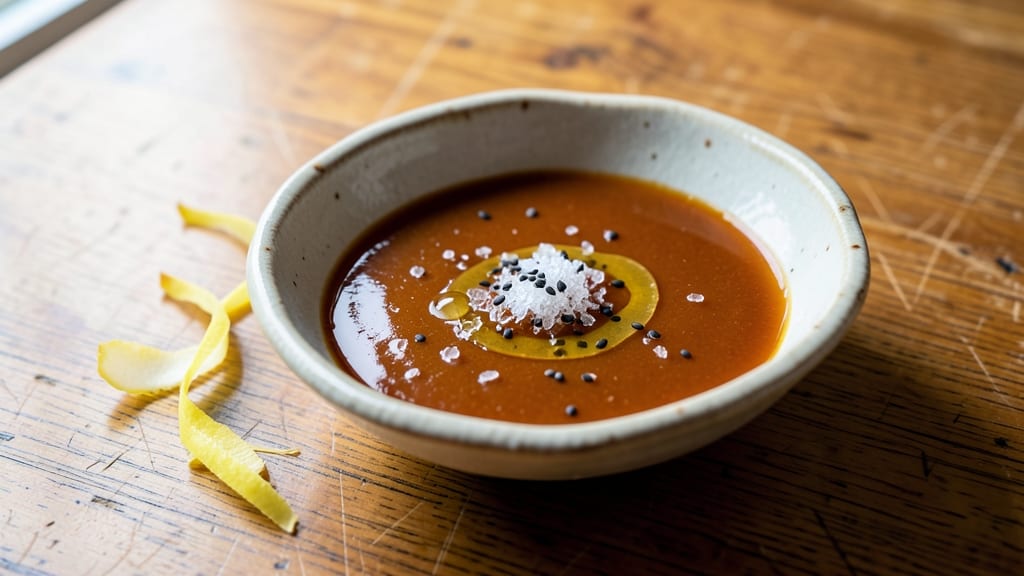
This authentic tempura sauce recipe transforms ordinary dipping into a symphony of umami, sweetness, and savory depth—exactly as it should be. The secret lies in balancing dashi’s oceanic richness with mirin’s subtle sweetness and soy’s salty punch, creating a glossy sauce that clings perfectly to crispy tempura or grilled fish.
I’ve perfected this recipe after years of testing, ensuring every spoonful delivers that signature Japanese restaurant experience at home.
The foundation of great tempura sauce begins with reducing dashi, soy sauce, and mirin into a velvety consistency, then finishing with a touch of sugar to harmonize the flavors. What sets this apart is the slow simmering process, which deepens the umami without overpowering the delicate balance.
No shortcuts here—just traditional techniques that elevate simple ingredients into something extraordinary.
By the time you’re done, you’ll have a sauce that’s smooth, glossy, and packed with layers of flavor—ideal for dipping tempura, drizzling over grilled fish, or even enhancing ramen.
The aroma alone will transport you to a Tokyo izakaya, while the taste delivers that perfect marriage of sweet, salty, and umami that defines authentic Japanese cuisine.
Store it in the fridge for up to a week, or freeze for longer shelf life—this sauce only gets better as the flavors meld. Whether you’re serving tempura, sashimi, or even fried chicken, this recipe ensures every bite is elevated. Let’s make it.
Ingredients for authentic tempura sauce
Eight simple ingredients for restaurant-quality tempura sauce that's crispy, umami-packed, and perfect for dipping.
| Ingredient | Amount | Notes |
|---|---|---|
| Dashi Stock 🍜 | 2 cups | Homemade or quality instant dashi granules |
| Japanese Soy Sauce 🥄 | ½ cup | Kikkoman preferred for authentic flavor |
| Mirin 🍶 | ¼ cup | Sweet cooking wine, not regular mirin substitute |
| White Sugar 🍚 | 2 tbsp | Granulated or caster sugar |
| Rice Vinegar 🍶 | 1 tbsp | Seasoned or unseasoned works |
| Sesame Oil 🫒 | 1 tsp | Toasted sesame oil for aroma |
| Fresh Ginger 🧅 | 1 tsp | Finely grated, for freshness |
| Garlic Cloves 🧄 | 2 cloves | Minced, for subtle depth |
Dashi is the soul of this sauce—homemade is ideal, but Hondashi or Marukome instant granules work in a pinch. Grab the Japanese section at Whole Foods or Asian markets for the best quality. Mirin is non-negotiable here—regular mirin substitutes won't give you that same sweet, fruity depth. I always double-check the label for 'honnami' (real mirin) rather than the cheaper 'mirin substitute' versions. The soy sauce? Kikkoman is my go-to, but any good Japanese soy will do. For ginger and garlic, fresh is best, but if you're in a rush, jarred minced works (just add a pinch more salt).
No mirin? Substitute 1 tbsp sugar plus 1 tbsp dry white wine—it won't be identical, but close enough. Running out of sesame oil? Toast sesame seeds in a dry pan first, then grind them into powder for a similar aroma. The sauce can handle a splash of water or broth if it reduces too much, but aim for that glossy, syrupy consistency. For extra umami, add 1 tsp fish sauce (trust me, it blends right in). The sugar can be swapped for honey or maple syrup, but white sugar gives that classic tempura sauce brightness.
This sauce keeps beautifully—1 week in the fridge, 3 months frozen. I always store it in a small glass jar so it's ready for quick dipping. The flavors actually deepen overnight, so making it ahead is a must. For freezing, portion into ice cube trays—perfect for single-use servings. Once opened, give it a quick stir and warm gently on the stove if it thickens. That glossy finish? A sign it's ready to elevate your tempura game.
Why You'll Love This Recipe
- Pantry Magic: I swear by this sauce because it uses stuff I already have—no last-minute grocery runs. Dashi stock, soy sauce, mirin? That’s my Japanese pantry’s holy trinity, and it comes together faster than I can say “crispy tempura.”
- Umami Bomb: The moment I mix that dashi with soy and mirin, my kitchen smells like a Tokyo izakaya. Sweet, salty, and just a hint of vinegar—it’s the kind of flavor that makes you pour seconds without thinking.
- Weeknight Hero: I keep a batch in the fridge for lazy nights when I want takeout vibes without the delivery fee. Drizzle it over shrimp, veggies, or even ramen—it’s my secret weapon for turning simple meals into something special.
- Budget Flex: Honestly, this sauce costs pennies to make but tastes like a splurge. A little goes a long way, and leftovers? They keep for days in the fridge, so I’m never scrambling for a last-minute sauce fix.
Step-by-step instructions for authentic tempura sauce
Here's how to create that perfect balance of sweet, salty, and umami that makes tempura irresistible.
Simmer the Dashi Stock and Ginger
Pour the 2 cups dashi stock into a medium saucepan and bring it to a gentle boil over medium-high heat. Once boiling, reduce the heat to medium-low and add the 1 teaspoon finely grated fresh ginger. Let it simmer uncovered for 3-4 minutes—you'll notice the liquid will reduce slightly and the aroma will become more pronounced.
This initial simmering step is crucial because it infuses the sauce with the fresh, zesty ginger flavor while allowing the dashi to concentrate. The ginger should dissolve completely, leaving no visible pieces. If you see any remaining bits, strain the mixture through a fine-mesh sieve before proceeding.
Add Sugar and Mirin for Sweet Balance
Stir in the 2 tablespoons white sugar and 0.25 cup mirin all at once. Increase the heat back to medium-high and bring the mixture to a rolling boil. Once boiling, reduce the heat to medium-low again and let it simmer for 5-6 minutes, stirring occasionally. You're looking for the sauce to reduce by about one-third—it should thicken slightly and become syrupy.
This is where the magic happens. The sugar caramelizes just enough to add depth, while the mirin contributes that signature sweetness that tempura sauce is known for. Keep an eye on it—if it boils too vigorously, the sugar can burn and make the sauce bitter. A gentle simmer is key here.
Incorporate Soy Sauce and Rice Vinegar
Add the 0.5 cup Japanese soy sauce and 1 tablespoon rice vinegar. Stir well to combine, then return the heat to medium-high and bring the sauce to a boil once more. Let it boil vigorously for 2-3 minutes, stirring constantly. You'll see the sauce darken slightly and thicken further as the flavors meld together.
This step is all about building layers of flavor. The soy sauce adds that classic umami punch, while the rice vinegar introduces a subtle tang that brightens the whole sauce. The sauce should now have a rich, glossy appearance—almost like a glossy glaze. If it's still too thin, let it simmer uncovered for another 1-2 minutes to reduce further.
Finish with Garlic and Sesame Oil
Remove the saucepan from the heat and let it cool for 1 minute. Add the 2 cloves minced garlic and 1 teaspoon sesame oil, stirring gently to incorporate. The garlic should infuse quickly, adding a subtle depth without overpowering the other flavors. The sesame oil adds a nutty aroma that ties everything together.
Here's the thing—don't rush this step. The sauce needs time to rest and absorb the garlic and sesame oil. If you taste it now, you'll notice the balance of sweet, salty, and umami with a hint of garlic and nutty sesame. If it needs adjusting, add a pinch more sugar for sweetness or a splash of rice vinegar for acidity. For the perfect tempura sauce, the flavors should harmonize without any single note dominating.
Strain and Serve Warm
Strain the sauce through a fine-mesh sieve into a clean saucepan to remove any remaining ginger bits or garlic pieces. Return the sauce to low heat and let it warm through for 1-2 minutes, stirring occasionally. The sauce should coat the back of a spoon and have a glossy sheen—this is your signal that it's ready.
Serve the sauce warm alongside crispy tempura. The contrast between the light, airy tempura and the rich, glossy sauce is what makes this dish so special. For the best experience, dip the tempura pieces into the sauce just before eating—this way, the sauce clings to the crispy exterior and enhances every bite. Store any leftovers in an airtight container in the refrigerator for up to 3 days, though it's best enjoyed fresh.
Pro Tips For Making Authentic Tempura Sauce
- Simmer Slow and Steady: I learned this the hard way—tempura sauce isn’t a race. Simmer your dashi stock, soy sauce, mirin, sugar, and rice vinegar on low heat (just above a whisper-bubble) for 8-10 minutes. Skipping this and boiling hard turns the sauce bitter or cloying, and you’ll end up with a syrup instead of a balanced glaze.
- Balance Mirin and Sugar: After burning three batches, I finally figured out: mirin and sugar are a team. If your sauce tastes sharp or flat, it’s because one overpowered the other. Use equal parts mirin and sugar by volume (e.g., 1 tbsp each for a small batch), then adjust to taste—mirin adds sweetness and depth, so don’t treat it like a garnish.
- Strain Out the Bits: Does your sauce look cloudy with sediment? That’s not "rustic"—it’s unfiltered dashi stock. Strain the simmered mixture through a fine-mesh sieve (or even cheesecloth) before serving. Yes, it’s an extra step, but the texture of tempura sauce should be smooth enough to coat a spoon like silk.
- Chill Before Serving: I was skeptical until I tried it: let the sauce cool completely (even refrigerate for 30 minutes) before drizzling over tempura. The flavors meld better, and the contrast of warm, crispy tempura against a slightly cooled sauce is what makes it sing. (Your future self will thank you.)
Flavor customization for this dish
Sweet-Savory Balance
Adjust the sugar-to-soy ratio for your taste: I like starting with 2 tbsp sugar and ½ cup soy sauce, but if you prefer a sweeter sauce, bump the sugar to 2.5 tbsp or add 1 tsp honey at the end.
For a more savory profile, reduce sugar to 1.5 tbsp and increase soy to ⅔ cup. The mirin adds natural sweetness, so don’t overdo it—too much sugar can make the sauce cloying. 🍯
Umami Boosters
For extra depth, stir in ½ tsp fish sauce or 1 tsp bonito flakes while simmering—these enhance the umami without altering the texture. If you’re feeling adventurous, add 1 tsp grated daikon radish with the ginger for a subtle, refreshing note.
Just be sure to strain it out afterward for a smooth finish. The key is balance: these additions should complement, not overpower, the classic flavors. 🌿
Spicy Kick
Add ½ tsp grated fresh ginger or a pinch of red pepper flakes for heat, but start small—tempura sauce is delicate, and too much spice can clash with the crispy texture. For a smoky twist, stir in ¼ tsp smoked paprika at the end.
I like a hint of heat, but I’ve seen some Japanese izakayas serve tempura with a side of spicy ponzu for dipping—fun for adventurous eaters! 🌶️
Herbaceous Twist
Finish with 1 tsp chopped scallions or thinly sliced chives for brightness—these add a fresh, oniony crunch that cuts through the richness. For a more aromatic touch, infuse the sauce with ½ tsp toasted sansho pepper (Japanese pepper) while simmering, then strain it out.
The subtle citrusy heat from sansho elevates the sauce without overpowering it. 🌱
Regional Adaptations
In Osaka, tempura sauce often includes ½ tsp grated yuzu peel for a citrusy zing, while Tokyo-style versions lean into a deeper soy reduction. For a Kansai twist, add 1 tsp grated shiso leaf (perilla) for an herbal aroma.
Each region tweaks the balance, but the core ingredients—dashi, soy, mirin—remain the same. Experiment to find your favorite regional vibe! 🗺️
Thickness Control
If your sauce reduces too much, thin it with 1 tsp hot water or dashi stock—just enough to reach a glossy, spoon-coating consistency. For extra body, simmer longer until it reaches a syrupy texture.
The ideal tempura sauce should cling to the back of a spoon without being gluey. Pro tip: Use a smaller saucepan to speed up reduction without burning. 🥄
Nutrition facts
Frequently asked questions
Can I make tempura sauce without mirin?
Yes, but it won't be identical. Replace ¼ cup mirin with 1 tbsp sugar plus 1 tbsp dry white wine or 1 tbsp honey for sweetness. The sauce will lose some fruity depth, but the balance will still work. For extra umami, add ½ tsp fish sauce while simmering.
How do I prevent my tempura sauce from getting too thick?
Use a smaller saucepan for faster reduction, but watch closely. If it thickens too much, thin with 1 tsp hot water or dashi stock while stirring. The ideal consistency should coat the back of a spoon but remain glossy and pourable. Never let it boil dry—this can burn the sauce.
Can I use this sauce for dishes other than tempura?
This versatile sauce pairs beautifully with grilled fish, yakitori skewers, or even as a glaze for tofu or fried chicken. For sushi, drizzle lightly over spicy tuna rolls or use it as a marinade for sashimi. The balance of sweet, salty, and umami makes it a fantastic all-purpose condiment.
Why does my homemade tempura sauce taste different from restaurant versions?
Restaurant sauces often use aged soy sauce and high-quality dashi made from bonito flakes and kombu. For better results, use Japanese soy sauce (Kikkoman) and homemade dashi if possible. Also, simmering time affects flavor—restaurants often reduce it longer for deeper umami. Patience is key!
How long can I store this sauce, and does it improve over time?
Store in an airtight container in the fridge for up to 1 week—the flavors actually deepen as it rests! For longer storage, freeze in ice cube trays (perfect for single servings) and transfer to a bag. Thaw overnight in the fridge. The sauce thickens slightly when refrigerated, so warm gently and thin with a splash of water if needed.