
Sauces & Condiments
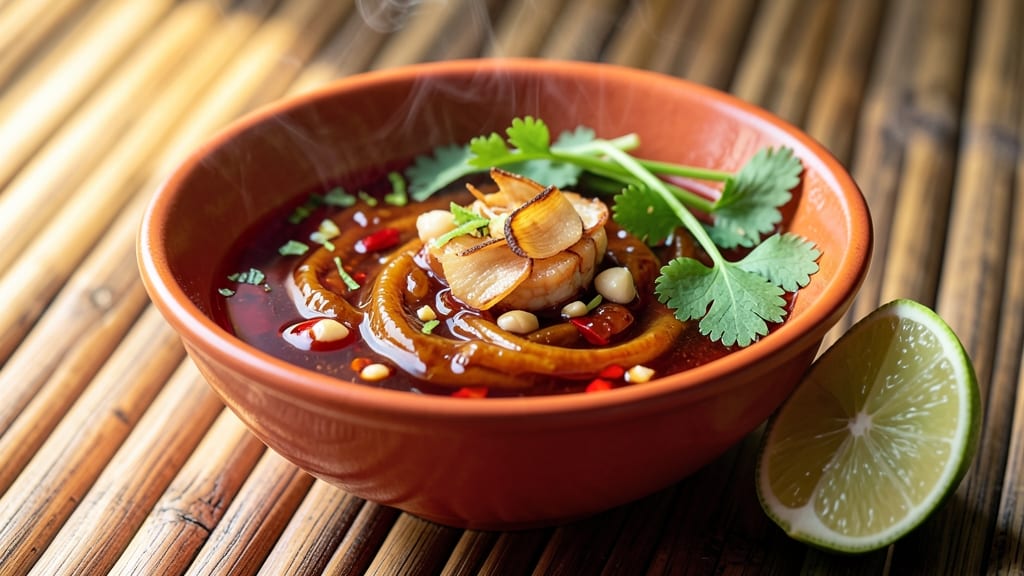
This banh cuon sauce recipe transforms simple ingredients into a vibrant, tangy fish sauce that perfectly complements the delicate flavors of Vietnamese spring rolls. The balance of sweet, salty, and spicy creates a dipping experience that elevates every bite—just like the sauces served in Hanoi street markets.
What makes this sauce special is its simplicity: a few pantry staples combine to create a complex, restaurant-quality condiment.
The foundation of this sauce lies in its core components: fish sauce for umami depth, lime juice for brightness, and a touch of sugar to balance the acidity. Shrimp paste adds a subtle savory note that's essential for authenticity, while chili oil brings the heat.
Unlike store-bought versions, this recipe delivers a fresher, more vibrant flavor that's impossible to replicate with bottled sauces.
What you'll achieve is a glossy, aromatic sauce with a perfect balance of tang, salt, and spice—ready to enhance any dish it touches. The sauce's natural sweetness from the sugar and lime creates a beautiful contrast with the heat of the chili, making each dip a harmonious experience.
This isn't just a condiment; it's the secret weapon that turns good banh cuon into extraordinary banh cuon.
The best part? This sauce comes together in just 10 minutes with no cooking required, making it the perfect quick addition to any meal. Whether you're serving traditional banh cuon or using it as a dipping sauce for fresh spring rolls, this recipe delivers professional results with minimal effort.
Let's create this essential accompaniment that will have everyone asking for seconds.
Ingredients for banh cuon sauce
Pantry staples meet bold flavors in this vibrant Vietnamese dipping sauce.
| Ingredient | Amount | Notes |
|---|---|---|
| Fish Sauce 🐟 | ½ cup | High-quality, 100% pure preferred |
| Fresh Lime Juice 🍋 | ¼ cup | Freshly squeezed, seeds removed |
| Granulated Sugar 🍚 | 2 tbsp | White or brown sugar works |
| Shrimp Paste 🦐 | 1 tbsp | Vietnamese shrimp paste essential |
| Chili Oil 🌶️ | 1 tbsp | Homemade or store-bought preferred |
| Garlic Cloves 🧄 | 2 cloves | Minced, for extra depth |
| Shallots 🧅 | 2 whole | Finely minced, or sub with onion |
| Water 💧 | ¼ cup | Room temperature preferred |
| Sesame Oil 🥜 | 1 tsp | Toasted, for nutty aroma |
| Black Pepper 🌶️ | ¼ tsp | Freshly ground for heat |
Fish sauce is the heart of this recipe—Red Boat or Three Crabs brands deliver that authentic umami punch. Shrimp paste is non-negotiable for authenticity; grab it at Asian markets or the international aisle. Fresh lime juice is a must (bottled won't cut it)—squeeze it right before mixing. The sugar balances the acidity perfectly, so don't skip it. For chili oil, homemade is ideal, but Lao Gan Ma from the Asian section works in a pinch. Minced garlic and shallots add that aromatic depth that makes this sauce sing.
No shrimp paste? Anchovy paste at half the amount gets you close, though it won't be identical. Running low on lime? Lemon juice works, but reduce to 1 tbsp—it's more acidic. Want more heat? Add an extra 1/2 tsp chili oil. The sesame oil is optional but adds that nutty finish that elevates the sauce. If you're making a big batch, double the recipe—this sauce keeps beautifully and makes an amazing gift. For a milder version, skip the black pepper or use white pepper instead.
This sauce comes together in minutes and keeps for 1 week in the fridge, sealed tightly. The flavors actually improve overnight as everything melds together. For extra shine, give it a quick whisk before serving. Portion into small jars if you're making multiple batches—it's perfect for parties or meal prep. Freezes beautifully for 3 months if you want to stock up. Trust me, you'll want to make this again and again.
Why You'll Love This Recipe
- Five-Ingredient Magic: I swear by this sauce—just fish sauce, lime, sugar, shrimp paste, and chili oil. That’s it. No fancy prep, no measuring cups cluttering my counter, just a quick simmer that transforms into something ridiculously good.
- Balanced Bite: The shrimp paste adds depth, the lime cuts through the richness, and that chili oil? It’s the perfect little kick. Honestly, it’s the kind of sauce where every spoonful makes you want to eat banh cuon straight from the pan.
- Weeknight Hero: I keep this sauce in my fridge for lazy nights—drizzle it over rice, noodles, or even grilled meats. (Yes, even on a Tuesday night.) It’s my go-to when I don’t want to think too hard but still crave flavor.
- Budget-Friendly Staple: Fish sauce and shrimp paste stretch far, and sugar/lime/chili oil are pantry basics. I made this sauce last month for a potluck, and it cost me less than $3 total—yet everyone asked for the recipe. That’s a win.
Step-by-step instructions for banh cuon sauce
This tangy, umami-packed sauce brings banh cuon to life with bold flavors in minutes.
Bloom the Shrimp Paste and Aromatics
Heat a small saucepan over medium-low heat and add the 1 tablespoon shrimp paste. Let it bloom for 30 seconds until you smell that deep, savory aroma—this is where the sauce's complexity begins. Add the 2 whole minced shallots and 2 cloves minced garlic, cooking for another 1 minute until fragrant but not browned.
Here's the thing—don't rush this step. The shrimp paste needs time to develop its full flavor without burning. If it darkens too quickly, reduce the heat slightly. You're building the foundation, so take your time and let those aromatics sing.
Combine Wet Ingredients and Simmer
Pour in the 0.5 cup fish sauce and 0.25 cup water, stirring constantly to dissolve any shrimp paste remnants. Add the 2 tablespoons granulated sugar and let the mixture simmer gently for 3-4 minutes until slightly reduced but still liquid. You want the sugar to dissolve completely—if you see any graininess, keep stirring.
This is where the sauce starts coming together. The fish sauce should be fully incorporated, and the mixture should smell like a perfect balance of salty, sweet, and funky. If it looks too thick, add a splash of water—we'll adjust the consistency later.
Add Lime and Chili for Brightness
Remove the pan from heat and stir in the 0.25 cup fresh lime juice and 1 tablespoon chili oil. The lime will brighten the sauce instantly, cutting through the richness. Taste it now—you should feel that immediate zing. If it's too sharp, add a pinch more sugar; if it's too mild, add a splash more lime juice.
This is the moment that matters: the balance of sweet, sour, salty, and spicy. The chili oil adds heat without overpowering, while the lime keeps everything fresh. If you're using homemade chili oil, you might want to strain it first to remove any chili flakes if you prefer a smoother texture.
Finish with Sesame Oil and Pepper
Return the pan to low heat and drizzle in the 1 teaspoon sesame oil. Stir gently for 30 seconds—just long enough to infuse the nutty aroma without burning it. Finish with the 0.25 teaspoon black pepper, grinding it fresh right into the sauce for maximum heat.
Give it one final taste and adjust if needed. The sauce should coat your spoon with a glossy sheen, balancing all those flavors perfectly. If it's too thick, thin it with a little more water; if too thin, simmer it gently for another minute to reduce. The ideal consistency should be pourable but still cling to the back of a spoon.
Rest and Serve
Let the sauce sit at room temperature for 5-10 minutes—this allows the flavors to meld completely. The sauce will thicken slightly as it cools, which is perfect for dipping. Serve it warm alongside your steamed banh cuon rolls, ready to enhance every bite with its vibrant, complex flavor.
This sauce is the soul of banh cuon. The right balance of fish sauce's umami, lime's brightness, and chili's heat creates a dipping experience that's addictive. Don't be afraid to adjust to your taste—maybe you like it sweeter, or perhaps you want more heat. That's what makes it perfect for your table.
Pro Tips For Making Banh Cuon Sauce
- Toast the Shrimp Paste: Heat a dry pan over medium-low and toast the shrimp paste for 30 seconds—just until it smells nutty and aromatic. I learned this the hard way: skipping this step leaves the sauce tasting flat, like someone forgot to wake up the flavors.
- Balance the Lime Last: Add lime juice after everything else is mixed and let the sauce sit for 2 minutes first. The acid needs time to mellow; dumping it in raw makes the sauce taste sour before the fish sauce can round it out.
- Simmer, Don’t Boil: Keep the sauce at a gentle simmer—tiny bubbles, not rolling—so the sugar caramelizes instead of burning. After burning two batches, I finally cracked a saucepan and used the smallest burner.
- Use Chili Oil Sparingly: Start with half the recipe’s chili oil and taste before adding more. Store-bought versions can overpower; homemade (oil + dried chilies) lets you control the heat. I was skeptical until I tried it—now I make my own.
Troubleshooting your banh cuon sauce
Fish Sauce Overpowering?
If your sauce tastes too salty from the fish sauce, balance it by adding 1 extra tablespoon of lime juice or ½ teaspoon more sugar. The acidity and sweetness will cut through the saltiness.
For a milder version, reduce the fish sauce to ¼ cup and add 1 tablespoon more water to maintain consistency. 💡
Shrimp Paste Too Strong?
If the shrimp paste flavor dominates, use anchovy paste instead (½ the amount) or skip it entirely and add 1 extra teaspoon of garlic for depth.
For a smoother texture, strain the sauce through a fine-mesh sieve after cooking. This removes any lingering shrimp paste bits while keeping the umami. 🦐
Sauce Too Thin?
Simmer the sauce uncovered for 2-3 extra minutes to reduce it naturally. If it still feels too watery, mix 1 teaspoon cornstarch with 1 tablespoon water, then stir it in until thickened. Avoid over-reducing—you want a pourable but clingy consistency for dipping. ✨
Not Enough Heat?
Boost the spice by adding ½ teaspoon extra chili oil or a pinch of red pepper flakes. For a smoky kick, stir in ½ teaspoon smoked paprika at the end. If you prefer a fruity heat, swap 1 tablespoon of lime juice for mango puree. 🌶️
Sauce Separates?
If the sauce splits or looks cloudy, whisk in 1 teaspoon of sesame oil or 1 tablespoon of water to emulsify. For a smoother finish, blend the sauce briefly with an immersion blender. Avoid adding too much liquid at once—introduce it gradually while whisking. 💧
Lime Juice Too Sour?
Balance the acidity by adding ½ teaspoon more sugar or 1 extra teaspoon of fish sauce. For a subtler tang, reduce the lime juice to 2 tablespoons and add 1 tablespoon of rice vinegar instead. Taste as you go—adjust gradually. 🍋
Nutrition facts
Frequently asked questions
Can I make this sauce without shrimp paste?
Yes! Replace the 1 tablespoon shrimp paste with 1 teaspoon anchovy paste (½ the amount) or skip it entirely and add 1 extra teaspoon minced garlic for depth. The sauce will still taste delicious, though it'll lack that authentic umami richness. For a smoother texture, strain the sauce after mixing.
How long does this sauce keep in the fridge?
This vibrant dipping sauce stays fresh for up to 1 week when stored in an airtight container. The flavors actually improve overnight as everything melds together beautifully. For extra shelf life, freeze portions in ice cube trays for up to 3 months—perfect for quick dipping sauce additions later.
What if I don't have chili oil?
No problem! Swap the 1 tablespoon chili oil with ½ teaspoon red pepper flakes or 1 teaspoon sriracha for heat. For a smoky alternative, use ½ teaspoon smoked paprika mixed with ½ teaspoon water. The sauce will still have that essential zing—just with a different flavor profile.
Is this sauce only for banh cuon?
Absolutely not! This versatile dipping sauce works wonderfully with fresh spring rolls, rice paper rolls, grilled meats, or even as a marinade for tofu. The balance of sweet, salty, and spicy makes it a crowd-pleaser for any Vietnamese-inspired meal. Try it with steamed dumplings or as a glaze for grilled shrimp too.
Can I adjust the sweetness level?
Certainly! If you prefer it sweeter, add 1 extra teaspoon sugar or swap 1 tablespoon lime juice for mango puree. For less sweetness, reduce the sugar to 1 tablespoon or increase the lime juice to 3 tablespoons. Taste as you go—this sauce is all about balance!