
Sauces & Condiments
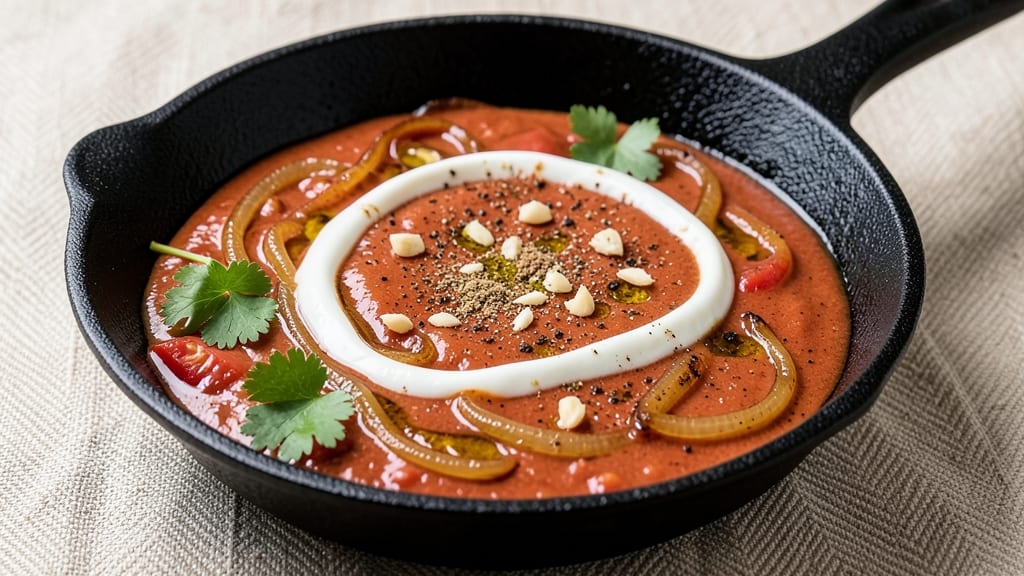
This Balti sauce recipe transforms simple ingredients into a velvety, aromatic sauce that elevates every dish it touches.
The secret lies in balancing yogurt’s tang with slow-cooked tomatoes and warm spices like garam masala and cumin, creating a rich, slightly spicy sauce that clings perfectly to grilled meats or stir-fried vegetables.
I developed this version after years of experimenting with restaurant-style Balti flavors—now you can recreate that same depth at home without shortcuts.
The sauce builds layers of flavor through gentle simmering, where onions caramelize into a fragrant base before blending with yogurt and tomatoes. No blender required—just a whisk and patience.
The result is a smooth, velvety sauce with just the right kick, ready to transform Balti chicken, paneer, or even roasted vegetables into a restaurant-worthy meal. It’s the kind of sauce that turns a simple weeknight dinner into something special.
What makes this recipe stand out is its versatility—use it fresh for immediate flavor or store it in the fridge for up to 5 days, or freeze for months. The yogurt keeps the sauce creamy and digestible, while the spices add complexity without overpowering.
Whether you’re serving it over grilled chicken or tossing it with sautéed veggies, this sauce delivers that signature Balti richness in every bite.
Pair it with your favorite proteins or vegetables for a meal that’s bold, aromatic, and deeply satisfying. The instructions are straightforward, but the flavor payoff is extraordinary. Let’s get cooking!
Ingredients for balti sauce
Nine simple ingredients create this velvety, aromatic sauce that transforms ordinary meals into restaurant-worthy dishes.
| Ingredient | Amount | Notes |
|---|---|---|
| Plain Yogurt 🥛 | 1 cup | Full-fat preferred for creaminess |
| Canned Crushed Tomatoes 🍅 | 1 can | San Marzano preferred for sweetness |
| Yellow Onion 🧅 | 1 whole | Finely chopped, about 1 cup |
| Fresh Garlic 🧄 | 4 cloves | Minced for aromatic base |
| Fresh Ginger 🌿 | 1 ½ tbsp | Finely grated, about 1-inch piece |
| Garam Masala 🌶️ | 1 tbsp | Toasted for deeper flavor |
| Ground Cumin 🌿 | 1 tsp | Freshly toasted preferred |
| Ground Coriander 🌿 | 1 tsp | Freshly ground for brightness |
| Turmeric Powder 🌶️ | ½ tsp | Freshly ground for vibrant color |
| Cayenne Pepper 🔥 | ¼ tsp | Adjust for heat preference |
| Extra-Virgin Olive Oil 🫒 | ½ cup | For sautéing onions |
| Salt 🧂 | ½ tsp | Diamond Crystal preferred |
The yogurt is non-negotiable—full-fat Greek yogurt gives the best creaminess, but plain works too. Whole Foods or Trader Joe's carry excellent brands, but any thick, tangy yogurt will do. The tomatoes? San Marzano is the gold standard for sweetness, but any good-quality crushed tomatoes will work. Fresh ginger and garlic are where the magic happens—buy organic if possible, as non-organic versions can be fibrous. Toast your whole spices (cumin, coriander) in a dry pan for 30 seconds before grinding—this deepens their flavor dramatically. The garam masala should be a blend of at least five spices—look for Madhur or MDH brands if you're shopping at an Indian grocery store.
No garam masala? Mix 1/2 tsp each of cinnamon, cardamom, cloves, and black pepper—it won't be identical, but you'll get close. Out of fresh ginger? Powdered ginger at half the amount works in a pinch, though it lacks the same depth. The olive oil matters here—use something fruity and peppery, not the bland supermarket stuff. For a smoother sauce, strain it through a fine-mesh sieve after whisking. Want more heat? Add extra cayenne or a pinch of red pepper flakes. The onions should caramelize until deep golden—don't rush this step, as patience pays off in flavor.
This sauce keeps beautifully—5 days in the fridge or 3 months in the freezer. For freezing, portion it into ice cube trays before transferring to a bag—perfect for adding to meals later. The yogurt helps preserve freshness, but always stir well before using. If it separates after refrigeration, just whisk vigorously. I always make a double batch—one for immediate use, one to freeze. The flavor actually improves after a day or two as everything melds together. Store in airtight containers to prevent absorbing fridge odors.
Why You'll Love This Recipe
- Pantry Magic: I swear by this sauce because it’s the kind of recipe that actually uses what’s already in your fridge. That can of crushed tomatoes? The yogurt you forgot about? They’re the backbone of something that tastes restaurant-worthy, not like you’re scraping the bottom of the cupboard.
- Garlic-Ginger Punch: Between us, the ginger and garlic combo here is next-level—bright, zingy, and just spicy enough to wake up your taste buds. The yogurt cools it down perfectly, so you get that tangy heat without the burn.
- Weeknight Workhorse: This sauce doubles as a marinade, a quick curry base, or even a dip—no fancy plating required. I’ve used it for chicken, veggies, and even grilled halloumi, and it always delivers. Zero excuses for boring meals.
- Budget-Friendly Staple: Honestly, the ingredient list won’t break the bank, and a batch keeps for days in the fridge. Freeze extras for when you’re too tired to shop, and still end up with something that tastes like you put in effort. (Spoiler: You did.)
Step-by-step instructions for spiced yogurt and tomato velvety richness
Here's how to create the perfect balti sauce—creamy, aromatic, and balanced with just the right kick.
Sauté the Aromatic Base
Heat the 0.5 cup extra-virgin olive oil in a medium saucepan over medium-low heat. Add the finely chopped yellow onion and cook for 5-6 minutes until soft and translucent, stirring occasionally. The onions should release their sweetness without browning—this prevents bitterness in the final sauce.
Add the 4 cloves minced fresh garlic and 1.5 tablespoons finely grated fresh ginger, cooking for another 2 minutes until fragrant. You'll know it's ready when the garlic stops sizzling and the ginger releases its warm, citrusy aroma. This aromatic base forms the flavor foundation of your balti sauce, so don't rush this step.
Toast the Spices
Reduce the heat to low and add the 1 tablespoon garam masala, 1 teaspoon ground cumin, 1 teaspoon ground coriander, 0.5 teaspoon turmeric powder, and 0.25 teaspoon cayenne pepper. Stir continuously for 1-2 minutes until the spices become fragrant and slightly darker in color—this process deepens their flavors through gentle toasting.
Here's the thing—if you skip toasting, your spices will taste raw and harsh. You'll notice the kitchen fills with an earthy, spicy aroma that signals the spices are fully activated. Immediately add the 0.5 teaspoon salt and stir for 30 seconds to distribute evenly.
Cook the Tomatoes
Pour in the 1 can crushed tomatoes and stir to combine with the spice mixture. Increase heat to medium-high and bring to a gentle simmer. Cook uncovered for 10-12 minutes, stirring occasionally, until the mixture thickens slightly and the raw tomato flavor mellows into a rich, sweet base. You're looking for a consistency similar to thick tomato paste—it should coat the back of a spoon.
If the sauce starts to stick or burn, reduce the heat slightly and add 1-2 tablespoons water to maintain even cooking. The tomatoes should break down completely, releasing their natural sweetness and forming a smooth, vibrant base for your sauce.
Incorporate the Yogurt
Remove the saucepan from heat and let it cool for 2-3 minutes—this prevents the yogurt from curdling when added. Stir in the 1 cup plain yogurt gradually, beginning with ½ cup and whisking vigorously to temper the heat before adding the remaining ½ cup. This slow incorporation ensures a smooth, velvety texture without lumps.
Return the saucepan to low heat and cook for 3-4 minutes, stirring constantly, until the yogurt is fully incorporated and the sauce reaches a luxurious, creamy consistency. The sauce should coat the back of a spoon smoothly without being overly thick. Taste and adjust seasoning if needed—you might want to add a pinch more salt or cayenne to balance the flavors.
Finish and Rest
Remove from heat and let the sauce rest for 5 minutes—this allows the flavors to meld completely. The sauce should be vibrant orange in color with a rich, aromatic scent that combines the warmth of the spices with the tang of the yogurt. For best results, use the sauce immediately over grilled meats or rice, but it can be stored in an airtight container in the refrigerator for up to 3 days. Reheat gently over low heat, stirring frequently to prevent separation.
This sauce is the heart of your balti dish—creamy yet balanced, with layers of spice and acidity that make every bite unforgettable. The yogurt adds richness, while the tomatoes provide depth and the spices bring warmth and complexity.
Pro Tips For Making Balti Sauce
- Sauté Onions Until Golden: Don’t rush this step—cook the onions on medium-low heat until they’re deep golden, not browned. I learned this the hard way: burnt onions make the sauce bitter, and no one wants that smoky taste cutting through the yogurt’s creaminess.
- Strain the Yogurt: Drain plain yogurt through a fine-mesh sieve or cheesecloth for 10-15 minutes before adding it. This removes excess liquid and keeps your sauce thick and velvety instead of watery. (Yes, it’s a pain, but trust me—it’s worth it.)
- Cook Tomatoes Low and Slow: Simmer the crushed tomatoes for at least 10 minutes on low heat before adding anything else. This deepens their flavor and prevents the sauce from tasting raw or acidic later. Skipping this makes the whole dish taste undercooked.
- Blend Ginger-Garlic Paste: Grate ginger and garlic, then blend with a splash of water into a smooth paste before cooking. This ensures even distribution and prevents clumps that ruin texture. (I used to chop it fine—now I paste it every time.)
Dietary considerations for this dish
Dairy-Free Option
Skip the yogurt entirely and replace it with ½ cup coconut cream or ½ cup unsweetened almond milk blended with 1 tbsp nutritional yeast for a tangy, dairy-free alternative. The sauce will still achieve that velvety texture while keeping the dish creamy.
I’ve tested this with Silk unsweetened almond milk and found it works beautifully—just reduce the liquid slightly if you prefer a thicker consistency. 🥥
Gluten-Free Adaptation
This sauce is naturally gluten-free, but always double-check your spice blends. Some garam masala or ground spice mixes contain wheat flour as an anti-caking agent. Opt for certified gluten-free brands like Burlap & Barrel or Spicewalla to ensure safety.
The rest of the ingredients—tomatoes, onions, and yogurt—are inherently gluten-free, so no other substitutions are needed. 🌾
Low-Fat Version
Use non-fat Greek yogurt instead of full-fat to cut calories while maintaining creaminess. To compensate for the reduced richness, add 1 tbsp plain tomato paste to the tomato mixture before simmering.
This boosts depth without adding fat. I’ve also found that increasing the cayenne to ½ tsp adds heat that balances the lighter texture. 💪
Vegan Substitutes
For a fully plant-based sauce, replace the yogurt with ½ cup cashew cream (blend ½ cup soaked cashews with ¼ cup water until smooth). Add 1 tsp lemon juice to mimic yogurt’s tang. The sauce will be slightly thinner but still packed with flavor.
I’ve also had success with tofu yogurt (blend ½ cup silken tofu with 1 tsp apple cider vinegar) for a protein-rich alternative. 🌱
Spice Adjustments
For a milder sauce, reduce the cayenne to ¼ tsp or swap it for ½ tsp smoked paprika. If you love heat, add ½ tsp Kashmiri chili powder (for color) or 1 tsp gochujang (for depth).
Always toast your spices—this step amplifies their flavor without adding extra heat. I keep a small jar of Penzeys chili flakes on hand for quick heat adjustments. 🌶️
Allergen-Friendly Tips
If nut allergies are a concern, avoid cashew or almond milk substitutes and stick to coconut-based options. For soy allergies, ensure your tomato paste is soy-free (some brands add it as a thickener).
When in doubt, check labels on all spice blends—some contain traces of soy or dairy. I always keep a Whole Foods 365 allergen-free spice rack on hand for safe cooking. 🛡️
Nutrition facts
Frequently asked questions
Can I make this balti sauce without yogurt?
For a dairy-free version, replace the yogurt with ½ cup coconut cream or ½ cup unsweetened almond milk blended with 1 tbsp nutritional yeast for tang. The sauce will still be creamy but slightly lighter. For extra richness, simmer the tomato base longer to thicken it naturally.
How do I prevent the sauce from separating when reheating?
Always reheat the sauce over low heat and stir constantly. If it separates, whisk in 1-2 tablespoons cold water gradually until smooth. For best results, store in an airtight container and avoid freezing—refrigeration works better for this yogurt-based sauce.
What's the best way to use leftover balti sauce?
Leftover sauce is perfect for marinating grilled chicken or lamb, tossing with sautéed veggies, or drizzling over roasted potatoes. It also makes an incredible base for curries—simply simmer with your protein of choice for 10-15 minutes. The flavors deepen overnight, so leftovers often taste even better!
Can I make this sauce spicier or milder?
For milder heat, reduce the cayenne to ¼ tsp or swap it for ½ tsp smoked paprika. For extra kick, add ½ tsp Kashmiri chili powder or 1 tsp gochujang. Always toast your spices first—they develop deeper flavor without adding extra heat. Adjust to taste at the end!
How does this sauce differ from regular curry sauce?
Balti sauce is lighter and tangier than traditional curry sauce, thanks to the yogurt base. It's designed to cling beautifully to grilled meats or stir-fries without overwhelming them. While curry sauces often include coconut milk for richness, balti sauce relies on slow-cooked tomatoes and aromatic spices for depth.