
Sauces & Condiments
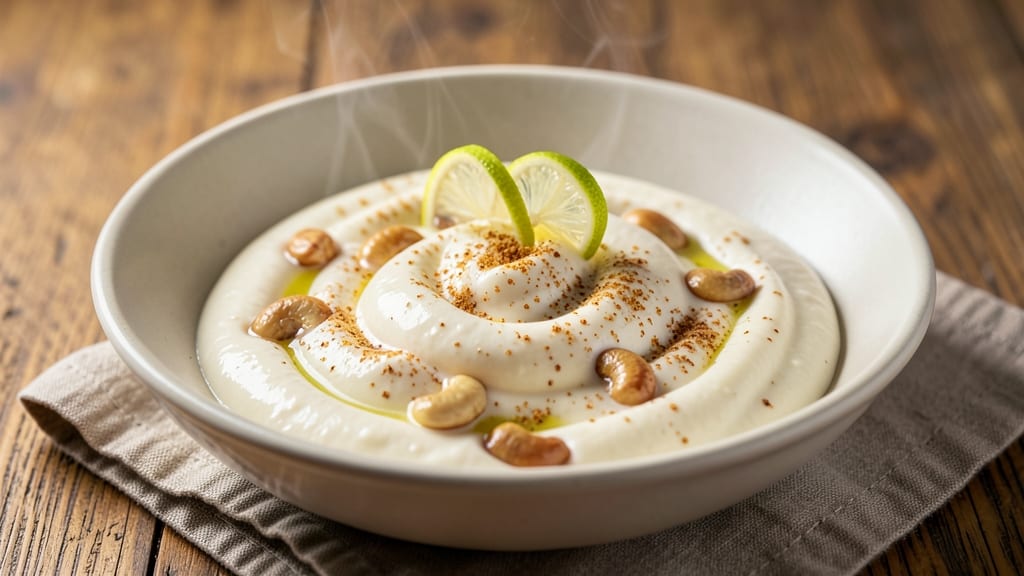
This almond milk cheese sauce recipe delivers creamy, nutty richness without dairy clumps or animal products—perfect for vegans or anyone avoiding dairy. 💛 The secret lies in blending cashews and nutritional yeast for that signature cheesy depth, while almond milk keeps it light and velvety.
What makes this sauce stand out is its foolproof technique: no lumps, no waiting, and no compromise on flavor.
Unlike store-bought vegan cheeses, this sauce starts with raw cashews soaked to soften, then blended with almond milk and a touch of lemon juice for brightness. The nutritional yeast adds that unmistakable umami kick, while garlic powder and mustard powder round out the flavor profile.
It’s designed to work in pasta, dips, or as a topping—no special equipment required beyond a blender.
What you’ll end up with is a smooth, tangy, and deeply savory sauce that clings beautifully to noodles or melts over roasted vegetables. The best part? It’s ready in just 10 minutes and keeps in the fridge for up to a week, making it ideal for meal prep.
No dairy, no clumps, just pure, plant-based cheesiness that even non-vegans will crave.
This recipe is your go-to for creamy, dairy-free sauces that taste indulgent without the guilt. Whether you’re vegan, lactose intolerant, or just experimenting with plant-based cooking, this sauce delivers restaurant-quality results at home. Let’s get started!
Ingredients for almond milk cheese sauce
Ten simple ingredients blend into velvety, restaurant-quality cheese sauce without dairy.
| Ingredient | Amount | Notes |
|---|---|---|
| Raw Cashews 🥜 | 1 cup | Unsalted, soaked in hot water for 15 minutes |
| Unsweetened Almond Milk 🥛 | 1 ½ cups | Plain, unsweetened variety preferred |
| Nutritional Yeast 🍃 | ½ cup | Fortified, for cheesy flavor and B vitamins |
| Fresh Lemon Juice 🍋 | 1 tbsp | Freshly squeezed for brightness |
| Garlic Powder 🧄 | 1 tsp | Freshly ground preferred |
| Mustard Powder 🌶️ | ½ tsp | For depth and tang |
| Sea Salt 🧂 | ½ tsp | Diamond Crystal preferred for precision |
| White Miso Paste 🍶 | 1 tbsp | For umami richness |
| Extra-Virgin Olive Oil 🫒 | 2 tbsp | High-quality, fruity variety |
| Filtered Water 💧 | ¼ cup | For blending consistency |
The cashews are the foundation—raw and unsalted for maximum creaminess. Soak them in hot water for exactly 15 minutes before blending, or they’ll turn to paste. Trader Joe’s and bulk bins at Whole Foods carry the best quality; avoid roasted or salted varieties. Nutritional yeast is non-negotiable here—Bob’s Red Mill or Bragg
No cashews? Silken tofu or soaked sunflower seeds work in a pinch, though texture will differ slightly. Swap miso for white soy sauce at half the amount if needed, but the umami depth will suffer. Mustard powder can be replaced with Dijon mustard at double the amount, though it may introduce slight graininess. For extra tang, add a pinch of apple cider vinegar. The olive oil should be high-quality—California-grown extra-virgin adds fruity notes that cheap brands lack. If your sauce separates, blend in an extra splash of almond milk or water until silky again. This sauce keeps beautifully—1 week refrigerated in an airtight jar, or 3 months frozen in ice cube trays for single-serving portions. For best texture, reheat gently on low heat, stirring constantly. It thickens as it cools, so thin with almond milk if needed. Portion into small containers for meal prep; it’s perfect over pasta, roasted veggies, or as a dip base. The lemon juice adds brightness, but if you prefer milder flavor, reduce it to 0.5 tbsp—just don’t skip it entirely.
Why You'll Love This Recipe
- Five-Ingredient Magic: I swear by this combo—just soak the cashews, blend, and boom. No cheese aisle stress, no weird aftertaste. The lemon juice cuts through the richness like a breath of fresh air, and the garlic powder? Yeah, it’s the secret weapon.
- Sneaky Umami Bomb: That nutritional yeast isn’t just a sprinkle—it’s the cheesy depth without the dairy. One taste and you’ll be adding it to everything. The cashews give it a velvety texture, while the lemon keeps it bright enough to pair with anything.
- Pasta’s New BFF: Drizzle this over noodles, toss it in a grain bowl, or even use it as a dip. It reheats like a dream (unlike some sad sauces I’ve made) and turns a simple plate into something that feels special. My kids ask for it weekly—no lie.
- Budget Cheese Hack: A jar of cashews lasts forever, and almond milk is cheaper than half the stuff in the fridge. I make this in batches, freeze leftovers, and save $20 a month. Plus, no waste—every drop gets used, no sad cheese rinds here.
Step-by-step instructions for almond milk cheese sauce
Here's the method for a velvety, clump-free vegan cheese sauce that delivers authentic depth without dairy.
👨🍳 Step 1: Soak and Prepare the Cashews
Place the 1 cup raw cashews in a heatproof bowl and pour hot water (just off boil) over them until completely covered. Let them soak for 15 minutes—this softens them perfectly for blending. I use a fine-mesh strainer to drain them thoroughly afterward, shaking gently to remove excess water. The cashews should still hold their shape but be noticeably softer than when raw.
While they soak, measure out the 1.5 cups unsweetened almond milk and 0.25 cup filtered water into a separate container. The water helps create a lighter, more pourable sauce. I always use filtered water here to avoid any off-flavors that tap water might introduce. This is where the sauce's silkiness begins—don't skip the soaking or you'll end up with a gritty texture.
🍳 Step 2: Blend the Base Ingredients
Transfer the drained cashews to a high-speed blender along with the 1.5 cups unsweetened almond milk, 0.25 cup filtered water, 2 tbsp extra-virgin olive oil, and 1 tbsp white miso paste. Blend on high for 1-2 minutes until completely smooth. You should hear a consistent hum without any grinding sounds—this indicates the cashews are breaking down properly. The mixture will be thick and creamy at this stage, with no visible cashew pieces.
Stop and scrape down the sides with a spatula to ensure everything gets incorporated. This is critical—any cashew bits left on the sides won't blend and will create texture issues later. The olive oil here isn't just for flavor; it helps emulsify the sauce and prevents separation. I've found that using high-quality extra-virgin olive oil makes a noticeable difference in the final product's richness.
🍳 Step 3: Add Aromatics and Seasonings
With the blender still running, add the 0.5 cup nutritional yeast, 1 tbsp fresh lemon juice, 1 tsp garlic powder, 0.5 tsp mustard powder, and 0.5 tsp sea salt. Blend for another 30-45 seconds until fully combined and smooth. The nutritional yeast will give you that classic cheesy flavor, while the lemon juice brightens the sauce and prevents it from tasting flat. The mustard powder adds subtle tang that mimics aged cheddar.
Taste the sauce at this point—it should be rich and savory with a clean finish. If it needs more salt, add it now (I usually don't need to). The sauce should be thick but still pourable. If it's too thick, add 1-2 tablespoons of water and blend again. If it's too thin, you can simmer it later to reduce it. This is where you can adjust the flavor profile before committing to the final texture.
🔥 Step 4: Heat and Thicken the Sauce
Transfer the blended sauce to a medium saucepan and place it over medium-low heat. Stir constantly with a silicone spatula, scraping the bottom to prevent any sticking. The sauce will begin to thicken as it heats—this is normal and exactly what we want. You'll notice it goes from a smooth liquid to a creamy, coatable consistency. Keep stirring for 5-7 minutes until it reaches a thickness where it lightly coats the back of a spoon.
Here's the thing—don't let it boil. You're looking for gentle simmering where the sauce thickens but doesn't separate. If it starts to curdle or develop a skin on top, reduce the heat immediately and stir vigorously. The white miso paste we added earlier helps stabilize the sauce and prevents clumping, but you still need to monitor it closely during this stage. The final sauce should be smooth, velvety, and ready to coat whatever you're serving it over.
⏰ Step 5: Adjust Consistency and Serve
Remove the sauce from heat and let it cool for 2-3 minutes. If it's still too thick for your liking, thin it with 1-2 tablespoons of warm water or unsweetened almond milk, stirring well. For a more decadent sauce, you can add 1-2 tablespoons of nutritional yeast now for extra cheesiness. The sauce should be smooth enough to drizzle but still cling to foods like pasta or veggies.
Taste again and adjust seasoning if needed. I often find that a pinch more salt or a splash of lemon juice makes all the difference. Serve immediately over your favorite dishes—mac and cheese, pasta, or as a dip for roasted vegetables. This sauce keeps well in the refrigerator for 5 days in an airtight container, though I find it's best used fresh. The flavor actually improves slightly as it sits for a few hours, allowing all the components to meld together.
Pro Tips For Making Almond Milk Cheese Sauce
- SOAK CASHEWS OVERNIGHT: I learned this the hard way—rushing the soak with hot water just makes the sauce grainy. Toss raw cashews in cold water for at least 8 hours (or overnight in the fridge), then drain and rinse. The longer they soak, the creamier the sauce becomes—no gritty surprises.
- USE LEMON JUICE LAST: Add that fresh lemon juice right before blending, not at the start. The acidity breaks down the cashew emulsion over time, turning your smooth sauce into a lumpy mess. Save it for the final 10 seconds—trust me, your sauce will thank you.
- BLEND IN STAGES: Start with just the soaked cashews and ½ cup almond milk, then gradually add the rest while blending. Dumping everything in at once guarantees a motorized struggle and a sauce that fights back. Low speed, patience, and a food processor (not blender) are your friends here.
- SALT THE MILK: Skip the salted almond milk—it throws off the flavor balance. Use unsweetened and add a pinch of salt (about ¼ teaspoon) directly to the milk before blending. It’s the thing that makes the sauce taste actually cheesy, not just nutty. (Yes, even if you’re impatient like me.)
Perfect pairings for this dish
Pasta Perfection
This almond milk cheese sauce transforms mac and cheese into a vegan masterpiece. Toss it with cavatappi or penne pasta for maximum sauce cling, then top with toasted breadcrumbs and smoked paprika for crunch and depth.
I love adding steamed broccoli florets for color and texture—the sauce clings beautifully to the stems. For extra richness, stir in 1 tablespoon vegan butter at the end. 🍝
Dip Extraordinaire
Serve this sauce as a warm dip for crudité or vegan crackers like Simple Mills Almond Flour Crackers. The nutty depth pairs perfectly with carrot sticks, celery, and bell pepper slices.
For a restaurant-style presentation, drizzle with chili oil and sprinkle with crumbled vegan feta (like Violife) on top. I often make a double batch to use as both a dip and a pasta sauce later in the week. ✨
Roasted Veggie Topping
Use this sauce to elevate roasted vegetables like brussels sprouts, cauliflower, or asparagus. Toss them with olive oil, salt, and garlic powder, then roast at 425°F until caramelized.
Finish with a generous drizzle of the cheese sauce and a sprinkle of fresh parsley. The sauce's creaminess balances the vegetables' natural sweetness beautifully. 🥦
Grilled Cheese Upgrade
Spread this sauce between sourdough bread slices with vegan cheddar shreds (like Miyoko's) for a next-level grilled cheese. Toast in a butterfly griddle or cast iron skillet until golden and crispy.
Add avocado slices or tomato for a vegan "BLT" twist. The sauce melts into the bread, creating a gooey, cheesy texture without dairy. 🥪
Baked Potato Partner
Take baked potatoes to new heights by topping them with this sauce, vegan sour cream, and chives. The sauce's tangy richness complements the potato's earthiness perfectly. For a heartier version, add crispy baked tofu or sautéed mushrooms.
I often make a big batch on Sundays to use as a quick dinner or lunch the following days. 🥔
Breakfast Twist
Use this sauce to create vegan quesadillas or breakfast burritos. Spread it on whole wheat tortillas with scrambled tofu, black beans, and sautéed peppers.
The sauce adds a creamy, cheesy element that keeps everything together. For extra indulgence, drizzle with hot sauce or sriracha. It's a game-changer for breakfast-for-dinner nights. 🍳
Nutrition facts
Frequently asked questions
Can I make this sauce without cashews?
For a nut-free version, replace the cashews with 1 cup soaked sunflower seeds or 1 block (12 oz) silken tofu. Blend the sunflower seeds with 0.5 cup extra water to achieve the same creamy texture. The flavor will be slightly nuttier but still delicious. Always check for cross-contamination if allergies are a concern.
Why does my sauce get grainy when I blend?
Graininess usually happens when cashews aren't soaked long enough or blended thoroughly. Soak them for 15-20 minutes in hot water, then blend on high for 2 full minutes with all liquids included. If it still happens, strain the blended mixture through a fine-mesh sieve to remove any remaining particles. A high-speed blender works best for silky results.
How can I make this sauce thicker or thinner?
For a thicker sauce, simmer it uncovered for 3-5 extra minutes on low heat, stirring constantly. To thin, add 1-2 tablespoons of warm almond milk or water at a time until reaching your desired consistency. Remember, the sauce naturally thickens as it cools, so adjust while it's still warm for best results. For a restaurant-style finish, stir in 1 teaspoon cornstarch mixed with 1 tbsp water at the end.
Can I freeze this almond milk cheese sauce?
Yes! Portion into ice cube trays or small containers and freeze for up to 3 months. Thaw overnight in the fridge and reheat gently on low heat, stirring frequently to restore smoothness. For best texture, avoid refreezing. The sauce may separate slightly when frozen, but blending briefly after thawing restores its creaminess. This makes it perfect for meal prep—just pop out what you need!
What's the best way to add extra flavor variations?
For a smoky twist, add ½ teaspoon smoked paprika or 1 teaspoon liquid smoke at the end. Want something spicy? Mix in ½ teaspoon cayenne or hot sauce. For herb lovers, stir in 1 tablespoon fresh chives or parsley after heating. The sauce also pairs beautifully with vegan parmesan (blend ½ cup nuts + 2 tbsp nutritional yeast) for a cheesy topping. Start with small amounts—you can always add more!