
Sauces & Condiments
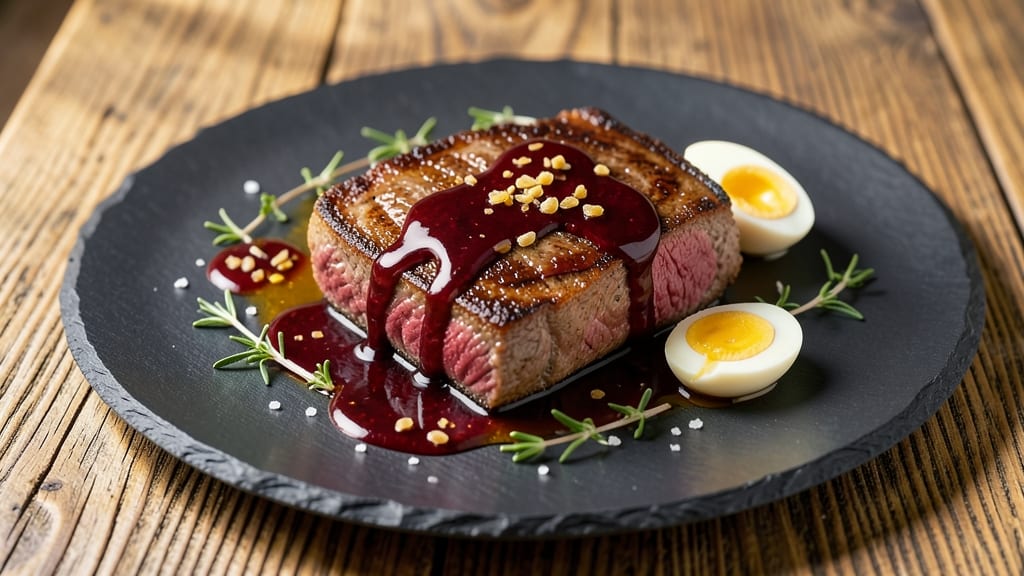
This balsamic vinegar steak sauce transforms simple grilled steaks into restaurant-worthy masterpieces with just 10 minutes of simmering. The secret lies in caramelizing balsamic vinegar with honey and butter until it develops a deep, glossy richness that clings beautifully to every bite.
I developed this recipe after years of experimenting with finishing sauces—this version cuts through the richness of steak while adding layers of sweet-tart complexity that elevate even the most basic cut.
The process couldn't be simpler: combine equal parts balsamic vinegar and honey in a saucepan, then whisk in butter as it reduces to a thick, syrupy consistency. No fancy ingredients required—just pantry staples that work together to create a sauce with perfect balance.
The result? A glossy, amber sauce that's perfect for drizzling over grilled steaks, using as a marinade, or serving as a dipping sauce for crusty bread.
What makes this sauce truly special is its versatility. Use it to glaze steaks before grilling for extra flavor, drizzle it over finished meat for that restaurant-quality sheen, or even reduce it further to create a tangy reduction for deglazing pans.
The caramelized edges add depth that store-bought sauces simply can't match, while the balsamic's acidity cuts through the richness of the meat.
Once you try this sauce, you'll never buy pre-made again. The ingredients are minimal, but the flavor impact is massive—transforming ordinary steaks into showstopping centerpieces. Let's make this sauce that will become your new kitchen essential.
Ingredients for balsamic vinegar steak sauce
Five simple ingredients create this restaurant-worthy steak sauce with just 10 minutes of simmering.
| Ingredient | Amount | Notes |
|---|---|---|
| Balsamic Vinegar 🍷 | ½ cup | Aged, high-quality preferred |
| Honey 🍯 | ½ cup | Wildflower or clover variety |
| Unsalted Butter 🧈 | ½ cup | Cold, cubed for even melting |
| Shallots 🧅 | 2 whole | Minced for sweet depth |
| Garlic Cloves 🧄 | 2 cloves | Peeled, minced finely |
| Fresh Thyme Leaves 🌿 | 1 tbsp | Or 1 tsp dried thyme |
| Salt 🧂 | ½ tsp | Kosher or sea salt |
| Black Pepper 🌶️ | ¼ tsp | Freshly ground preferred |
The balsamic vinegar is the star here—aged varieties from Italian markets have the deepest flavor, but any good-quality balsamic works. I grab mine from Trader Joe's because it's reliable and affordable. The honey should be wildflower or clover—avoid the super-processed stuff. Shallots add sweetness without overpowering, and I always use fresh garlic (never the jarred kind). The butter? Cold cubes melt more evenly and give you better control over the sauce's consistency. Fresh thyme is ideal, but dried works in a pinch—just use one-third the amount.
No balsamic vinegar? Red wine vinegar with 1 tbsp extra honey gets you close. Subbing honey for maple syrup adds a subtle earthiness. The butter can be swapped for vegetable shortening if you're avoiding dairy, but it won't taste the same. Short on shallots? Extra minced onion works, but it'll be more pungent. The sauce thickens as it cools, so if it's too thin while warm, simmer uncovered for 2-3 more minutes. And if you're feeling fancy, add a pinch of smoked paprika at the end for depth.
This sauce keeps beautifully—1 week in the fridge sealed in a jar. The flavors actually deepen over time, so make extra. For a quick glaze, just warm it gently. If the sauce hardens, microwave 10 seconds with 1 tsp water to restore its gloss. I always keep a small jar in my fridge for last-minute steak dinners—it's the easiest way to elevate a simple grilled steak into something special.
Why You'll Love This Recipe
- Five-Ingredient Magic: I swear by this combo—just vinegar, honey, butter, shallots, and garlic. That’s it. No fancy pantry trips, no last-minute grocery runs. Honestly, I’ve made it when my fridge was bare except for a leftover steak and a jar of balsamic.
- Sweet-Savory Balance: The honey cuts the tang of the balsamic so smoothly, while the butter adds this rich, velvety finish. That first spoonful? It’s like a hug for your taste buds—bright, deep, and just a little bit decadent without trying too hard.
- Weeknight Steakhouse: Drizzle it over grilled steak for a fancy feel in 10 minutes. Or toss it with roasted potatoes and green beans for a dinner that feels special without the effort. Between us, my kids ask for this more than takeout.
- Leftovers That Last: Make a double batch—it keeps for weeks in the fridge. Use it on eggs in the morning, toss it with pasta, or even glaze chicken. I’ll be real: I’ve had it last through three different meals, and it’s still the star.
Step-by-step instructions for balsamic vinegar steak sauce
This sauce delivers that signature glossy finish and rich depth you crave on grilled steaks.
Sauté Shallots and Garlic Until Sweet
Melt the 0.5 cup unsalted butter in a medium saucepan over medium heat. Add the 2 whole minced shallots and cook for 5-6 minutes, stirring frequently, until they become soft and translucent. This is where the magic starts—the shallots should smell sweet and caramelized, not burnt.
Lower the heat slightly and add the 2 cloves minced garlic. Cook for another 30 seconds until fragrant—you'll know it's ready when the kitchen fills with that unmistakable garlic aroma. Be careful not to let it brown, or it'll turn bitter. Remove the pan from heat momentarily while you prep the next ingredients.
Add Honey and Balsamic for Caramelization
Return the pan to medium heat and stir in the 0.5 cup honey. Let it simmer gently for 3-4 minutes, stirring occasionally, until it begins to thicken slightly and the mixture turns a golden amber color. This is the moment that matters—the honey should coat the back of a spoon and form a glossy sheen.
Next, pour in the 0.5 cup balsamic vinegar. Watch closely as it bubbles and reduces—this is where the sauce develops its signature depth. Simmer for 5-6 minutes until the liquid reduces by about half and the sauce thickens to a syrupy consistency. You're aiming for a glossy, sticky glaze that will cling beautifully to your steak.
Finish with Thyme and Seasonings
Stir in the 1 tbsp fresh thyme leaves, 0.5 tsp salt, and 0.25 tsp black pepper. Let the sauce simmer for another 2 minutes, allowing the thyme to release its aromatic oils. Taste and adjust seasoning if needed—this is your chance to balance the sweetness with acidity and saltiness.
For the perfect finish, remove the pan from heat and let the sauce cool slightly. If it's too thick, you can thin it with a splash of water or steak juices later. The sauce should be glossy, sticky, and ready to elevate any grilled steak to restaurant-quality status.
Simmer to Intensify Flavors (Optional but Recommended)
For an even deeper flavor, return the sauce to low heat and let it simmer uncovered for 10-15 minutes. This step intensifies the caramelization and allows the balsamic to develop its signature tang. Stir occasionally to prevent sticking, and watch as the sauce transforms into a rich, concentrated glaze.
Once complete, the sauce should coat the back of a spoon and have a glossy sheen. Let it cool to room temperature before using—this allows the flavors to meld and the sauce to thicken further. Store any leftovers in an airtight container in the refrigerator for up to 2 weeks, or freeze for longer storage.
Pro Tips For Making Balsamic Vinegar Steak Sauce
- DEGLAZE LOW AND SLOW: After cooking shallots and garlic, turn the heat down to medium-low when adding balsamic vinegar—high heat makes it burn before it reduces. I learned this the hard way when my sauce turned bitter and smoky instead of rich and glossy. Let it simmer uncovered for 5-7 minutes, stirring occasionally, until it thickens to coat the back of a spoon.
- MINCE SHALLOTS FINELY: Tiny shallot pieces dissolve into the sauce instead of sitting as chunks, so chop them as small as you can without turning them into paste. I used to leave them in big pieces, and they’d just sit there like little flavorless rocks. A sharp knife and a steady hand make this easier—no food processor needed.
- BALANCE THE SWEETNESS: Taste the sauce before adding honey, then adjust in ½-teaspoon increments—too much makes it cloying, too little leaves it sharp. I was guilty of dumping in all the honey at once, then wondering why the steak tasted like dessert. Start conservative, especially if your balsamic is already tangy.
- USE COLD BUTTER: Add the butter at the very end, off the heat, and let it melt slowly—this keeps the sauce smooth instead of breaking into greasy lumps. I used to toss it in while simmering, and the sauce would split like oil in water. A few pats of cold butter at the last second gives it that velvety finish without ruining the texture.
Storing and reheating your balsamic vinegar steak sauce
Fridge Storage Tips
Transfer your cooled sauce to a clean, airtight glass jar—I use Ball mason jars because they seal tightly and keep flavors fresh. Store in the fridge for up to 1 week, where the flavors actually deepen over time.
The sauce may thicken slightly when chilled, so give it a quick stir before using. If it becomes too stiff, warm it gently on the stove or microwave with 1 tsp water to restore its glossy texture. 🧂
Freezing for Long-Term
For longer storage, portion the sauce into silicone molds or small jars, leaving ½-inch headspace to prevent cracking. Freeze for up to 3 months—the sauce will keep its rich flavor but may separate slightly.
Thaw in the fridge overnight, then reheat gently on low heat, stirring occasionally. Avoid microwaving directly from frozen, as it can make the sauce grainy. 🥶
Reheating Perfection
For the best texture, reheat sauce in a small saucepan over low heat with 1-2 tbsp water or steak juices to prevent scorching. Stir constantly until warmed through—3-5 minutes should do it.
If using in a hurry, microwave in 20-second bursts, stirring between each, until smooth. The goal is to restore that glossy, syrupy consistency without breaking the sauce's delicate balance. 🔥
Glazing Steaks Later
Brush chilled sauce directly onto room-temperature steaks just before grilling for a quick glaze. The heat will caramelize the sauce into a sticky, flavorful crust. For extra shine, warm the sauce to 160°F before applying—this ensures even coverage.
I like to glaze steaks in the last 2 minutes of cooking to maximize flavor development. 🥩
Reviving Thickened Sauce
If your sauce thickens too much in storage, thin it with warm water or beef broth—start with 1 tsp and adjust to reach your desired consistency. For a richer option, stir in 1 tsp melted butter to restore body.
The key is patience: let the sauce sit for 5 minutes after adding liquid before tasting again, as it continues to thicken as it cools. ✨
Marinade Adaptation
Use this sauce as a marinade by thinning it with 1 tbsp olive oil per ½ cup sauce. Coat steaks generously and marinate for 30-60 minutes before grilling.
The acidity in the balsamic tenderizes the meat while the honey adds caramelized depth. Always pat the steaks dry before cooking to ensure a perfect sear. 🍯
Nutrition facts
Frequently asked questions
Can I make this sauce without honey?
Yes! Swap the honey for ½ cup maple syrup for a similar caramelized depth, or use ¼ cup brown sugar if you prefer a more pronounced sweetness. For a sugar-free version, reduce the balsamic to ¼ cup and add 1 tbsp lemon juice to balance the acidity. The sauce will still develop that glossy finish but with a slightly different flavor profile.
How do I know when the sauce is ready?
The sauce is perfect when it coats the back of a spoon with a thick, glossy consistency and reduces to about ½ cup total from the original 1 cup of liquid. It should bubble gently and smell richly caramelized with hints of balsamic tang. If it's too thin, simmer uncovered for 2-3 more minutes—if too thick, thin with 1 tsp water or steak juices later.
Can I use this sauce on other meats besides steak?
This sauce works beautifully on grilled chicken, pork chops, or even as a glaze for roasted vegetables. For poultry, reduce the simmering time to 8-10 minutes to prevent over-acidifying the meat. On fish, use it sparingly—just 1 tbsp per fillet—since the acidity can cook delicate fish too quickly.
Why did my sauce turn bitter?
Bitter flavors usually mean the balsamic or honey was overcooked or the garlic/browned. Always keep heat at medium-low when reducing, and remove the pan from heat as soon as you see caramelized edges forming. For next time, try adding ½ tsp vanilla extract at the end to mellow any harsh notes. If it's already bitter, balance it with 1 tsp extra honey or a splash of orange juice.
Can I make this sauce in a slow cooker?
Yes! Combine all ingredients in your slow cooker and cook on low for 2-3 hours, stirring occasionally. The sauce will reduce more slowly, so you may need to add 1-2 tbsp water halfway through to prevent burning. For a quicker version, use high for 1 hour, but check frequently. The texture will be slightly thinner, so simmer it on the stove for 5 minutes afterward to thicken.