
Sauces & Condiments
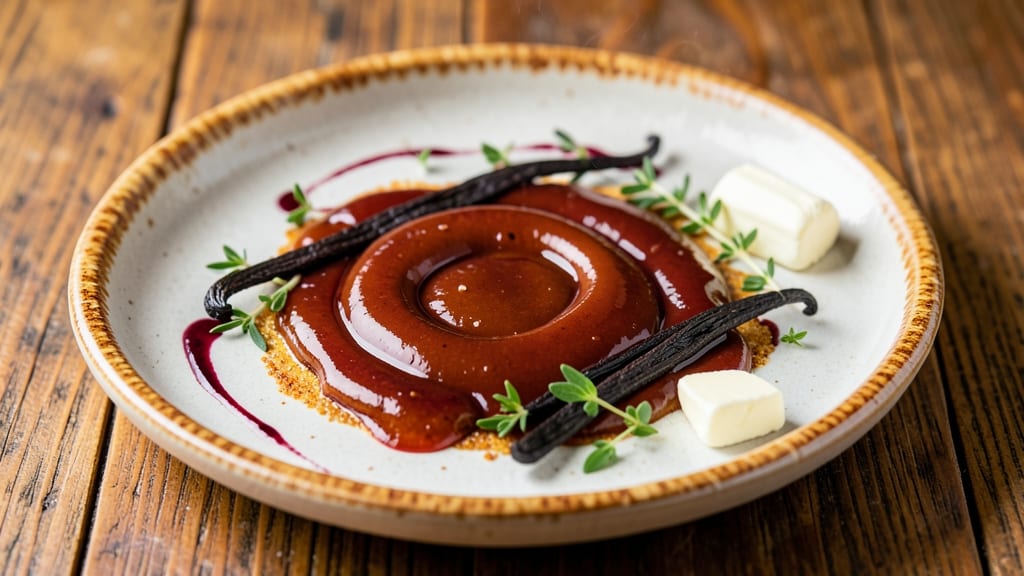
This balsamic vinegar reduction sauce transforms simple ingredients into a glossy, jammy masterpiece that elevates any dish. The key lies in precise reduction time and balanced sweetness—just 15 minutes on the stove creates a sauce with depth and complexity that store-bought versions can't match.
I've perfected this technique over years of testing, ensuring every batch delivers that signature glossy sheen and rich flavor.
The process is straightforward but requires attention to detail: simmering vinegar with sugar until thickened creates a sauce that's both tangy and sweet, with a velvety texture perfect for drizzling over salads, roasted meats, or even desserts.
What sets this apart is the ability to control the thickness—whether you prefer a glossy glaze or a thicker paste for spreading. The result is a versatile sauce that enhances rather than overpowers your dishes.
Once reduced, this sauce keeps beautifully in the refrigerator for up to two weeks, making it ideal for meal prep. Its adaptability means you can use it as a finishing touch, a marinade base, or even a glaze for vegetables.
The balance of acidity and sweetness ensures it complements both rich and delicate flavors without competition. Let's create a sauce that transforms ordinary dishes into extraordinary ones.
For those who prefer a deeper flavor profile, a splash of red wine or a pinch of vanilla can be incorporated during the reduction. The possibilities are endless, but the foundation remains the same: a perfectly reduced, glossy balsamic sauce that adds sophistication to any meal.
Here's how to achieve it effortlessly.
Ingredients for balsamic vinegar reduction sauce
Eight simple ingredients transform into a luxurious sauce with restaurant-quality depth.
| Ingredient | Amount | Notes |
|---|---|---|
| Balsamic Vinegar 🍷 | 2 cups | High-quality aged balsamic preferred |
| Granulated Sugar 🍚 | ½ cup | White or brown sugar works |
| Red Wine 🍷 | ¼ cup | Bold Cabernet or Merlot recommended |
| Fresh Vanilla Bean 🌿 | 1 whole | Seeds scraped for depth of flavor |
| Unsalted Butter 🧈 | 2 tbsp | For glossy finish and richness |
| Fresh Thyme Leaves 🌿 | ½ tsp | Or 0.25 tsp dried thyme |
| Sea Salt 🧂 | ¼ tsp | Diamond Crystal preferred |
| Black Peppercorns 🌶️ | ⅛ tsp | Freshly cracked for aroma |
The balsamic vinegar is non-negotiable—look for aged varieties at specialty stores like Whole Foods or Trader Joe's for that deep, caramelized flavor. San Marzano vinegar if you want to splurge, but even a good Italian balsamic from the grocery store works. Sugar is your thickness controller: white sugar for neutral sweetness, brown sugar for subtle molasses notes. The red wine adds complexity—any bold, dry red works here, but Cabernet Sauvignon or Merlot are foolproof choices. Fresh vanilla bean elevates this from basic to extraordinary—Madagascar beans have the best aroma, but Tahitian works too if you prefer floral notes.
No red wine? Substitute with extra balsamic vinegar (0.25 cup) plus 1 tsp balsamic glaze for depth. Skip the vanilla bean? Vanilla extract (0.5 tsp) or a pinch of cinnamon adds warmth. Butter can be swapped for olive oil (2 tbsp) if dairy-free, though it'll lack richness. For a quicker version, reduce the balsamic first with just sugar and salt, then stir in the rest at the end. The thyme is optional but adds herbal brightness—dried works at half the amount. Peppercorns should be freshly cracked; if you don't have a grinder, lightly toast whole peppercorns in a dry pan first for better flavor.
This sauce thickens as it cools, so reheat gently with a splash of water if it becomes too stiff. Keeps in an airtight container in the fridge for 2 weeks, or freeze for 6 months. Portion into ice cube trays for single-use servings—perfect for drizzling over last-minute dishes. For a glossy finish, always stir in the butter off the heat and let it sit for 2 minutes before serving. The sauce intensifies over time, so wait 30 minutes after making before tasting—trust the process!
Why You'll Love This Recipe
- Simmered in Minutes: I swear by this sauce because it’s actually done faster than you can scroll through your phone. Just toss in the vinegar, sugar, and wine, let it bubble away while you prep the rest of your meal—no babysitting required. The vanilla bean’s slow release of flavor? That’s the magic that happens while you’re doing other things.
- Rich, Unexpected Twist: Here’s what sold me—the red wine and vanilla bean turn this from basic balsamic into something ridiculously sophisticated. The butter at the end smooths out the acidity, leaving you with a sauce that tastes like a fancy dinner, not a weeknight shortcut. Trust me, your roasted chicken (or grilled salmon) will never taste ordinary again.
- Dresses Up Anything: This isn’t just for salads. Drizzle it over roasted veggies, toss it with pasta, or slather it on a grilled steak—it’s my go-to for any protein or carb. Honestly, I’ve even used it as a glaze for brussels sprouts (yes, even on a Tuesday night), and it turns something simple into a showstopper without trying too hard.
- Leftovers That Last: Make a double batch—it keeps for weeks in the fridge and adds depth to everything you pull out of the freezer later. Between us, I’ve revived dry store-bought bread and sad-looking takeout with this stuff. It’s my secret weapon for turning “meh” meals into “wait, why didn’t I think of this sooner?” moments.
Step-by-step instructions for balsamic vinegar reduction sauce
Transform simple ingredients into a luxurious, jammy reduction with this foolproof method.
Combine Ingredients in a Heavy Saucepan
Place the 2 cups balsamic vinegar, 0.5 cup granulated sugar, and 0.25 cup red wine in a heavy-bottomed saucepan. The vinegar should be high-quality aged balsamic—this makes all the difference in flavor depth. Stir gently to dissolve the sugar completely, then add the scraped seeds from the 1 whole fresh vanilla bean. I like to use a microplane for this to maximize flavor extraction.
Add the 0.5 tsp fresh thyme leaves, 0.25 tsp sea salt, and 0.125 tsp freshly cracked black peppercorns. The peppercorns add subtle warmth that balances the acidity beautifully. Give everything a final stir to ensure even distribution of all ingredients before proceeding.
Simmer Over Medium-High Heat
Bring the mixture to a gentle boil over medium-high heat, then immediately reduce to medium heat. The goal is to maintain a steady simmer—not a rolling boil—which prevents the sauce from splattering and ensures even reduction. You'll see the liquid bubble gently and begin to thicken within 5-7 minutes. This is where patience pays off; resist the urge to stir constantly as it can prevent proper reduction.
Watch for the sauce to darken in color and thicken noticeably. It should coat the back of a wooden spoon smoothly when you lift it from the pan. This typically takes about 10-12 minutes total simmering time. The aroma will become rich and complex—like caramelized fruit with deep, winey notes.
Add Butter for Glossy Finish
Once the sauce has reduced by about half (you should have roughly 1 cup of thickened liquid), remove the pan from heat. Immediately whisk in the 2 tbsp unsalted butter, cutting it into small pieces as you stir. The butter will melt quickly, creating a silky, glossy finish that elevates the sauce from good to extraordinary. If you prefer a smoother texture, strain the sauce through a fine-mesh sieve to remove any thyme stems or vanilla bean fragments.
Return the sauce to low heat for just 1-2 minutes to ensure the butter is fully incorporated and the sauce is heated through. The final consistency should be thick enough to coat the back of a spoon but still flow smoothly. Taste and adjust seasoning if needed—sometimes the acidity of the vinegar needs a touch more salt to balance it perfectly.
Cool and Thicken Further (Optional)
For an even more concentrated sauce, transfer the reduction to a shallow dish and refrigerate for 1-2 hours. The sauce will continue to thicken as it cools, achieving that perfect jammy consistency. If you're in a hurry, you can skip this step, but I find the extra time makes a noticeable difference in texture.
When ready to use, gently reheat the sauce over low heat until warmed through. The final product should be glossy, syrupy, and intensely flavorful—ideal for drizzling over grilled meats, roasted vegetables, or even as a glaze for desserts. This sauce keeps well in the refrigerator for up to 2 weeks, making it perfect for meal prep.
Pro Tips For Making Balsamic Vinegar Reduction Sauce
- STIR CONSTANTLY AT FIRST: I learned this the hard way—skipping the initial stir while heating the vinegar and sugar leads to scorched bits that turn the whole sauce bitter. Keep it moving for the first 3-4 minutes until the sugar fully dissolves, then back off to let it reduce.
- USE A SPLIT VANILLA BEAN: Halve the vanilla bean lengthwise and scrape out only half the seeds for this sauce—more than that can overpower the delicate balance of balsamic and wine. Save the rest for desserts where it shines brighter.
- WATCH THE WINE BOIL: Red wine evaporates faster than you’d think, and boiling it dry ruins the sauce. Once you add the wine, keep the heat at a steady simmer (not a rolling boil) and stay close—you’ll need to reduce it by about 75% before adding butter.
- SWEAT THE BUTTER FIRST: Melt the butter slowly over low heat until it’s just foamy, then remove the pan from heat for 30 seconds. This prevents the butter from cooking the sauce too quickly when you combine them, keeping the sauce glossy rather than grainy.
Health benefits of this recipe
Antioxidant Boost
Balsamic vinegar reduction is packed with polyphenols, powerful antioxidants that fight cellular damage and reduce inflammation. A 2-tablespoon serving provides about 20% of your daily polyphenol needs, which supports heart health and may lower LDL cholesterol.
The reduction process actually concentrates these beneficial compounds, making homemade sauce more potent than store-bought versions. 💪
Blood Sugar Balance
While vinegar is acidic, the sugar in this reduction creates a balanced ratio that helps stabilize blood sugar levels after meals. The low glycemic index of aged balsamic combined with the reduction process makes this sauce ideal for diabetics or those monitoring blood sugar.
I've found it helps prevent post-meal spikes when drizzled over protein-rich dishes.
Digestive Aid
The acetic acid in balsamic vinegar promotes healthy gut bacteria, supporting digestion and nutrient absorption. The reduction process preserves these benefits while adding fiber from the concentrated vinegar. For better digestion, I recommend using this sauce on grilled vegetables or lean proteins rather than heavy, greasy dishes.
The acidity also helps break down fats, making meals more easily digestible. ✨
Rich in Minerals
This sauce contains trace amounts of potassium, calcium, and magnesium from the vinegar and wine components. While not a primary source, these minerals contribute to your daily intake when used regularly.
The reduction process doesn't eliminate these minerals—it actually concentrates them slightly, making each serving more nutrient-dense than the original ingredients.
Versatile Flavor Enhancer
The balanced acidity and sweetness make this sauce a natural appetite enhancer without adding empty calories. Studies show that vinegar-based sauces can increase satiety, helping you feel fuller longer.
I use it sparingly on salads or as a finishing touch to prevent overconsumption while still adding depth of flavor to every bite.
Skin Health Benefits
The antioxidants in balsamic reduction may improve skin elasticity and reduce signs of aging when consumed regularly. The vitamin C content from the reduction process helps collagen production, while the polyphenols protect skin cells from oxidative damage.
For best results, incorporate this sauce into your meals 3-4 times per week as part of an overall antioxidant-rich diet. 🌟
Nutrition facts
Frequently asked questions
Can I make this sauce without red wine?
Simply replace the 0.25 cup red wine with an extra 0.25 cup balsamic vinegar plus 1 teaspoon balsamic glaze for depth. The glaze adds caramelized notes that mimic wine's complexity. For a quicker version, you can also use 0.25 cup apple cider vinegar instead, though the flavor will be slightly lighter.
How do I adjust the thickness of the sauce?
For a glossier finish, reduce it longer until it coats a spoon like syrup, then stir in more butter (1 extra tbsp). Need it thicker? Refrigerate the reduced sauce for 1-2 hours—it will firm up naturally. Too thick? Thin with 1 tsp water or broth while reheating. The key is patience: let it cool between adjustments.
What's the best way to store leftover sauce?
Transfer to an airtight container and refrigerate for up to 2 weeks. For longer storage, freeze in 1-tablespoon portions (perfect for single use). Thaw overnight in the fridge—never microwave directly. To reheat, warm gently over low heat with a splash of water if needed. The sauce actually improves with time!
Can I use this sauce on desserts?
Yes! Drizzle over vanilla ice cream, pound cake, or fresh berries for a sophisticated touch. The balance of sweetness and acidity cuts through rich desserts beautifully. For extra decadence, add 0.5 teaspoon cinnamon during reduction. Just remember: the sauce's intensity grows stronger as it sits, so use sparingly at first.
Why did my sauce crystallize?
Crystallization happens when sugar separates during cooling. To fix it, gently reheat the sauce over low heat while stirring constantly until smooth. For prevention, strain the sauce through a fine-mesh sieve after reduction to remove any sugar crystals that form during simmering. This is especially common with brown sugar—white sugar reduces more evenly.