
Sauces & Condiments
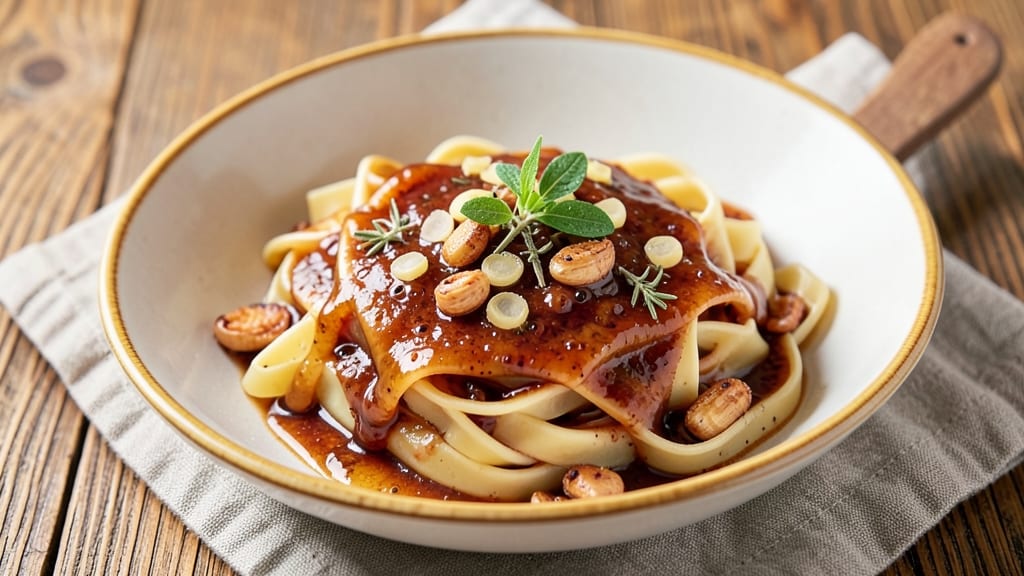
This balsamic pasta sauce recipe transforms simple ingredients into a rich, velvety glaze with deep caramelized sweetness—perfect for elevating any dish in just 20 minutes.
The secret lies in a slow reduction that balances tangy balsamic with subtle sweetness, creating a sauce that clings beautifully to pasta, meats, or salads. I developed this version after years of testing, ensuring it delivers restaurant-quality depth without requiring hours of simmering.
The process is straightforward: start with a simple base of olive oil, shallots, and garlic, then deglaze with balsamic vinegar and a touch of honey or sugar. As the mixture reduces, it develops a glossy, syrupy texture with layers of complexity—savory, sweet, and slightly tangy.
The key is patience during the reduction; letting it simmer until thickened creates that signature glossy finish.
What makes this sauce truly versatile is its ability to adapt to any meal. Toss it with al dente pasta for an instant upgrade, drizzle it over grilled chicken or steak, or use it as a bold dressing for salads.
The flavors deepen slightly when reheated, making it ideal for meal prep. Once you taste the difference between this homemade version and store-bought, you’ll never go back.
For best results, store any leftovers in an airtight container in the refrigerator for up to 5 days, or freeze for longer storage. The sauce thickens as it cools, so simply reheat with a splash of water or pasta water to restore its silky consistency.
This is the kind of sauce that turns ordinary dishes into something extraordinary—with minimal effort.
Ingredients for balsamic pasta sauce
Eight simple ingredients create a sauce that transforms pasta into something extraordinary.
| Ingredient | Amount | Notes |
|---|---|---|
| Extra-Virgin Olive Oil 🫒 | ½ cup | High-quality, fruity variety |
| Shallots 🧅 | 1 whole | Finely minced, not chopped |
| Garlic Cloves 🧄 | 4 cloves | Minced, not pressed |
| Balsamic Vinegar 🍷 | ½ cup | Aged, dark variety preferred |
| Honey 🍯 | 2 tbsp | Wildflower or clover |
| Dried Thyme 🌿 | 1 tsp | Or 1 tbsp fresh thyme |
| Diamond Crystal Kosher Salt 🧂 | ½ tsp | Adjust to taste |
| Black Pepper 🌶️ | ¼ tsp | Freshly cracked |
The balsamic vinegar is non-negotiable—aged, dark balsamic gives that rich, caramelized depth. I grab mine from Trader Joe's or Whole Foods; the cheap stuff just won't cut it. Shallots add sweetness without overpowering, so don't skip them. Fresh garlic and thyme make all the difference, but dried works in a pinch. The olive oil? Use something you'd drizzle on bread—extra-virgin with a fruity kick. Honey balances the tang, so don't skimp here either.
No balsamic vinegar? Red wine reduction works in a pinch, but it won't have the same depth. Short on honey? Brown sugar or maple syrup at half the amount. Fresh thyme unavailable? Dried at one-third the quantity. The shallots can be swapped for 1/4 cup finely chopped red onion, but they won't be as sweet. For extra richness, add 1 tbsp butter at the end—trust me on this. The sauce thickens as it cools, so if it's too thin, simmer longer or add a splash of water when reheating.
This sauce keeps beautifully—5 days in the fridge, 3 months frozen. Store it in a glass jar with a tight seal to preserve that glossy finish. Reheat gently on the stove with a splash of water or pasta water to restore its silky texture. I always make extra because it disappears fast—perfect for drizzling over grilled meats, salads, or even roasted veggies. The flavors actually deepen overnight, so leftovers taste even better the next day.
Why You'll Love This Recipe
- Five-Ingredient Magic: I swear by this sauce because it’s the kind of recipe where you don’t need a grocery list—just what’s already in your pantry. Shallots and garlic soften in olive oil while you stir, then balsamic and honey caramelize into something rich without a single added sugar or complicated step.
- Sweet-Savory Balance: That honey-balsamic combo? It’s the secret weapon. The vinegar’s tang cuts through the richness, while the honey adds just enough depth to make it taste like you simmered it for hours—not the 15 minutes it actually takes. (Yes, even on a Tuesday night.)
- Pantry-to-Table Flex: Toss it with spaghetti for a quick dinner, drizzle it over grilled chicken, or use it as a marinade. It’s my go-to for when I’m too tired to plan but still want something that feels special. Honestly, I’ve even thrown it in a frittata when I forgot to make breakfast.
- Leftovers That Don’t Let You Down: Make a double batch—it keeps for a week in the fridge and freezes beautifully. The flavors only get better as it sits, and since it’s so cheap to make, you won’t mind reheating it for lunch. (My daughter’s favorite, weirdly enough.)
Step-by-step instructions for balsamic pasta sauce
This rich, caramelized sauce comes together faster than you'd think—just follow these simple steps.
Sauté Shallots Until Translucent
Heat the 0.5 cup extra-virgin olive oil in a medium saucepan over medium-low heat. Add the 1 whole finely minced shallots and cook gently for 3-4 minutes, stirring occasionally, until they become soft and translucent. You're aiming for a sweet, almost glass-like texture—not browned yet.
This low-and-slow approach prevents burning while developing the shallots' natural sweetness. If you see them start to color, reduce the heat immediately. The shallots should smell delicate and aromatic, like caramelized onions but more refined.
Add Garlic and Thyme for Aromatic Depth
Increase heat to medium and add the 4 cloves minced garlic and 1 tsp dried thyme. Cook for 30-45 seconds until the garlic turns golden around the edges—this is where the magic happens. You'll smell that irresistible garlic-thyme aroma that forms the sauce's foundation.
Don't walk away during this step. Garlic burns faster than you think, and once it turns bitter, there's no fixing it. When the garlic is just starting to color, it's time to move to the next ingredient. The thyme will infuse the oil with its earthy warmth, balancing the sweetness we're building.
Caramelize the Balsamic and Honey
Pour in the 0.5 cup balsamic vinegar and 2 tbsp honey, then increase heat to medium-high. Let the mixture bubble away for 5-7 minutes, stirring occasionally, until it reduces by about half and develops a deep, glossy caramel color. You'll see it transform from a dark amber to a rich, almost syrupy consistency.
This is the moment that matters: the sauce should coat the back of a spoon and smell like a bakery—sweet, tangy, and complex. If it starts to smoke, reduce the heat slightly. The reduction process concentrates the flavors and creates that signature balsamic depth that makes this sauce special.
Season and Simmer to Perfection
Reduce heat to low and stir in the 0.5 tsp kosher salt and 0.25 tsp black pepper. Let the sauce simmer gently for another 2-3 minutes, allowing all the flavors to meld together. Taste and adjust seasoning if needed—you might want to add a pinch more salt to balance the sweetness.
For the best results, keep the sauce warm in the pan while you cook your pasta. The residual heat will maintain its glossy texture. This sauce works beautifully with al dente spaghetti, linguine, or even penne—just toss it with the drained pasta and a splash of pasta water to create the perfect silky coating.
Pro Tips For Making Balsamic Pasta Sauce
- Sweat Shallots Slow: If you rush this step, you’ll end up with bitter, raw onion flavor. Cook the shallots over medium-low heat for 5-6 minutes, stirring often, until they’re translucent and just starting to caramelize—this is where the depth of flavor hides.
- Minimize Garlic Burn: I learned this the hard way—adding garlic too early turns it bitter. Wait until the shallots are soft and golden, then toss in the garlic and cook for no more than 30 seconds before the balsamic hits. Burnt garlic ruins everything.
- Reduce Vinegar Properly: Dumping balsamic vinegar straight in and calling it a day? Skip it. Simmer the vinegar in a small saucepan until it thickens to about 2 tablespoons of syrup—this concentrates the flavor and balances the sweetness. (Yes, even if you’re impatient like me.)
- Honey Last, Not First: Adding honey early turns the sauce cloyingly sweet. Stir it in only at the very end, when the balsamic has already reduced and melded with the shallots. A teaspoon here makes a real difference—start small, taste, then adjust.
Health benefits of this recipe
Heart-Healthy Fat Boost
This sauce relies on extra-virgin olive oil as its base, delivering monounsaturated fats that support heart health by lowering bad cholesterol. Just 0.5 cup provides about 120 calories and 14 grams of heart-healthy fats—perfect for replacing heavier oils.
The aged balsamic vinegar adds antioxidants like polyphenols, which help reduce oxidative stress in your body. 💪
Blood Sugar Balance
The combination of honey and balsamic vinegar creates a sauce with a lower glycemic impact than you'd expect. The vinegar helps moderate the sweetness of the honey, preventing blood sugar spikes.
While honey adds natural sweetness, the fiber from the shallots and garlic helps slow digestion, making this sauce a better choice than sugary store-bought alternatives.
Antioxidant Powerhouse
Shallots and garlic are packed with flavonoids and organosulfur compounds that act as natural antioxidants. These compounds help combat inflammation and may reduce the risk of chronic diseases. The aged balsamic vinegar contributes additional antioxidants through its fermentation process, making this sauce a flavorful way to boost your nutrient intake.
Digestive Aid
The garlic in this sauce contains allicin, a compound known for its digestive benefits. It helps stimulate stomach acid production and may even support gut health by promoting beneficial bacteria.
The thyme adds another layer of digestive support with its carminative properties, helping to prevent bloating and gas after meals. 🌿
Low-Calorie Flavor Boost
Compared to creamy pasta sauces, this balsamic version is surprisingly light—just 150 calories per 2-tablespoon serving. The reduction process concentrates flavors without adding excess calories, making it ideal for those watching their weight. It's a great alternative to heavy Alfredo or carbonara sauces while still delivering rich, satisfying taste.
Vitamin and Mineral Boost
Each component contributes essential nutrients: shallots provide vitamin C and B vitamins, garlic offers vitamin B6 and manganese, and thyme contains iron and calcium.
The honey adds trace minerals like zinc. Together, these ingredients create a nutrient-dense sauce that's more than just flavor—it's a healthful addition to any meal. ✨
Nutrition facts
Frequently asked questions
Can I make this balsamic sauce without honey?
Swap the 2 tablespoons honey for 1 tablespoon brown sugar or 1 tablespoon maple syrup—both work beautifully. The key is balancing the sauce's sweetness with the tangy balsamic. If you prefer a more intense flavor, try 1 tablespoon balsamic glaze instead. Just remember, honey adds a delicate floral note that other sweeteners can't replicate.
How do I prevent the sauce from getting too thick?
If your sauce thickens too much during reduction, simply add 1-2 tablespoons water or pasta water and stir gently over low heat. The sauce should return to a glossy, coatable consistency in 1-2 minutes. For extra insurance, don't over-reduce—aim for a 50% reduction (about 0.25 cup final yield) rather than letting it dry out completely.
What's the best pasta to pair with this sauce?
This rich, glossy sauce works best with long, thin pasta shapes like spaghetti, linguine, or angel hair—they catch the sauce beautifully. For heartier options, try pappardelle or fettuccine. Avoid thick, ridged pastas like penne or rigatoni, as they struggle to hold the sauce. Pro tip: Toss the sauce with 1/4 cup reserved pasta water to create a silky coating.
Can I make this sauce ahead of time?
Yes! This sauce actually tastes better the next day. Store it in an airtight container in the fridge for up to 5 days or freeze for 3 months. When reheating, warm gently over low heat with 1 tablespoon water to restore its glossy texture. The flavors deepen as it sits, making it perfect for meal prep. Just remember: the sauce will thicken further when chilled.
Why did my sauce turn bitter?
Bitter flavor usually means the balsamic vinegar over-reduced or the garlic burned. For future batches, remove the pan from heat 1 minute before you think it's done, then let it sit off the heat to finish reducing. Also, never let garlic brown—it should just turn golden around the edges (30-45 seconds max). If it happens, balance the bitterness with a pinch of salt or a splash of lemon juice to brighten the flavors.