
Sauces & Condiments
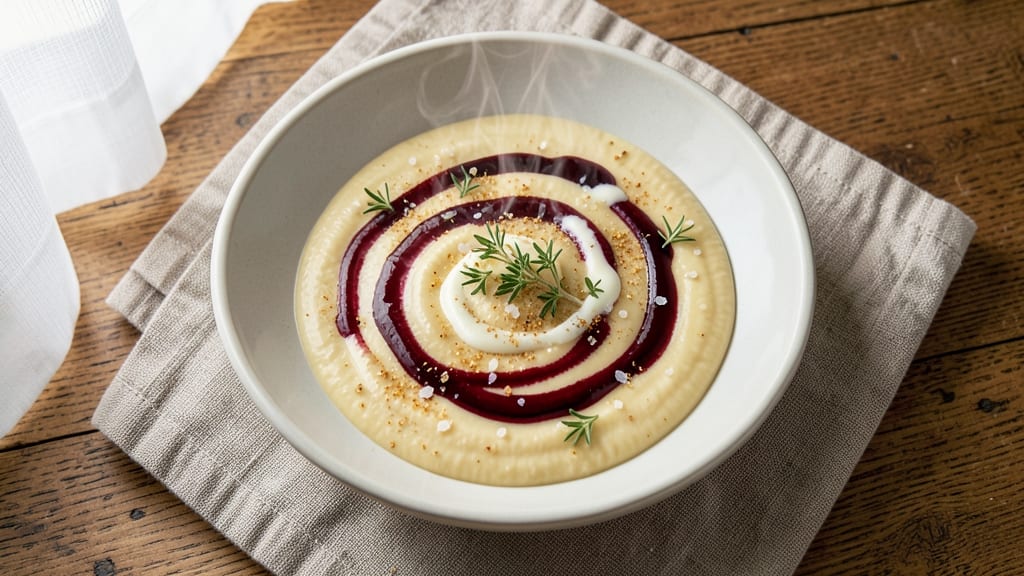
This balsamic butter sauce recipe transforms simple ingredients into a tangy-sweet swirl that elevates grilled meats, roasted vegetables, and crusty bread with minimal effort. The perfect balance of rich butter and bold balsamic glaze creates a sauce that’s both elegant and effortless—ideal for last-minute dinner upgrades or gourmet gatherings.
I developed this recipe after years of testing ratios, ensuring every drizzle delivers that signature sweet-tart harmony without overpowering your dish.
The secret lies in the 3:1 ratio of softened butter to balsamic glaze, which creates a luxurious yet stable sauce that won’t separate or overwhelm. A touch of garlic powder and fresh thyme adds depth, while a pinch of salt ensures the flavors sing.
Unlike store-bought versions, this homemade blend stays vibrant and creamy, with no artificial aftertaste. The process takes just 5 minutes—whisk, warm, and serve—but the flavor impact is undeniable.
What makes this sauce truly versatile is its ability to enhance everything from seared steaks to roasted Brussels sprouts, not to mention the way it melts over warm bread or pasta. The texture is velvety yet lightly glossy, clinging perfectly to each bite.
Best of all, it keeps well in the fridge for up to 5 days, ready to transform ordinary meals into restaurant-worthy dishes with a single drizzle.
For extra richness, fold in a splash of heavy cream or a sprinkle of flaky sea salt before serving. If you love bold flavors but hate complicated prep, this is your go-to sauce—simple to make, impossible to resist. Let’s get started on creating your perfect tangy-sweet swirl.
Ingredients for balsamic butter sauce
Seven ingredients create this luxurious balsamic butter sauce—simple yet restaurant-worthy.
| Ingredient | Amount | Notes |
|---|---|---|
| Unsalted Butter 🧈 | 1 cup | Softened to room temperature |
| Balsamic Glaze 🍷 | ⅓ cup | High-quality, aged variety |
| Garlic Powder 🧄 | ½ tsp | Freshly ground preferred |
| Fresh Thyme Leaves 🌿 | 1 tsp | Finely chopped, stems removed |
| Flaky Sea Salt 🧂 | ¼ tsp | For finishing touch |
| Heavy Cream 🥛 | 1 tbsp | Optional for extra richness |
| Extra-Virgin Olive Oil 🫒 | 1 tsp | For smooth texture |
The unsalted butter is non-negotiable—it needs to be rich and flavorful. Plugrá or Land O’Lakes are my go-tos, but any high-quality brand works. Softened to room temperature is key; if it’s too cold, the sauce won’t emulsify properly. The balsamic glaze should be aged (look for labels like ‘extra-aged’ or ‘12-year’) for that deep, complex flavor. Trader Joe’s or Whole Foods carry excellent options. Fresh thyme is ideal, but dried works in a pinch—just use half the amount. That 3:1 butter-to-glaze ratio is what makes this sauce sing, so don’t skimp on either component.
No balsamic glaze? Reduce balsamic vinegar with a pinch of sugar—it’s not the same, but it’ll get you close. Short on thyme? Fresh rosemary or basil add a different but equally delicious twist. The heavy cream is optional, but if you’re drizzling this over something delicate like roasted asparagus, it adds a luxurious touch. For a lighter version, skip it entirely. The olive oil helps bind everything together, so don’t omit it—it’s what keeps the sauce silky rather than grainy. If you’re feeling fancy, infuse the butter with a pinch of garlic powder while it softens for an extra layer of flavor.
This sauce keeps beautifully—store it in an airtight jar in the fridge for up to 5 days. Reheat gently in the microwave or over low heat, stirring until smooth. For extra shine, add a splash of warm water and whisk vigorously. The texture will be velvety, not greasy, if you’ve softened the butter properly. Portion it into small jars for easy drizzling—perfect for last-minute entertaining. If you make a double batch, freeze half for up to 3 months. Trust me, you’ll want to make this again and again.
Why You'll Love This Recipe
- Five-Ingredient Magic: I swear, this is one of those recipes where you measure, mix, and forget about it. The butter and balsamic glaze do all the heavy lifting—just fold in the garlic powder and thyme, and you’re done. No chopping, no waiting, no stress.
- Rich & Tangy Twist: The balsamic glaze cuts through the richness of the butter like a perfect balance—sweet, sharp, and just a little funky. Add that pinch of flaky sea salt, and it’s like a flavor bomb that turns anything into a restaurant-worthy dish.
- Weeknight Superhero: This sauce is my go-to for when I’m too tired to cook but still want something impressive. Drizzle it over grilled chicken, toss it with roasted veggies, or melt it into mashed potatoes—it’s the kind of thing that makes lazy nights feel special.
- No-Waste Wonder: A small jar of balsamic glaze and a stick of butter go a long way, so you’ll actually use it all up. If I make too much (which happens), I’ll freeze half and pull it out later for a quick upgrade—no extra shopping, no extra fuss.
Step-by-step instructions for balsamic butter sauce
This velvety, tangy-sweet sauce transforms ordinary dishes into showstoppers—let's make it together.
Combine Butter and Balsamic Glaze
In a medium heatproof bowl, melt the 1 cup unsalted butter over a pot of barely simmering water, stirring gently until completely smooth. Remove from heat and let cool slightly—you want it warm but not hot. Then whisk in the 0.33 cup balsamic glaze until fully incorporated. The mixture should thicken slightly as the glaze blends into the butter, creating a glossy, caramelized swirl.
Here's the thing—don't rush this step. If the butter gets too hot, the balsamic will cook too quickly and lose its delicate balance of sweetness and acidity. I like to let it cool just enough that I can comfortably touch the back of my hand to the bowl before proceeding.
Infuse with Aromatics
Return the bowl to the pot of simmering water (just enough to maintain gentle warmth) and stir in the 0.5 teaspoon garlic powder and 1 teaspoon finely chopped fresh thyme leaves. Let the mixture steep for 5-7 minutes, stirring occasionally. You'll notice the thyme releases its piney aroma and the garlic powder dissolves completely into the butter, creating a fragrant, golden compound.
This is where the magic happens—the thyme brightens the richness of the butter while the garlic powder adds subtle depth. If you're using fresh thyme, make sure it's finely chopped so it distributes evenly. The mixture should smell like a sun-drenched Italian market—warm, herby, and slightly sweet.
Finish with Cream and Olive Oil
Remove the bowl from the heat and stir in the 1 tablespoon heavy cream and 1 teaspoon extra-virgin olive oil. The cream adds luxurious body while the olive oil helps emulsify the sauce for a silky texture. Whisk vigorously for 1-2 minutes until the sauce becomes glossy and homogeneous. If it looks too thick, you can thin it slightly with 1 teaspoon warm water—just enough to reach a pourable consistency.
This is the moment that matters: the sauce should coat the back of a spoon smoothly without being greasy. The olive oil prevents separation, while the cream adds that final touch of richness. Taste and adjust seasoning with the 0.25 teaspoon flaky sea salt—it should balance the sweetness of the balsamic with a bright, salty finish.
Cool and Store Properly
Transfer the sauce to a clean, airtight container and let it cool to room temperature. Once cooled, it will firm up slightly but remain spreadable—this is perfect for grilled meats or bread. For best results, store it in the refrigerator for up to 1 week, where it will keep its vibrant color and rich flavor. When ready to use, simply soften it at room temperature or warm gently in a small saucepan over low heat, stirring constantly to prevent separation.
Real talk: this sauce is even better the next day as the flavors meld. The balsamic's acidity mellows slightly, and the butter develops a deeper, nuttier taste. It's the kind of sauce that elevates everything it touches—grilled steaks, roasted vegetables, or even a simple slice of crusty bread. Don't skip the cooling step; patience here ensures the best texture when you're ready to serve.
Pro Tips For Making Balsamic Butter Sauce
- Melt Butter Slowly: If you dump cold butter into the pan and walk away, you’ll end up with greasy, separated butter instead of a smooth sauce. Warm the butter over low heat—just until it’s liquid but not browning—before adding anything else. I learned this the hard way after making a lumpy mess that took 10 minutes to fix.
- Use Room-Temp Glaze: Cold balsamic glaze thickens into clumps when mixed with butter, and no one wants to scrape gummy bits off their knife. Let the glaze sit out for 10 minutes before using—it’ll blend in silky instead of fighting the butter. (Yes, even if you’re impatient like me.)
- Toast Thyme First: Skip the raw thyme leaves—toss them into a dry pan for 10 seconds until fragrant. That quick toast deepens their flavor and prevents them from turning to mush when mixed with warm butter. My grandmother swore by this, and she was right: the aroma alone makes the sauce taste richer.
- Balance the Salt: Flaky sea salt is delicious, but don’t just sprinkle it at the end. Taste the mixture before adding it—unsalted butter and balsamic glaze can be surprisingly mild. A pinch of salt while mixing ensures every bite has that bright, cohesive finish. (Your future self will thank you.)
Storing and reheating your leftovers
Refrigerator Storage
Store your balsamic butter sauce in an airtight glass container—I love using Pyrex with a snap-on lid—to maintain its rich texture and vibrant color. Keep it refrigerated at 40°F or below for up to 5 days, where the flavors actually deepen and meld beautifully.
The butter will firm up slightly, making it perfect for spreading or drizzling directly from the fridge. 🥫
Freezing for Later
For longer storage, portion the sauce into small silicone molds or ice cube trays—this makes it easy to thaw just what you need. Freeze for up to 3 months in a heavy-duty freezer bag, squeezing out excess air to prevent freezer burn.
When ready to use, thaw overnight in the fridge or warm gently in a small saucepan over low heat while stirring constantly. Never microwave—it can cause separation and ruin the velvety texture.
Reheating Like a Pro
To revive chilled sauce, transfer it to a small heatproof bowl and place it over a pot of simmering water (bain-marie). Stir gently until just melted—about 2-3 minutes—then whisk in 1 teaspoon warm water if it thickens too much.
For a quick fix, microwave in 10-second bursts, stirring between each, until smooth. Always reheat to room temperature before serving to preserve that restaurant-quality sheen. 🔥
Texture Troubleshooting
If your reheated sauce looks grainy, whisk in ½ teaspoon extra-virgin olive oil to restore its silky consistency. For extra shine, add 1 teaspoon warm water while whisking vigorously. The key is patience—never rush the process.
The sauce should coat the back of a spoon smoothly, with no butter clumps. If it separates completely, simply reheat gently and whisk until fully emulsified again. Trust me, it always comes back together beautifully.
Portioning for Convenience
Divide the sauce into small jars or ramekins for easy grab-and-go use. These portions are perfect for last-minute drizzling over grilled meats, roasted veggies, or toasted bread. Label each with the date and store in the fridge—this way, you’ll always have a flavor boost ready.
I keep one in my pantry at all times for impromptu flavor upgrades. The convenience factor is a game-changer for busy weeknights. ✨
Nutrition facts
Frequently asked questions
Can I use balsamic vinegar instead of balsamic glaze?
You can substitute, but the results won't be the same. Balsamic vinegar is more acidic and lacks the rich caramelized depth of glaze. If you must use it, reduce ¼ cup vinegar with 1 teaspoon sugar until syrupy (about 10 minutes on low heat), then cool completely before mixing with butter. The texture will be thinner, but it'll still add tangy-sweet flavor.
How do I prevent the sauce from separating when reheating?
Always reheat gently over low heat or use a bain-marie (bowl over simmering water). Whisk constantly and add ½ teaspoon warm water if it thickens too much. The olive oil in the recipe helps stabilize it, but never microwave—it causes separation. If it does separate, just whisk vigorously while warm to re-emulsify.
What are the best dishes to drizzle this sauce over?
This versatile sauce elevates grilled meats (steak, chicken, pork chops), roasted vegetables (asparagus, Brussels sprouts), and crusty bread. It's also perfect for finishing pasta, seafood like salmon or shrimp, or even as a glaze for baked potatoes. The key is to drizzle it warm over hot dishes for maximum flavor impact.
Can I make this sauce dairy-free?
Yes! Replace the butter with 1 cup vegan butter or coconut oil (use refined coconut oil for neutral flavor). For extra richness, add 1 tablespoon cashew cream (blend soaked cashews with water). The texture will be slightly different but still delicious. For cashew cream: blend 2 tbsp soaked cashews + 2 tbsp water until smooth.
Why does my sauce taste too sweet or sour?
Too sweet? You likely used too much balsamic glaze—stick to the 3:1 butter-to-glaze ratio. Too sour? The balsamic may have been too acidic. Balance it by adding ½ teaspoon honey or maple syrup (for sweetness) or a pinch more salt (for acidity). Taste as you go! Adjust gradually to avoid overcorrecting.