
Sauces & Condiments
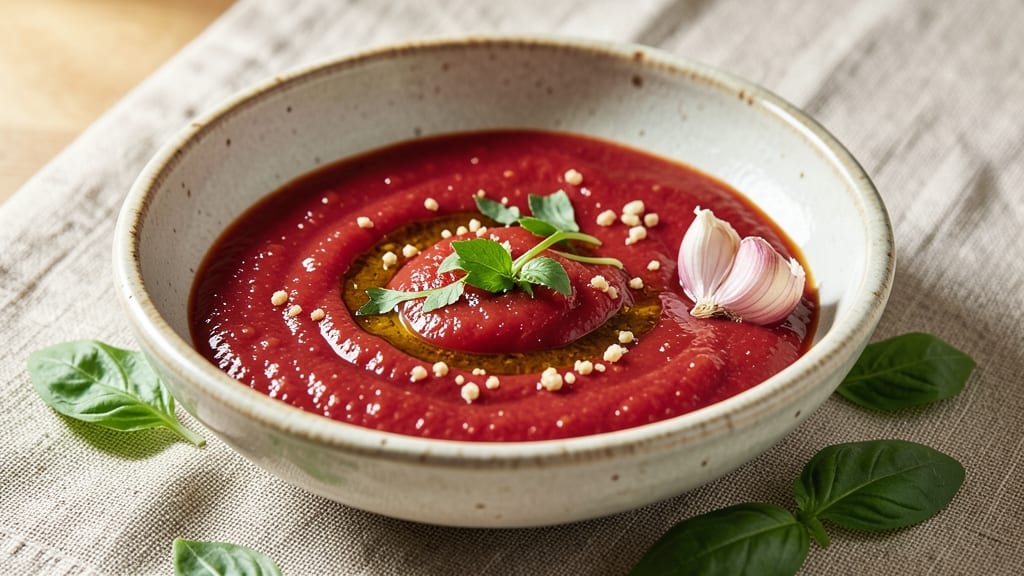
This Ballymaloe sauce recipe delivers the velvety richness and bright acidity that makes it a restaurant staple—perfect for elevating seafood, meats, or fresh bread. The secret lies in balancing ripe tomatoes, sharp vinegar, and aromatic spices into a smooth, tangy sauce that transforms ordinary dishes into something extraordinary.
I’ve refined this version to capture the essence of the original while simplifying the process for home cooks.
The sauce’s magic comes from simmering tomatoes, vinegar, and sugar until perfectly balanced—never overly sweet or sharp. A touch of mustard and spices adds depth, while fresh basil at the end ensures that bright, herbaceous finish.
What sets this apart is its versatility: use it as a marinade, table sauce, or drizzle over grilled vegetables for instant sophistication.
What you’ll achieve is a smooth, glossy sauce with layers of tomato sweetness and vinegar tang, ready in just 20 minutes with minimal effort. The texture is silky yet vibrant, clinging beautifully to proteins while cutting through richness.
It’s the kind of sauce that makes you feel like you’ve brought a taste of Ballymaloe’s legendary kitchen into your own.
Best of all, it keeps well in the refrigerator for up to 10 days, making it ideal for meal prep or gifting. Whether you’re serving grilled fish, roasted chicken, or even a simple cheese board, this sauce will elevate every bite. Let’s get started—your taste buds will thank you.
Ingredients for ballymaloe sauce
Nine simple ingredients transform into velvety Ballymaloe sauce perfection.
| Ingredient | Amount | Notes |
|---|---|---|
| Ripe Tomatoes 🍅 | 2 cups | San Marzano canned, crushed by hand |
| White Wine Vinegar 🍷 | ½ cup | Sharp, high-quality preferred |
| Granulated Sugar 🍚 | 2 tbsp | Adjust to taste for balance |
| Dijon Mustard 🌶️ | 1 tbsp | Mild or strong, not spicy |
| Garlic Cloves 🧄 | 3 cloves | Fresh, minced or pressed |
| Fresh Basil Leaves 🌿 | ¼ cup | Packed, stems removed |
| Extra-Virgin Olive Oil 🫒 | ¼ cup | High-quality, fruity |
| Salt 🧂 | 1 tsp | Kosher or sea salt |
| Black Peppercorns 🌶️ | ¼ tsp | Freshly cracked |
| Red Pepper Flakes 🔥 | ½ tsp | Optional, for subtle heat |
The tomatoes are non-negotiable—San Marzano is the gold standard, but any high-quality canned tomatoes will do. Look for ones that are plump and ripe in the can, not mushy. White wine vinegar should be sharp and bright—avoid anything that smells harsh or vinegary. For the basil, fresh is ideal, but if you’re in a pinch, dried basil at one-third the amount works, though it lacks that signature brightness. I always grab extra basil because it’s worth the effort—half goes in the sauce, half gets torn over the top at the end. The garlic? Freshly minced or pressed makes all the difference—pre-minced garlic from a jar just doesn’t cut it here.
No San Marzano tomatoes? Crushed tomatoes or tomato paste will work, but thin with water or broth to reach the right consistency. Running short on vinegar? Lemon juice at half the amount adds a different brightness, though it won’t be exactly the same. The mustard is key for depth—if you’re avoiding it, a pinch of ground mustard seed can substitute, though the texture won’t be identical. For the olive oil, don’t skimp. A high-quality extra-virgin adds richness that cheap oil can’t match. And if you’re feeling adventurous, swap the red pepper flakes for a pinch of smoked paprika for a different but equally delicious twist.
This sauce keeps beautifully—10 days in the fridge sealed in a jar, or 6 months frozen in ice cube trays for single servings. I always make a double batch because it disappears fast. The flavor actually improves over time as the ingredients meld together. Store it in a glass jar in the fridge and give it a good stir before using. It’s perfect for drizzling over grilled fish, roasted vegetables, or even a simple cheese board. Trust me, once you’ve tasted this, you’ll never go back to store-bought again.
Why You'll Love This Recipe
- No Blender Needed: I swear by this sauce because it’s all about the hands-on simplicity—just chop tomatoes and garlic, then let the vinegar and sugar do their magic. No fancy gadgets, no stress, just a satisfying mix that tastes like you spent hours (but didn’t).
- Garlic-Kissed Magic: That raw garlic and Dijon mustard combo? It’s the secret weapon here—bright, tangy, and just sharp enough to make every bite sing. Honestly, the first time I tasted it, I nearly licked the spoon.
- Pantry Staple Upgrade: This sauce turns basic meals into something special—drizzle it over grilled fish, toss it with pasta, or use it as a marinade. It’s my go-to for when I need flavor on a budget, and it never lets me down.
- Lasts a Week: Make a big batch, store it in the fridge, and thank me later. The vinegar keeps it fresh, and the tomatoes only get richer over time. I’ve had this sauce survive three days of my kids “forgetting” to eat dinner—still delicious.
Step-by-step instructions for Ballymaloe sauce
This velvety tomato-basil sauce comes together faster than you'd expect—just follow these simple steps.
Crush the Tomatoes and Build the Base
Start by crushing the 2 cups ripe tomatoes by hand using your fingers or a potato masher. I like to leave them slightly chunky—this adds texture to the finished sauce. Transfer them to a medium saucepan and add the 0.5 cup white wine vinegar and 2 tbsp granulated sugar. Stir well to combine, then bring the mixture to a gentle boil over medium-high heat.
Once boiling, reduce the heat to medium-low and let it simmer uncovered for 10-12 minutes. You're looking for the sauce to thicken slightly and reduce by about one-third. This step develops the sauce's depth of flavor—don't rush it. The vinegar will brighten the tomatoes, while the sugar balances their acidity. Taste occasionally; if it needs more sweetness, add a pinch more sugar.
Add Aromatics and Mustard for Depth
While the tomatoes simmer, finely mince the 3 cloves garlic and remove the stems from the 0.25 cup fresh basil leaves. Add the garlic to the saucepan and stir for 1 minute until fragrant—this prevents it from burning. Then, reduce the heat to low and stir in the 1 tbsp Dijon mustard and 0.5 tsp red pepper flakes. Let the mixture cook for another 3-4 minutes, stirring occasionally.
Here's the thing—the mustard adds a subtle tang that cuts through the sweetness, while the red pepper flakes introduce a gentle heat. The garlic infuses its pungent aroma without overpowering. If you're using the optional red pepper flakes, now's the time to add them for even distribution. The sauce should smell rich and aromatic—like a summer garden in a pot.
Finish with Oil and Seasonings
Remove the saucepan from the heat and let it cool slightly for 2-3 minutes. This prevents the olive oil from separating when added. Slowly drizzle in the 0.25 cup extra-virgin olive oil while whisking constantly. The oil will emulsify with the sauce, creating that signature velvety texture. If the sauce looks too thick after adding the oil, whisk in 1-2 tablespoons of water to reach your desired consistency.
Return the sauce to low heat and stir in the 1 tsp salt and 0.25 tsp freshly cracked black peppercorns. Taste and adjust the seasoning—you might need a pinch more salt or sugar to balance the flavors. The sauce should be tangy, slightly sweet, and deeply aromatic. If it's too acidic, a tiny bit more sugar helps. If it's too sweet, a splash more vinegar brings it back into balance.
Blend for Silky Smoothness (Optional)
For an ultra-smooth sauce, transfer the mixture to a blender or food processor. Pulse until the basil leaves are finely chopped but the sauce retains some texture—this adds visual appeal. If you prefer a completely smooth sauce, blend until silky. Return the sauce to the saucepan and reheat gently over low heat for 2-3 minutes to warm through.
This step is optional but makes a noticeable difference in texture. The blender breaks down the basil into tiny pieces, distributing its flavor evenly. If you skip blending, just stir the sauce vigorously by hand for 1-2 minutes to incorporate the basil fully. Either way, the result is a luscious, restaurant-quality sauce that pairs perfectly with pasta, grilled meats, or crusty bread.
Pro Tips For Making Ballymaloe Sauce
- Simmer Gently, Not Furiously: I learned this the hard way—boiling Ballymaloe sauce turns it into a sad, watery mess. Keep the heat at a bare simmer (just tiny bubbles breaking the surface) so the tomatoes break down properly without losing acidity or turning mushy. You want flavor concentration, not a tomato soup.
- Peel Garlic Cloves First: Sounds weird, but it works: peel your garlic before mincing it. Raw garlic skins in the sauce make it look like you’re serving confetti. Plus, fresh minced garlic releases more flavor immediately—no waiting for it to soften while the sauce cooks.
- Balance Vinegar Gradually: Don’t dump all the white wine vinegar at once. Start with half, taste, then add more as you go. The sauce should taste bright but not harsh—like a well-made vinaigrette. If it’s too sharp, a pinch of sugar (yes, even more) will round it out.
- Strain for Smoothness: I skip this when I’m lazy, but the dish is noticeably better when I don’t: after simmering, strain the sauce through a fine-mesh sieve to remove tomato seeds and skin. It’s the difference between rustic charm and restaurant-quality polish—especially if you’re serving it over fish or salads.
Best sauces and condiments for ballymaloe sauce
Classic Pairings
This sauce shines as a table sauce for grilled seafood—think halibut, salmon, or scallops—where its tangy-sweet profile cuts through richness. I drizzle it over garlic butter shrimp or pan-seared cod for a restaurant-worthy finish.
For meat lovers, it elevates grilled chicken, pork chops, or lamb chops, especially when reduced slightly for a glossy glaze. 🍽️
Pasta Perfection
Toss this sauce with fresh linguine or spaghetti for an instant upgrade—skip the heavy cream and let the sauce’s velvety texture shine. I add a pinch of freshly grated Parmesan and toasted pine nuts for crunch.
For a lighter option, use it as a cold pasta sauce with chilled fettuccine and a sprinkle of chopped mint. The acidity balances the richness beautifully.
Cheese Board Elevator
Drizzle this sauce over aged cheeses like Pecorino Romano, Manchego, or sharp cheddar for a tangy contrast. Pair it with prosciutto, marinated olives, and crusty bread for a showstopping appetizer.
The sauce’s brightness cuts through the saltiness of cured meats while enhancing the cheese’s natural flavors. I always serve it chilled for extra elegance.
Vegetable Glaze
Brush this sauce over roasted asparagus, Brussels sprouts, or eggplant in the last 5 minutes of roasting for a caramelized finish. The acidity balances the sweetness of caramelized veggies, while the basil adds a fresh herbal note.
For extra drama, drizzle it over grilled zucchini or bell peppers before serving. It’s a game-changer for vegetarian dishes!
Marinade Magic
Use this sauce as a quick marinade for chicken, fish, or shrimp—let it sit for 15-30 minutes before cooking. The vinegar tenderizes proteins, while the garlic and basil infuse flavor.
I like to reserve ¼ cup of the sauce to use as a finishing drizzle after cooking. For seafood, marinate for no longer than 20 minutes to avoid over-acidifying.
Bread Dipping Sauce
Warm the sauce slightly and serve it in a small bowl with crusty bread for an easy appetizer. The texture is perfect for soaking up—thick enough to cling but light enough to drizzle.
I love pairing it with sourdough, focaccia, or baguette slices. For a fun twist, toast the bread with garlic butter first, then dip into the sauce for double flavor. 🥖
Nutrition facts
Frequently asked questions
Can I make Ballymaloe sauce without tomatoes?
While tomatoes are traditional, you can substitute with 1 cup tomato paste thinned with ½ cup water or broth and 1 tbsp lemon juice for brightness. The sauce will have a slightly thicker texture but maintain the same tangy-sweet balance. For a non-tomato version, try 1 cup red wine vinegar, 2 tbsp honey, and 1 tbsp balsamic glaze as a base instead.
How do I fix sauce that's too thick or too thin?
For a thicker sauce, simmer uncovered for 5-10 extra minutes to reduce. If it's too thin, whisk in 1 tbsp cornstarch mixed with 2 tbsp water or reduce the heat and let it cook longer. For instant adjustments, stir in 1 tsp tomato paste for thickness or 1 tsp vinegar for tanginess. Always taste as you go!
Can I use dried basil instead of fresh?
Yes, but use only ⅓ the amount (about 1 tbsp) and add it at the end with the olive oil. Fresh basil provides that signature brightness, but dried works in a pinch. For extra flavor, crush the dried leaves between your fingers before adding. If using, omit the fresh basil from the recipe entirely to avoid overpowering the sauce.
Why does my sauce separate when I add olive oil?
This happens if the sauce is too hot when adding oil. Always let it cool slightly (2-3 minutes) before drizzling in oil while whisking continuously. For a smoother texture, blend the sauce briefly after adding oil. If separation occurs, whisk vigorously or reheat gently while stirring until emulsified. A splash of cold water can also help bind the ingredients.
How can I make this sauce spicier?
Add ½ tsp cayenne pepper or 1 tsp hot sauce at the end, or increase the red pepper flakes to 1 tsp. For smoky heat, swap the red pepper flakes for ½ tsp smoked paprika. Remember, you can always adjust heat to taste—start with less and add more gradually. The sauce’s acidity will balance the spice beautifully!