
Sauces & Condiments
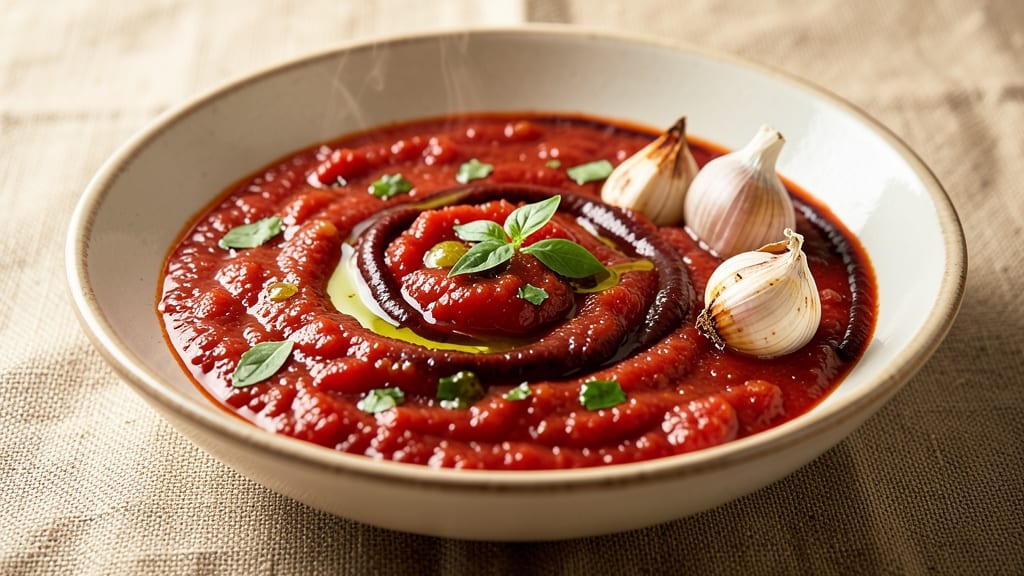
Ball Seasoned Tomato Sauce Recipe transforms simple canned tomatoes into a rich, aromatic sauce with deep umami flavor and bright fresh basil notes. This slow-simmered version builds complex layers of taste through careful seasoning and reduction, making it perfect for pasta, pizza, or braising. The key lies in balancing sweetness, acidity, and herbs to create a versatile sauce that elevates any dish.
What sets this sauce apart is its professional-level depth achieved through simple techniques: toasting spices, deglazing the pot, and letting the tomatoes reduce slowly. I've refined this recipe over years of testing, ensuring the final product delivers restaurant-quality umami without requiring specialty ingredients.
The fresh basil added at the end brightens the sauce while maintaining its rich character.
By the time you're done, you'll have a velvety sauce with concentrated tomato flavor, subtle spice warmth, and aromatic herb notes that make it irresistible. The texture is perfect for coating pasta, topping pizza, or enriching stews—each use reveals new dimensions of flavor.
This sauce keeps well in the refrigerator for up to a week or freezes beautifully for months.
Use it as a base for marinara, a topping for grilled meats, or a braising liquid for hearty dishes. The possibilities are endless, but the foundation remains the same: perfectly balanced seasoning and gentle simmering. Let's create this versatile sauce that will become your kitchen staple.
Ingredients for ball seasoned tomato sauce
Simple canned tomatoes and fresh basil transform into restaurant-quality sauce.
| Ingredient | Amount | Notes |
|---|---|---|
| San Marzano Plum Tomatoes 🍅 | 28 oz | Canned, crushed or whole |
| Extra-Virgin Olive Oil 🫒 | ½ cup | High quality, fruity |
| Yellow Onion 🧅 | 1 whole | Medium, finely chopped |
| Garlic Cloves 🧄 | 4 cloves | Peeled, minced |
| Fresh Basil Leaves 🌿 | ½ cup | Packed, chopped |
| Tomato Paste 🍅 | 2 tbsp | Squeeze tube preferred |
| Red Wine 🍷 | ½ cup | Dry, bold variety |
| Vegetable Broth 💧 | 1 cup | Low-sodium preferred |
| Granulated Sugar 🍚 | 1 tbsp | Adjust to taste |
| Diamond Crystal Kosher Salt 🧂 | 1 ½ tsp | Adjust to taste |
| Freshly Ground Black Pepper 🌶️ | ½ tsp | Freshly cracked |
| Dried Oregano 🍃 | 1 tsp | Mediterranean blend |
| Ground Cinnamon 🌿 | ¼ tsp | For subtle warmth |
The tomatoes make or break this sauce. San Marzano is ideal for its sweetness and low acidity, but any high-quality canned tomatoes work—just taste and adjust sugar later. I grab mine from Whole Foods or Trader Joe's when I can, but the store brand at Kroger works fine too. Fresh basil? Buy extra—half goes in the sauce, half gets torn over pasta. The basil should be vibrant green, not wilted. If you're using dried, cut the amount to one-third since it's less potent. For the red wine, any bold, dry variety like Cabernet Sauvignon or Merlot works—whatever's open in your fridge.
No red wine? Substitute with extra vegetable broth—just add a splash of balsamic vinegar for depth. Running low on tomato paste? Fresh tomatoes blended work in a pinch, but they'll add more liquid. The sugar balances acidity, but if your tomatoes are naturally sweet, you might skip it entirely. For the spices, toast the whole oregano and cinnamon in a dry pan for 30 seconds before adding—this deepens their flavor. The olive oil should be fruity and peppery, not mild. California Avocado Ranch or Colavita are my go-tos, but any extra-virgin will do.
This sauce tastes even better the next day as flavors meld. Store in an airtight container in the fridge for up to 7 days—the acidity helps preserve it. For longer storage, freeze in 1-cup portions for up to 6 months. I like to freeze it in ice cube trays, then transfer to a bag. Perfect for quick pasta nights or last-minute braising. If it thickens too much when reheating, just add a splash of water or broth.
Why You'll Love This Recipe
- No-Chop Nightmare: I swear, this sauce only needs one knife—just dice the onion and garlic, then let the San Marzanos do the work. The balls of seasoning (herbs, salt, sugar) melt right into the sauce while you’re stirring, so no measuring, no fuss, no stress.
- Umami Bomb: That first spoonful? Pure flavor payoff. The San Marzanos are sweet and meaty, the olive oil adds richness, and the garlic-basil balls infuse deep, aromatic layers without overpowering. It’s the kind of sauce that makes you pause mid-bite—wait, is this really homemade?
- Weeknight Swiss Army: Use it as a quick pasta sauce, drizzle it over grilled chicken, or serve it with crusty bread for a no-fuss dinner. It even reheats beautifully for lazy breakfasts or sandwich toppings. Honestly, I’ve made it for date nights, family dinners, and solo Sunday afternoons—no excuses.
- Fridge Goldmine: This sauce keeps for weeks in the fridge, and the flavor only deepens over time. Make a big batch, freeze half, and thank me later when you’re pulling together a last-minute meal. Between us? It’s my budget-friendly secret—better than jarred, cheaper than takeout.
Step-by-step instructions for ball seasoned tomato sauce
Here's how to create a rich, balanced tomato sauce with layers of umami and bright basil notes.
Sauté Aromatics Until Deeply Fragrant
Heat the 0.5 cup extra-virgin olive oil in a heavy-bottomed saucepan over medium heat. Add the 1 whole yellow onion, finely chopped, and cook for 5-6 minutes until softened and translucent. The onions should release their sweetness without browning - this prevents bitterness in the final sauce.
Add the 4 cloves garlic cloves, minced, and cook for another 30 seconds until fragrant. Watch closely - garlic burns quickly. You'll know it's ready when the kitchen smells like a sun-drenched Italian market. Remove the pan from heat temporarily while you prepare the remaining ingredients - this prevents overcooking during the next steps.
Build the Sauce Base with Wine and Tomatoes
Return the pan to medium heat and add the 2 tbsp tomato paste. Stir for 1 minute until it darkens slightly and coats the onions and garlic. This creates a flavorful foundation for the sauce.
Deglaze the pan with the 0.5 cup red wine, scraping up all the browned bits from the bottom. Let it simmer for 2-3 minutes until reduced by half. Add the 28 oz San Marzano plum tomatoes (crushed if using whole), 1 cup vegetable broth, 1 tbsp granulated sugar, 1.5 tsp Diamond Crystal kosher salt, and 0.5 tsp freshly ground black pepper. Stir well to combine all ingredients.
Simmer Until Thick and Balanced
Bring the sauce to a gentle simmer over low heat. Partially cover the pan and let it cook for 30-40 minutes, stirring occasionally. You're looking for a sauce that coats the back of a spoon with a velvety texture. The acidity will mellow, and the flavors will meld beautifully.
After 20 minutes, add the 1 tsp dried oregano and 0.25 tsp ground cinnamon. These spices add depth without overpowering. Taste the sauce and adjust seasoning - you might need a pinch more salt or sugar to balance the acidity. The cinnamon will add subtle warmth that pairs perfectly with the tomatoes.
Finish with Fresh Basil for Brightness
In the final 5 minutes of cooking, stir in the 0.5 cup fresh basil leaves, chopped. The basil will release its aromatic oils and brighten the sauce with its fresh, slightly peppery notes. Remove from heat immediately after adding the basil to preserve its vibrant flavor and color.
Let the sauce rest for 10 minutes before serving. This allows the flavors to fully develop and the sauce to thicken slightly. The finished sauce should be smooth with a glossy sheen, balanced between sweet, savory, and acidic notes. Serve warm over pasta, with crusty bread, or as a base for your favorite Italian dishes.
Pro Tips For Making Ball Seasoned Tomato Sauce
- CRUSH THE TOMATOES: Grab a wooden spoon and smash the whole San Marzano tomatoes against the pot’s side before adding liquid—this breaks down the skins and releases their sweetness faster. I used to strain them first, but this method gives you that rustic, chunky texture without extra work.
- SWEAT THE ONION LOW: Cook the diced onion in olive oil on medium-low heat until it’s translucent and just starting to caramelize—about 8-10 minutes. Rushing this step means your sauce will taste raw and bitter instead of rich and mellow.
- SALT THE GARLIC: Toss the minced garlic cloves with a pinch of salt before adding them to the pot. This draws out moisture and prevents them from burning while cooking—no more bitter, charred garlic ruining your sauce.
- SAVE THE BASIL: Tear the basil leaves by hand and add them only at the very end, off the heat. This keeps their bright flavor intact instead of turning them to mush in a simmering pot. (Yes, even if you’re impatient like me.)
Perfect pairings for ball seasoned tomato sauce
Pasta Perfection
This sauce transforms into a restaurant-quality marinara when tossed with al dente pasta. I recommend bronze-cut spaghetti or rigatoni—their textures hold up beautifully against the sauce's velvety richness. For extra flavor, reserve ½ cup pasta water before draining and stir it into the sauce at the end.
This emulsifies the sauce, making it cling to each noodle perfectly. 🍝
For a creamy twist, stir in ¼ cup ricotta cheese or mascarpone while the sauce is still warm. The mild tang complements the sauce's acidity beautifully. If you're feeling adventurous, add ½ cup finely chopped pancetta (cooked until crispy) for a carbonara-inspired fusion that's surprisingly delicious.
Pizza Topping
Spread this sauce as a base layer on pizza dough before adding toppings—it creates a glossy, flavorful crust that holds toppings perfectly. I like to use it with mozzarella, fresh basil, and sliced sun-dried tomatoes for a Caprese-inspired pizza.
For a meat lover's version, add crumbled sausage and pepperoni after baking to prevent sogginess. 🍕
For white pizza, mix this sauce with an equal amount of ricotta or burrata for a creamy, herby topping that pairs wonderfully with prosciutto and arugula. The sauce's umami depth balances the richness of the cheese beautifully.
Braising Liquid
Use this sauce as a braising liquid for chicken thighs, pork chops, or beef short ribs. Simmer the meat in the sauce for 1.5-2 hours until tender, then reduce the sauce further to create a glazed finish.
The sauce's natural sweetness caramelizes beautifully when reduced, creating a sticky, flavorful crust on the meat. 🥩
For vegetable braises, try it with eggplant, zucchini, or mushrooms. The sauce's acidity helps tenderize tougher vegetables while adding depth. I often add a splash of red wine to the sauce before braising for an extra layer of complexity.
Dipping Sauce
Thicken this sauce slightly by simmering uncovered for 10-15 minutes until it reaches a dipping consistency. Serve with garlic bread, crusty baguettes, or vegetable sticks like carrots and celery. The sauce's balance of sweet, savory, and acidic notes makes it addictively dippable. 🥖
For a spicy kick, stir in ½ tsp red pepper flakes or a dash of hot honey before serving. The heat contrasts beautifully with the sauce's richness, making it perfect for game day snacks or appetizers. Keep a small bowl of this sauce on hand for spontaneous cravings!
Nutrition facts
Frequently asked questions
Why does this sauce need red wine when other tomato sauces don't?
The red wine adds depth and complexity that simple tomato sauces miss. It introduces subtle tannins and acidity that balance the sauce's sweetness while enhancing the umami from the tomatoes and spices. Even just ½ cup makes a noticeable difference in flavor development during the 30-minute simmer. For a quick substitute, use ½ cup vegetable broth plus 1 tbsp balsamic vinegar.
Can I make this sauce without fresh basil?
If you don't have fresh basil, use 1 tbsp dried basil instead, but add it with the oregano and cinnamon after 20 minutes of simmering. For extra flavor, try ½ tsp dried thyme or 1 bay leaf removed before serving. The sauce will still taste great—fresh basil just adds that signature bright aroma and color.
How do I fix a sauce that's too acidic or too sweet?
For too acidic sauce, stir in ½ tsp sugar or a pinch of honey while simmering. For too sweet sauce, add 1 tsp lemon juice or a splash of red wine vinegar to cut through the sweetness. Always taste as you go—the sauce should balance sweet, savory, and acidic notes. Adjust gradually to avoid overcorrecting.
Can I use this sauce for cooking instead of just serving?
Yes! This sauce works perfectly for braising meats like chicken or beef, or as a base for stews. Simmer proteins in the sauce for 1.5-2 hours to infuse flavor, then reduce the sauce further to create a glossy glaze. For pasta, toss with al dente noodles and reserve ½ cup pasta water to emulsify the sauce.
Why does my sauce turn out watery even after simmering?
Watery sauce usually happens from one of three issues: using too much liquid (like broth or wine), not simmering long enough, or stirring too frequently. For best results, use a heavy-bottomed pot, simmer uncovered for 30-40 minutes, and stir only occasionally. If it's still too thin, simmer uncovered for another 10-15 minutes to reduce it further.