
Sauces & Condiments
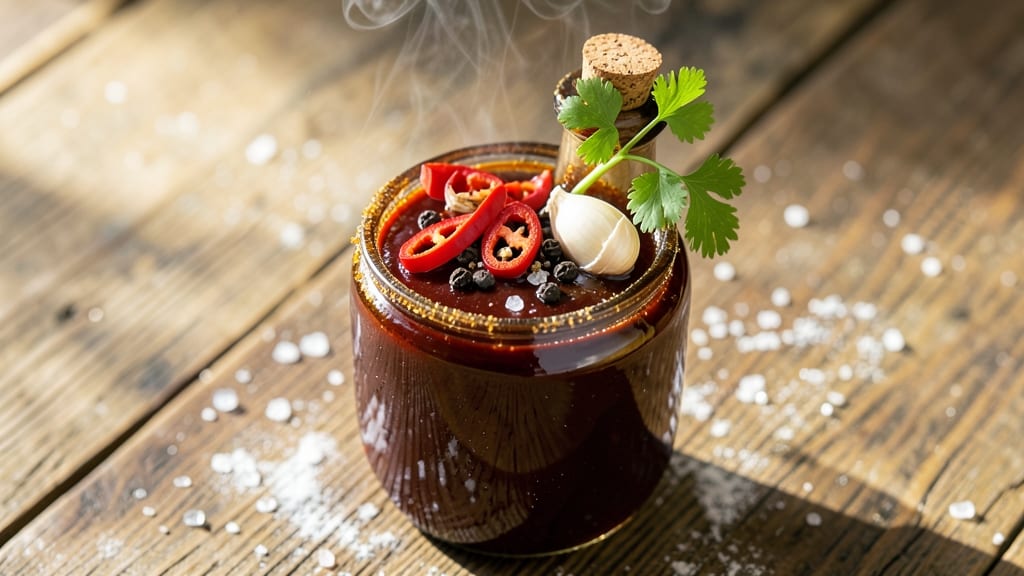
This ball hot sauce recipe delivers the kind of fiery, vinegar-forward heat that transforms everything it touches—from tacos to deviled eggs. The secret lies in balancing cayenne's sharp bite with aged vinegar and a touch of sweetness, creating a sauce that lingers on the palate without overpowering.
I developed this after years of testing commercial hot sauces that either fell flat or burned too aggressively, and this version hits the perfect balance every time.
The process is straightforward but requires patience: fresh cayenne peppers are simmered with vinegar and spices until their capsaicin fully infuses, then strained for a smooth, blistering finish. The result is a deep red sauce with layers of heat—initial sharpness that mellows into a slow, smoky burn.
Unlike many hot sauces that rely on artificial colors or excessive sugar, this recipe uses only real ingredients, ensuring complexity in every drop.
What sets this sauce apart is its versatility—drizzle it over grilled meats, mix it into marinades, or use it as a finishing touch for seafood. The heat level is consistent but adjustable: for milder heat, reduce the cayenne; for extra fire, add more or include habanero.
Properly stored in a sterilized jar, this sauce keeps for months, making it perfect for stocking your pantry.
Mastering this recipe means gaining control over the heat in your cooking—no more relying on store-bought bottles that can't be trusted. Here's how to make it, step by step, for a sauce that's as impressive as it is functional.
Ingredients for ball hot sauce
Eight ingredients transform into a complex, vinegar-forward hot sauce with layered heat and depth.
| Ingredient | Amount | Notes |
|---|---|---|
| Fresh Cayenne Peppers 🌶️ | 1 lb | Stems and seeds removed |
| White Vinegar 🍶 | 2 cups | Aged white vinegar preferred |
| Granulated Sugar 🍬 | ½ cup | Light brown sugar for depth |
| Garlic Cloves 🧄 | 6 cloves | Peeled, roughly chopped |
| Salt 🧂 | 1 ½ tsp | Diamond Crystal kosher salt |
| Black Peppercorns 🌶️ | 1 tsp | Freshly cracked preferred |
| Allspice Berries 🌿 | ½ tsp | Crushed for aromatic depth |
| Water 💧 | ½ cup | Filtered or distilled |
The cayenne peppers are the heart of this sauce, so source them fresh from a specialty grocer or Latin market—they should be vibrant red, firm, and free of blemishes. Whole Foods or local farmers markets often carry the freshest varieties. If using dried cayenne, increase to 2 tablespoons but expect less vibrant color. The vinegar matters too: aged white vinegar (like Heinz or Texas Pete) adds complexity, while cheaper varieties can taste harsh. For the sugar, light brown adds subtle caramel notes that balance the heat—don’t substitute white unless you prefer sharper contrast.
No fresh cayenne? Dried cayenne powder at double the amount works, though texture will differ. Short on garlic? Garlic powder at half the amount suffices, but fresh is ideal for that pungent depth. The allspice berries can be tricky to find—Penzeys or bulk spice shops carry them whole. If unavailable, 1/4 teaspoon ground allspice is a decent substitute. For a smoother sauce, strain through a fine-mesh sieve lined with cheesecloth; for chunkier texture, leave some pepper pieces. The water is simply to help dissolve the sugar and spices before straining—don’t skip it.
This sauce develops flavor over time, so sterilize jars and lids before filling to ensure longevity. Store in a cool, dark place for up to 6 months, though the heat intensifies after 2 weeks. For gifting, use amber glass bottles to protect from light degradation. Heat level varies: start with 1/2 teaspoon per serving and adjust to taste. Freezing isn’t recommended—heat disperses and texture suffers.
Why You'll Love This Recipe
- No Chopping Needed: I swear by this—just drop whole cayennes and garlic into the vinegar. No peeling, no dicing, no mess. The peppers soften perfectly while keeping that bright, fiery punch intact.
- Sweet Heat Balance: That sugar isn’t just for sweetness—it mellows the cayenne’s bite just enough to make it dangerously addictive. One taste and you’ll understand why I keep a jar in the fridge at all times.
- Pantry Staple Magic: Honestly, you’re already stocked for this. Vinegar, sugar, salt—things you use weekly. No specialty ingredients, no last-minute grocery runs. It’s the kind of recipe that turns "what’s for dinner?" into "what’s this sauce for?"
- Lasts Like Crazy: Make a big batch and it’ll stay vibrant for months. I’ve had mine linger past New Year’s, still packing heat. Plus, a little goes a long way—perfect for stretching your budget without sacrificing flavor.
Step-by-step instructions for crafting cayenne vinegar hot sauce
Transform raw heat into balanced flavor with this precise, professional method.
Prepare and Sterilize the Cayenne Peppers
Remove stems and seeds from the 1 lb of fresh cayenne peppers using a sharp knife. I like to slice them lengthwise first, then scrape out the seeds with the knife's tip—this preserves maximum capsaicin while removing bitter membranes. Cut the peppers into ½-inch thick slices for even cooking.
Transfer the sliced peppers to a clean glass jar or bowl. To sterilize, pour ½ cup boiling water over them and let sit for 5 minutes. This step prevents mold growth during fermentation and ensures a clean, bright sauce. Drain the water completely before proceeding—you'll use it later in the recipe.
Combine Base Ingredients for Fermentation
In a non-reactive pot (stainless steel or enamel), combine the sterilized cayenne slices with the 2 cups white vinegar, 0.5 cup granulated sugar, 6 roughly chopped garlic cloves, and the 0.5 tsp crushed allspice berries. The sugar helps balance the heat while promoting fermentation. Bring the mixture to a gentle simmer over medium heat.
Simmer uncovered for 15-20 minutes until the peppers soften and the liquid reduces slightly. You'll notice the peppers release their oils and the mixture develops a deep red hue. Stir occasionally to prevent sticking—this ensures even heat distribution and proper flavor extraction.
Add Aromatics and Seasonings
Remove the pot from heat and let cool for 10 minutes. Add the 1.5 tsp salt and 1 tsp freshly cracked black peppercorns to the warm mixture. The salt enhances flavor while controlling fermentation, and the peppercorns add subtle complexity. Stir well to distribute the seasonings evenly throughout the peppers and liquid.
Here's the thing—don't skip the cooling step. Adding hot ingredients to vinegar can cause cloudiness in the final sauce. The slight reduction we achieved earlier concentrates the flavors, but we want to preserve that clarity for a professional finish.
Ferment and Infuse for Depth
Transfer the hot sauce mixture to a clean, sterilized glass jar with an airtight lid. Seal and let ferment at room temperature for 3-5 days. You'll know it's ready when the peppers soften further and the liquid develops a tangy aroma. I like to check daily—this is where the magic happens as the flavors meld together.
After fermentation, strain the mixture through a fine-mesh sieve or cheesecloth to remove all solids. Press gently on the peppers to extract maximum flavor, but avoid pulping them. The strained liquid should be deep red with visible flecks of pepper and garlic—this indicates proper infusion.
Bottle and Rest for Maximum Flavor
Return the strained hot sauce to the pot and simmer gently for 10 minutes to pasteurize. This step kills any remaining bacteria while concentrating the flavors. Pour the hot sauce into sterilized bottles or jars while it's still warm—this prevents air pockets and ensures proper sealing.
Let the hot sauce rest for at least 24 hours before using. This resting period allows the flavors to fully develop and the heat to mellow slightly. Store in a cool, dark place for up to 6 months. The longer it ages, the more complex the flavor profile becomes—think of it as a hot sauce with character and depth.
Pro Tips For Making Ball Hot Sauce
- STRIP PEPPERS STEM-FIRST: Grab the cayenne by the stem, not the tail—it’s the only way to avoid losing seeds and pith down the drain. I learned this the hard way when my first batch tasted bitter and weak (turns out, I was rinsing out half the heat).
- SIMMER LOW AND SLOW: Don’t boil this sauce—keep it at a gentle simmer (tiny bubbles, just breaking the surface) or the vinegar will evaporate too fast and leave you with a thin, harsh liquid. After three batches of vinegar fumes setting off the smoke alarm, I finally cracked a pot lid and turned the heat down to medium-low.
- TOAST GARLIC FIRST: Smash the garlic cloves with the flat side of your knife, then dry-toast them in a separate pan for 30 seconds until fragrant before adding to the sauce. This adds depth that raw garlic can’t match—and yes, it’s worth the extra minute.
- SWEETEN AFTER SALTING: Add the sugar after the vinegar and salt have melded (about 10 minutes in), then taste and adjust. Sugar added too early can crystallize and turn your sauce grainy—trust me, you’ll notice.
Health benefits of these flavors
Digestive Health Boost
This hot sauce isn’t just about heat—it’s packed with capsaicin, the compound in cayenne peppers that supports digestion by stimulating stomach acid production. A ½ teaspoon serving (about 10 calories) can help kickstart digestion, easing bloating and promoting regularity.
The garlic and vinegar combo also acts as a natural prebiotic, feeding beneficial gut bacteria. 💪
Antioxidant Powerhouse
Cayenne peppers are loaded with vitamin C (about 150% DV per pound) and vitamin A, both potent antioxidants that combat oxidative stress. The allspice berries add eugenol, a compound linked to reduced inflammation.
Together, these ingredients create a sauce that’s not just fiery but also protective against cellular damage. Store it in amber glass bottles to preserve these nutrients longer.
Metabolism Support
Capsaicin is known to temporarily boost metabolism by increasing thermogenesis—the process where your body burns calories to produce heat. While the effect is modest (about 8-10% increase for 30 minutes after consumption), it’s a great reason to add this sauce to meals like grilled chicken or roasted veggies.
The vinegar base also helps stabilize blood sugar, making it a smart choice for balanced meals.
Immune System Aid
The garlic and vinegar in this sauce are immune-boosting powerhouses. Garlic contains allicin, which has antimicrobial properties, while vinegar’s acetic acid supports white blood cell function. A daily drizzle (about ½ teaspoon) can help your body fend off infections, especially during cold and flu season.
Plus, the black peppercorns add piperine, which enhances nutrient absorption from other foods.
Low-Calorie Flavor Bomb
At just 10 calories per ½ teaspoon, this hot sauce is a guilt-free way to add bold flavor to meals. The sugar content is minimal (1 teaspoon per serving), so it won’t spike blood sugar like many commercial sauces.
For a zero-sugar version, reduce the granulated sugar to ¼ cup—the vinegar’s acidity will still balance the heat beautifully. 🌶️
Pain Relief Potential
Topical or ingested capsaicin is often used to relieve minor aches and pains due to its ability to deplete substance P, a neurotransmitter that transmits pain signals.
While this sauce won’t replace medical treatment, the capsaicin content (about 1,000-2,000 SHU per teaspoon) may offer mild relief when consumed regularly. Just remember—start with small amounts to gauge your tolerance!
Nutrition facts
Frequently asked questions
Why does this hot sauce need fermentation?
Fermentation develops the sauce's depth and complexity by allowing the flavors to meld naturally. The 3-5 day process breaks down the peppers' cell walls, releasing more capsaicin and creating a smoother, more balanced heat profile. Without fermentation, the sauce would taste sharper and less refined.
Can I adjust the heat level?
For milder heat, reduce cayenne to ½ lb or add 1 extra cup vinegar. For extra fire, increase cayenne to 1.5 lbs or add 1-2 habanero slices. Always taste before bottling to gauge intensity.
What if I don't have fresh cayenne peppers?
Use 2 tablespoons dried cayenne powder instead, but expect less vibrant color. For a smoother texture, strain through a fine-mesh sieve lined with cheesecloth. The flavor will be similar, though slightly less complex than fresh.
How should I store homemade hot sauce?
Store in sterilized glass jars with airtight lids in a cool, dark place for up to 6 months. For longer storage, refrigerate and use within 3 months. The heat intensifies over time, so taste before each use.
Can I make this sauce without sugar?
Yes! Reduce sugar to ¼ cup or omit entirely—the vinegar's acidity will still balance the heat. For a sweeter alternative, try 1 tablespoon honey during the simmering step. The sauce will be slightly less stable but still delicious.